
AG1 & Greens Powders: Worth It or Overpriced?
Daily greens stacks, micronutrient insurance, AG1 vs alternatives, and when a multivitamin is enough
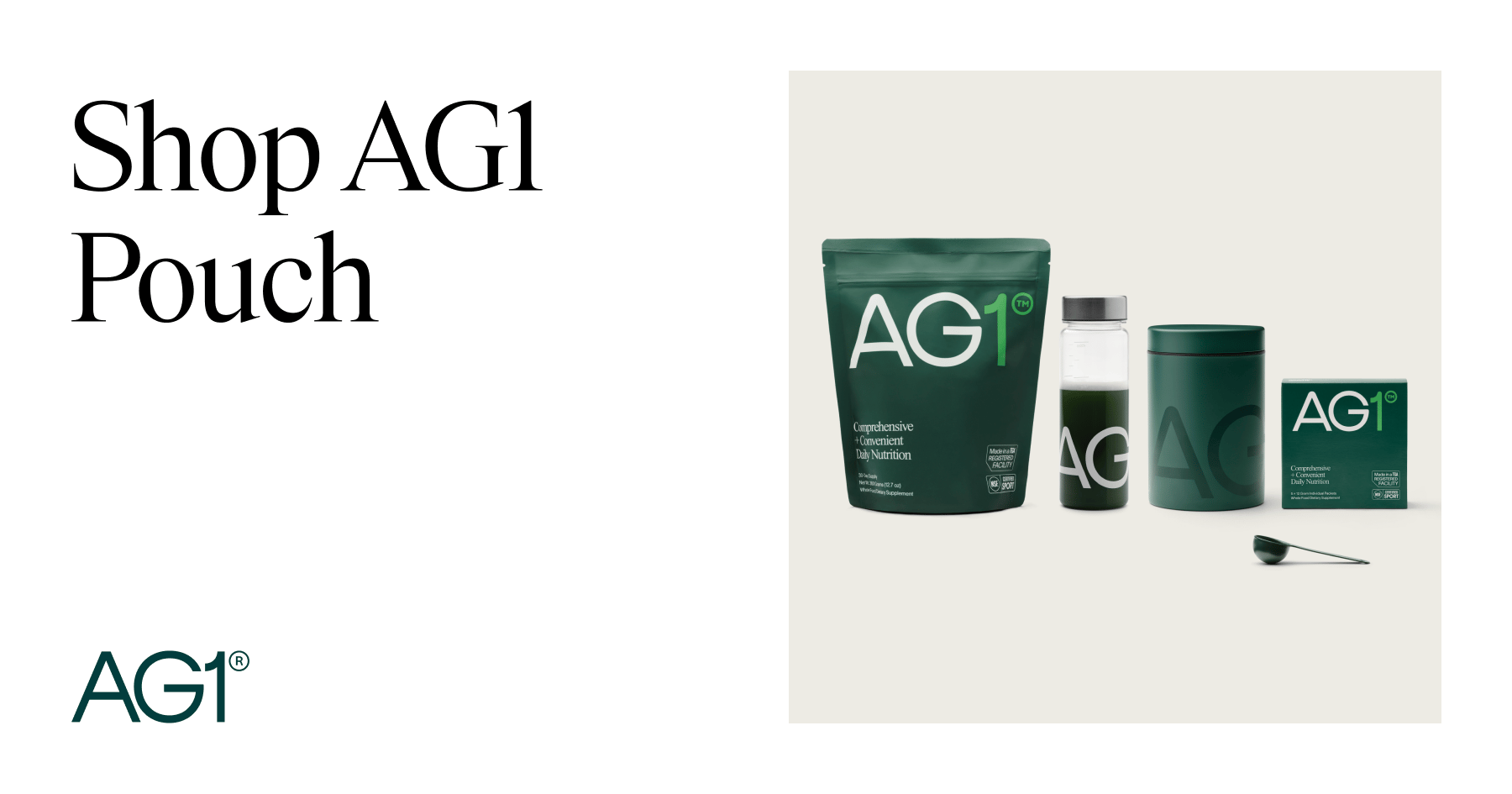
AG1 (Athletic Greens) is the most marketed greens powder in biohacking — 75 ingredients in one scoop. Tim Ferriss and Huberman popularized it as nutritional insurance. This guide breaks down what's actually in greens powders, whether the $80/month price is justified, and how AG1 compares to DIY stacks and whole food.
Health Disclaimer
This content is for general informational and educational purposes only. It is not medical advice, diagnosis, or treatment. Consult a qualified healthcare provider before starting any supplement, peptide, or health protocol. Read our full health disclaimer.
Frequency
Daily
Duration
Ongoing
Level
Beginner
Key Takeaways
- 1Greens powders fill micronutrient gaps but don't replace a varied whole-food diet
- 2AG1 costs $79–99/month — equivalent individual supplements often run $30–50
- 3Probiotic and adaptogen doses in AG1 are often below standalone clinical doses
- 4Best for busy professionals who won't otherwise take 5+ separate supplements
What Are Greens Powders?
Greens powders are dehydrated blends of vegetables, fruits, algae (spirulina, chlorella), probiotics, adaptogens, and synthetic vitamins/minerals mixed into one scoop. AG1 leads the category with 75 ingredients; competitors like Bloom, Amazing Grass, and Thorne's Basic Nutrients offer similar concepts at different price points.
The pitch: one morning ritual replaces a medicine cabinet of separate supplements. The reality: you're paying for convenience and brand trust, not necessarily superior dosing of any single ingredient.
The Science
Moderate EvidenceMicronutrient adequacy: Soil depletion and processed diets leave many adults low in magnesium, vitamin D, zinc, and B vitamins. A broad-spectrum greens powder can raise baseline intake — but a quality multivitamin does similar work at 1/5 the cost.
Probiotics in AG1: Contains Lactobacillus and Bifidobacterium strains, but total CFU counts are often lower than dedicated probiotic products like Seed DS-01. See the probiotics guide for strain-specific dosing.
Adaptogens: AG1 includes ashwagandha and rhodiola at undisclosed doses. Standalone Kion ashwagandha or rhodiola extracts typically deliver higher standardized amounts.
Alkalinity marketing: 'Alkalizing' the body is largely pseudoscience — your blood pH is tightly regulated. Ignore alkaline water and greens powder pH claims.
- ·Useful micronutrient gap-filler for inconsistent diets
- ·Probiotic/adaptogen doses often sub-clinical vs standalone products
- ·No evidence greens powders outperform multivitamin + whole food
- ·Spirulina/chlorella provide phytonutrients hard to get elsewhere
The Protocol
Moderate EvidenceAG1 standard: One scoop in 8–12oz cold water, first thing in the morning on an empty or light stomach. Shake vigorously — texture is gritty. Many add lemon or blend with ice.
Timing: Morning avoids interference with evening magnesium or sleep supplements. Taking with fat (add MCT or eat breakfast after) may improve fat-soluble vitamin absorption.
Alternatives: Thorne Basic Nutrients 2/Day ($30/mo) + separate probiotic + whole food vegetables is the budget stack. AG1 wins on convenience, not necessarily efficacy per dollar.
Who should skip: Anyone already taking a comprehensive multivitamin, eating 5+ servings of vegetables daily, and supplementing D3, omega-3, and magnesium separately.
- ·1 scoop AG1 in cold water, morning
- ·Budget alt: multivitamin + probiotic + real vegetables
- ·Don't double-stack with other multis
- ·Trial 30 days before committing to subscription
What to Expect
Week 1: Taste adjustment is the main hurdle — earthy, grassy, slightly sweet. Digestive changes (more regular BMs) are common as fiber and probiotics kick in.
Week 2–4: Subtle energy and digestion improvements if your baseline diet was micronutrient-poor. No dramatic transformation.
Month 2+: Becomes a habit ritual. Whether benefits persist depends on what gaps the powder was actually filling.
Risks & Considerations
Moderate EvidenceVitamin overlap: If you also take Thorne D3+K2, creatine, and a multivitamin, you may exceed safe upper limits for certain nutrients. Audit total intake.
Heavy metals: Some greens powders (not AG1 specifically) have tested high for lead and arsenic from soil-contaminated ingredients. Choose brands with third-party testing.
Cost: $960+/year is real money. Redirecting even half to whole food, gym membership, or sleep equipment may yield better ROI.
Community Consensus
r/Supplements is split: 'AG1 is overpriced marketing' vs 'it's the one supplement I actually take daily because it's easy.' Huberman uses it; Rhonda Patrick prefers targeted supplementation over greens blends.
Consensus for beginners: AG1 is a fine gateway if budget allows. For optimizers already taking 5+ targeted supplements, it's redundant.
As an Amazon Associate, Reo Tuku Iho Limited earns from qualifying purchases through Amazon links on this site. Full disclosure
For educational purposes only. Not medical advice. Read our health disclaimer.
Continue Reading
 Supplements
Probiotics: Strains, Evidence, and What Actually Works
The probiotic market is a $60B mess of underdosed, poorly studied products. But specific strains with clinical trial data can meaningfully support gut health, immune function, and even mood. This guide cuts through marketing to cover evidence-backed strains, dosing in CFUs, spore vs conventional probiotics, and when testing beats guessing.
Read guide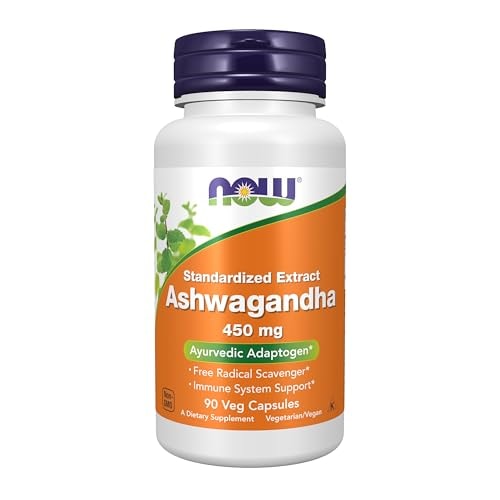 Supplements
Ashwagandha: The Complete Guide
Ashwagandha (Withania somnifera) is the most studied adaptogen in biohacking. Multiple RCTs show cortisol reduction, improved sleep, and modest strength gains. This guide compares KSM-66 and Sensoril extracts, dosing protocols, and important contraindications.
Read guide Supplements
Rhodiola Rosea: The Complete Guide
Rhodiola rosea is a cold-climate adaptogen used for mental stamina, fatigue resistance, and stress buffering. Unlike sedating adaptogens, rhodiola is typically taken in the morning for calm energy. This guide covers SHR-5 and 3% rosavin extracts, dosing, and how it pairs with ashwagandha.
Read guideDiagnostics & TestingGut Microbiome: The Complete Guide
Your gut microbiome, 100 trillion bacteria, influences immunity, mood, metabolism, and inflammation. Bryan Johnson tests his monthly. This guide covers microbiome testing, evidence-based interventions, and what actually moves the needle vs marketing.
Read guide Supplements
Bryan Johnson's Blueprint: The Complete Guide
Bryan Johnson spends ~$2M/year on his 'Don't Die' anti-aging protocol, the most measured human body in history. Blueprint includes 100+ daily supplements, precise sleep/calorie timing, plasma exchange, and relentless biomarker tracking. This guide breaks down what's evidence-based, what's experimental, and what mere mortals can actually adopt.
Read guideLast updated: 2026-07-17 · For informational purposes only. Not medical advice. Consult a healthcare provider before starting any new health protocol. Health disclaimer.