
Cold Exposure: The Complete Guide
Huberman's protocol, Wim Hof method, science, and building the habit
Deliberate cold exposure is one of the most accessible biohacks with measurable effects on norepinephrine, dopamine, metabolism, and mental resilience. This guide breaks down the Huberman protocol (11 min/week), the Wim Hof method, what happens to your body, and how to build a sustainable practice.
Frequency
3–5× per week
Duration
11 min total/week
Level
Intermediate

Key Takeaways
- 1Huberman's minimum effective dose: 11 total minutes per week in uncomfortably cold water
- 22–3 min cold immersion can increase norepinephrine 200–300% and dopamine 250%
- 3The gasp reflex fades within 1–2 weeks, controlled breathing is essential early on
- 4Contrast therapy (sauna + cold) amplifies benefits beyond either alone
Who this is for
- ·Beginners starting with cold showers before buying a plunge
- ·Athletes stacking cold with sauna (contrast therapy)
- ·People wanting dopamine/resilience benefits with a clear weekly dose
What Is Deliberate Cold Exposure?
Deliberate cold exposure means intentionally subjecting your body to cold stress, cold showers, ice baths, cold plunges, or outdoor winter swimming, for physiological benefit rather than comfort. It's distinct from accidentally being cold; the key is voluntary, controlled exposure that triggers adaptive responses.
Unlike many biohacks requiring expensive equipment, cold exposure can start free with a cold shower. The barrier to entry is psychological, not financial, which is partly why it's so widely recommended in the biohacking community.
The Science
Moderate EvidenceCold water immersion activates the sympathetic nervous system dramatically. Research shows 2–3 minutes in 50°F (10°C) water can increase norepinephrine by 200–300% and dopamine by 250%, effects that persist for hours after exiting. This creates alertness, mood elevation, and anti-inflammatory effects without stimulants.
Regular cold exposure increases brown adipose tissue (BAT), thermogenic fat that burns calories to generate heat. It may improve insulin sensitivity and metabolic flexibility. Cold also triggers cold shock proteins analogous to heat shock proteins from sauna.
The psychological component is equally documented: voluntary discomfort builds stress tolerance that transfers to daily life. Military special forces and elite athletes use cold exposure specifically for mental resilience training.
The Protocols
Moderate EvidenceAndrew Huberman's protocol is the most cited in the biohacking community: 11 total minutes per week in water cold enough that you want to get out, but can safely stay in. This can be split across sessions (e.g., 3 min Monday, 4 min Wednesday, 4 min Friday). Temperature target: 50°F or below, or the coldest your shower goes.
The Wim Hof Method adds structured breathing before immersion: 30–40 deep breaths, exhale and hold, then cold exposure. Many users report this reduces the gasp reflex and extends comfortable immersion time.
- ·Huberman: 11 min/week total, uncomfortably cold, split across sessions
- ·Wim Hof: breathing protocol, 2–3 min immersion, repeat
- ·Contrast: sauna 20 min, cold 2–3 min, repeat 2–3 rounds
- ·Morning cold preferred for alertness; avoid late evening (disrupts sleep)
- ·Never alone when starting; enter slowly, breathe controlled
What You'll Experience
Day 1: Gasp reflex, panic, mental 'get me out.' Last 30–60 seconds. Euphoric afterglow within 5 minutes of exiting, this is the dopamine hit that hooks people.
Week 1–2: Gasp reflex diminishes. You learn that the first 30 seconds are the worst. Controlled nasal breathing (4-count in, 4-count out) becomes automatic.
Week 3–8: Cold becomes craved. Morning plunges replace coffee for many. Mood and energy improvements stabilize. Skin tone often improves from increased circulation.
Month 2+: Integrated into recovery stacks. Post-workout cold reduces DOMS. Stacked with sauna for contrast therapy. Mental resilience in unrelated stressful situations noticeably improved.
Risks & Contraindications
Strong EvidenceCold shock can cause hyperventilation and, in rare cases, cardiac events, especially in people with existing heart conditions. Never plunge alone when starting. Enter feet-first, slowly.
Cold dramatically increases blood pressure acutely. Avoid if you have uncontrolled hypertension, heart arrhythmias, or Raynaud's disease. Pregnant women should avoid cold immersion.
Post-workout cold immediately after strength training may blunt hypertrophy signals if done within 4 hours. Endurance athletes benefit from immediate post-exercise cold; lifters should wait.
Community Consensus
r/Biohackers ranks cold exposure as tier-1 alongside sauna and sleep. The most common advice: 'Start with cold showers. Free. Build the habit before buying a plunge tub.'
Plunge tubs ($500–$5,000) vs DIY chest freezer conversions ($200–500) is the main equipment debate. For a structured Plunge vs Ice Barrel comparison, see our dedicated guide. Premium tubs win on convenience and filtration; DIY wins on cost.
Universal sentiment: the first week is brutal, week 3 is transformative, month 3 you can't imagine life without it.
Getting Started, Free to Premium
Level 1 (Free): End your shower with 30 seconds cold. Add 10 seconds daily until you reach 2–3 minutes. This alone delivers meaningful benefits.
Level 2 ($0–100): Ice in a bathtub. 10–20 lbs ice in bath water gets you to 50°F. Messy but effective for testing commitment.
Level 3 ($500–5,000): Dedicated cold plunge with chiller. Worth it if you've maintained a cold shower habit for 4+ weeks and know you'll use it daily. See our Plunge vs Ice Barrel comparison for the chiller vs manual ice decision.
As an Amazon Associate, Reo Tuku Iho Limited earns from qualifying purchases through Amazon links on this site. Full disclosure
Sources
Key references cited in this guide. Links open the original publication or abstract.
- Human physiological responses to cold exposure: Acute responses and acclimatizationAuton Neurosci, 2006
- Adapted cold shower as a potential treatment for depressionMed Hypotheses, 2008
- Post-exercise cold water immersion: a critical review of the literatureEur J Appl Physiol, 2013
Continue Reading
 Heat Therapy
Infrared Sauna: The Complete Guide
Regular sauna use is one of the strongest lifestyle interventions linked to reduced cardiovascular mortality in decades of Finnish research. This guide covers how infrared saunas work, Huberman and Rhonda Patrick's protocols, what you'll actually feel, the risks nobody mentions, and what 10,000+ Reddit users report.
Read guide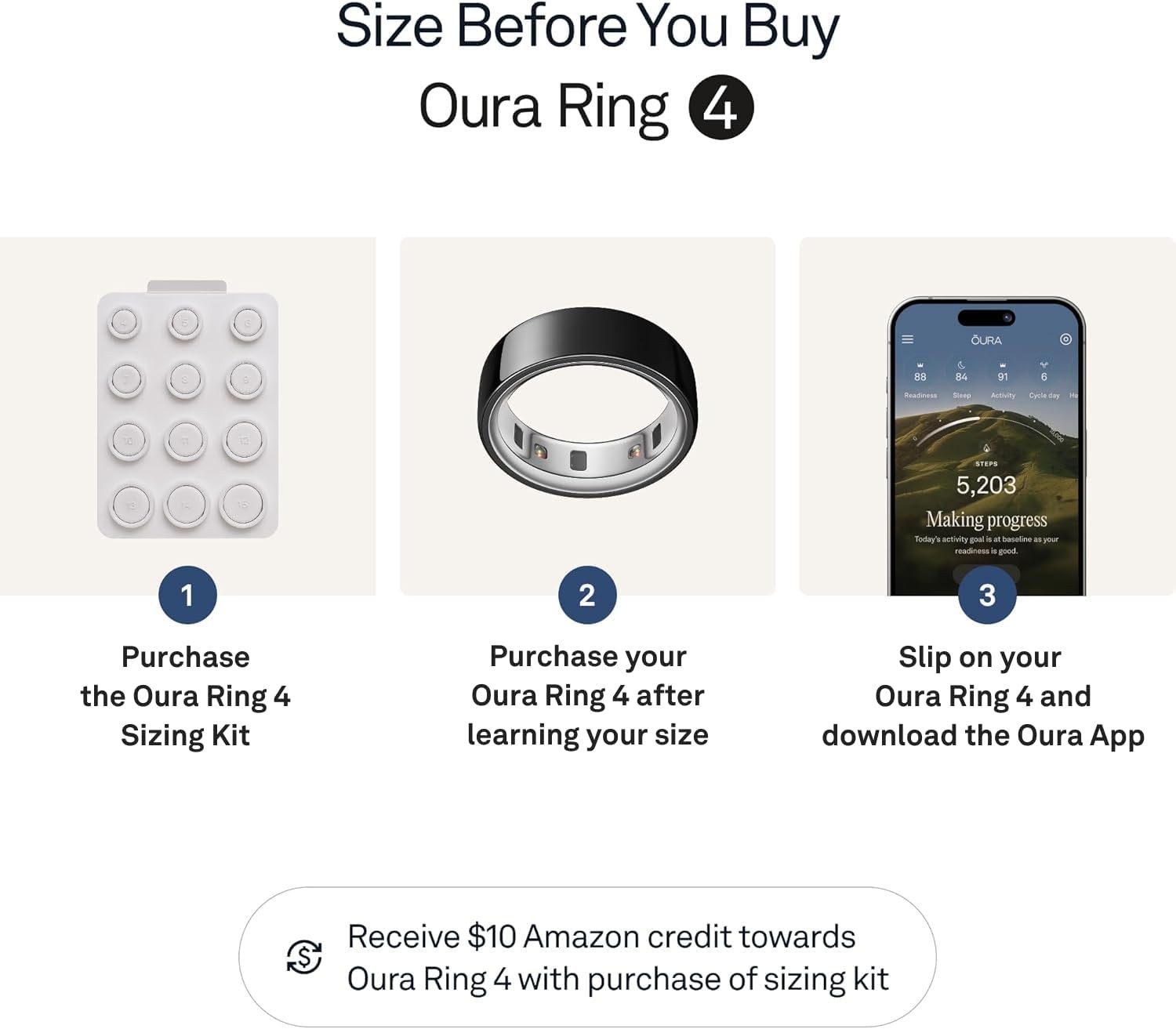 Wearables & Trackers
HRV & Recovery Tracking: The Complete Guide
Heart rate variability (HRV) is the most actionable biometric for biohackers, it tells you when to push hard and when to rest. This guide explains what HRV means, how Oura and WHOOP use it, lifestyle factors that destroy recovery, and how to actually use the data. Ready to buy? See Oura vs WHOOP or Garmin vs Oura vs WHOOP.
Read guide Heat Therapy
Contrast Therapy: The Complete Guide
Contrast therapy alternates heat and cold exposure to drive vascular flushing, reduce inflammation, and amplify recovery benefits beyond either modality alone. Popularized by Finnish sauna culture and modern biohackers like Huberman and Patrick. This guide covers protocols, timing, and equipment options.
Read guide Cold Therapy
Cryotherapy: Whole-Body vs Local, Benefits & Protocols
Whole-body cryotherapy (WBC) promises recovery, inflammation reduction, and mood boosts in 2–3 minute sessions at -200°F. The marketing is ahead of the evidence. This guide compares WBC chambers to ice baths, reviews what research actually shows, covers safety, and helps you decide if $40/session cryo is worth it versus a $5,000 cold plunge at home.
Read guideCold TherapyPlunge vs Ice Barrel: Which Cold Plunge Should You Buy?
Home cold plunges split into two camps: chiller-equipped tubs like the Plunge All-In ($5,000) that hold 39°F without ice, and manual barrels like the Ice Barrel 300 ($1,200) where you add ice each session. Both deliver Huberman's 11 min/week protocol — the difference is convenience, running costs, and whether you'll actually use it daily. For the full science and free-to-premium path, start with our Cold Exposure guide.
Read guide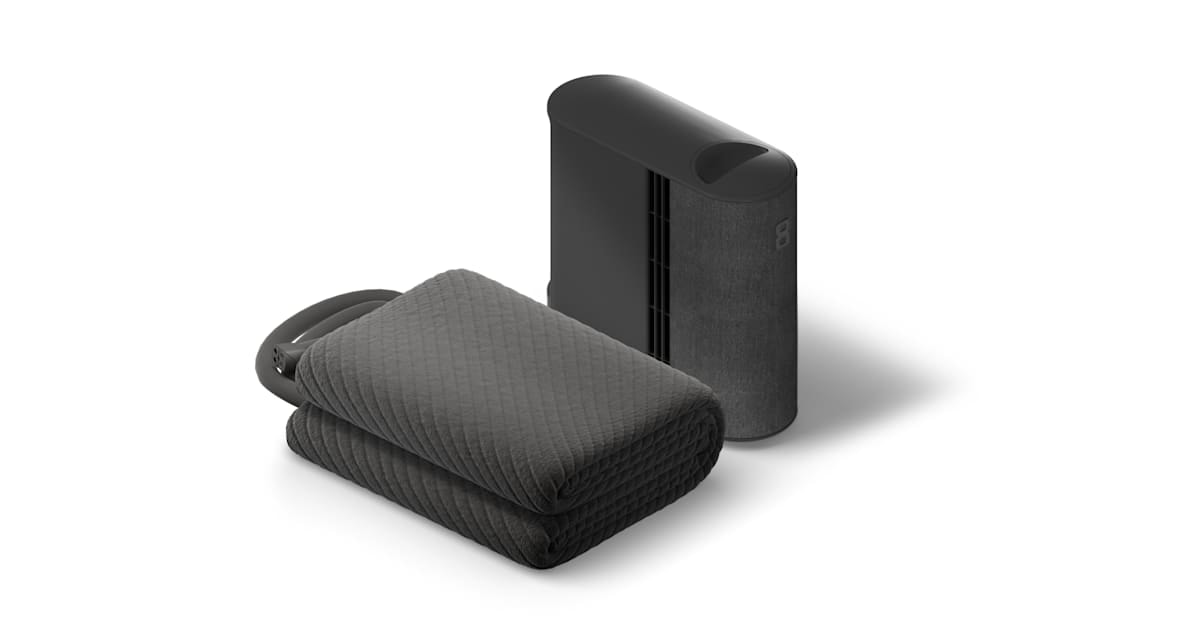 Sleep Optimization
Sleep Optimization: The Complete Guide
Sleep is the foundation every biohacker builds on, Huberman calls it the #1 performance enhancer. This guide covers the science of sleep stages, temperature regulation, light protocols, tracking with wearables, and the complete toolkit for deep restorative sleep.
Read guideLast updated: 2026-07-25 · For informational purposes only. Not medical advice. Consult a healthcare provider before starting any new health protocol. Health disclaimer.