
Infrared Sauna: The Complete Guide
Science, protocols, experience, risks, and what the community actually says
Regular sauna use is one of the strongest lifestyle interventions linked to reduced cardiovascular mortality in decades of Finnish research. This guide covers how infrared saunas work, Huberman and Rhonda Patrick's protocols, what you'll actually feel, the risks nobody mentions, and what 10,000+ Reddit users report.
Frequency
4–7× per week
Duration
20–30 minutes
Level
Beginner

Key Takeaways
- 14–7 sessions per week at 20+ minutes shows the strongest mortality benefit in epidemiological studies
- 2Infrared saunas operate at lower air temps (120–150°F) but still raise core temperature effectively
- 3Hydration and cardiovascular screening matter, this is real physiological stress
- 4Community consensus: benefits are real for consistent users; price and space are the main barriers
Who this is for
- ·People ready to commit to 4+ sessions per week for cardiovascular longevity
- ·Those comparing cabin saunas vs sauna blankets before a big purchase
- ·Contrast-therapy users stacking heat with cold exposure
- ·Anyone who can't tolerate traditional 180°F+ Finnish saunas
What Is Infrared Sauna?
Infrared saunas use light wavelengths, near, mid, and far infrared, to heat your body directly rather than heating the air around you. Traditional Finnish saunas run at 180–200°F and heat the room; infrared cabins typically operate at 120–150°F while still inducing profuse sweating through deep tissue penetration.
The distinction matters for comfort and accessibility. Many people who can't tolerate traditional sauna heat find infrared tolerable for longer sessions. Full-spectrum infrared (near + mid + far) is considered the gold standard because different wavelengths penetrate to different tissue depths.
The Science, Why It Works
Strong EvidenceHeat exposure triggers hormesis, a beneficial adaptive stress response. Your body responds to thermal stress by activating heat shock proteins (HSPs), which repair misfolded proteins and support cellular resilience. This is a core mechanism in longevity science.
Cardiovascularly, sauna mimics moderate aerobic exercise. Heart rate increases 100–150%, plasma volume expands, and blood vessels dilate. A landmark 2015 study following 2,315 Finnish men over 20 years found that 4–7 sauna sessions per week was associated with a 50% reduction in cardiovascular mortality compared to once-weekly use.
Regular sauna also increases growth hormone (up to 16-fold in some studies), brain-derived neurotrophic factor (BDNF), and improves endothelial function. Sweating may facilitate excretion of heavy metals, lead, mercury, cadmium, though the clinical significance of sweat-mediated detox is still debated.
The Protocol, What Huberman & Patrick Recommend
Strong EvidenceDr. Andrew Huberman recommends a minimum of 4 sessions per week, 20+ minutes each, at temperatures that feel uncomfortably hot but safe. For infrared, that's typically 140°F+ (60°C+). Dr. Rhonda Patrick, who has extensively reviewed sauna literature on FoundMyFitness, emphasizes frequency over intensity, consistent moderate exposure beats occasional extreme sessions.
The most powerful stack in the biohacking community is contrast therapy: sauna for 20 minutes, then cold plunge for 2–3 minutes, repeated for 2–3 rounds. This amplifies norepinephrine release and cardiovascular conditioning beyond either modality alone.
- ·Minimum effective dose: 4 sessions/week, 20 min each
- ·Target temperature: 140°F+ for infrared; 174°F+ for traditional
- ·Best timing: post-workout or 2+ hours before bed
- ·Always hydrate: 16–32oz water before and after, add electrolytes
- ·Contrast stack: sauna, cold, sauna, cold (2–3 rounds)
What You'll Actually Experience
Session 1: You'll sweat profusely within 10–15 minutes despite the moderate air temperature. Post-session euphoria from endorphin release is common. You may sleep exceptionally well that night.
Weeks 1–4: Heat tolerance improves rapidly. Many users report reduced joint stiffness, faster workout recovery, and clearer skin. HRV on rest days often trends upward if tracked with Oura or WHOOP.
Months 2+: Sauna becomes non-negotiable for serious users. The cardiovascular adaptations are cumulative, resting heart rate often decreases 5–10 bpm over 6 months of regular use. Travel without sauna access is frequently cited as a major downside.
Risks & Who Should Avoid
Dehydration is the most immediate risk. Sauna-induced sweating can exceed 1 liter per session. Never sauna without hydrating before and after.
Cardiovascular stress is significant. If you have uncontrolled hypertension, heart disease, or are pregnant, consult your doctor before starting. Heat dramatically increases heart rate and blood pressure acutely.
Cheap infrared saunas may off-gas VOCs from toxic glues and treat wood with chemicals. EMF emissions vary widely, look for verified low-EMF panels if using daily. Budget cabin saunas with poor ventilation can develop mold.
- ·Avoid if pregnant or with uncontrolled heart conditions
- ·Never sauna alone if new to heat exposure
- ·Watch for dizziness, nausea, exit immediately if present
- ·Verify low-EMF and non-toxic materials for home units
What the Community Says
Reddit r/Sauna and r/Biohackers consistently rank sauna as a top-3 ROI biohacking intervention alongside sleep optimization and exercise. The most common sentiment: 'I wish I'd started sooner.'
Main debates: infrared vs traditional (traditional has more epidemiological data; infrared is more accessible), full cabin vs blanket (blanket is 80% of the sweat at 10% of the cost), and whether daily use is necessary vs 4× weekly.
Common complaints: upfront cost ($3,500–$12,000 for premium cabins), space requirements, and electricity costs. Gym sauna memberships are frequently recommended as a starting point before home investment.
How to Get Started
Start with what you have access to. Gym sauna memberships, public bathhouses, or even a hot bath at 104°F+ can begin building heat tolerance before investing in home equipment.
If buying home equipment: test with a sauna blanket ($500–700) before committing to a $5,000+ cabin. If you'll use it 4+ times per week for a year, the cabin ROI becomes clear. If unsure, the blanket is the smart entry point.
Track your response. Use an Oura Ring or WHOOP to monitor HRV trends on sauna days vs rest days. Resting heart rate decreasing over months is a positive signal of cardiovascular adaptation.
As an Amazon Associate, Reo Tuku Iho Limited earns from qualifying purchases through Amazon links on this site. Full disclosure
Sources
Key references cited in this guide. Links open the original publication or abstract.
- Association between sauna bathing and fatal cardiovascular and all-cause mortality eventsJAMA Intern Med, 2015
- Sauna bathing is inversely associated with dementia and Alzheimer's disease in middle-aged Finnish menAge Ageing, 2017
- Effects of heat and cold on health, with special reference to Finnish sauna bathingAm J Physiol Regul Integr Comp Physiol, 2018
Continue Reading
 Cold Therapy
Cold Exposure: The Complete Guide
Deliberate cold exposure is one of the most accessible biohacks with measurable effects on norepinephrine, dopamine, metabolism, and mental resilience. This guide breaks down the Huberman protocol (11 min/week), the Wim Hof method, what happens to your body, and how to build a sustainable practice.
Read guide Heat Therapy
Contrast Therapy: The Complete Guide
Contrast therapy alternates heat and cold exposure to drive vascular flushing, reduce inflammation, and amplify recovery benefits beyond either modality alone. Popularized by Finnish sauna culture and modern biohackers like Huberman and Patrick. This guide covers protocols, timing, and equipment options.
Read guideHeat TherapyInfrared Sauna Blanket: The Complete Guide
Sauna blankets deliver far-infrared heat in a zip-up cocoon — smaller footprint and lower price than a cabin sauna. They are the entry point for heat biohackers in apartments. This guide compares blankets to traditional infrared saunas, session protocols, and safety limits.
Read guide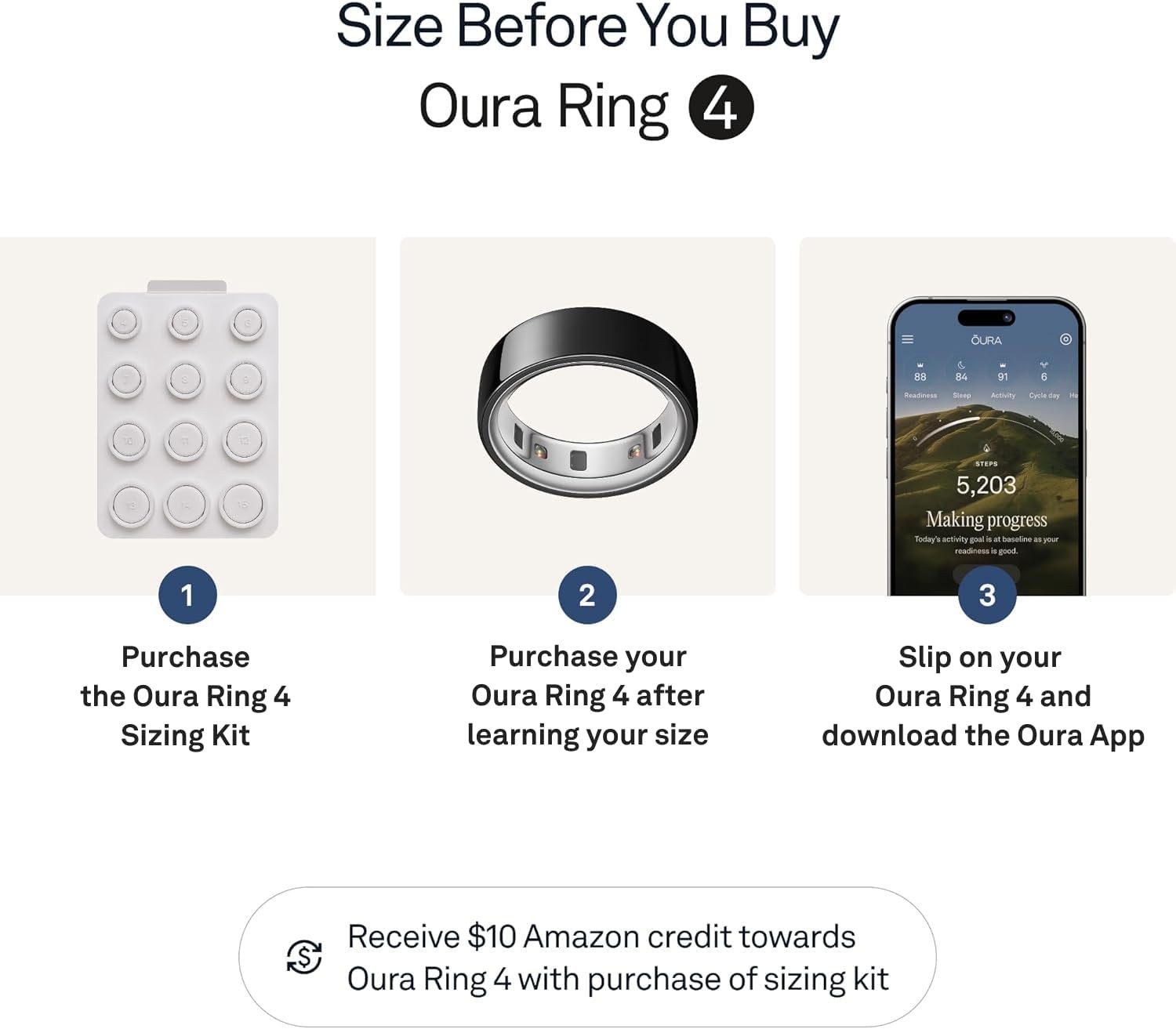 Wearables & Trackers
HRV & Recovery Tracking: The Complete Guide
Heart rate variability (HRV) is the most actionable biometric for biohackers, it tells you when to push hard and when to rest. This guide explains what HRV means, how Oura and WHOOP use it, lifestyle factors that destroy recovery, and how to actually use the data. Ready to buy? See Oura vs WHOOP or Garmin vs Oura vs WHOOP.
Read guide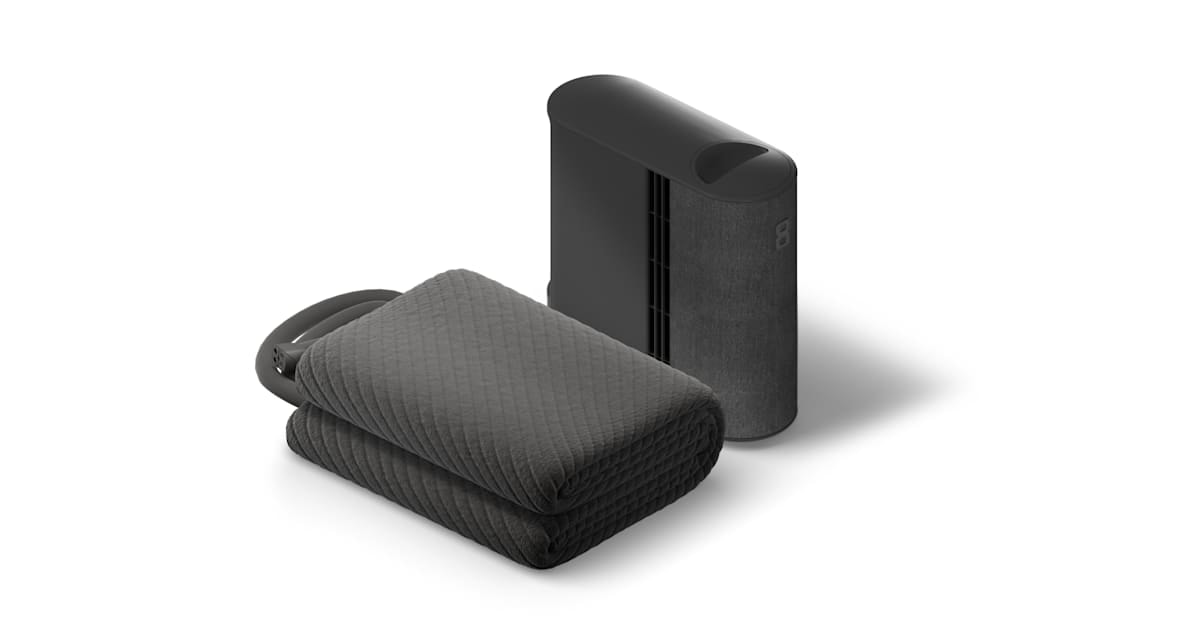 Sleep Optimization
Sleep Optimization: The Complete Guide
Sleep is the foundation every biohacker builds on, Huberman calls it the #1 performance enhancer. This guide covers the science of sleep stages, temperature regulation, light protocols, tracking with wearables, and the complete toolkit for deep restorative sleep.
Read guide Light Therapy
Red Light Therapy: The Complete Guide
Red and near-infrared light therapy (photobiomodulation) uses specific wavelengths to enhance mitochondrial function, accelerate recovery, and support skin health. This guide explains the science, optimal wavelengths, daily protocols, and how to evaluate the crowded device market.
Read guideLight TherapyBest Red Light Therapy Panel for Home Use: A Biohacker's Buying Guide
Red light therapy (photobiomodulation) panels range from $150 travel-size units to $2,000+ full-body clinical panels, and price alone tells you almost nothing about effectiveness. What actually matters is irradiance at a realistic treatment distance, wavelength accuracy at 630–670nm (red) and 810–850nm (near-infrared), and whether the company publishes third-party testing. This guide compares Joovv's Elite panel, Hooga's budget-friendly HG panel, Mito Red's Mitopro line, and CurrentBody's LED mask for facial use, then breaks down how to choose based on your goals and budget. New to the science? Start with our Red Light Therapy complete guide.
Read guide Supplements
NAD+ & Longevity: The Complete Guide
NAD+ is one of the most critical molecules in human biology, essential for energy, DNA repair, and activating longevity pathways. Levels decline ~50% between ages 40–60. This guide explains what NAD+ does, whether supplementation works, NR vs NMN debate, and how to test your levels.
Read guideWearables & TrackersOura Ring vs WHOOP (2026): Ring vs Band, Cost & Which to Buy
Oura and WHOOP are the two wearables biohackers debate most. Oura excels at passive sleep staging and HRV detail in an unobtrusive ring. WHOOP excels at training load management with its strain/recovery loop. This guide compares accuracy, pricing, use cases, and who should buy which. Considering Garmin too? See Garmin Fenix vs Oura vs WHOOP.
Read guideLast updated: 2026-07-25 · For informational purposes only. Not medical advice. Consult a healthcare provider before starting any new health protocol. Health disclaimer.