
HRV & Recovery Tracking: The Complete Guide
Understanding heart rate variability and training your recovery
Heart rate variability (HRV) is the most actionable biometric for biohackers, it tells you when to push hard and when to rest. This guide explains what HRV means, how Oura and WHOOP use it, lifestyle factors that destroy recovery, and how to actually use the data. Ready to buy? See Oura vs WHOOP or Garmin vs Oura vs WHOOP.
Frequency
Daily monitoring
Duration
Ongoing
Level
Beginner
Key Takeaways
- 1Higher HRV relative to YOUR baseline = better recovery and readiness
- 2Alcohol is the #1 HRV destroyer, even one drink can suppress HRV 24–48 hours
- 3Track trends over weeks, not individual readings, one bad night means nothing
- 4Oura excels at sleep/HRV detail; WHOOP excels at strain/recovery balance
Who this is for
- ·Athletes and high-stress professionals deciding when to train vs rest
- ·New wearable owners who stare at scores without knowing what to change
- ·People whose recovery is tanked by alcohol, late meals, or poor sleep
- ·Shoppers narrowing Oura vs WHOOP vs Garmin after learning HRV basics
What Is HRV?
Strong EvidenceHeart rate variability measures the variation in time between consecutive heartbeats, measured in milliseconds. Counterintuitively, MORE variation is better. High HRV indicates your autonomic nervous system is responsive and balanced between sympathetic (fight/flight) and parasympathetic (rest/digest) states.
Low HRV indicates stress, overtraining, illness, poor sleep, or chronic inflammation. Athletes use HRV to periodize training: push hard when HRV is high (green), rest when it's suppressed (red).
HRV is highly individual, comparing your 45ms to someone's 80ms is meaningless. What matters is YOUR trend relative to YOUR baseline established over 2–4 weeks.
Oura vs WHOOP vs Apple Watch
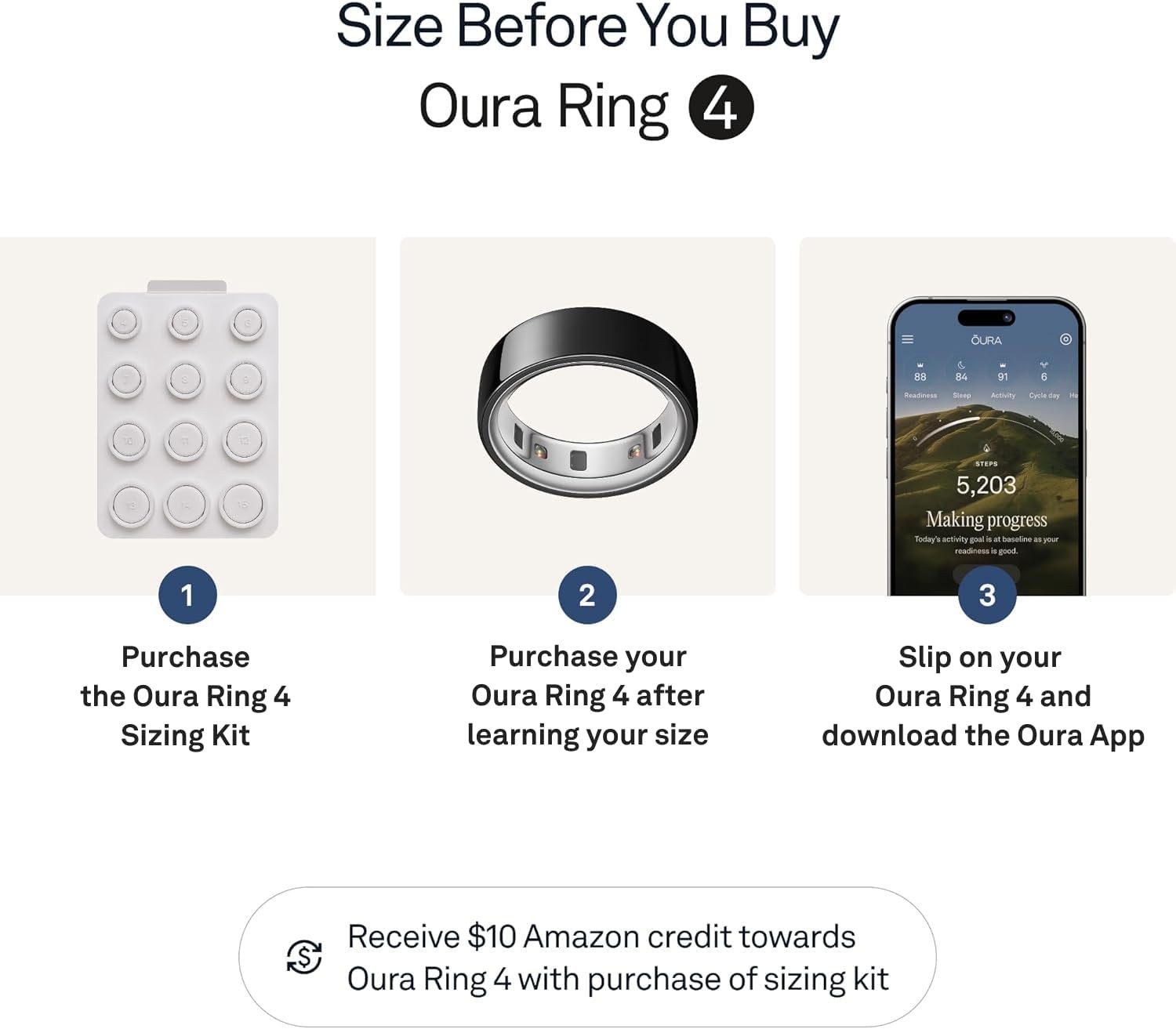
Oura Ring Gen 4: Best sleep staging and HRV accuracy in a ring form factor. Readiness score combines HRV, temperature, and sleep. $350 + $6/mo subscription. Best for sleep-focused optimizers.
WHOOP 4.0: Best strain/recovery balance. Recovery score drives training decisions. Screenless wristband. Free device + $30/mo. Best for athletes managing training load.
Apple Watch: Decent HRV tracking but less sophisticated scoring. Good enough for casual monitoring if you already own one. Not purpose-built for biohacking.
Many serious biohackers own both Oura and WHOOP, Oura for sleep detail, WHOOP for training decisions.
What Destroys HRV
Alcohol is the #1 HRV killer. Even one drink can suppress HRV for 24–48 hours. Two drinks can tank your Readiness score for 2 days. If you track HRV, you'll quit or drastically reduce alcohol, the data makes it undeniable.
Other major suppressors: late meals (within 3 hours of bed), poor sleep (<7 hours), overtraining, illness (often detected 1–2 days before symptoms via temperature + HRV), chronic stress, and dehydration.
HRV boosters: morning sunlight, consistent sleep schedule, zone 2 cardio, meditation/breathing exercises, magnesium supplementation, and sauna (paradoxically, heat stress followed by recovery elevates HRV over time).
- ·Alcohol: #1 HRV destroyer, data makes this undeniable
- ·Late meals within 3 hours of bed suppress deep sleep and HRV
- ·Overtraining shows as declining HRV trend over 1–2 weeks
- ·Illness detected 1–2 days early via HRV + temperature deviation
- ·Morning sunlight and consistent sleep schedule boost HRV
How to Actually Use the Data
Don't check scores obsessively, data anxiety worsens sleep paradoxically. Check your Readiness/Recovery score in the morning, adjust your day accordingly, then live your life.
Green/high recovery: schedule hard workouts, important meetings, and challenging tasks. Yellow/moderate: normal training, business as usual. Red/low: active recovery, walking, stretching, early bedtime. Never ignore red days.
Journal correlations in your app. After 30 days, you'll have a personal playbook: 'Wine destroys my HRV for 2 days,' 'Morning runs boost next-day readiness,' 'Less than 6.5 hours sleep = automatic red.'
Community Consensus
Universal r/Biohackers advice: 'Buy an Oura or WHOOP as your first biohacking purchase. The awareness alone improves sleep 15–20%.'
Oura vs WHOOP debate never ends. Practical answer: ring if you hate wrist wearables and prioritize sleep; WHOOP if you're an athlete managing training load. Both work.
Most common regret: not buying sooner. Most common mistake: obsessing over daily scores instead of weekly trends.
As an Amazon Associate, Reo Tuku Iho Limited earns from qualifying purchases through Amazon links on this site. Full disclosure
Sources
Key references cited in this guide. Links open the original publication or abstract.
- Heart Rate Variability in Psychology: A Review of HRV Indices and an Analysis TutorialSensors, 2021
- An Overview of Heart Rate Variability Metrics and NormsFront Public Health, 2017
- Accuracy of Consumer Wearable Heart Rate Measurement During an Ecologically Valid 24-Hour PeriodJMIR Mhealth Uhealth, 2019
Continue Reading
Wearables & TrackersOura Ring vs WHOOP (2026): Ring vs Band, Cost & Which to Buy
Oura and WHOOP are the two wearables biohackers debate most. Oura excels at passive sleep staging and HRV detail in an unobtrusive ring. WHOOP excels at training load management with its strain/recovery loop. This guide compares accuracy, pricing, use cases, and who should buy which. Considering Garmin too? See Garmin Fenix vs Oura vs WHOOP.
Read guide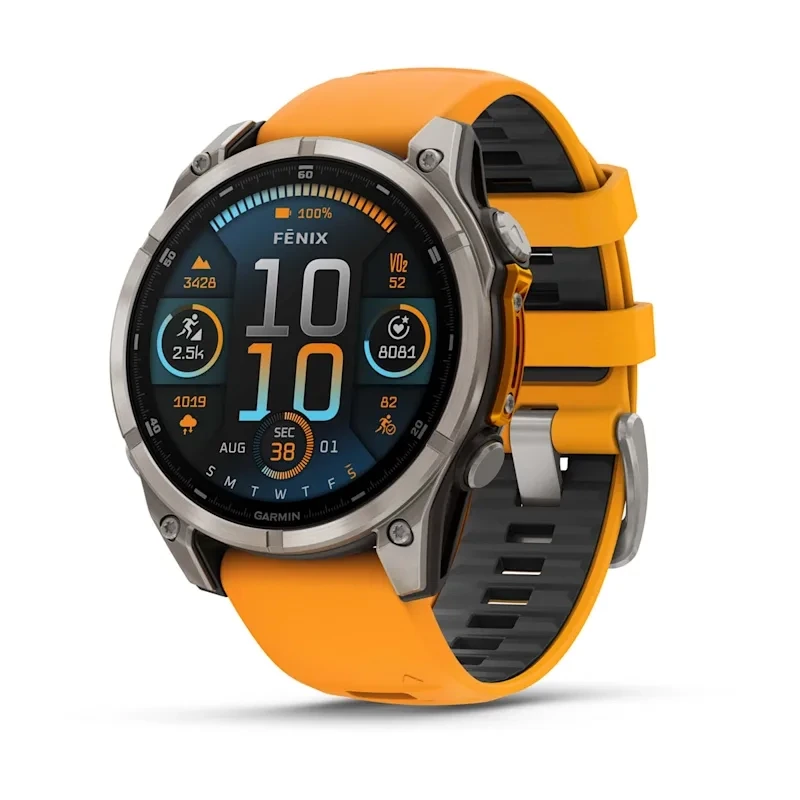 Wearables & Trackers
Garmin Fenix 8 vs Oura vs WHOOP: Which Tracker?
This page compares the Garmin Fenix 8 with Oura and WHOOP. It is not a Fenix 9 Pro review — if a listing says Fenix 9 Pro, the specs below do not apply to it. Fenix 8 is a GPS multisport watch. Oura is a passive sleep ring. WHOOP is a screenless strain band. The [Oura Ring 4 review](/equipment/oura-ring-gen4) covers price and the membership on its own. Narrowed to ring vs band only? See [Oura vs WHOOP](/guides/oura-vs-whoop).
Read guide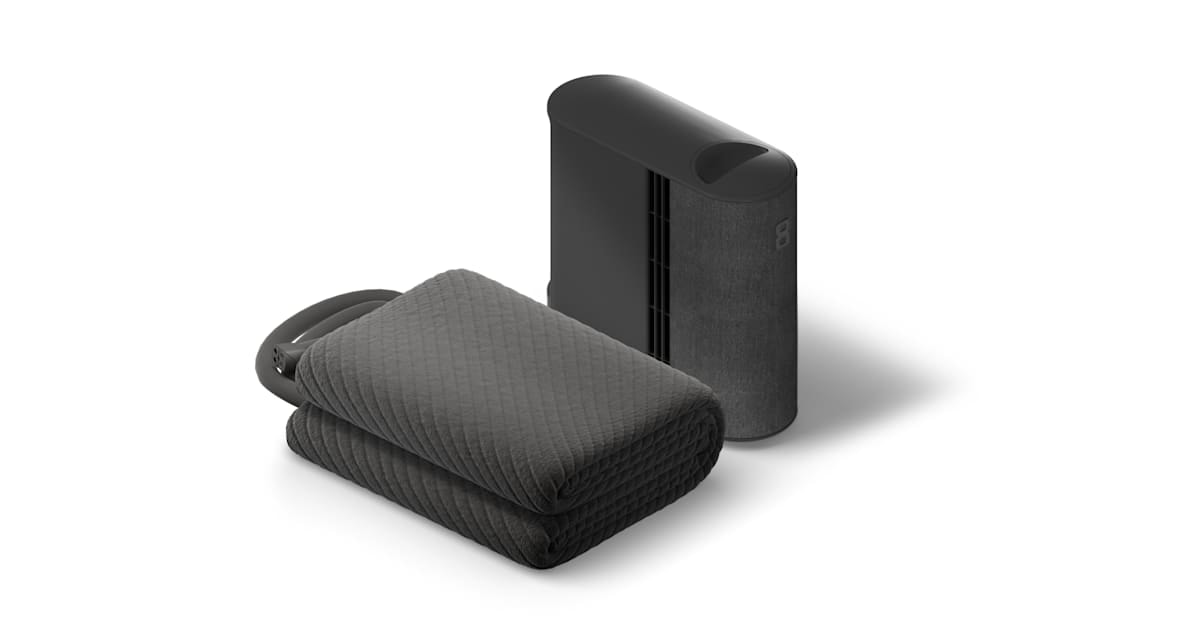 Sleep Optimization
Sleep Optimization: The Complete Guide
Sleep is the foundation every biohacker builds on, Huberman calls it the #1 performance enhancer. This guide covers the science of sleep stages, temperature regulation, light protocols, tracking with wearables, and the complete toolkit for deep restorative sleep.
Read guide Cold Therapy
Cold Exposure: The Complete Guide
Deliberate cold exposure is one of the most accessible biohacks with measurable effects on norepinephrine, dopamine, metabolism, and mental resilience. This guide breaks down the Huberman protocol (11 min/week), the Wim Hof method, what happens to your body, and how to build a sustainable practice.
Read guide Cognitive Enhancement
Vagus Nerve Stimulation: The Complete Guide
The vagus nerve is the master regulator of your parasympathetic nervous system, controlling heart rate, digestion, inflammation, and emotional regulation. Dave Asprey calls vagus nerve toning essential for stress resilience. This guide covers natural stimulation techniques and clinical devices.
Read guide Wearables & Trackers
Zone 2 Heart Rate Chart: Attia Targets by Age
Peter Attia does not publish a single official zone 2 heart rate chart. He uses a talk test, and in a lab a lactate reading near 2 mmol/L. The chart below is the practical substitute: a Maffetone ceiling of 180 minus age, next to 60–70% of estimated max heart rate. Stay under the ceiling only if you can still speak in full sentences, for 3–4 hours a week.
Read guide Heat Therapy
Infrared Sauna: The Complete Guide
Regular sauna use is one of the strongest lifestyle interventions linked to reduced cardiovascular mortality in decades of Finnish research. This guide covers how infrared saunas work, Huberman and Rhonda Patrick's protocols, what you'll actually feel, the risks nobody mentions, and what 10,000+ Reddit users report.
Read guide Supplements
Magnesium: The Complete Guide
Up to 50% of adults may not meet optimal magnesium intake. It's involved in 300+ enzymatic reactions, sleep, muscle recovery, stress, and heart rhythm all depend on it. This guide breaks down which form to take, when, and how much.
Read guide Supplements
Bryan Johnson's Blueprint: The Complete Guide
Bryan Johnson spends ~$2M/year on his 'Don't Die' anti-aging protocol, the most measured human body in history. Blueprint includes 100+ daily supplements, precise sleep/calorie timing, plasma exchange, and relentless biomarker tracking. This guide breaks down what's evidence-based, what's experimental, and what mere mortals can actually adopt.
Read guideLast updated: 2026-07-25 · For informational purposes only. Not medical advice. Consult a healthcare provider before starting any new health protocol. Health disclaimer.