
Continuous Glucose Monitoring: The Complete Guide
Personalized nutrition through real-time blood sugar data
A continuous glucose monitor (CGM) reveals how YOUR body responds to food in real-time, not population averages. Dave Asprey calls it the most impactful health tool he's used. This guide covers how CGMs work, what you'll learn, and how to use the data to optimize energy, weight, and long-term metabolic health.
Frequency
14-day sensor cycles
Duration
1–3 months initial learning
Level
Beginner

Key Takeaways
- 1Identical foods spike glucose differently in different people, personalization is the point
- 2Post-meal walks reduce glucose spikes by 30–50%, free and immediately actionable
- 3Stable glucose (70–110 mg/dL) correlates with stable energy, mood, and focus
- 4One month of CGM use typically provides enough data to permanently change eating habits
Who this is for
- ·Non-diabetics who want personalized food response data
- ·People stuck on energy crashes or stubborn weight despite 'healthy' eating
- ·Readers pairing CGM insights with blood panels and berberine/IF protocols
What Is a CGM?
A continuous glucose monitor is a small sensor worn on your arm that measures glucose in interstitial fluid every 1–5 minutes, streaming data to your phone. Unlike finger-prick tests that give one snapshot, CGMs reveal the complete glucose curve after every meal, workout, and night of sleep.
Originally developed for diabetics, CGMs are now used by biohackers and health optimizers to understand metabolic health before disease develops. Levels, Nutrisense, and Signos wrap medical-grade sensors in apps that score meals and track trends.
Why Glucose Stability Matters
Strong EvidenceGlucose spikes above 140 mg/dL trigger insulin release, inflammation, and oxidative stress, even in non-diabetics. Over years, repeated spikes drive insulin resistance, weight gain, brain fog, and increased disease risk.
The counterintuitive finding from CGM data: many 'healthy' foods spike glucose hard in specific individuals. Oatmeal, grapes, sushi rice, and green smoothies are common surprises. Meanwhile, some 'unhealthy' foods produce flat responses in certain people.
Stable glucose (rarely exceeding 110 mg/dL post-meal) correlates with stable energy, better focus, reduced cravings, and easier weight management, without calorie counting.
What You'll Learn in 30 Days
Your personal spike foods, the surprises are the value. Most users discover 3–5 'healthy' foods they should avoid and 3–5 foods they can eat freely.
Behavioral hacks that work: walking 10 min after meals (30–50% spike reduction), eating vegetables and protein before carbs (blunts spike), apple cider vinegar before meals (modest reduction), and avoiding naked carbs without fat/protein.
Sleep and stress impact: one bad night of sleep can increase next-day glucose spikes by 20–30%. Stress hormones directly raise blood sugar.
- ·Walk 10 min after meals, biggest free hack
- ·Eat veggies/protein first, carbs last
- ·Target: stay below 110 mg/dL post-meal
- ·Track sleep quality correlation with next-day glucose
- ·One month is enough to learn your personal triggers
Community Wisdom
r/Levels and r/Biohackers consensus: CGM is the single most behavior-changing health tool. Users permanently alter diets after one 14-day sensor cycle.
Cost debate: Levels ($199/mo) vs Stelo ($99/mo OTC Abbott sensor) vs Dexcom. Stelo is the budget entry; Levels has the best app UX. Most recommend 1–3 months then intermittent check-ins.
Dave Asprey's advice: 'Everyone should wear a CGM for at least one month. You'll never look at food the same way.' Pair CGM data with blood panels (see Blood Panel Testing) and metabolic supplements like berberine for glucose control.
As an Amazon Associate, Reo Tuku Iho Limited earns from qualifying purchases through Amazon links on this site. Full disclosure
Sources
Key references cited in this guide. Links open the original publication or abstract.
- Continuous Glucose Monitoring: A Review of Successes, Challenges, and OpportunitiesDiabetes Technol Ther, 2016
- Use of Continuous Glucose Monitoring in Non-Diabetic Populations: A Narrative ReviewDiabetes Ther, 2022
- Postprandial glucose spikes, an important contributor to cardiovascular risk in type 2 diabetes?Diabetes Obes Metab, 2006
Continue Reading
 Supplements
NAD+ & Longevity: The Complete Guide
NAD+ is one of the most critical molecules in human biology, essential for energy, DNA repair, and activating longevity pathways. Levels decline ~50% between ages 40–60. This guide explains what NAD+ does, whether supplementation works, NR vs NMN debate, and how to test your levels.
Read guide Wearables & Trackers
Glucose Spike Control: The Complete Guide
Glucose spikes after meals drive inflammation and metabolic stress — even in non-diabetics. CGM culture made this visible. This guide covers behavioral hacks (walk, fiber first, vinegar), when berberine fits, and how to use a monitor without ruining your relationship with food.
Read guide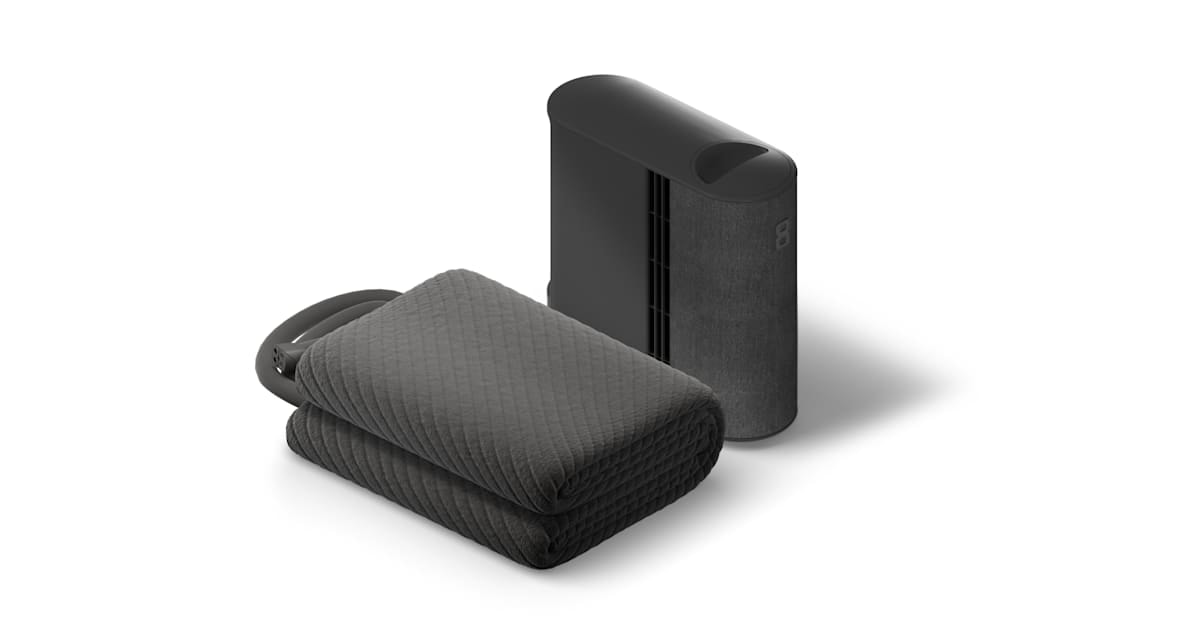 Sleep Optimization
Sleep Optimization: The Complete Guide
Sleep is the foundation every biohacker builds on, Huberman calls it the #1 performance enhancer. This guide covers the science of sleep stages, temperature regulation, light protocols, tracking with wearables, and the complete toolkit for deep restorative sleep.
Read guide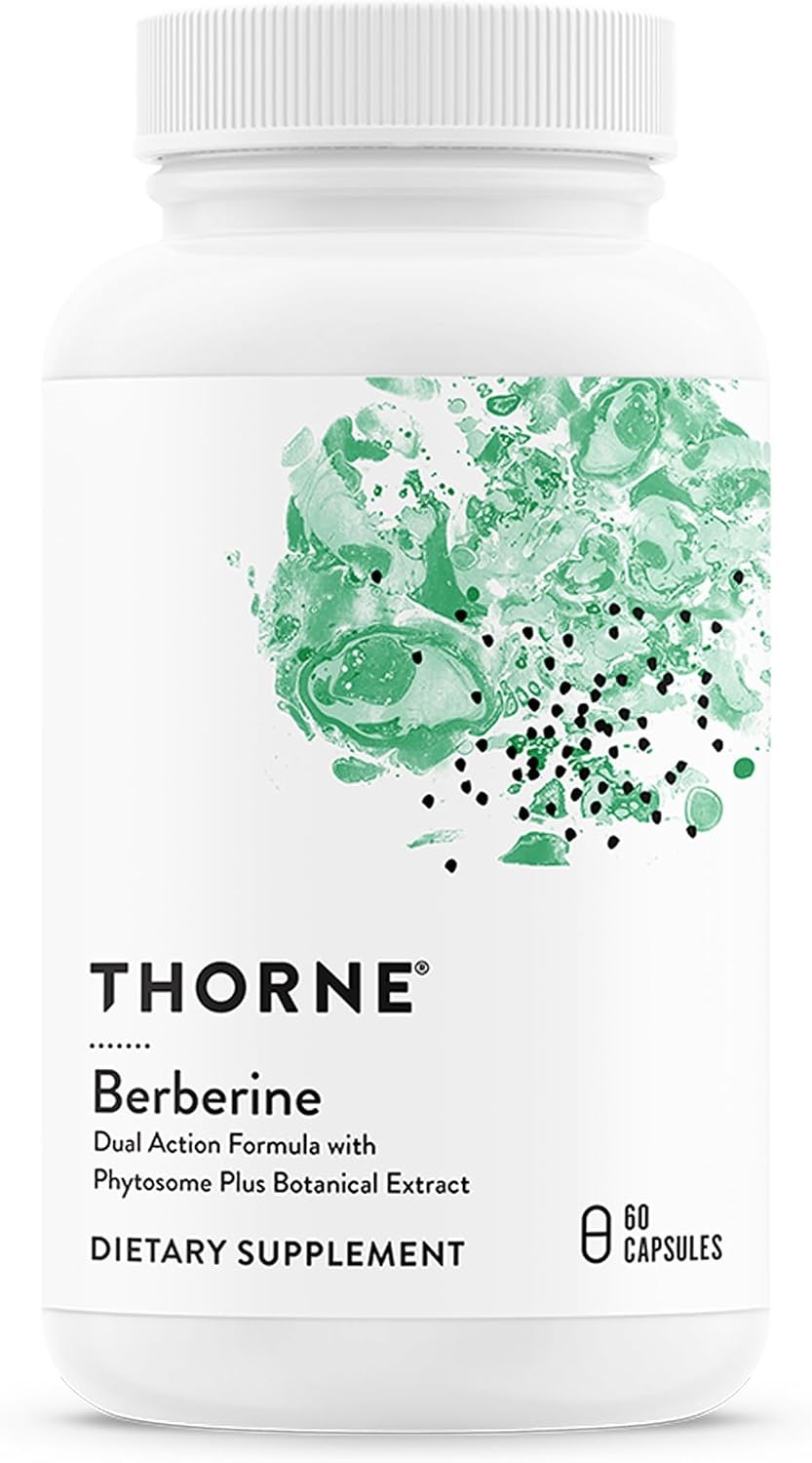 Supplements
Berberine: The Complete Guide
Berberine is a plant alkaloid that activates AMPK and lowers blood glucose comparably to metformin in some trials. Biohackers use it for metabolic health, CGM optimization, and longevity signaling. This guide covers 500mg dosing, GI side effects, and CGM pairing.
Read guideSupplementsIntermittent Fasting: The Complete Guide
Intermittent fasting (IF) is one of the most practiced biohacks worldwide, popularized by Dave Asprey's Bulletproof approach and validated by decades of metabolic research. This guide covers 16:8 vs OMAD, ketosis timing, autophagy windows, and who should avoid fasting.
Read guide Diagnostics & Testing
Blood Panel Testing: The Complete Guide
Annual bloodwork is the foundation of data-driven biohacking. Peter Attia's framework prioritizes ApoB, insulin, HbA1c, and inflammatory markers over standard lipid panels. This guide covers what to test, how often, where to order, and how to interpret results.
Read guide Diagnostics & Testing
Gut Microbiome: The Complete Guide
Your gut microbiome, 100 trillion bacteria, influences immunity, mood, metabolism, and inflammation. Bryan Johnson tests his monthly. This guide covers microbiome testing, evidence-based interventions, and what actually moves the needle vs marketing.
Read guide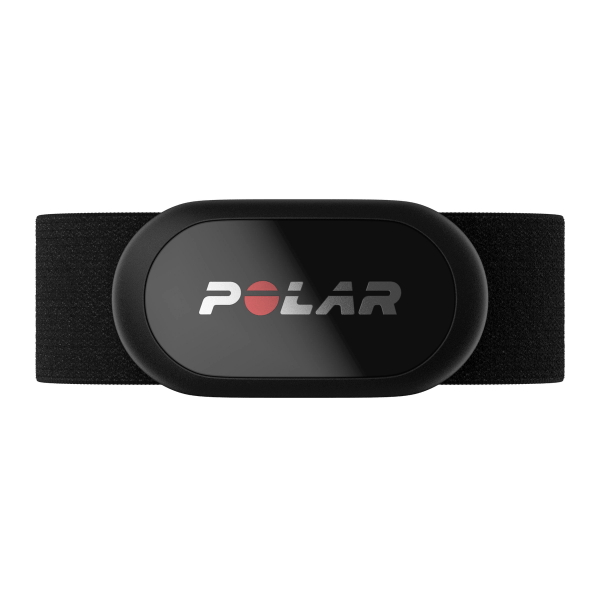 Wearables & Trackers
Zone 2 Heart Rate Chart: Attia Targets by Age
Peter Attia does not publish a single official zone 2 heart rate chart. He uses a talk test, and in a lab a lactate reading near 2 mmol/L. The chart below is the practical substitute: a Maffetone ceiling of 180 minus age, next to 60–70% of estimated max heart rate. Stay under the ceiling only if you can still speak in full sentences, for 3–4 hours a week.
Read guide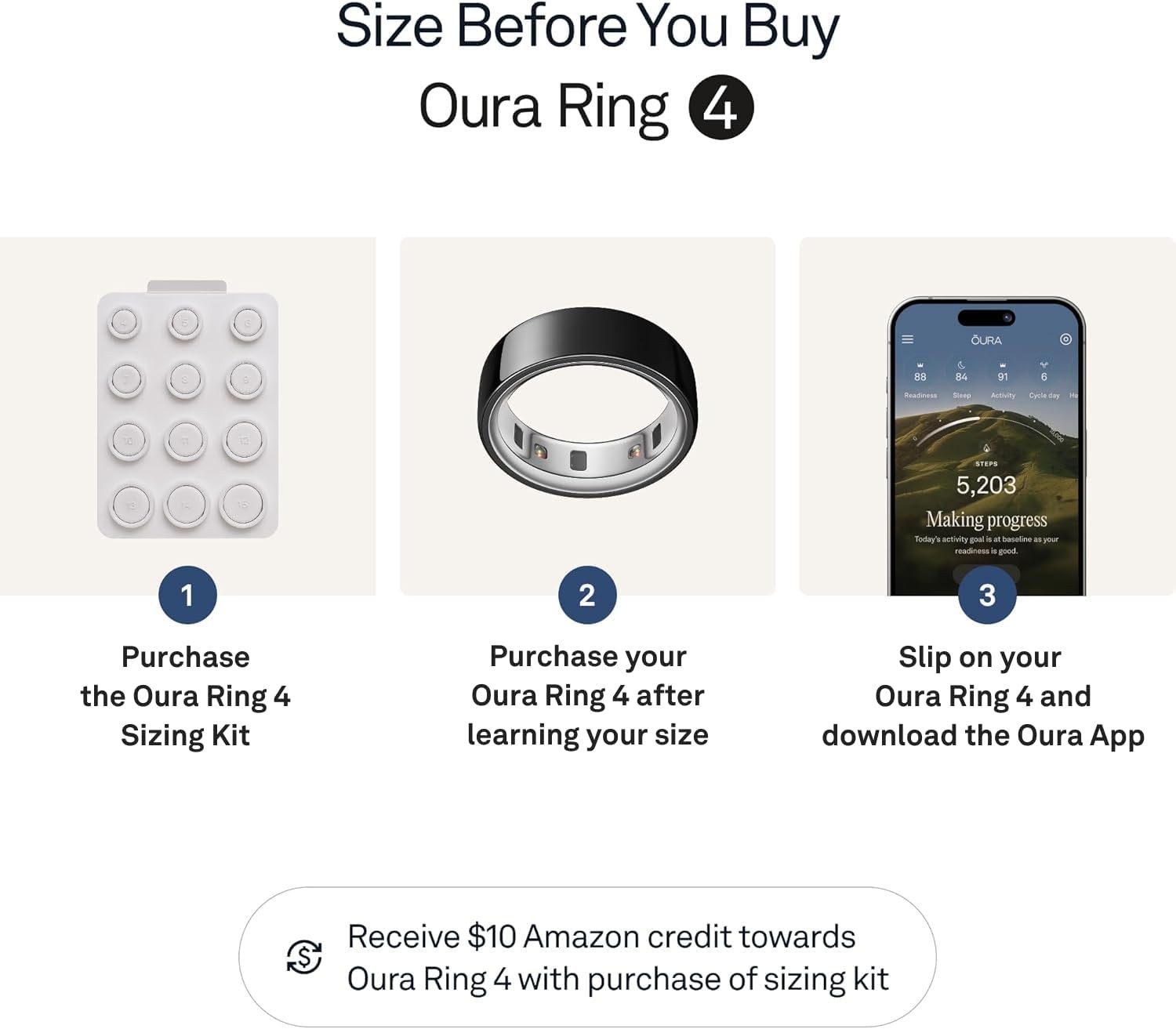 Wearables & Trackers
Oura Ring vs WHOOP (2026): Ring vs Band, Cost & Which to Buy
Oura and WHOOP are the two wearables biohackers debate most. Oura excels at passive sleep staging and HRV detail in an unobtrusive ring. WHOOP excels at training load management with its strain/recovery loop. This guide compares accuracy, pricing, use cases, and who should buy which. Considering Garmin too? See Garmin Fenix vs Oura vs WHOOP.
Read guideLast updated: 2026-07-25 · For informational purposes only. Not medical advice. Consult a healthcare provider before starting any new health protocol. Health disclaimer.