
Berberine: The Complete Guide
Metformin alternative, glucose control, AMPK activation, dosing with meals, and GI management
Berberine is a plant alkaloid that activates AMPK and lowers blood glucose comparably to metformin in some trials. Biohackers use it for metabolic health, CGM optimization, and longevity signaling. This guide covers 500mg dosing, GI side effects, and CGM pairing.
Health Disclaimer
This content is for general informational and educational purposes only. It is not medical advice, diagnosis, or treatment. Consult a qualified healthcare provider before starting any supplement, peptide, or health protocol. Read our full health disclaimer.
Frequency
2–3× daily with meals
Duration
8–12 week cycles
Level
Intermediate
Key Takeaways
- 1500mg 2–3× daily with meals is the standard protocol
- 2Meta-analyses show HbA1c reductions of 0.5–1.0% in type 2 diabetes
- 3Take with food — empty stomach dramatically increases GI distress
- 4Cycle 8–12 weeks or use intermittently; long-term safety data is limited
What Is Berberine?
Berberine is a yellow alkaloid found in barberry, goldenseal, and Oregon grape. Used in Traditional Chinese Medicine for centuries, modern research identifies it as a potent AMPK activator — the same pathway targeted by metformin.
In biohacking circles, berberine is often called 'nature's metformin.' It's popular among CGM users learning to flatten glucose spikes and among longevity enthusiasts exploring AMPK/mTOR balance.
The Science
Moderate EvidenceGlucose control: Multiple meta-analyses in type 2 diabetics show berberine reduces fasting glucose, post-meal glucose, and HbA1c comparably to metformin. Effects appear within 1–2 weeks.
AMPK activation: Berberine activates AMPK, improving insulin sensitivity, mitochondrial function, and fatty acid oxidation. This is the proposed longevity mechanism, though human longevity trials don't exist.
Lipids: Modest reductions in LDL and triglycerides observed in several trials. Less potent than statins but meaningful for metabolic syndrome.
Gut microbiome: Berberine alters gut bacteria composition, which may contribute to glucose effects. Some benefits may be partially microbiome-mediated.
- ·HbA1c reductions of 0.5–1.0% in diabetic populations
- ·AMPK activation similar pathway to metformin
- ·Modest LDL and triglyceride improvements
- ·Strongest evidence in metabolic syndrome and T2D
The Protocol
Moderate EvidenceStandard dose: 500mg with each main meal (1,000–1,500mg/day total). Start with 500mg once daily for one week to assess GI tolerance, then add doses.
CGM pairing: Use a 14-day CGM cycle to measure pre/post meal spikes. Berberine's effects on post-meal glucose are often visible within 48–72 hours on a CGM.
Cycling: 8–12 weeks on, 4 weeks off. Long-term continuous use lacks safety data beyond 3 months in most trials.
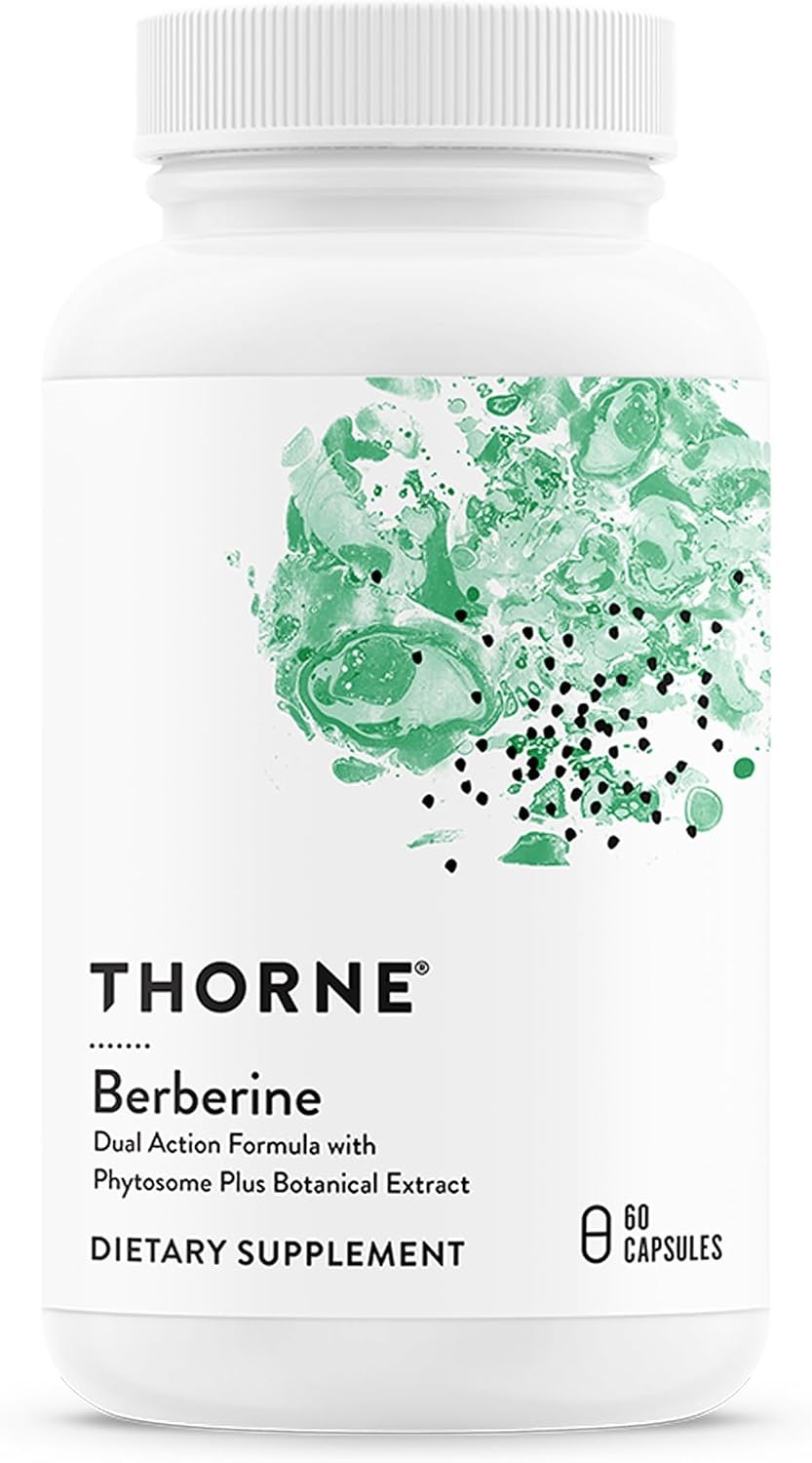
Form: Berberine HCl is standard. Thorne, Enzymedica, and Nutricost are common community picks. Take with fat-containing meals for absorption.
- ·500mg with breakfast, lunch, dinner
- ·Start low — GI side effects are common week 1
- ·Pair with CGM for personalized feedback
- ·Cycle 8–12 weeks on, 4 weeks off
What to Expect
Week 1: GI adjustment — loose stools, cramping in ~30% of users. Usually resolves by week 2. Reduce dose if persistent.
Week 2–4: CGM users see lower post-meal peaks. Fasting glucose may drop 5–15 mg/dL.
Week 8+: HbA1c changes require lab testing. Subjective energy stability often improves as glucose swings flatten.
Risks & Interactions
Moderate EvidenceHypoglycemia: Dangerous combined with insulin, sulfonylureas, or aggressive fasting. Monitor glucose if on diabetic medications.
CYP450 inhibition: Berberine inhibits several liver enzymes. May increase levels of cyclosporine, metformin, and other drugs.
Pregnancy: Contraindicated — may cause uterine contractions and fetal harm in animal studies.
GI distress: Most common side effect. Taking with food and starting low mitigates most cases.
Community Consensus
r/Biohackers and Peter Attia's community use berberine as a CGM-learning tool: 'Take berberine, eat the same meal, watch the spike flatten.'
Metformin users debate berberine as an OTC alternative, but physicians warn against switching prescription meds without oversight.
As an Amazon Associate, Reo Tuku Iho Limited earns from qualifying purchases through Amazon links on this site. Full disclosure
For educational purposes only. Not medical advice. Read our health disclaimer.
Continue Reading
SupplementsBest Berberine: The Buying Guide
Berberine shopping is milligrams and GI luck. NOW 400 mg HCl with MCT is the Amazon softgel. Thorne 500 mg is the NSF upgrade. Clinical meal-time totals are often 1,000–1,500 mg/day — count capsules. This buying guide picks NOW for a cheap trial and refuses the OTC-metformin story.
Read guide Diagnostics & Testing
Continuous Glucose Monitoring: The Complete Guide
A continuous glucose monitor (CGM) reveals how YOUR body responds to food in real-time, not population averages. Dave Asprey calls it the most impactful health tool he's used. This guide covers how CGMs work, what you'll learn, and how to use the data to optimize energy, weight, and long-term metabolic health.
Read guide Wearables & Trackers
Glucose Spike Control: The Complete Guide
Glucose spikes after meals drive inflammation and metabolic stress — even in non-diabetics. CGM culture made this visible. This guide covers behavioral hacks (walk, fiber first, vinegar), when berberine fits, and how to use a monitor without ruining your relationship with food.
Read guidePeptidesGLP-1 Agonists: The Complete Guide
GLP-1 receptor agonists (semaglutide, liraglutide) and dual agonists (tirzepatide) moved from diabetes clinics into mainstream weight and metabolic culture. For biohackers, the live questions are muscle loss, rebound weight, nutrient quality, and whether a peptide drug belongs next to Zone 2 and protein. This is a map of the evidence — not a shortcut to a vial.
Read guideSupplementsIntermittent Fasting: The Complete Guide
Intermittent fasting (IF) is one of the most practiced biohacks worldwide, popularized by Dave Asprey's Bulletproof approach and validated by decades of metabolic research. This guide covers 16:8 vs OMAD, ketosis timing, autophagy windows, and who should avoid fasting.
Read guide Supplements
NAD+ & Longevity: The Complete Guide
NAD+ is one of the most critical molecules in human biology, essential for energy, DNA repair, and activating longevity pathways. Levels decline ~50% between ages 40–60. This guide explains what NAD+ does, whether supplementation works, NR vs NMN debate, and how to test your levels.
Read guide Supplements
Metformin: The Complete Guide
Metformin is the most prescribed diabetes drug in the world and the most discussed off-label longevity pharmaceutical after rapamycin. It activates AMPK, lowers glucose, and shows epidemiologic links to reduced cancer and mortality in diabetics — but healthy-aging trials are still running. This guide maps the evidence without DIY dosing.
Read guide Diagnostics & Testing
Gut Microbiome: The Complete Guide
Your gut microbiome, 100 trillion bacteria, influences immunity, mood, metabolism, and inflammation. Bryan Johnson tests his monthly. This guide covers microbiome testing, evidence-based interventions, and what actually moves the needle vs marketing.
Read guide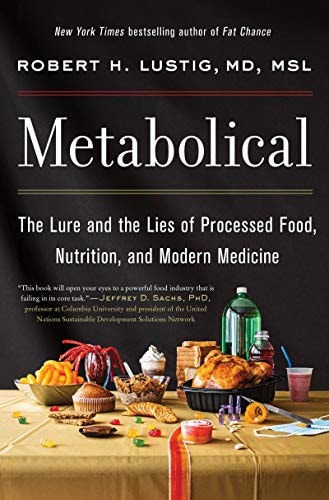 Diagnostics & Testing
Robert Lustig & Metabolical: The Complete Guide
Metabolical (2021) is Lustig’s case that chronic disease is more foodable than druggable. Two rules: protect the liver, feed the gut. This guide extracts those rules and sends you to Bikman, Fung, Means, and Fiber Fueled — not a keto-vs-vegan flame war.
Read guideLast updated: 2026-07-11 · For informational purposes only. Not medical advice. Consult a healthcare provider before starting any new health protocol. Health disclaimer.