
Sleep Optimization: The Complete Guide
Temperature, light, tracking, and the protocols top performers use
Sleep is the foundation every biohacker builds on, Huberman calls it the #1 performance enhancer. This guide covers the science of sleep stages, temperature regulation, light protocols, tracking with wearables, and the complete toolkit for deep restorative sleep.
Frequency
Nightly
Duration
7–9 hours
Level
Beginner
Key Takeaways
- 1Core body temperature must drop 2–3°F to initiate deep sleep, cooling is non-negotiable
- 2Morning sunlight within 30 min of waking anchors your circadian rhythm
- 3Deep sleep is where physical recovery and memory consolidation happen, optimize for it
- 4Tracking (Oura/WHOOP) creates awareness that alone improves sleep 15–20%
Who this is for
- ·Anyone treating sleep as the #1 lever before supplements or gadgets
- ·Hot sleepers deciding whether active cooling is worth the spend
- ·Beginners who need a full protocol (light → temp → track → supplements)
- ·People comparing wearables after fixing basics
Why Sleep Is the #1 Biohack
Strong EvidenceEvery biohacking intervention, sauna, cold, supplements, exercise, depends on sleep for recovery and effect. Sleep deprivation impairs glucose metabolism worse than a high-sugar diet, reduces testosterone, increases cortisol, and degrades cognitive performance.
Matthew Walker's research shows that sleeping less than 7 hours doubles your risk of cardiovascular disease and significantly impairs immune function. No supplement or device compensates for chronic sleep debt.
The biohacking approach to sleep isn't just 'sleep more', it's optimizing sleep architecture: maximizing deep sleep (physical recovery) and REM (cognitive recovery) through environmental and behavioral interventions.
Temperature, The Most Impactful Lever
Strong EvidenceYour core body temperature must drop 2–3°F (1–1.5°C) to initiate sleep and maintain deep sleep. Most bedrooms are too warm. Optimal ambient temperature is 65–68°F (18–20°C), but the mattress surface temperature matters even more.
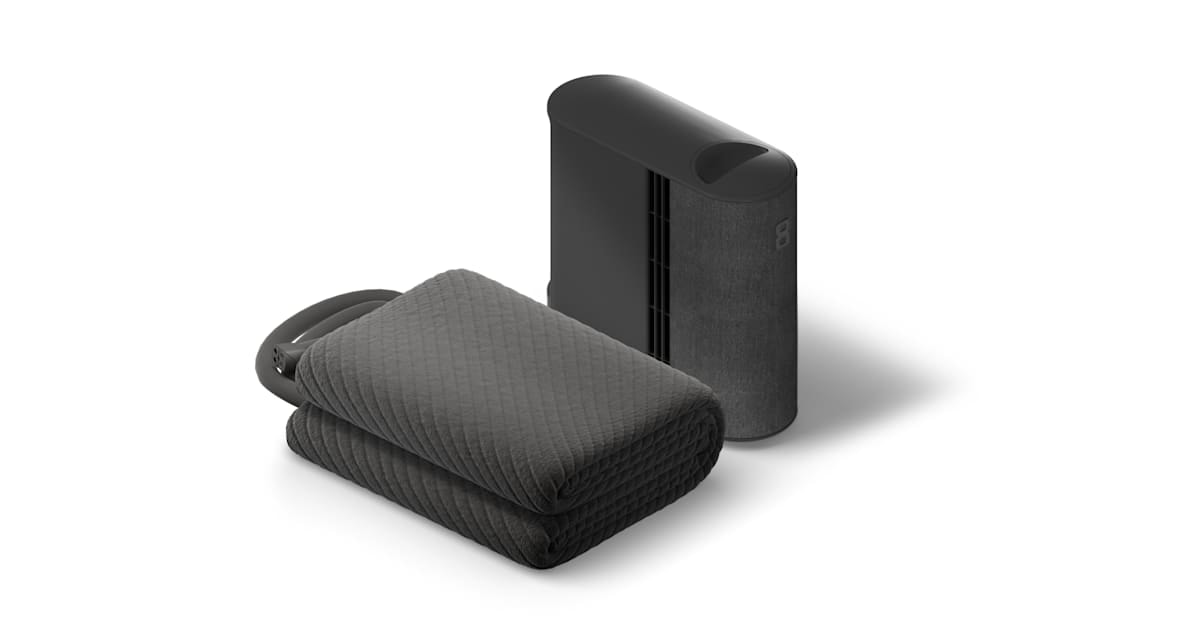
Active cooling systems (Eight Sleep, Chilipad, BedJet) remove heat from your body during deep sleep phases rather than just cooling the room. Users commonly report 20–40% increases in deep sleep duration. This is the highest-ROI sleep intervention for hot sleepers. For a side-by-side buy decision, see our Eight Sleep vs BedJet vs Chilipad comparison; for the science and budget tiers, see the Sleep Cooling guide.
Huberman's simpler protocol: hot shower/bath 1–2 hours before bed. The subsequent drop in core temperature as you cool down signals sleep onset. Combined with a cool bedroom, this is free and effective.
Light Protocol
Strong EvidenceMorning: Get 10–30 minutes of sunlight within 30–60 minutes of waking. This anchors your circadian clock, sets melatonin timing for ~14 hours later, and boosts daytime cortisol (good cortisol) for alertness.
Evening: Dim all lights 2–3 hours before bed. Blue light suppresses melatonin, use amber/red bulbs or blue-blocking glasses after sunset. Even small amounts of phone light at 10pm can delay sleep onset by 30+ minutes.
Red light therapy in the morning supports circadian entrainment. Avoid bright light (especially blue) after 9pm.
- ·Morning sunlight within 30 min of waking, non-negotiable
- ·Dim/amber lights 2–3 hours before bed
- ·No screens 1 hour before sleep (or use blue blockers)
- ·Blackout curtains or sleep mask for total darkness
- ·Red light in morning, not evening
Tracking & Measuring Sleep
Moderate EvidenceWearables like Oura Ring and WHOOP track sleep stages, HRV, resting heart rate, and respiratory rate. The data alone creates awareness that improves sleep, users naturally adjust behavior when they see alcohol destroy their HRV or late meals reduce deep sleep.
Key metrics to watch: deep sleep duration (target 90+ min), sleep efficiency (>85%), HRV trend (higher is better relative to your baseline), and resting heart rate (lower indicates better recovery).
Don't obsess over nightly scores. Weekly trends matter more than individual nights. One bad night means nothing; a declining 2-week HRV trend means something.
Sleep-Supporting Supplements
Moderate EvidenceMagnesium glycinate (200–400mg) before bed supports GABA activity and muscle relaxation, one of the most evidence-backed sleep supplements. L-theanine (100–200mg) promotes calm without sedation.
Apigenin (50mg) from chamomile extract may support sleep onset. Avoid melatonin long-term, it's a hormone, not a supplement, and chronic use can suppress natural production. Use only for jet lag or short-term adjustment.
Avoid alcohol entirely if sleep quality matters. Even one drink reduces REM sleep by 15–20% and devastates HRV. Cannabis similarly disrupts sleep architecture despite feeling sedating.
What Works, Community Wisdom
The r/Biohackers sleep megathread consensus: fix temperature first, then light, then supplements. Most people jump to supplements before addressing a 72°F bedroom.
Eight Sleep owners overwhelmingly say it's their best purchase, but only if you're a hot sleeper. Mouth taping (for mouth breathers) and weighted blankets are frequently cited as dark-horse improvements.
Oura vs WHOOP for sleep: Oura wins on sleep stage detail and form factor; WHOOP wins on recovery/strain balance. Many serious biohackers own both.
As an Amazon Associate, Reo Tuku Iho Limited earns from qualifying purchases through Amazon links on this site. Full disclosure
Sources
Key references cited in this guide. Links open the original publication or abstract.
Continue Reading
Sleep OptimizationBedJet vs Chilipad vs Eight Sleep: Which to Buy
Sleep temperature regulation is one of the highest-leverage biohacks with genuine evidence behind it, and three systems dominate the category: Eight Sleep Pod, BedJet 3, and Sleepme's Dock Pro (the modern successor to Chilipad, now owned and re-engineered by the same Sleepme team). Eight Sleep uses hydronic water cooling built into a mattress cover with deep sleep-stage automation. BedJet uses forced air instead of water, with no wet components at all. Sleepme's Dock Pro is the direct descendant of the original Chilipad, focused purely on precise temperature control without the smart-home layer. This guide compares the technology, noise, subscriptions, price, and who should buy which. Want the science and budget tiers first? Read Sleep Cooling.
Read guide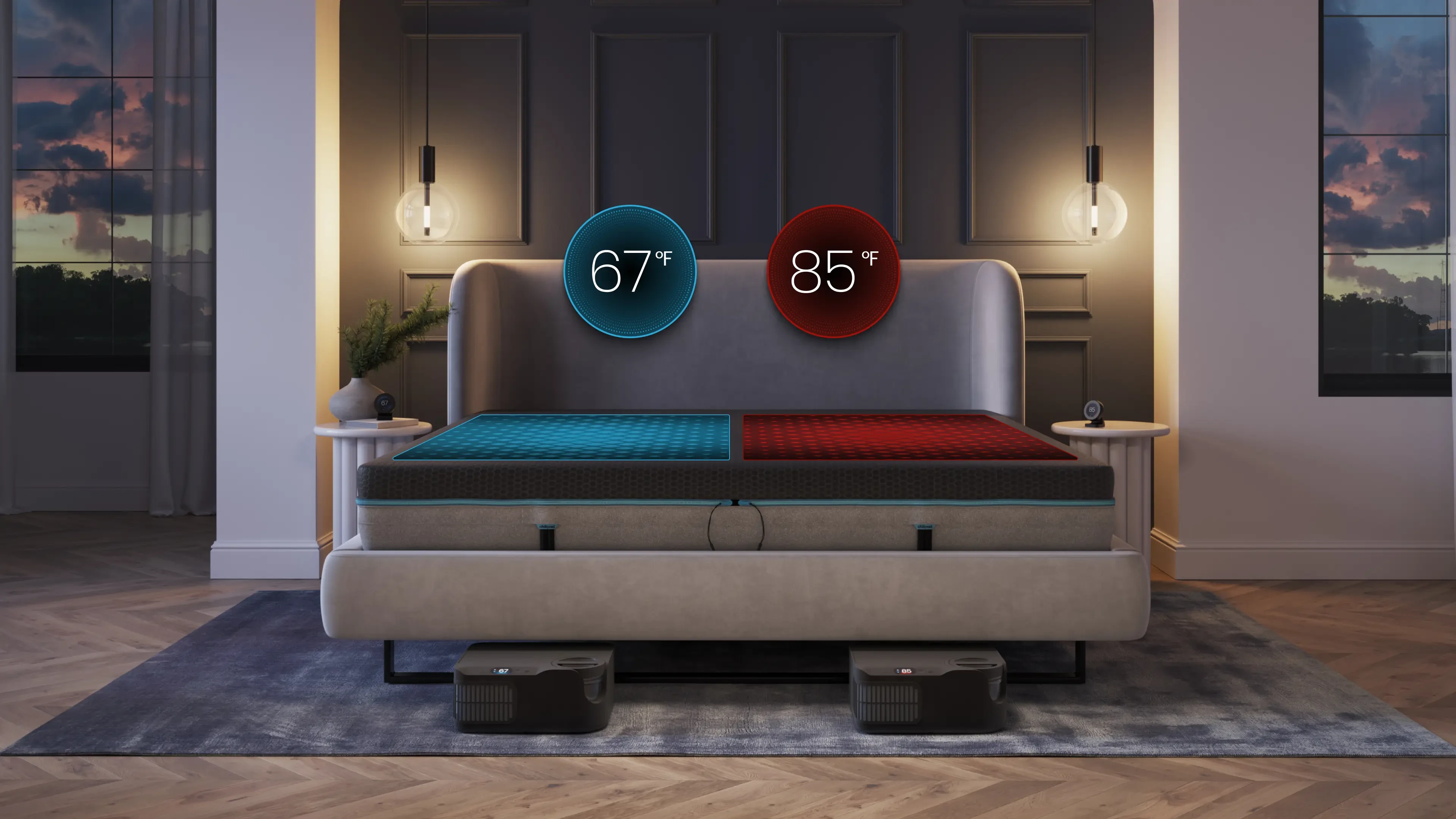 Sleep Optimization
Sleep Cooling: Mattresses, Pads & Temperature Protocols
Sleep onset requires a 1–3°F core body temperature drop. Hot sleepers, couples with different preferences, and anyone chasing deep sleep often invest in active cooling — from $60 fan setups to $3,000 smart mattresses. This guide covers the science, equipment tiers, and Matthew Walker's temperature targets. For a head-to-head buy decision, see Eight Sleep vs BedJet vs Chilipad.
Read guide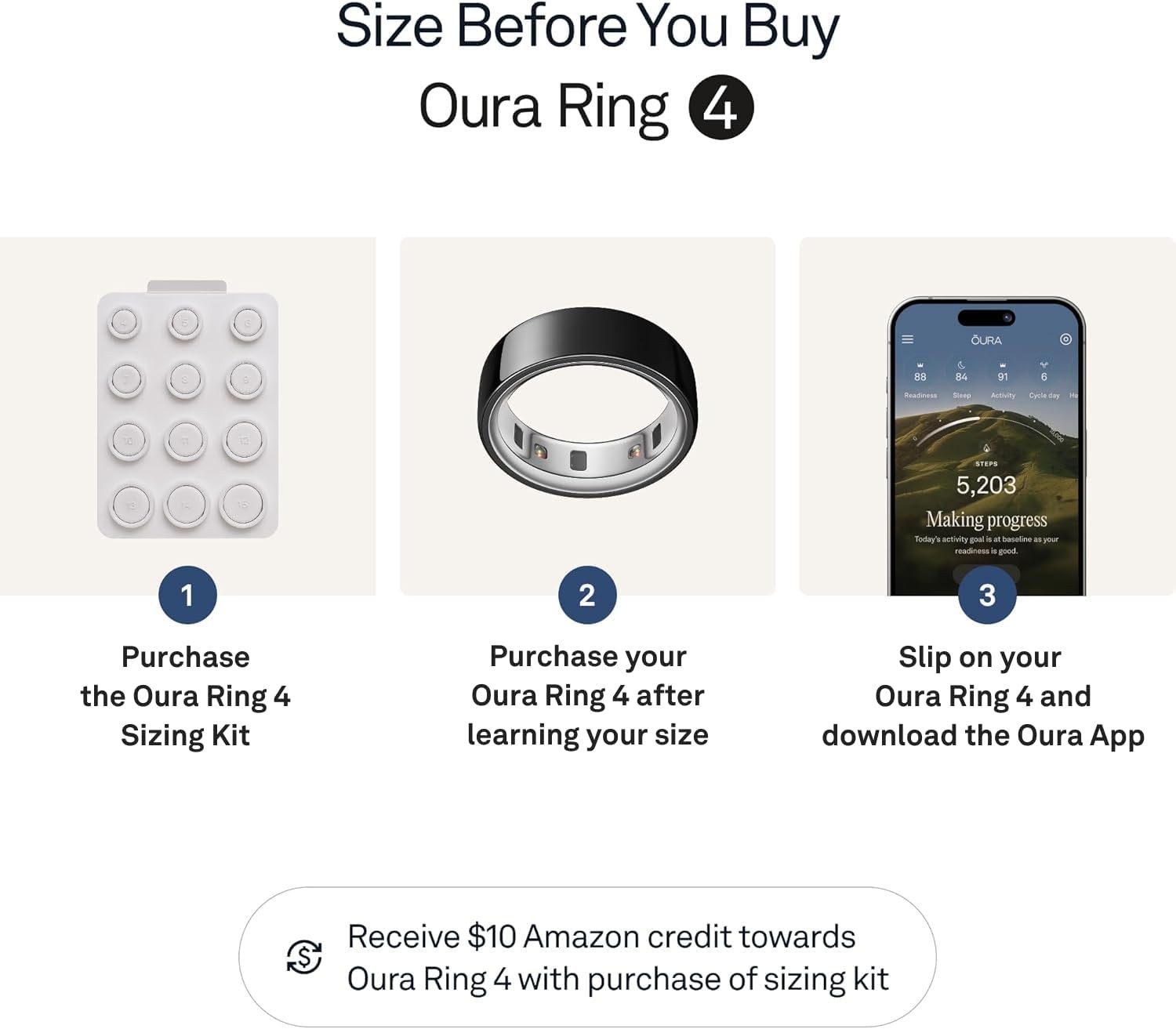 Wearables & Trackers
Oura Ring vs WHOOP (2026): Ring vs Band, Cost & Which to Buy
Oura and WHOOP are the two wearables biohackers debate most. Oura excels at passive sleep staging and HRV detail in an unobtrusive ring. WHOOP excels at training load management with its strain/recovery loop. This guide compares accuracy, pricing, use cases, and who should buy which. Considering Garmin too? See Garmin Fenix vs Oura vs WHOOP.
Read guide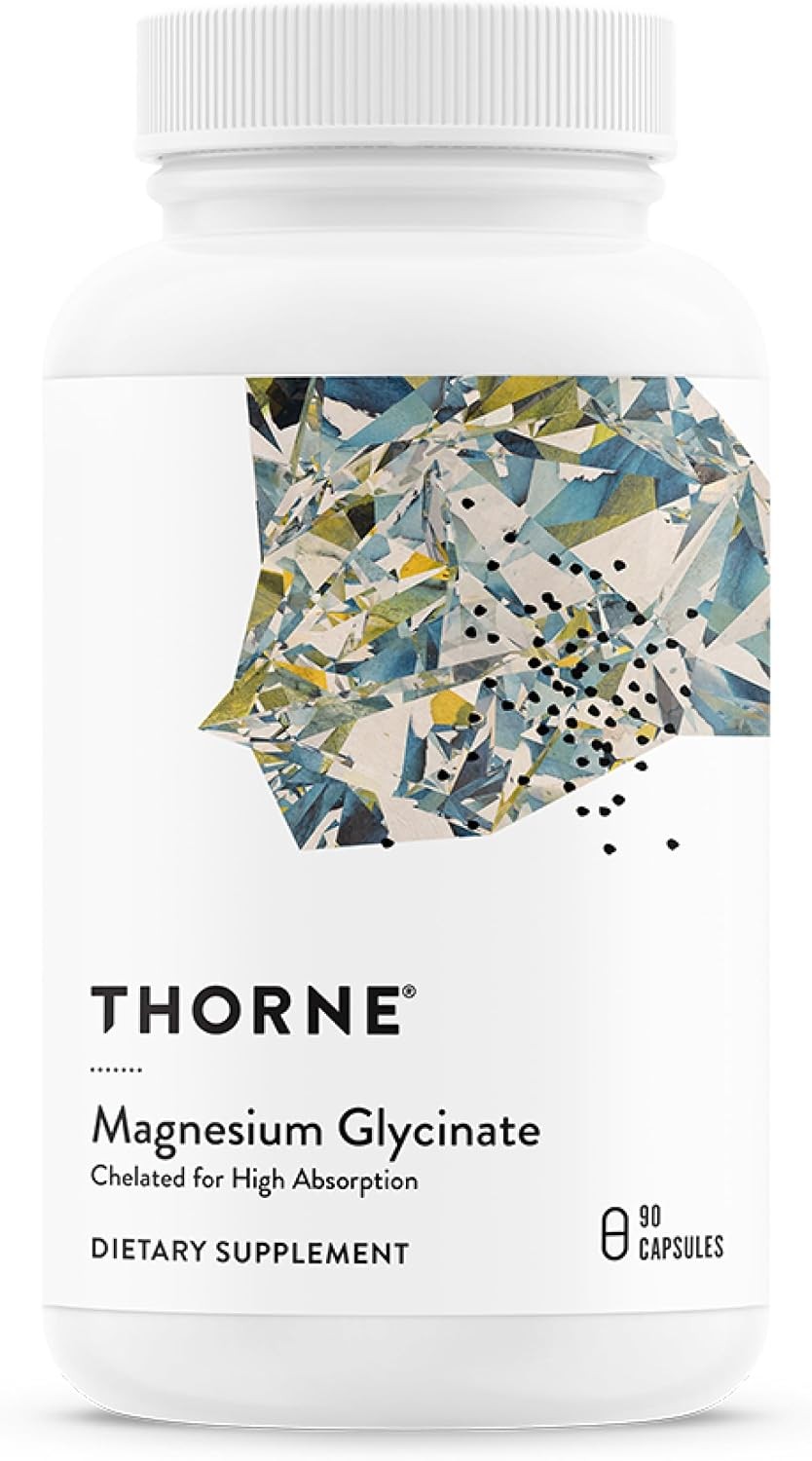 Supplements
Magnesium: The Complete Guide
Up to 50% of adults may not meet optimal magnesium intake. It's involved in 300+ enzymatic reactions, sleep, muscle recovery, stress, and heart rhythm all depend on it. This guide breaks down which form to take, when, and how much.
Read guide Sleep Optimization
Huberman Sleep Stack: The Buying Guide
Andrew Huberman’s evening stack — magnesium, L-theanine, and apigenin, often with glycine — is the most copied supplement protocol on the internet. Evidence is strongest for magnesium and glycine, thinner for apigenin. This buying guide ranks what to purchase, in what order, and links Amazon-available SKUs we already review.
Read guide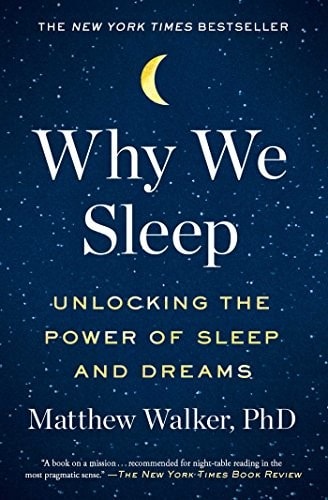 Sleep Optimization
Matthew Walker & Why We Sleep: The Complete Guide
Why We Sleep (2017) made short sleep feel like a public-health emergency. Matthew Walker is right that 7–9 hours, regularity, and darkness matter more than most supplements. Some statistics were later challenged. This guide keeps the useful protocol, flags the hype, and links the paperback on Amazon.
Read guideWearables & TrackersHRV & Recovery Tracking: The Complete Guide
Heart rate variability (HRV) is the most actionable biometric for biohackers, it tells you when to push hard and when to rest. This guide explains what HRV means, how Oura and WHOOP use it, lifestyle factors that destroy recovery, and how to actually use the data. Ready to buy? See Oura vs WHOOP or Garmin vs Oura vs WHOOP.
Read guide Sleep Optimization
Mouth Tape & Nasal Breathing: The Complete Guide
Mouth taping encourages nasal breathing during sleep, which may reduce snoring, dry mouth, and fragmented sleep architecture. Popularized by James Nestor's 'Breath' and the Buteyko community, it's one of the cheapest sleep biohacks. This guide covers safe taping methods and contraindications.
Read guide Sleep Optimization
Nasal Strips: The Complete Guide
Breathe Right–style strips pull the nasal valve open from the outside. They are a same-night experiment for congestion and simple snoring, and the usual first add-on when mouth tape fails because you cannot get air through your nose. They do not treat obstructive sleep apnea.
Read guideSleep OptimizationSleep Masks: The Complete Guide
Light through the eyelids is a melatonin signal even when you are asleep. A mask that you keep on beats blackout curtains you never buy and blue-blockers you take off at the laptop. The Manta Sleep Mask is the Amazon default because the cups sit around the eyes instead of on them, which is why flat masks end up on the floor.
Read guideSupplementsAlcohol and Longevity: The Complete Guide
Alcohol is the longevity leak that survives every supplement stack. It fragments sleep, raises blood pressure and triglycerides, and increases the risk of several cancers as intake goes up. A glass of red wine is not a protocol. If you drink, fewer drinks is the change that shows up in sleep and labs. Dependence is medical care, not a biohack week.
Read guideSleep OptimizationApigenin for Sleep: The Complete Guide
Apigenin is a flavonoid from chamomile that modulates GABA receptors for sleep support. Andrew Huberman popularized it as part of his sleep stack alongside magnesium threonate and theanine. This guide covers mechanism, dosing, stacking, and realistic expectations.
Read guide Sleep Optimization
Circadian Rhythm Optimization: The Complete Guide
Your circadian rhythm governs sleep, hormones, metabolism, and mood. Huberman and Walker's most foundational advice isn't a supplement or gadget, it's light exposure timing. This guide covers the complete circadian protocol: morning sunlight, evening protection, meal timing, and temperature.
Read guide Cognitive Enhancement
Caffeine Optimization: The Complete Guide
Caffeine is the most used cognitive biohack on earth — and the most common sleep sabotage. This guide covers circadian timing (Huberman delay), half-life genetics, L-theanine pairing, and when to quit after lunch for HRV and deep sleep.
Read guide Sleep Optimization
Melatonin for Sleep: The Complete Guide
Melatonin is a hormone, not a harmless supplement. Used correctly — low dose, short term, timed early — it helps jet lag and circadian shifts. Used nightly at high doses, it may disrupt natural production and sleep architecture. This guide separates appropriate use from default drugstore habits.
Read guide Sleep Optimization
NSDR and Yoga Nidra: The Complete Guide
Non-sleep deep rest (NSDR) is Andrew Huberman's umbrella term for yoga nidra and related guided protocols that drop you into a deeply relaxed, often hypnagogic state without requiring a full nap. This guide covers the sleep and stress evidence, how to run a session, and when NSDR beats caffeine.
Read guide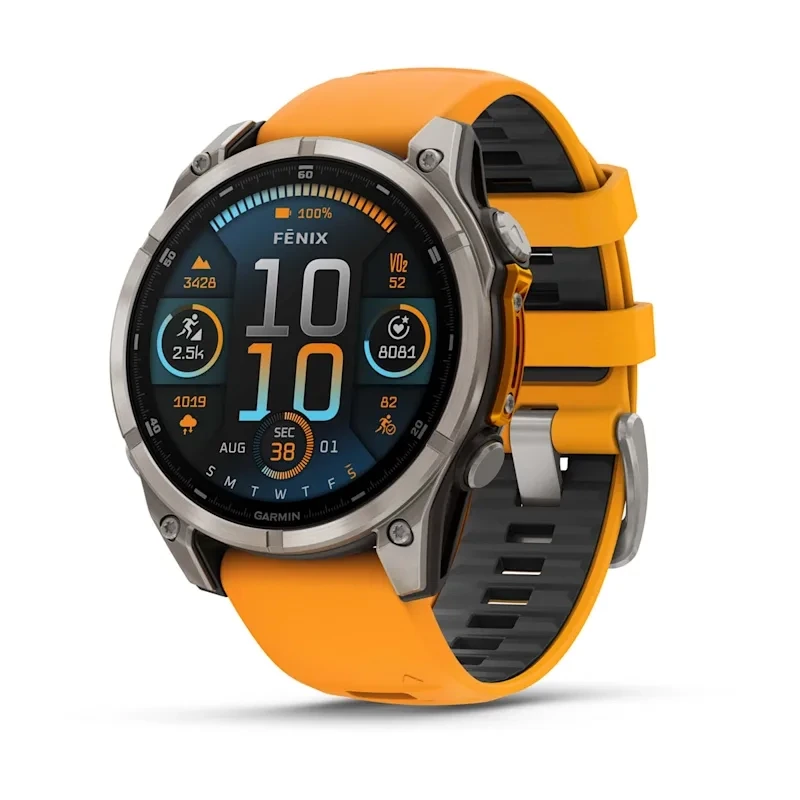 Wearables & Trackers
Garmin Fenix 8 vs Oura vs WHOOP: Which Tracker?
This page compares the Garmin Fenix 8 with Oura and WHOOP. It is not a Fenix 9 Pro review — if a listing says Fenix 9 Pro, the specs below do not apply to it. Fenix 8 is a GPS multisport watch. Oura is a passive sleep ring. WHOOP is a screenless strain band. The [Oura Ring 4 review](/equipment/oura-ring-gen4) covers price and the membership on its own. Narrowed to ring vs band only? See [Oura vs WHOOP](/guides/oura-vs-whoop).
Read guideLast updated: 2026-07-25 · For informational purposes only. Not medical advice. Consult a healthcare provider before starting any new health protocol. Health disclaimer.