
Hyperbaric Oxygen Therapy: The Complete Guide
HBOT mechanisms, medical vs wellness use, session protocols, and what the longevity evidence actually shows
Hyperbaric oxygen therapy (HBOT) delivers 100% oxygen at elevated pressure, saturating tissues beyond normal breathing. FDA-approved for wound healing and decompression sickness, but wellness clinics now market it for longevity, brain injury, and athletic recovery. This guide separates approved uses from hype.
Frequency
3–5× per week
Duration
60–90 min sessions
Level
Advanced

Key Takeaways
- 1FDA-approved HBOT uses specific pressures (1.5–3.0 ATA) for defined conditions, wellness protocols often differ
- 2The Tel Aviv telomere study used 2.0 ATA, 60 sessions, not replicable at most wellness clinics
- 3Soft-shell chambers (1.3 ATA) are popular but deliver far less oxygen than medical-grade systems
- 4Cost is $150–300/session, prioritize if you have an approved indication, not as a first-line biohack
What Is Hyperbaric Oxygen Therapy?
HBOT involves breathing near-pure oxygen inside a pressurized chamber, typically 1.5 to 3.0 atmospheres absolute (ATA). At pressure, oxygen dissolves directly into blood plasma (not just hemoglobin), dramatically increasing tissue oxygen delivery even in poorly perfused areas.
Medical HBOT uses hard-shell chambers in hospitals for FDA-approved conditions: non-healing wounds, radiation tissue damage, carbon monoxide poisoning, and decompression sickness. Wellness HBOT uses softer chambers at lower pressures, marketed for recovery, anti-aging, and cognitive enhancement, often without the same regulatory oversight.
The Science
Moderate EvidenceMechanisms: HBOT triggers hypoxia-inducible factor (HIF) pathways, stimulates angiogenesis, reduces inflammation, mobilizes stem cells from bone marrow, and may activate telomerase, at least in specific protocols and populations.
The landmark longevity study (Efrati et al., 2020): 63 adults aged 64+ received 60 sessions of HBOT at 2.0 ATA (100% oxygen, 90 min with air breaks). Results showed telomere lengthening and senescent cell reduction, unprecedented in human aging research. Critical caveat: this was a specific protocol in older adults, not generalizable to casual wellness use.
Athletic recovery: Mixed evidence. Some studies show reduced DOMS and faster return to play; others find no benefit over placebo. Brain injury (TBI, stroke): promising case series but not yet standard of care for chronic TBI.
- ·Wound healing: strong FDA-approved evidence
- ·Telomere/aging: one promising study, needs replication
- ·Athletic recovery: mixed, protocol-dependent
- ·Cognitive enhancement in healthy adults: insufficient evidence
Protocols, Medical vs Wellness
Medical protocol (Efrati study): 2.0 ATA, 100% oxygen, 90-minute sessions with 5-minute air breaks every 20 minutes (reduces oxygen toxicity risk). 60 sessions over 12 weeks. Requires hospital-grade hard chamber.
Wellness clinic protocol: varies widely, 1.3–1.5 ATA in soft chambers, 60–90 minutes, 1–3× per week. Lower pressure means less plasma oxygen saturation. Many clinics cannot replicate research conditions.
Home soft chambers (1.3 ATA): popular with biohackers ($5,000–$20,000). Convenient but operate below medical research pressures. Community debate: meaningful benefit vs expensive placebo.
- ·Research protocol: 2.0 ATA, 60 sessions, 90 min with air breaks
- ·Wellness typical: 1.3–1.5 ATA, 60 min, 1–3×/week
- ·Pre-session: no alcohol, hydrate well, empty bladder
- ·Post-session: mild ear pressure adjustment, fatigue common
- ·Contraindications: untreated pneumothorax, certain chemo drugs
What You'll Experience
During session: ear pressure changes (like flying, valsalva or swallow to equalize). Warmth from oxygen hood/mask. Boredom, bring audiobook or podcast. Claustrophobia is common in hard chambers; soft chambers feel less confining.
After session: many report calm energy, improved sleep that night, and reduced inflammation over a course of sessions. Single sessions rarely produce dramatic effects, benefits accumulate over weeks.
Course of 20–40 sessions: users report faster injury healing, improved skin, and subjective cognitive clarity. Objective biomarker changes (telomeres, inflammation markers) require medical testing to verify.
Risks & Contraindications
Strong EvidenceOxygen toxicity (seizures, lung damage) is rare at approved protocols with air breaks, why medical protocols include breaks. Unsupervised high-pressure use is dangerous.
Barotrauma: ear and sinus pressure injuries if unable to equalize. Untreated pneumothorax is an absolute contraindication, pressure can collapse lung further.
Fire risk: pure oxygen environments are flammable. Only use FDA-cleared chambers with proper grounding; no petroleum-based products inside chamber.
Cost-benefit: at $150–300/session, a 60-session protocol costs $9,000–18,000. Compare against higher-ROI interventions (sleep, exercise, sauna) before committing.
Community Consensus
r/Biohackers is split: believers cite the Tel Aviv telomere data and personal recovery stories; skeptics note the cost, inability to replicate research protocols at wellness clinics, and lack of long-term safety data for repeated use in healthy adults.
Joe Rogan popularized HBOT for recovery, driving clinic demand. Consensus for most people: if you have an FDA-approved indication, HBOT is evidence-based. For general longevity in healthy adults, it's experimental and expensive, try sauna, sleep, and exercise first.
As an Amazon Associate, Reo Tuku Iho Limited earns from qualifying purchases through Amazon links on this site. Full disclosure
Continue Reading
 Procedures & Treatments
Stem Cell Therapy: The Complete Guide
Stem cell therapy promises tissue regeneration, anti-aging, and recovery from degenerative conditions. Some applications are FDA-approved; most wellness clinic offerings are experimental, expensive, and poorly regulated. This guide explains what's real, what's risky, and what questions to ask before spending $5,000–$50,000.
Read guide Heat Therapy
Infrared Sauna: The Complete Guide
Regular sauna use is one of the strongest lifestyle interventions linked to reduced cardiovascular mortality in decades of Finnish research. This guide covers how infrared saunas work, Huberman and Rhonda Patrick's protocols, what you'll actually feel, the risks nobody mentions, and what 10,000+ Reddit users report.
Read guide Supplements
NAD+ & Longevity: The Complete Guide
NAD+ is one of the most critical molecules in human biology, essential for energy, DNA repair, and activating longevity pathways. Levels decline ~50% between ages 40–60. This guide explains what NAD+ does, whether supplementation works, NR vs NMN debate, and how to test your levels.
Read guideSupplementsBryan Johnson's Blueprint: The Complete Guide
Bryan Johnson spends ~$2M/year on his 'Don't Die' anti-aging protocol, the most measured human body in history. Blueprint includes 100+ daily supplements, precise sleep/calorie timing, plasma exchange, and relentless biomarker tracking. This guide breaks down what's evidence-based, what's experimental, and what mere mortals can actually adopt.
Read guide Heat Therapy
Contrast Therapy: The Complete Guide
Contrast therapy alternates heat and cold exposure to drive vascular flushing, reduce inflammation, and amplify recovery benefits beyond either modality alone. Popularized by Finnish sauna culture and modern biohackers like Huberman and Patrick. This guide covers protocols, timing, and equipment options.
Read guideDiagnostics & TestingBlood Panel Testing: The Complete Guide
Annual bloodwork is the foundation of data-driven biohacking. Peter Attia's framework prioritizes ApoB, insulin, HbA1c, and inflammatory markers over standard lipid panels. This guide covers what to test, how often, where to order, and how to interpret results.
Read guide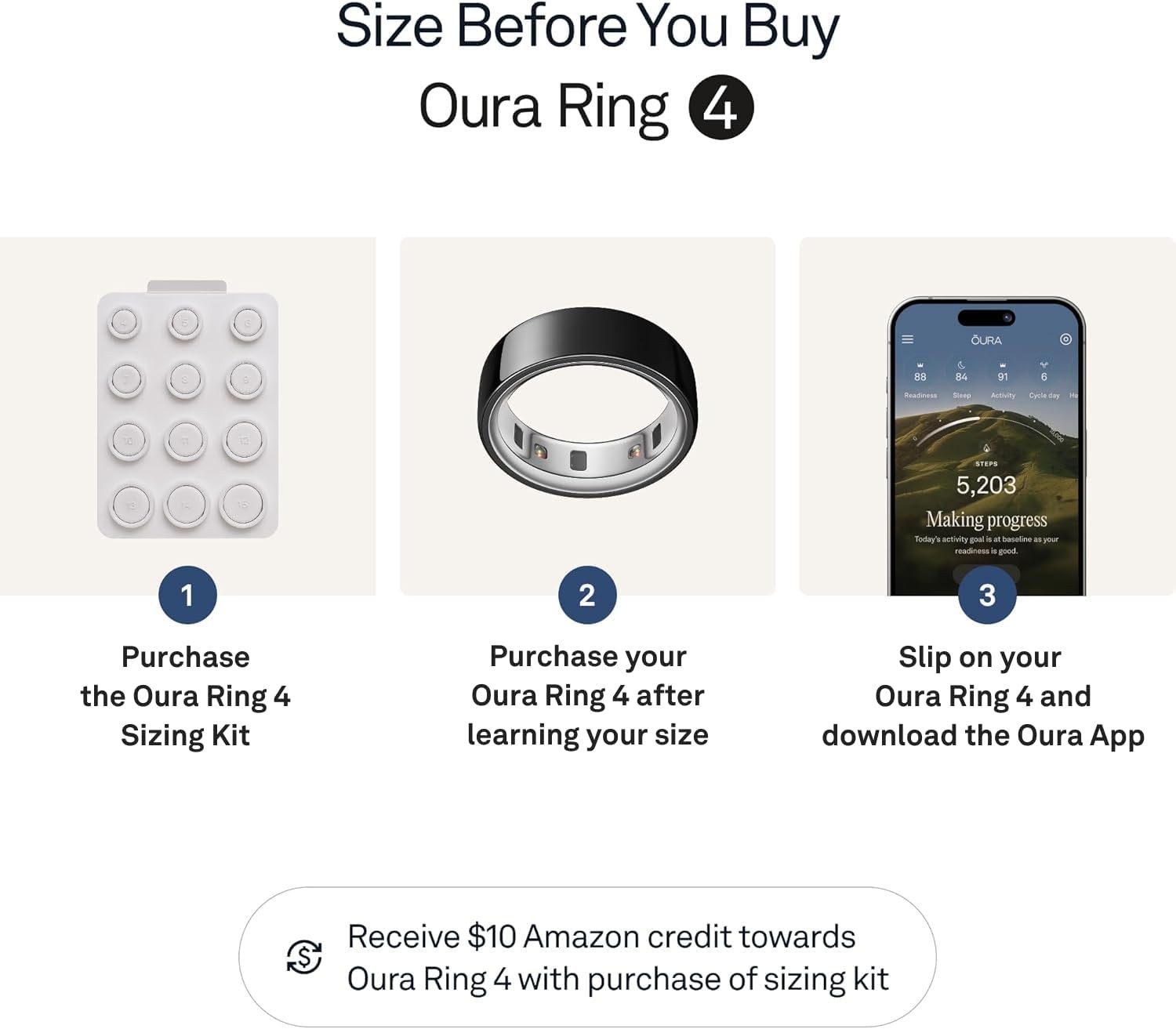 Wearables & Trackers
HRV & Recovery Tracking: The Complete Guide
Heart rate variability (HRV) is the most actionable biometric for biohackers, it tells you when to push hard and when to rest. This guide explains what HRV means, how Oura and WHOOP use it, lifestyle factors that destroy recovery, and how to actually use the data. Ready to buy? See Oura vs WHOOP or Garmin vs Oura vs WHOOP.
Read guideLast updated: 2026-07-11 · For informational purposes only. Not medical advice. Consult a healthcare provider before starting any new health protocol. Health disclaimer.