
Intermittent Fasting: The Complete Guide
16:8, OMAD, ketosis, autophagy, and the science behind time-restricted eating
Intermittent fasting (IF) is one of the most practiced biohacks worldwide, popularized by Dave Asprey's Bulletproof approach and validated by decades of metabolic research. This guide covers 16:8 vs OMAD, ketosis timing, autophagy windows, and who should avoid fasting.
Health Disclaimer
This content is for general informational and educational purposes only. It is not medical advice, diagnosis, or treatment. Consult a qualified healthcare provider before starting any supplement, peptide, or health protocol. Read our full health disclaimer.
Frequency
Daily
Duration
16-hour fast minimum
Level
Beginner

Key Takeaways
- 116:8 (16-hour fast, 8-hour eating window) is the most sustainable entry protocol
- 2Fasting triggers autophagy, cellular cleanup, typically after 16–24 hours
- 3Women may need shorter fasts; thyroid and cortisol sensitivity varies by individual
- 4Black coffee and water do not break a fast; calories and protein do
What Is Intermittent Fasting?
Intermittent fasting is not a diet, it's an eating schedule. You cycle between periods of eating and fasting, allowing your body to shift from glucose metabolism to fat burning and ketone production. Unlike calorie restriction, IF focuses on when you eat, not just what you eat.
Dave Asprey popularized 'Bulletproof Intermittent Fasting', extending morning fast with fat-fueled coffee to stay in ketosis while gaining cognitive benefits. The broader IF movement spans 16:8, 18:6, OMAD (one meal a day), and multi-day fasts.
The Science, What Happens When You Fast
Moderate EvidenceAfter 12–16 hours without food, liver glycogen depletes and your body ramps up lipolysis, breaking down fat for fuel. Ketones (beta-hydroxybutyrate) become available as an alternative brain fuel, often described as 'cleaner' energy than glucose.
Autophagy, the cellular recycling process where damaged proteins and organelles are broken down and reused, increases during extended fasts. Yoshinori Ohsumi won the 2016 Nobel Prize for autophagy research. Animal studies suggest 16–24+ hour fasts activate meaningful autophagy; human data is still emerging.
Insulin sensitivity improves with consistent IF. Fasting lowers insulin, allowing fat cells to release stored energy. Mark Mattson's research at Johns Hopkins shows IF may protect against neurodegenerative disease, though long-term human trials are ongoing.
- ·Strong: improved insulin sensitivity, weight loss in overweight individuals
- ·Moderate: ketone production, autophagy activation, cognitive clarity
- ·Emerging: longevity benefits, cancer risk reduction
- ·Anecdotal: 'limitless' mental focus during extended fasts
Protocols, Which Schedule to Choose
Moderate Evidence16:8 Beginner: Stop eating by 8pm, resume at noon. Eight-hour window (noon–8pm) fits social eating. Black coffee, tea, and water only during the fast.
Bulletproof IF: 16+ hour fast with Bulletproof Coffee (coffee + MCT oil + grass-fed butter/ghee) in the morning. Fat calories don't spike insulin significantly, maintaining ketosis while providing energy. See our Bulletproof Coffee guide.
18:6 / 20:4: Tighter windows for experienced fasters. OMAD (one meal a day): single 1–2 hour eating window, advanced, not for beginners.
5:2: Eat normally 5 days, restrict to 500–600 calories 2 non-consecutive days. Different mechanism than daily IF but similar metabolic benefits.
What to Expect
Days 1–3: Hunger pangs, irritability, difficulty concentrating, normal adaptation. Electrolytes (sodium, potassium, magnesium) help.
Week 1–2: Hunger typically decreases as ghrelin rhythms adjust. Many report morning mental clarity once fat-adapted.
Week 3+: Fasting becomes habitual. Energy stabilizes. Breaking fasts with high-carb meals can cause blood sugar spikes, ease in with protein and fat.
Women: Some experience menstrual irregularity or increased cortisol on aggressive IF. Consider 14:10 or cycled fasting (fast 3–4 days/week).
Risks & Who Should Avoid
Strong EvidenceAvoid or consult a physician if: pregnant, breastfeeding, underweight, history of eating disorders, type 1 diabetes, or on medications requiring food (metformin timing matters for type 2).
Over-restriction: IF is not permission to eat junk in your window. Nutrient density still matters, see our foundation supplement stack.
Cortisol elevation: Aggressive fasting + high stress + poor sleep = counterproductive. Fix sleep first.
Community Consensus
r/intermittentfasting and r/Biohackers agree: 16:8 is the sustainable default. OMAD is for experienced fasters only. Dave Asprey's fat-fueled morning coffee is the most-cited 'make fasting easier' hack.
Peter Attia recommends IF primarily for metabolic health in insulin-resistant individuals, not as a universal longevity intervention. Huberman suggests aligning eating windows with circadian rhythm, eat during daylight hours.
As an Amazon Associate, Reo Tuku Iho Limited earns from qualifying purchases through Amazon links on this site. Full disclosure
For educational purposes only. Not medical advice. Read our health disclaimer.
Continue Reading
 Cognitive Enhancement
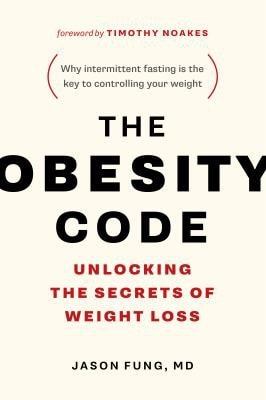
The Obesity Code: The Complete Guide
The Obesity Code made intermittent fasting sound like endocrinology instead of willpower. The keepers are fewer snacks, fewer liquid sugars, and a daily eating window. The danger is fasting on glucose-lowering drugs without a clinician. This guide places Fung next to Longo and modern IF practice.
Read guideDiagnostics & TestingContinuous Glucose Monitoring: The Complete Guide
A continuous glucose monitor (CGM) reveals how YOUR body responds to food in real-time, not population averages. Dave Asprey calls it the most impactful health tool he's used. This guide covers how CGMs work, what you'll learn, and how to use the data to optimize energy, weight, and long-term metabolic health.
Read guide Supplements
Bryan Johnson's Blueprint: The Complete Guide
Bryan Johnson spends ~$2M/year on his 'Don't Die' anti-aging protocol, the most measured human body in history. Blueprint includes 100+ daily supplements, precise sleep/calorie timing, plasma exchange, and relentless biomarker tracking. This guide breaks down what's evidence-based, what's experimental, and what mere mortals can actually adopt.
Read guide Cognitive Enhancement
Bulletproof Coffee: The Complete Guide
Bulletproof Coffee, coffee blended with grass-fed butter and MCT oil, is Dave Asprey's signature biohack and the drink that launched the modern biohacking movement. This guide covers the science of fat-fueled mornings, C8 MCT vs C10, mold-free coffee, and how to build the ritual.
Read guide Supplements
NAD+ & Longevity: The Complete Guide
NAD+ is one of the most critical molecules in human biology, essential for energy, DNA repair, and activating longevity pathways. Levels decline ~50% between ages 40–60. This guide explains what NAD+ does, whether supplementation works, NR vs NMN debate, and how to test your levels.
Read guide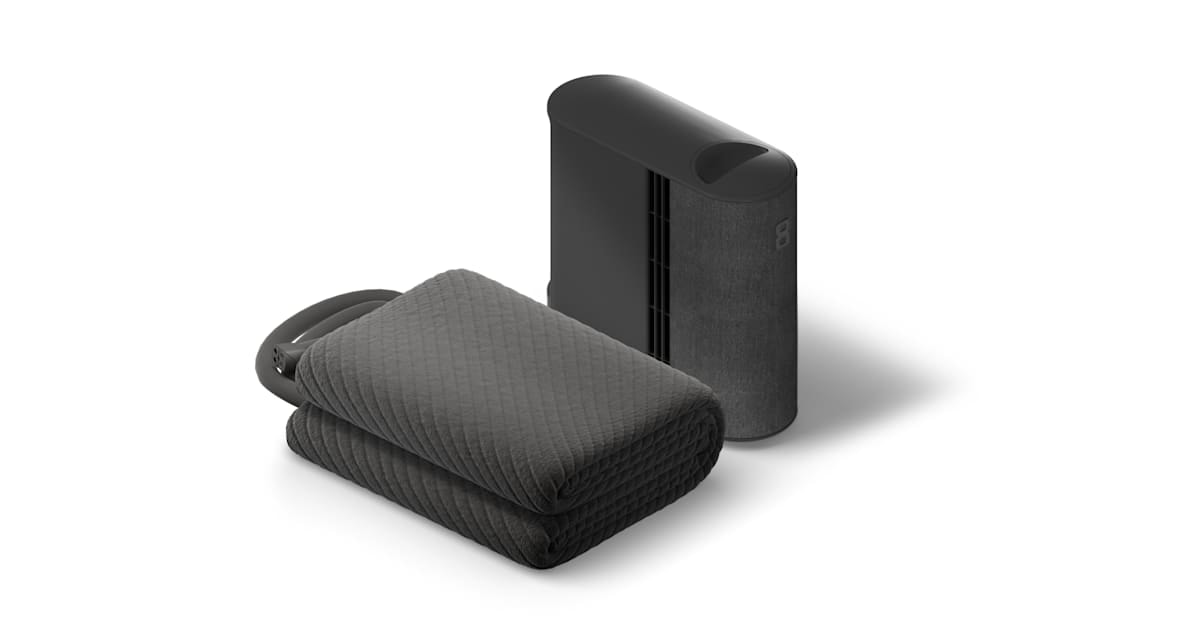 Sleep Optimization
Sleep Optimization: The Complete Guide
Sleep is the foundation every biohacker builds on, Huberman calls it the #1 performance enhancer. This guide covers the science of sleep stages, temperature regulation, light protocols, tracking with wearables, and the complete toolkit for deep restorative sleep.
Read guide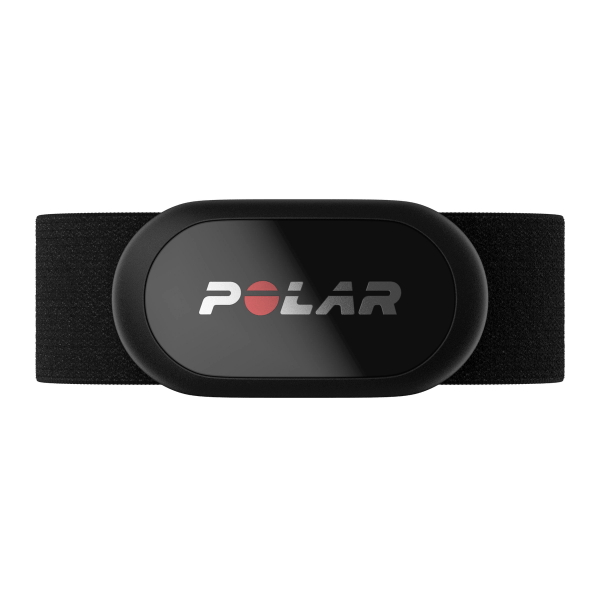 Wearables & Trackers
Zone 2 Heart Rate Chart: Attia Targets by Age
Peter Attia does not publish a single official zone 2 heart rate chart. He uses a talk test, and in a lab a lactate reading near 2 mmol/L. The chart below is the practical substitute: a Maffetone ceiling of 180 minus age, next to 60–70% of estimated max heart rate. Stay under the ceiling only if you can still speak in full sentences, for 3–4 hours a week.
Read guideLast updated: 2026-07-11 · For informational purposes only. Not medical advice. Consult a healthcare provider before starting any new health protocol. Health disclaimer.