
Omega-3 Fatty Acids: The Complete Guide
EPA vs DHA, fish oil quality, dosing for brain and heart, and the Omega-3 Index test
Omega-3 fatty acids (EPA and DHA) are essential for brain structure, cardiovascular health, and inflammation control. Most Western diets are deficient. This guide covers dosing, quality testing, the Omega-3 Index, and how to choose a fish oil.
Health Disclaimer
This content is for general informational and educational purposes only. It is not medical advice, diagnosis, or treatment. Consult a qualified healthcare provider before starting any supplement, peptide, or health protocol. Read our full health disclaimer.
Frequency
Daily
Duration
Ongoing
Level
Beginner
Key Takeaways
- 1Target 2–3g combined EPA+DHA daily for general health; higher for triglyceride reduction
- 2The Omega-3 Index test (% of EPA+DHA in red blood cells) is the best way to verify adequacy, aim for 8%+
- 3Quality matters: third-party tested (IFOS, NSF) for oxidation and heavy metals
- 4Algae oil is a viable vegan alternative with similar DHA content
What Are Omega-3s?
Omega-3 fatty acids are polyunsaturated fats essential for human health, your body can't make them, so they must come from diet or supplements. The two critical forms are EPA (eicosapentaenoic acid) and DHA (docosahexaenoic acid), found primarily in fatty fish and algae.
DHA comprises ~15% of brain structure. EPA drives anti-inflammatory signaling. Both reduce triglycerides, support cardiovascular health, and may improve mood and cognitive function.
The Science
Strong EvidenceOmega-3 Index: percentage of EPA+DHA in red blood cell membranes. Populations with index >8% have lower cardiovascular mortality. Average American is ~4%. Testing (OmegaQuant ~$50) lets you verify supplementation is working.
Cardiovascular: EPA+DHA reduce triglycerides 15–30%, lower blood pressure modestly, and reduce arrhythmia risk. REDUCE-IT trial showed pure EPA (Vascepa) reduced cardiovascular events in high-risk patients.
Brain: DHA supplementation may slow cognitive decline in aging. Epidemiological data links higher fish intake to lower depression rates, though RCT results for mood are mixed.
The Protocol
General health: 2g EPA+DHA combined daily (check label, most fish oil is only 30% EPA+DHA, so a '1000mg fish oil' capsule may contain only 300mg EPA+DHA).
High triglycerides: 3–4g EPA+DHA daily under medical supervision. Inflammatory conditions: higher EPA ratio (2:1 EPA:DHA).
Take with a fat-containing meal for absorption. Split into 2 doses if taking >2g to reduce fishy burps. Store in fridge to prevent oxidation.
- ·Dose: 2–3g EPA+DHA/day (not just fish oil mg)
- ·Test: Omega-3 Index via OmegaQuant, target 8%+
- ·Quality: IFOS 5-star or NSF certified
- ·Vegan: algae oil 300–600mg DHA/day
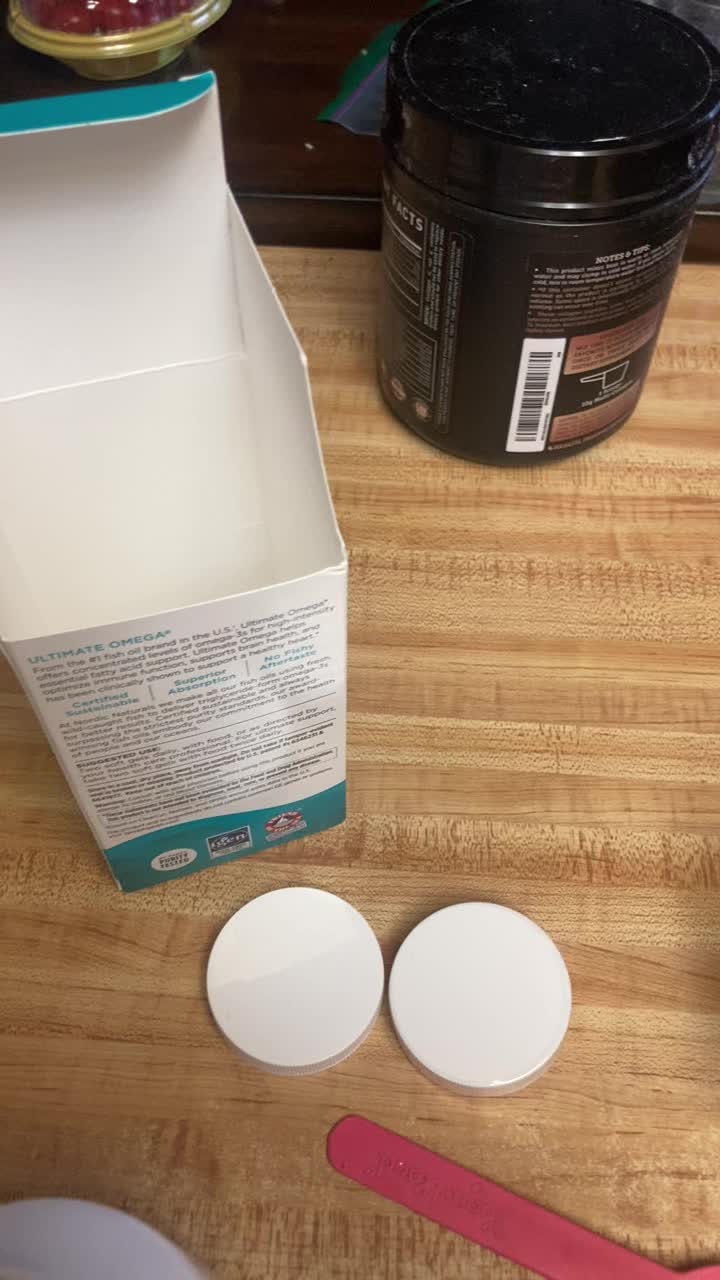
- ·Brands: Nordic Naturals, Carlson, Sports Research
What to Expect
Month 1: Omega-3 Index begins rising. Possible reduction in joint stiffness or dry eye symptoms if deficient.
Month 3: Index should reach 6–8% with consistent dosing. Triglyceride improvements measurable on blood work.
Long-term: part of foundational stack alongside vitamin D, creatine, and magnesium. Effects are preventive, not stimulant-like.
Risks & Quality Concerns
Strong EvidenceOxidized fish oil is worse than no fish oil, rancid oil increases inflammation. Smell test: fresh fish oil smells mildly oceanic, not foul. Buy tested brands.
Blood thinning: high-dose omega-3 (>3g) may increase bleeding risk, discontinue 1 week before surgery. Interacts with anticoagulants.
Heavy metals: reputable brands filter mercury and PCBs. Avoid untested bulk fish oil.
Community Consensus
r/Supplements treats omega-3 as tier-1 alongside creatine and vitamin D. Rhonda Patrick takes 2g+ daily and advocates Omega-3 Index testing. Bryan Johnson includes high-dose EPA+DHA in Blueprint.
Consensus: test your index, buy IFOS-certified oil, take 2g+ EPA+DHA daily. Eating fatty fish 2–3×/week achieves similar results if diet allows.
As an Amazon Associate, Reo Tuku Iho Limited earns from qualifying purchases through Amazon links on this site. Full disclosure
For educational purposes only. Not medical advice. Read our health disclaimer.
Continue Reading
SupplementsBest Omega-3: The Buying Guide
Omega-3 is a foundation supplement if you do not eat fatty fish twice a week. You want EPA+DHA in grams, not a 1,000mg ‘fish oil’ softgel that is mostly filler. This buying guide points at Nordic Naturals Ultimate Omega and tells you what to ignore.
Read guide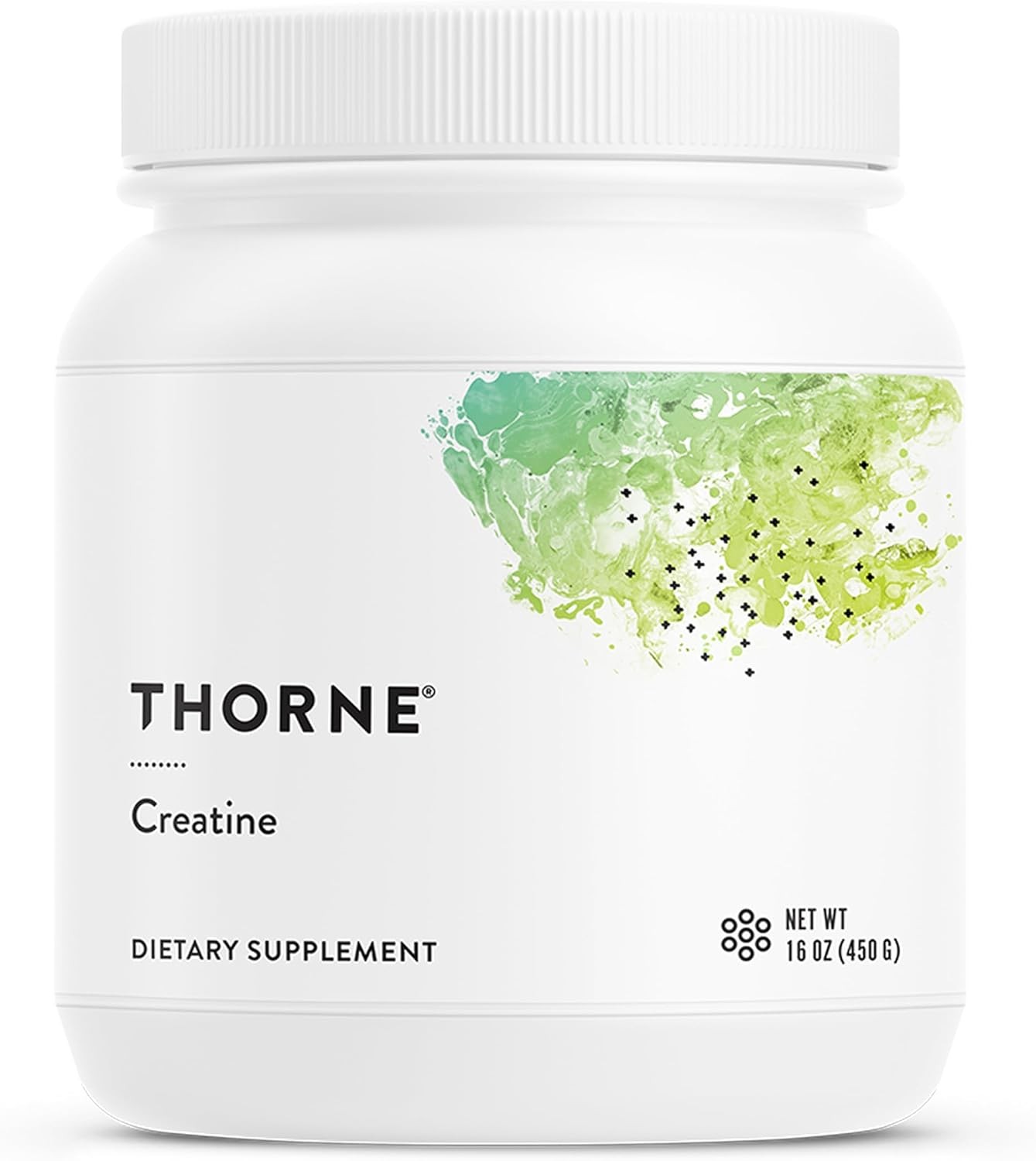 Supplements
Creatine Dose: 5g Daily for Muscle, Bone, and Brain
Take 5 g of creatine monohydrate every day for muscle, bone, and brain. You do not need a separate higher daily dose for bone — the bone research is still early and is studied with lifting, at ordinary doses. Some short brain studies use about 10–20 g a day, split up. That is a research protocol, not the daily dose this guide uses. Saturation from 5 g a day is the default.
Read guide Supplements
NAD+ & Longevity: The Complete Guide
NAD+ is one of the most critical molecules in human biology, essential for energy, DNA repair, and activating longevity pathways. Levels decline ~50% between ages 40–60. This guide explains what NAD+ does, whether supplementation works, NR vs NMN debate, and how to test your levels.
Read guide Supplements
Bryan Johnson's Blueprint: The Complete Guide
Bryan Johnson spends ~$2M/year on his 'Don't Die' anti-aging protocol, the most measured human body in history. Blueprint includes 100+ daily supplements, precise sleep/calorie timing, plasma exchange, and relentless biomarker tracking. This guide breaks down what's evidence-based, what's experimental, and what mere mortals can actually adopt.
Read guide Cognitive Enhancement
Nootropics: The Complete Beginner's Guide
Nootropics, 'smart drugs' and cognitive enhancers, range from daily coffee to prescription modafinil. This guide covers the evidence-backed tier list, the caffeine + L-theanine stack, mushroom nootropics, and why sleep beats any pill.
Read guideDiagnostics & TestingBlood Panel Testing: The Complete Guide
Annual bloodwork is the foundation of data-driven biohacking. Peter Attia's framework prioritizes ApoB, insulin, HbA1c, and inflammatory markers over standard lipid panels. This guide covers what to test, how often, where to order, and how to interpret results.
Read guide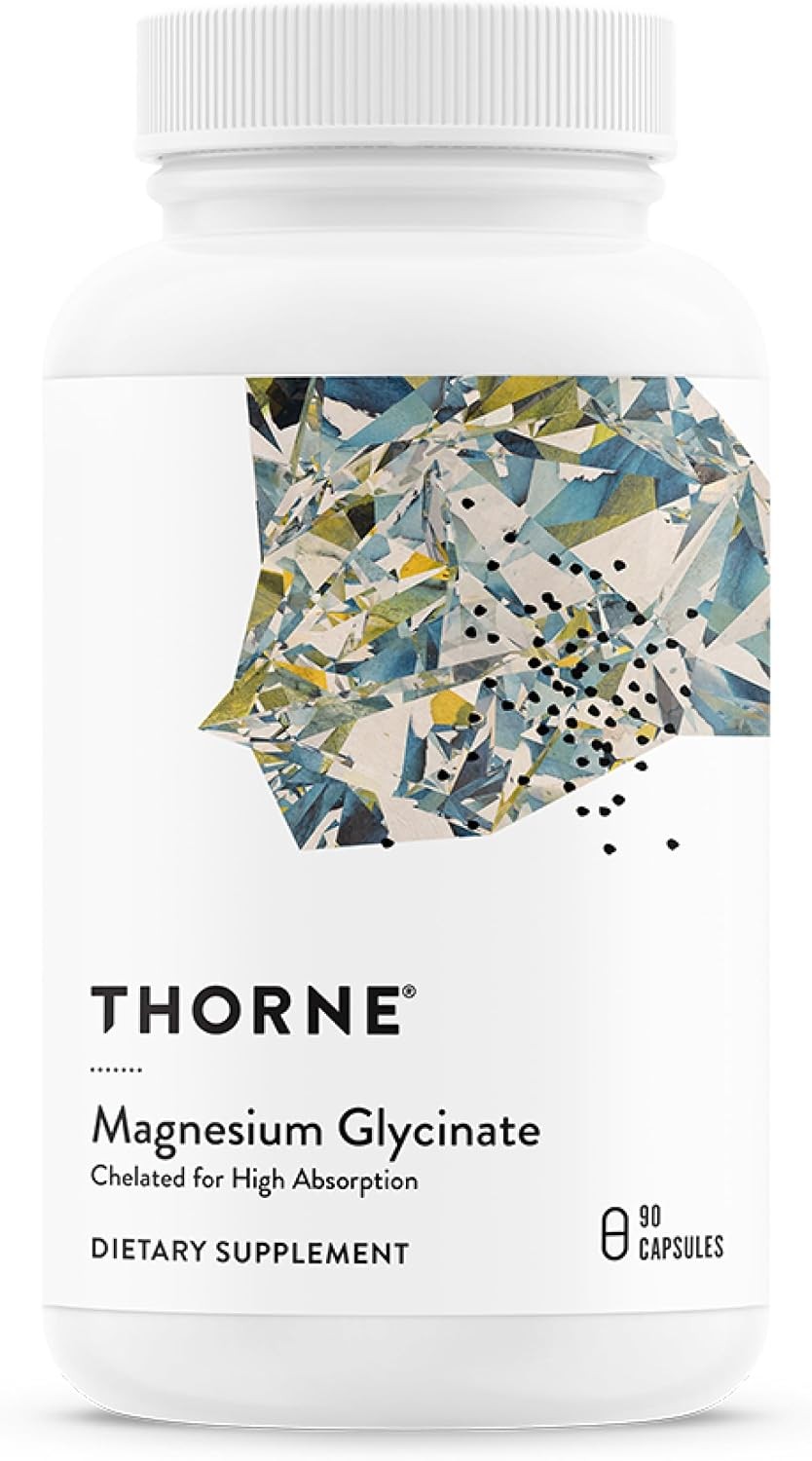 Supplements
Magnesium: The Complete Guide
Up to 50% of adults may not meet optimal magnesium intake. It's involved in 300+ enzymatic reactions, sleep, muscle recovery, stress, and heart rhythm all depend on it. This guide breaks down which form to take, when, and how much.
Read guide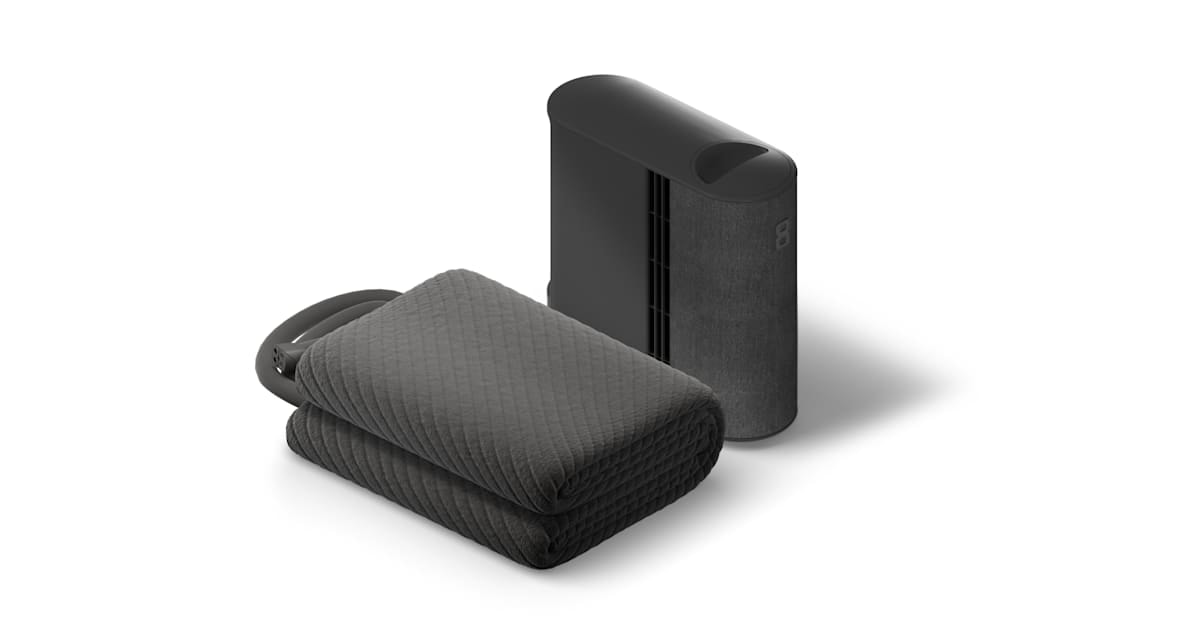 Sleep Optimization
Sleep Optimization: The Complete Guide
Sleep is the foundation every biohacker builds on, Huberman calls it the #1 performance enhancer. This guide covers the science of sleep stages, temperature regulation, light protocols, tracking with wearables, and the complete toolkit for deep restorative sleep.
Read guideLast updated: 2026-07-11 · For informational purposes only. Not medical advice. Consult a healthcare provider before starting any new health protocol. Health disclaimer.