
Creatine Dose: 5g Daily for Muscle, Bone, and Brain
Why the daily monohydrate dose stays 5 g, and when studies use more for bone or brain
Take 5 g of creatine monohydrate every day for muscle, bone, and brain. You do not need a separate higher daily dose for bone — the bone research is still early and is studied with lifting, at ordinary doses. Some short brain studies use about 10–20 g a day, split up. That is a research protocol, not the daily dose this guide uses. Saturation from 5 g a day is the default.
Health Disclaimer
This content is for general informational and educational purposes only. It is not medical advice, diagnosis, or treatment. Consult a qualified healthcare provider before starting any supplement, peptide, or health protocol. Read our full health disclaimer.
Frequency
Daily
Duration
Ongoing
Level
Beginner
Key Takeaways
- 1Daily dose: 5 g creatine monohydrate for muscle, bone, and brain
- 2Higher doses (about 10–20 g) show up in short brain studies, not as a permanent daily dose
- 3Creatine monohydrate is the only form with extensive human evidence, skip fancy variants
- 4Standard dose: 3–5g daily; loading (20g/day × 5 days) is optional, not required
- 5Brain benefits require similar saturation, not just for gym-goers
- 6Safe for long-term use in healthy adults; drink adequate water
Who this is for
- ·Anyone starting a simple, high-evidence daily stack
- ·Vegetarians, vegans, and adults 50+ (often higher responders)
- ·People optimizing both gym performance and cognitive energy
5 g Daily, Including Bone and Brain
Strong EvidenceThe dose that covers muscle, and the dose to stay on while you care about bone or brain, is the same: 5 g of creatine monohydrate once a day. Take it any time, with food or without. Loading at 20 g a day for 5–7 days only fills muscle stores faster. It is not a bone protocol.
Bone: human evidence is still emerging, and the trials pair creatine with resistance training. They do not support a special high dose just because the goal is bone. Lift, eat enough protein, and keep the 5 g.
Brain: a few studies, often in people who eat little meat or who are sleep-deprived, use roughly 10–20 g a day for days to a few weeks, usually split so the stomach tolerates it. Those protocols are not the maintenance dose. If a clinician has not set a different amount, stay at 5 g. The buying guide is best creatine.
- ·Default: 5 g creatine monohydrate daily
- ·Bone: same 5 g, plus lifting — not a higher scoop
- ·Brain research doses of 10–20 g are short-term, not the daily plan
- ·Skip loading if 20 g upsets your stomach; 5 g reaches saturation in about 3–4 weeks
What Is Creatine?
Creatine is a naturally occurring compound stored primarily in muscle and brain tissue. Your body synthesizes roughly 1g/day from amino acids (arginine, glycine, methionine) and obtains another ~1g from meat and fish. Supplementing raises intracellular phosphocreatine stores, which rapidly regenerate ATP during high-intensity effort, muscular or cognitive.
Unlike most biohacking supplements, creatine monohydrate has 30+ years of placebo-controlled research. It's legal, cheap ($0.10–0.30/day), and one of the most studied compounds in sports nutrition. The biohacking angle: it's not just for bodybuilders, brain creatine stores also matter for mental fatigue and sleep deprivation.
The Science
Strong EvidenceMuscle: Meta-analyses consistently show creatine increases lean mass, strength, and power output, especially when combined with resistance training. Effects are modest without training but still measurable in older adults for sarcopenia prevention.
Brain: Creatine supplementation may improve working memory and reduce mental fatigue, particularly under sleep deprivation or stress. Phosphocreatine buffers ATP in neurons the same way it does in muscle. Studies in vegetarians (who have lower baseline creatine) show clearer cognitive benefits.
Aging: Emerging research suggests creatine supports muscle preservation in adults over 50, potentially reducing fall risk and maintaining functional independence. Combined with resistance training, it's one of the highest-ROI longevity interventions under $20/month.
- ·Muscle/strength: strong evidence from 500+ studies
- ·Cognitive: moderate evidence, stronger in low-baseline groups
- ·Bone density: emerging, often studied with resistance training
- ·Hair loss myth: one flawed study, no robust link established
The Protocol
Strong EvidenceMaintenance dosing is simple: 3–5g creatine monohydrate daily, any time of day, with or without food. Consistency matters more than timing. Mix in water, coffee, or a shake, heat doesn't destroy creatine.
Loading (optional): 20g/day split into 4×5g doses for 5–7 days saturates stores faster. Skip loading if you experience bloating or GI discomfort, you'll reach saturation in ~3–4 weeks at 5g/day anyway.
Buy creapure-certified or third-party tested monohydrate. Avoid proprietary blends, liquid creatine, and 'buffered' forms, they cost more with no proven advantage over plain monohydrate.
- ·Dose: 3–5g/day creatine monohydrate
- ·Loading: 20g/day × 5 days (optional)
- ·Form: monohydrate only, micronized if GI-sensitive
- ·Stack: pairs well with protein, no conflict with caffeine
- ·Cycle: not required, safe for continuous use
What to Expect
Week 1 (with loading): +1–2kg water weight from intracellular hydration, this is normal, not fat. Strength may feel slightly improved in high-rep sets.
Week 2–4 (maintenance only): Gradual saturation. Training performance improvements become consistent. Some notice better recovery between sessions.
Month 2+: Full saturation. Cognitive benefits (if any) are subtle, less afternoon brain fog, better focus under sleep debt. Non-responders (~20–30% of people) have naturally high creatine from diet/genetics.
Risks & Contraindications
Strong EvidenceCreatine is among the safest supplements studied. Decades of research show no adverse effects on kidney function in healthy adults. Those with pre-existing kidney disease should consult a physician before supplementing.
Common side effects: bloating or cramping during loading phase (reduce dose or skip loading). Ensure adequate hydration, creatine pulls water into muscle cells.
Not recommended during pregnancy (insufficient safety data). Teenagers can use creatine safely per ISSN position stand, but prioritize whole-food nutrition first.
Community Consensus
r/Supplements and r/Fitness treat creatine monohydrate as the default recommendation, 'just take 5g/day' is the meme-level consensus. Huberman recommends it for both physical and cognitive performance. Rhonda Patrick discusses creatine for brain health in aging.
Universal advice: buy the cheapest tested monohydrate, take it daily, don't overcomplicate. If you're vegetarian, vegan, or over 50, you're likely a high-responder.
As an Amazon Associate, Reo Tuku Iho Limited earns from qualifying purchases through Amazon links on this site. Full disclosure
For educational purposes only. Not medical advice. Read our health disclaimer.
Sources
Key references cited in this guide. Links open the original publication or abstract.
- International Society of Sports Nutrition position stand: safety and efficacy of creatine supplementation in exercise, sport, and medicineJ Int Soc Sports Nutr, 2017
- Effects of creatine supplementation on cognitive function of healthy individuals: A systematic review of randomized controlled trialsExp Gerontol, 2018
- Creatine supplementation and brain health: a mini-review of the mechanisms and therapeutic potentialNutrients, 2021
Continue Reading
SupplementsBest Creatine: The Buying Guide
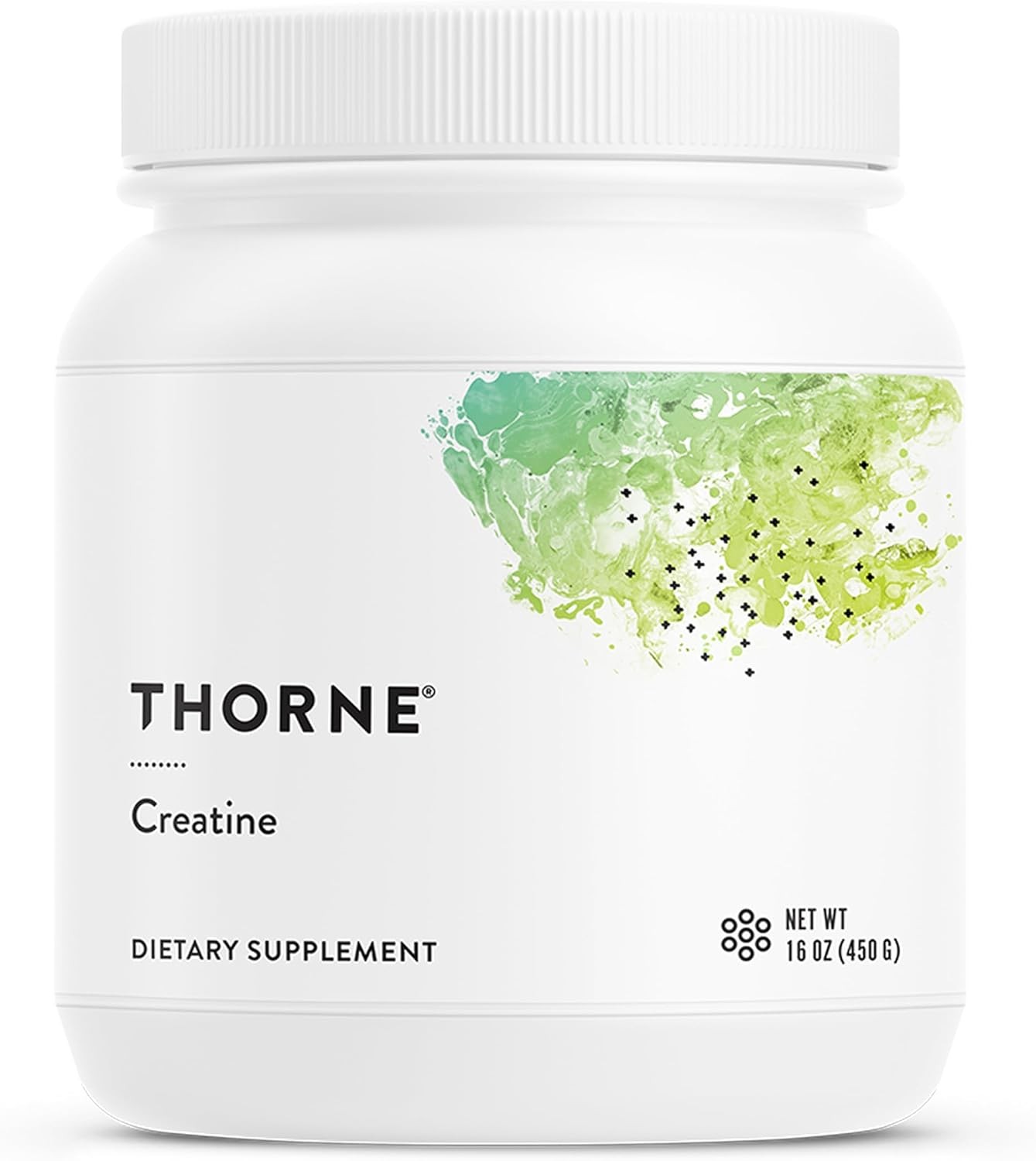
Creatine monohydrate is the rare supplement with decades of human data for strength, and growing interest in cognition and healthy aging. You do not need hydrochloride, buffered, or a $60 tub. This buying guide picks a tested monohydrate and tells you what to ignore.
Read guide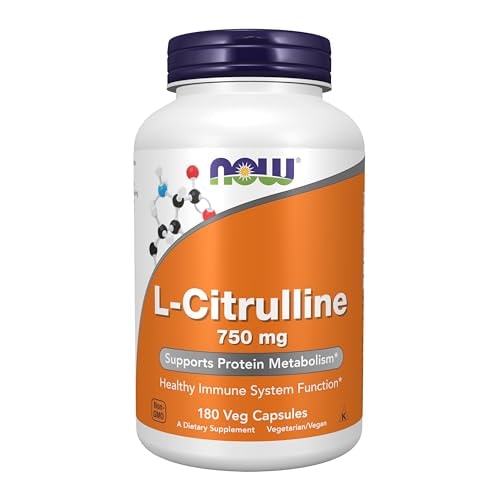 Supplements
Citrulline: The Complete Guide
L-citrulline raises arginine and nitric oxide more reliably than oral arginine for many people. Training studies usually use grams, often as citrulline malate. This guide covers dose honesty and why NOW 750 mg capsules are a stim-free trial, not a pre-workout tub.
Read guide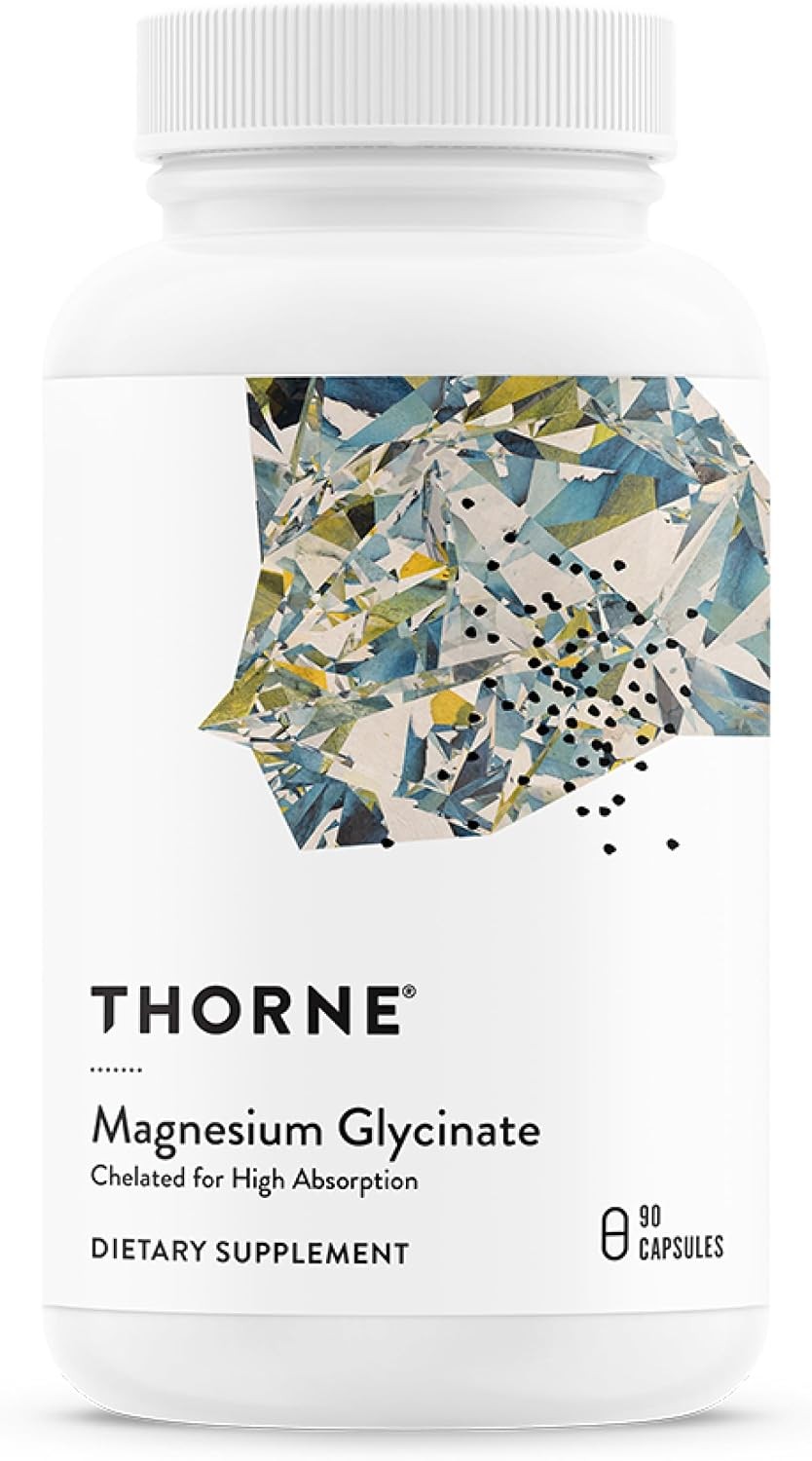 Supplements
Magnesium: The Complete Guide
Up to 50% of adults may not meet optimal magnesium intake. It's involved in 300+ enzymatic reactions, sleep, muscle recovery, stress, and heart rhythm all depend on it. This guide breaks down which form to take, when, and how much.
Read guide Supplements
NAD+ & Longevity: The Complete Guide
NAD+ is one of the most critical molecules in human biology, essential for energy, DNA repair, and activating longevity pathways. Levels decline ~50% between ages 40–60. This guide explains what NAD+ does, whether supplementation works, NR vs NMN debate, and how to test your levels.
Read guide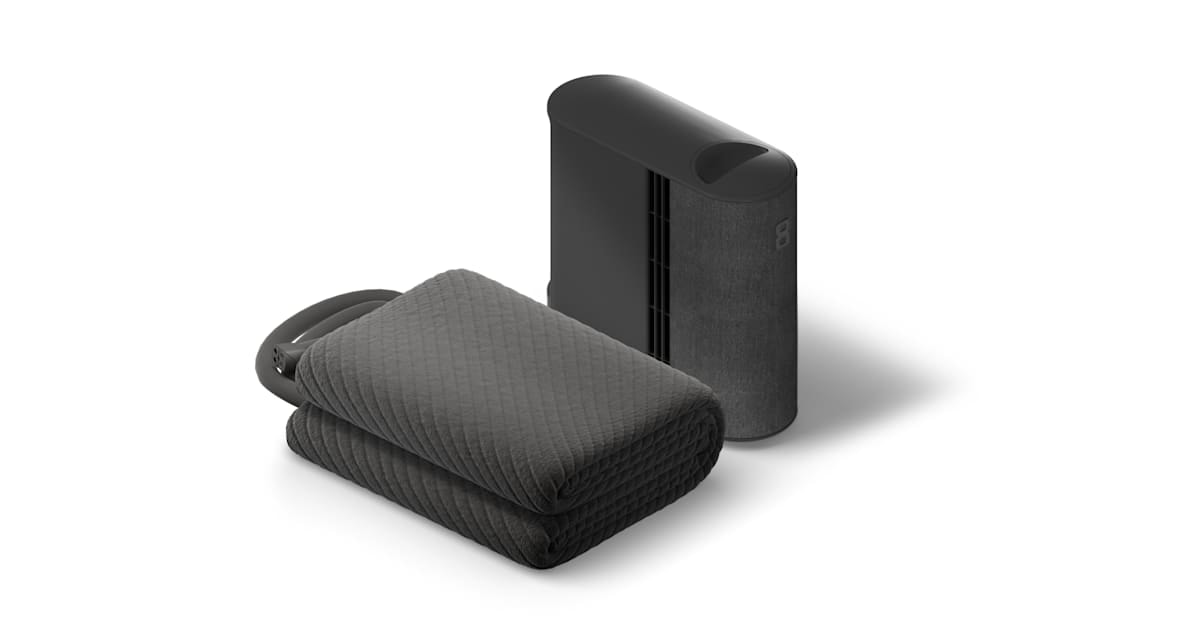 Sleep Optimization
Sleep Optimization: The Complete Guide
Sleep is the foundation every biohacker builds on, Huberman calls it the #1 performance enhancer. This guide covers the science of sleep stages, temperature regulation, light protocols, tracking with wearables, and the complete toolkit for deep restorative sleep.
Read guide Supplements
Omega-3 Fatty Acids: The Complete Guide
Omega-3 fatty acids (EPA and DHA) are essential for brain structure, cardiovascular health, and inflammation control. Most Western diets are deficient. This guide covers dosing, quality testing, the Omega-3 Index, and how to choose a fish oil.
Read guide Wearables & Trackers
Zone 2 Heart Rate Chart: Attia Targets by Age
Peter Attia does not publish a single official zone 2 heart rate chart. He uses a talk test, and in a lab a lactate reading near 2 mmol/L. The chart below is the practical substitute: a Maffetone ceiling of 180 minus age, next to 60–70% of estimated max heart rate. Stay under the ceiling only if you can still speak in full sentences, for 3–4 hours a week.
Read guide Wearables & Trackers
Strength Training for Longevity: The Complete Guide
Cardio gets the longevity headlines, but muscle mass, strength, and power are among the strongest predictors of healthy aging. This guide covers why resistance training belongs next to Zone 2, how much is enough, and a beginner-to-intermediate protocol that still works at 70.
Read guide Supplements
Taurine: The Complete Guide
Taurine is a sulfur-containing amino acid abundant in meat, seafood, and energy drinks. A 2023 Science paper linked age-related taurine decline to aging in animals and lit a longevity-community fire. This guide separates the animal data from human evidence, dosing, and who might actually benefit.
Read guide Supplements
Testosterone Optimization: The Complete Guide
Testosterone optimization is one of the most searched biohacking topics, from natural lifestyle interventions to TRT clinics. Dave Asprey discusses hormonal health as core to vitality and longevity. This guide covers evidence-based natural optimization before pharmaceutical intervention.
Read guide Supplements
Bryan Johnson's Blueprint: The Complete Guide
Bryan Johnson spends ~$2M/year on his 'Don't Die' anti-aging protocol, the most measured human body in history. Blueprint includes 100+ daily supplements, precise sleep/calorie timing, plasma exchange, and relentless biomarker tracking. This guide breaks down what's evidence-based, what's experimental, and what mere mortals can actually adopt.
Read guide Diagnostics & Testing
Continuous Glucose Monitoring: The Complete Guide
A continuous glucose monitor (CGM) reveals how YOUR body responds to food in real-time, not population averages. Dave Asprey calls it the most impactful health tool he's used. This guide covers how CGMs work, what you'll learn, and how to use the data to optimize energy, weight, and long-term metabolic health.
Read guideLast updated: 2026-10-05 · For informational purposes only. Not medical advice. Consult a healthcare provider before starting any new health protocol. Health disclaimer.