
Breathwork: The Complete Guide
Wim Hof method, box breathing, CO₂ tolerance, and nervous system control
Breathwork is the most accessible biohack, free, immediate, and backed by real physiology. From Wim Hof's hyperventilation cycles to Navy SEAL box breathing, controlled breathing shifts autonomic state in minutes. This guide covers protocols, mechanisms, and building a daily practice.
Frequency
Daily
Duration
5–15 minutes
Level
Beginner

Key Takeaways
- 1Box breathing (4-4-4-4) activates parasympathetic calm in 2–5 minutes
- 2Wim Hof breathing increases adrenaline temporarily, never practice near water or while driving
- 3CO₂ tolerance training (breath holds) improves athletic performance and stress resilience
- 45–10 minutes daily beats occasional long sessions
What Is Breathwork?
Breathwork encompasses intentional breathing techniques to influence physiology, mental state, and autonomic nervous system balance. Unlike unconscious breathing, deliberate patterns can shift you from sympathetic (fight-or-flight) to parasympathetic (rest-and-digest) dominance in minutes.
It's used before cold exposure (Wim Hof), during stress (box breathing), for sleep (4-7-8 breathing), and for athletic performance (CO₂ tolerance tables). Zero equipment required.
The Science
Moderate EvidenceSlow exhale-dominant breathing activates the vagus nerve, lowering heart rate and cortisol. Fast cyclic hyperventilation (Wim Hof) temporarily alkalizes blood, triggers adrenaline release, and may activate immune response, demonstrated in Radboud University endotoxin studies.
CO₂ tolerance: higher tolerance to blood CO₂ (from breath holds) correlates with better athletic performance and calmer stress response. Training involves controlled breath holds after exhalation, progressively extending duration.
Heart rate variability (HRV) improves with regular slow breathing at ~6 breaths/minute (5 sec in, 5 sec out), the 'resonance frequency' for most adults.
Core Protocols
Box breathing (Navy SEAL): inhale 4 sec, hold 4 sec, exhale 4 sec, hold 4 sec. Repeat 4–8 cycles. Use before stressful events, meetings, or sleep.
Wim Hof: 30–40 deep breaths (belly + chest), exhale and hold until urge to breathe, recovery breath and hold 15 sec. Repeat 3–4 rounds. Always seated/lying down. Never in water or while driving.
Huberman physiological sigh: double inhale through nose (one full + one short sip) + long exhale through mouth. Fastest known method to reduce stress in real-time, 1–3 reps.
- ·Morning: Wim Hof (3 rounds) before cold exposure
- ·Stress: physiological sigh or box breathing
- ·Sleep: 4-7-8 breathing (inhale 4, hold 7, exhale 8)
- ·Athletic: CO₂ tables, breath hold after exhale, extend 5 sec/week
- ·Daily minimum: 5 min slow breathing at 6 breaths/min
What You'll Experience
Box breathing: immediate calm, reduced heart rate within 2–3 cycles. Effects last 30–60 minutes.
Wim Hof: tingling, lightheadedness during hyperventilation (normal), adrenaline surge, then deep calm after. Many report enhanced cold tolerance immediately after.
Daily practice (2 weeks): improved baseline HRV, faster recovery from stressors, better sleep onset if practiced before bed (slow breathing only, not Wim Hof).
Risks & Safety
Strong EvidenceWim Hof hyperventilation can cause fainting, always practice seated or lying down. Never in water (shallow water blackout risk). Never while driving or operating machinery.
Breath holds: avoid if you have uncontrolled hypertension, epilepsy, or panic disorder without professional guidance.
Pregnancy: stick to gentle slow breathing; avoid hyperventilation and prolonged breath holds.
Community Consensus
r/Breathwork and r/Biohackers treat breathwork as underrated, 'free, instant, and it actually works.' Wim Hof method pairs naturally with cold exposure. Huberman's physiological sigh is gaining traction as the fastest stress reset.
Consensus: 5 minutes daily of intentional breathing beats occasional 30-minute sessions. Build habit before chasing advanced techniques.
As an Amazon Associate, Reo Tuku Iho Limited earns from qualifying purchases through Amazon links on this site. Full disclosure
Continue Reading
 Cold Therapy
Cold Exposure: The Complete Guide
Deliberate cold exposure is one of the most accessible biohacks with measurable effects on norepinephrine, dopamine, metabolism, and mental resilience. This guide breaks down the Huberman protocol (11 min/week), the Wim Hof method, what happens to your body, and how to build a sustainable practice.
Read guide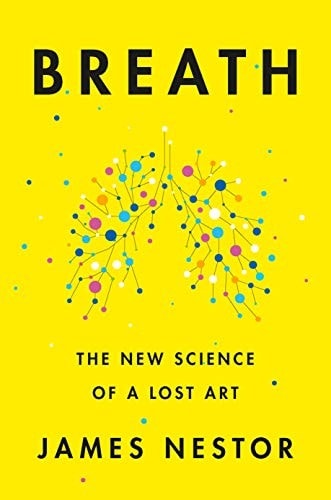 Cognitive Enhancement
James Nestor & Breath: The Complete Guide
Breath (2020) made nasal breathing and mouth tape mainstream. James Nestor’s reporting is strongest on nitric oxide, sleep-disordered breathing, and the cost of chronic mouth breathing — looser on some anthropology. This guide turns the book into a two-week practice and links the hardcover plus tape and nasal strips.
Read guide Cognitive Enhancement
Nootropics: The Complete Beginner's Guide
Nootropics, 'smart drugs' and cognitive enhancers, range from daily coffee to prescription modafinil. This guide covers the evidence-backed tier list, the caffeine + L-theanine stack, mushroom nootropics, and why sleep beats any pill.
Read guide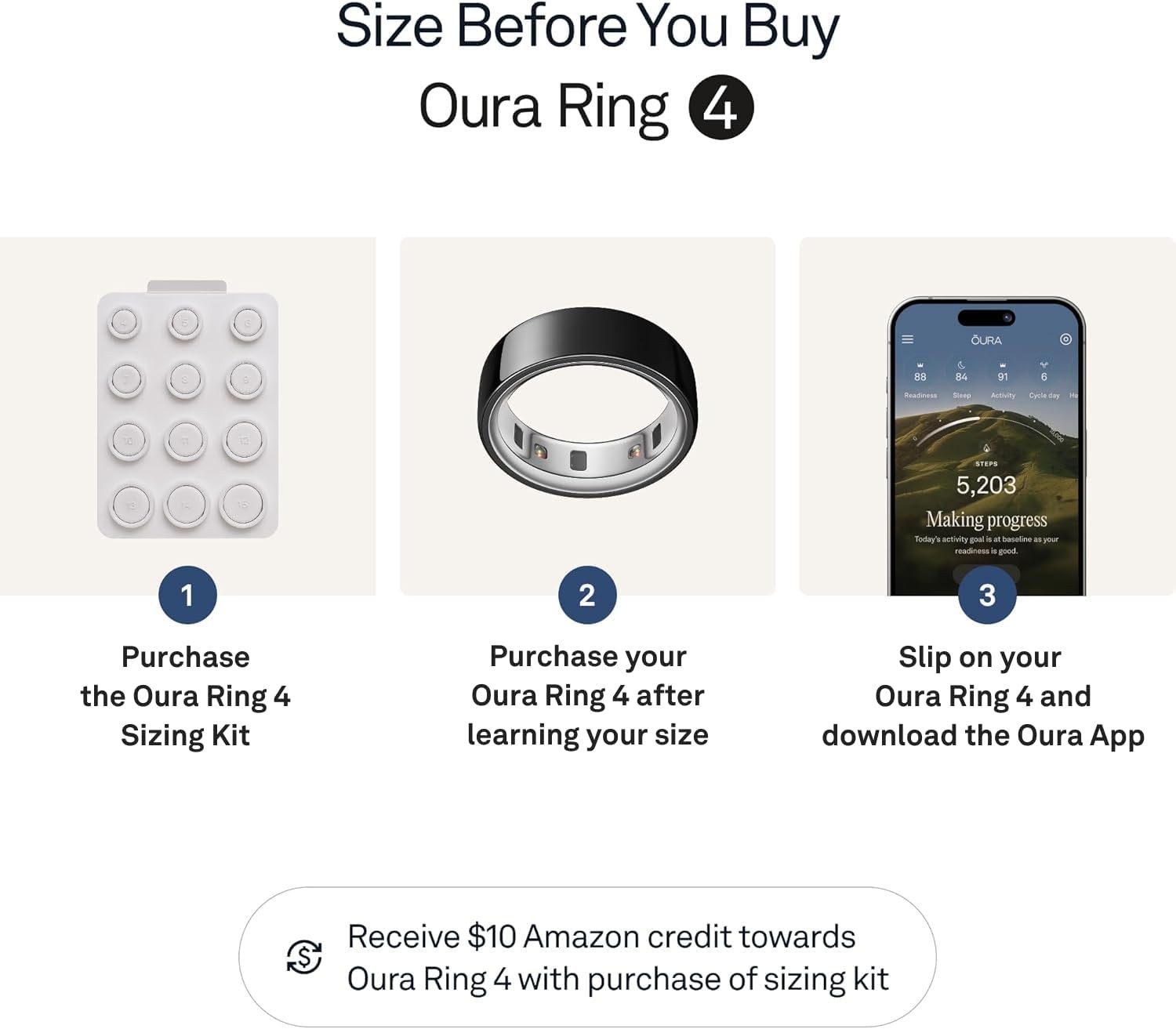 Wearables & Trackers
HRV & Recovery Tracking: The Complete Guide
Heart rate variability (HRV) is the most actionable biometric for biohackers, it tells you when to push hard and when to rest. This guide explains what HRV means, how Oura and WHOOP use it, lifestyle factors that destroy recovery, and how to actually use the data. Ready to buy? See Oura vs WHOOP or Garmin vs Oura vs WHOOP.
Read guide Cognitive Enhancement
Vagus Nerve Stimulation: The Complete Guide
The vagus nerve is the master regulator of your parasympathetic nervous system, controlling heart rate, digestion, inflammation, and emotional regulation. Dave Asprey calls vagus nerve toning essential for stress resilience. This guide covers natural stimulation techniques and clinical devices.
Read guide Cognitive Enhancement
Neurofeedback: The Complete Guide
Neurofeedback uses real-time EEG monitoring to train your brain toward desired states, more focus, less anxiety, deeper meditation. Dave Asprey invested millions in 40 Years of Zen, claiming IQ gains of 12+ points. This guide separates clinical neurofeedback from consumer devices.
Read guideLast updated: 2026-07-11 · For informational purposes only. Not medical advice. Consult a healthcare provider before starting any new health protocol. Health disclaimer.