

Equipment Reference
Muse
Muse S Headband
EEG meditation feedback, train your brain to calm down
Muse S is the leading consumer EEG headband, it reads your brainwaves during meditation and provides real-time audio feedback. Calm mind? Birds chirp. Wandering mind? Storm sounds return. Dave Asprey recommends it as an entry point to neurofeedback before investing in clinical sessions.
Typical price: $399 – $450 USD
How It Works
Muse doesn't do clinical neurofeedback (which requires 19-channel EEG and trained practitioners). Instead, it provides real-time awareness of your mental state during meditation. The audio feedback loop trains attention, when you notice the storm sounds, you refocus, which strengthens meditation practice over time. It's meditation training wheels with data.
EEG Brain Sensing
4 EEG sensors on the forehead and behind the ears detect alpha, beta, theta, and delta wave activity in real time.
Audio Feedback
Choose soundscapes (beach, rainforest) that respond to your brain state, rewarding calm with pleasant sounds.
Sleep Tracking
Muse S adds PPG heart rate and movement sensors for sleep stage tracking and digital sleeping pills (guided sleep journeys).
Progress Tracking
App tracks session history, calm percentage, and long-term trends, gamifying meditation consistency.
What You'll Experience
First Session
Day 1Setup takes 5 minutes, wet the sensors, position the headband. First meditation feels like a game. 'Oh, that's what my brain wandering sounds like.'
First Month
Weeks 1–4Calm percentage gradually increases. Sessions become a daily habit because the feedback loop is genuinely engaging. 10–20 min sessions.
Long-term
Month 3+Meditation skill transfers off-device. Many users report needing Muse less as internal awareness develops. Sleep tracking adds secondary value.
Benefits
Meditation Consistency
Moderate EvidenceFeedback loop makes daily practice sticky and measurable
Stress Reduction
Strong EvidenceRegular meditation practice reduces cortisol and anxiety
Sleep Support
Moderate EvidenceGuided sleep journeys and sleep stage tracking
Neurofeedback Entry
AnecdotalBuilds awareness before clinical neurofeedback investment
Risks & Considerations
Not Clinical Neurofeedback
low riskCannot diagnose or treat ADHD, anxiety, or other conditions. Meditation trainer only.
Sensor Contact
low riskThick hair or dry skin can cause signal issues. Requires moistened sensors.
Subscription Features
low riskSome advanced features require Muse Premium subscription ($12.99/month).
Community Reviews
Synthesized consensus from Reddit, forums, and expert sources.
Muse is the best meditation trainer for people who can't sit still. 'The birds chirping when I'm calm is genuinely addictive.' Not a replacement for clinical neurofeedback but excellent for building habit.
- ·Makes meditation measurable and gamified
- ·Sleep journeys are underrated
- ·Sensor contact issues with thick hair
- ·Dave Asprey's recommended consumer neurofeedback entry
Related Equipment
Compare alternatives in the same category — specs, price, and who each product fits best.
Learn More: Full Guides
 Wearables & Trackers
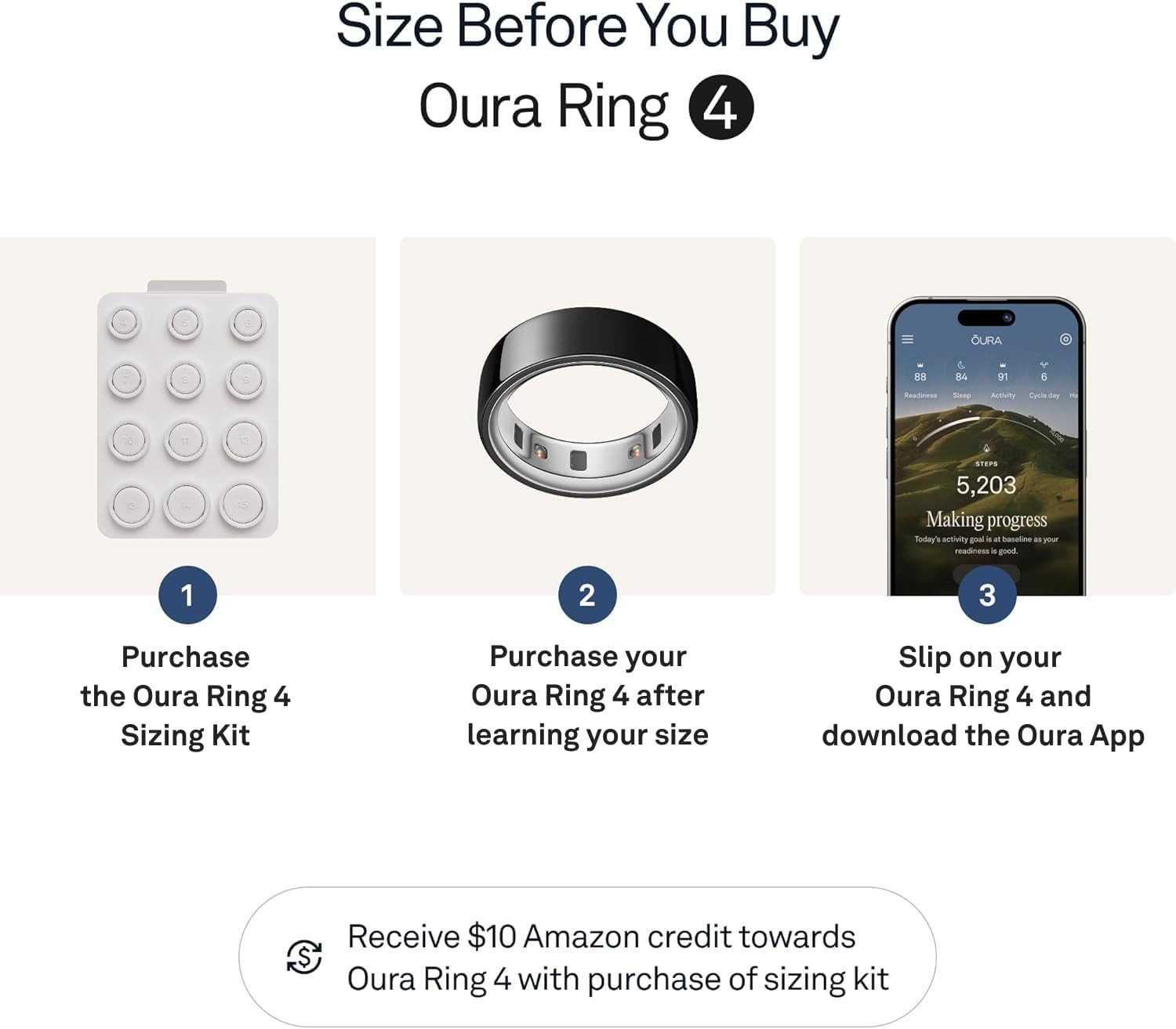
HRV & Recovery Tracking: The Complete Guide
Heart rate variability (HRV) is the most actionable biometric for biohackers, it tells you when to push hard and when to rest. This guide explains what HRV means, how Oura and WHOOP use it, lifestyle factors that destroy recovery, and how to actually use the data. Ready to buy? See Oura vs WHOOP or Garmin vs Oura vs WHOOP.
Read guide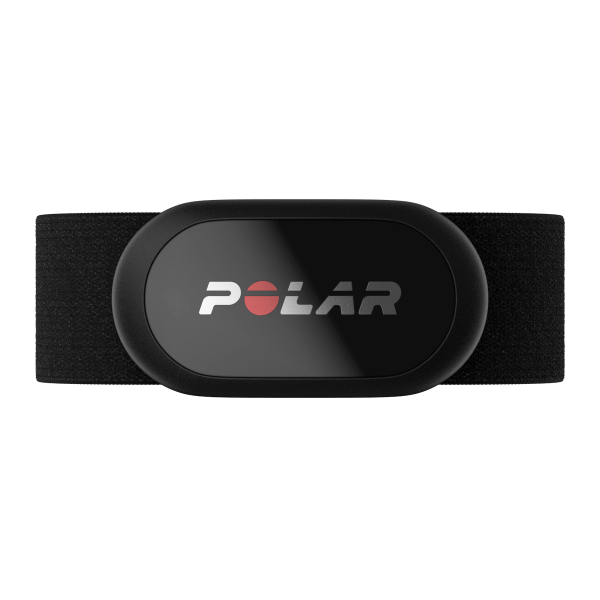 Wearables & Trackers
Zone 2 Heart Rate Chart: Attia Targets by Age
Peter Attia does not publish a single official zone 2 heart rate chart. He uses a talk test, and in a lab a lactate reading near 2 mmol/L. The chart below is the practical substitute: a Maffetone ceiling of 180 minus age, next to 60–70% of estimated max heart rate. Stay under the ceiling only if you can still speak in full sentences, for 3–4 hours a week.
Read guideLast updated: 2026-07-11 · Informational only. Not medical advice. Health disclaimer.