
Circadian Rhythm Optimization: The Complete Guide
Morning light, evening dimming, meal timing, temperature, and the master clock protocol
Your circadian rhythm governs sleep, hormones, metabolism, and mood. Huberman and Walker's most foundational advice isn't a supplement or gadget, it's light exposure timing. This guide covers the complete circadian protocol: morning sunlight, evening protection, meal timing, and temperature.
Frequency
Daily
Duration
Lifestyle
Level
Beginner

Key Takeaways
- 1View bright light within 30–60 minutes of waking to set your master clock (SCN)
- 2Avoid bright overhead light between 10pm–4am, the 'depression circuit' Huberman describes
- 3Meal timing affects peripheral clocks: consistent eating windows reinforce circadian alignment
- 4Weekend social jet lag (sleeping in 2+ hours) disrupts rhythm more than most supplements help
What Is the Circadian Rhythm?
The circadian rhythm is a roughly 24-hour internal clock driven by the suprachiasmatic nucleus (SCN) in the hypothalamus. It regulates sleep-wake cycles, cortisol release, melatonin production, body temperature, hunger hormones, and cellular repair timing across virtually every organ system.
Light is the primary zeitgeber (time-giver) for the master clock. Food timing, exercise, and temperature serve as secondary zeitgebers for peripheral clocks in the liver, gut, and muscle. When these signals conflict, think bright light at midnight plus a late meal, circadian disruption follows.
Morning Light Protocol
Strong EvidenceHuberman's core protocol: Get 2–10 minutes of bright light in your eyes within 30–60 minutes of waking. Outdoor sunlight is ideal (even on cloudy days, 10× brighter than indoor lighting). No sunglasses during this window. Don't stare at the sun, just be outside.
Cloudy day fallback: 10–20 minutes outside, or use a 10,000 lux light therapy lamp for 20–30 minutes at arm's length. The key is photon count reaching the retina, not heat or UV.
Why it matters: Morning light triggers a cortisol pulse (healthy), advances melatonin onset 12–14 hours later, and sets the entire day's hormonal cascade. Missing morning light is the single most common circadian error in modern life.
Exercise amplifies: Morning outdoor exercise (walk, jog, zone 2) combines light exposure with movement, a double zeitgeber signal. Huberman's ideal: sunlight + movement within 60 minutes of waking.
- ·2–10 min outdoor sunlight within 60 min of waking
- ·Cloudy days: 10–20 min outside or 10,000 lux lamp
- ·No sunglasses during morning light window
- ·Combine with movement for amplified effect
Evening Light Protection
Strong EvidenceHuberman's critical rule: Avoid bright overhead artificial light between 10pm and 4am. This light exposure suppresses melatonin and activates a neural circuit ( habenula-to-PFC) linked to mood disruption in animal models.
Practical steps: Dim overhead lights after sunset. Use floor lamps or desk lamps at eye level or below. Enable night shift/blue light reduction on devices, but don't rely on it, screen brightness matters more than color temperature.
Blue blockers: Amber/orange lens glasses (not clear 'blue light' coatings) block enough short-wavelength light to protect melatonin if you must use screens after dark. Wear 1–2 hours before target sleep time.
Matthew Walker's addition: Keep the bedroom dark (blackout curtains or sleep mask) and cool (65–68°F / 18–20°C). Light and temperature are the two environmental sleep variables within your control.
- ·Dim overhead lights after sunset
- ·No bright light 10pm–4am (Huberman rule)
- ·Amber blue blockers 1–2 hours before bed
- ·Bedroom: dark + cool (65–68°F)
Meal Timing & Peripheral Clocks
Moderate EvidenceSatchin Panda's time-restricted eating research shows that confining food intake to a consistent 8–12 hour window synchronizes peripheral clocks in the liver, gut, and pancreas. Irregular meal timing is a form of metabolic jet lag.
Circadian-aligned eating: Front-load calories earlier in the day when insulin sensitivity is highest. Avoid large meals within 2–3 hours of bedtime, digestive activity competes with sleep onset.
Caffeine cutoff: Huberman recommends no caffeine 8–10 hours before bed (caffeine half-life is 5–6 hours). A 2pm cutoff for 10pm bedtime is a safe default.
- ·Consistent eating window (8–12 hours daily)
- ·Front-load calories to morning/afternoon
- ·No large meals within 2–3 hours of bed
- ·Caffeine cutoff 8–10 hours before sleep
Consistency Over Optimization
Social jet lag: Sleeping 2+ hours later on weekends vs weekdays resets your clock every Monday. Huberman and Walker both emphasize consistent wake time 7 days/week as more impactful than any sleep supplement.
Travel: Advance (eastward) travel is harder than delay (westward). Pre-adjust sleep by 30–60 min/night for 3 days before travel. Morning light at destination accelerates adaptation.
Shift workers: The hardest circadian challenge. Bright light during 'biological night' is actively harmful. If possible, maintain consistent shift blocks rather than rotating schedules.
Community Consensus
Huberman Lab podcast episodes on light and circadian rhythm are among the most-referenced content in r/Biohackers and r/HubermanLab. 'Get morning sunlight' is the default first response to any sleep question.
Consensus hierarchy: (1) consistent wake time, (2) morning light, (3) evening light protection, (4) temperature, (5) then supplements. Most people skip straight to magnesium or melatonin without fixing light timing first.
As an Amazon Associate, Reo Tuku Iho Limited earns from qualifying purchases through Amazon links on this site. Full disclosure
Continue Reading
 Sleep Optimization
Satchin Panda & The Circadian Code: The Complete Guide
Satchin Panda’s Circadian Code made ‘when you eat’ as famous as ‘what you eat.’ The protocol is a consistent daytime eating window, morning outdoor light, and a dark evening — not a 16:8 religion. This guide maps the book onto our fasting and circadian pages and flags who should not compress meals.
Read guide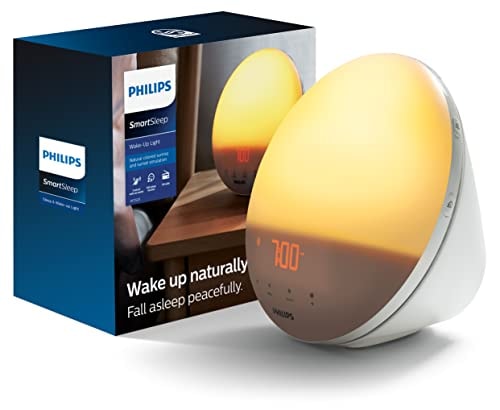 Sleep Optimization
Sunrise Alarm Clocks: The Complete Guide
A wake-up light ramps brightness before sound so you are not yanked out of deep sleep by a phone. It is a circadian cue, not a medical light box. This guide covers when the Philips HF3520 is worth it and when a walk outside beats another gadget.
Read guide Sleep Optimization
Sleep Optimization: The Complete Guide
Sleep is the foundation every biohacker builds on, Huberman calls it the #1 performance enhancer. This guide covers the science of sleep stages, temperature regulation, light protocols, tracking with wearables, and the complete toolkit for deep restorative sleep.
Read guide Supplements
Intermittent Fasting: The Complete Guide
Intermittent fasting (IF) is one of the most practiced biohacks worldwide, popularized by Dave Asprey's Bulletproof approach and validated by decades of metabolic research. This guide covers 16:8 vs OMAD, ketosis timing, autophagy windows, and who should avoid fasting.
Read guide Light Therapy
Red Light Therapy: The Complete Guide
Red and near-infrared light therapy (photobiomodulation) uses specific wavelengths to enhance mitochondrial function, accelerate recovery, and support skin health. This guide explains the science, optimal wavelengths, daily protocols, and how to evaluate the crowded device market.
Read guide Sleep Optimization
Apigenin for Sleep: The Complete Guide
Apigenin is a flavonoid from chamomile that modulates GABA receptors for sleep support. Andrew Huberman popularized it as part of his sleep stack alongside magnesium threonate and theanine. This guide covers mechanism, dosing, stacking, and realistic expectations.
Read guide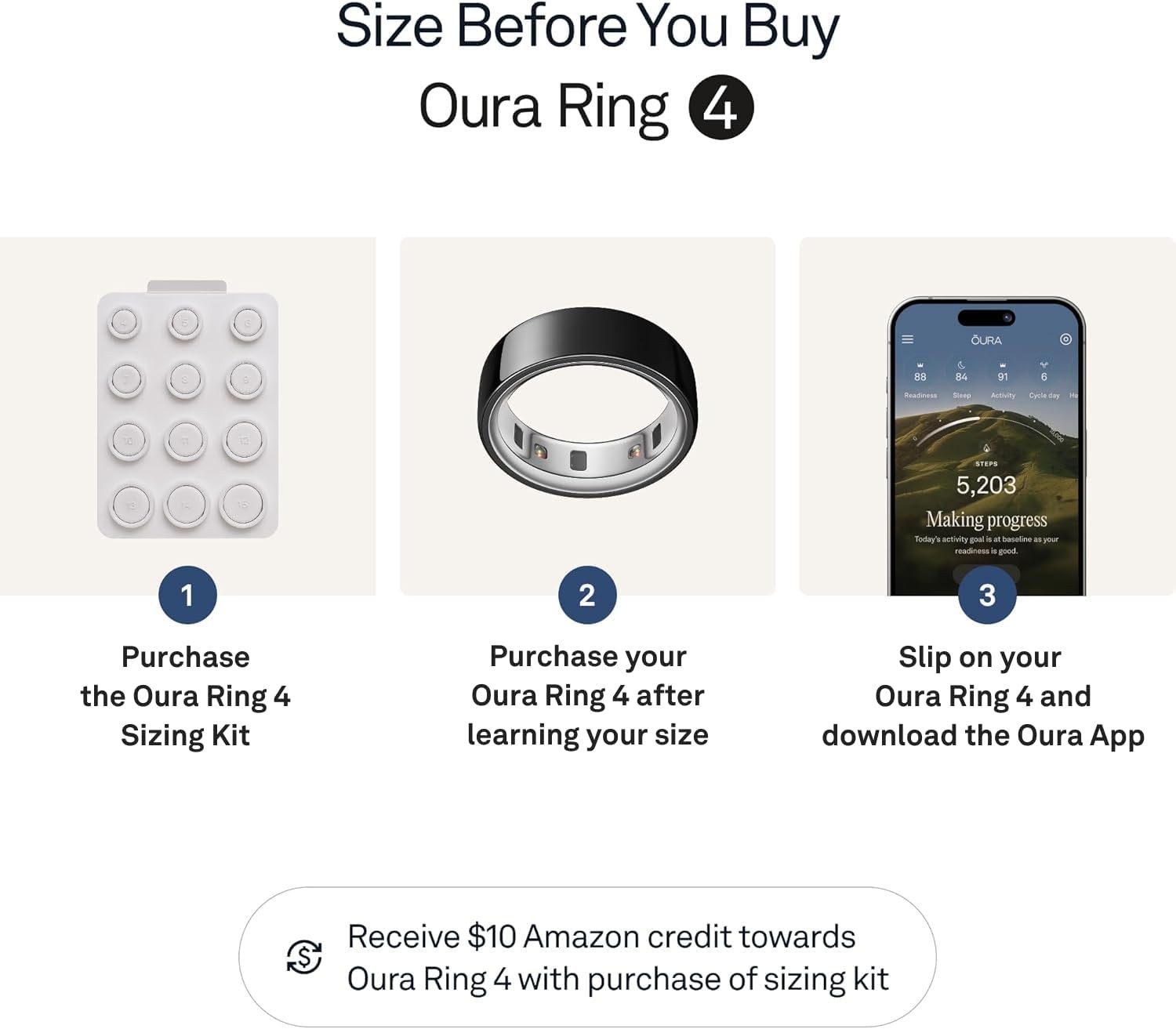 Wearables & Trackers
Oura Ring vs WHOOP (2026): Ring vs Band, Cost & Which to Buy
Oura and WHOOP are the two wearables biohackers debate most. Oura excels at passive sleep staging and HRV detail in an unobtrusive ring. WHOOP excels at training load management with its strain/recovery loop. This guide compares accuracy, pricing, use cases, and who should buy which. Considering Garmin too? See Garmin Fenix vs Oura vs WHOOP.
Read guideLast updated: 2026-07-11 · For informational purposes only. Not medical advice. Consult a healthcare provider before starting any new health protocol. Health disclaimer.