
Oura Ring vs WHOOP (2026): Ring vs Band, Cost & Which to Buy
Sleep tracking vs strain coaching, subscription costs, accuracy, and why many biohackers own both
Oura and WHOOP are the two wearables biohackers debate most. Oura excels at passive sleep staging and HRV detail in an unobtrusive ring. WHOOP excels at training load management with its strain/recovery loop. This guide compares accuracy, pricing, use cases, and who should buy which. Considering Garmin too? See Garmin Fenix vs Oura vs WHOOP.
Frequency
Daily wear
Duration
Ongoing
Level
Beginner
Key Takeaways
- 1Oura: best for sleep optimization, illness detection, and passive 24/7 tracking
- 2WHOOP: best for athletes managing training load with strain/recovery decisions
- 3Both require subscriptions ($6/mo Oura, $30/mo WHOOP) on top of hardware cost
- 4Many serious biohackers use Oura for sleep and WHOOP for training, not either/or
Who this is for
- ·Buyers choosing between a sleep-first ring and a training-first band
- ·People deciding if dual-wearable (Oura + WHOOP) is worth the cost
- ·Anyone comparing subscription models before purchase
- ·Readers who want HRV context first — start with our HRV guide, then return here
The Core Difference
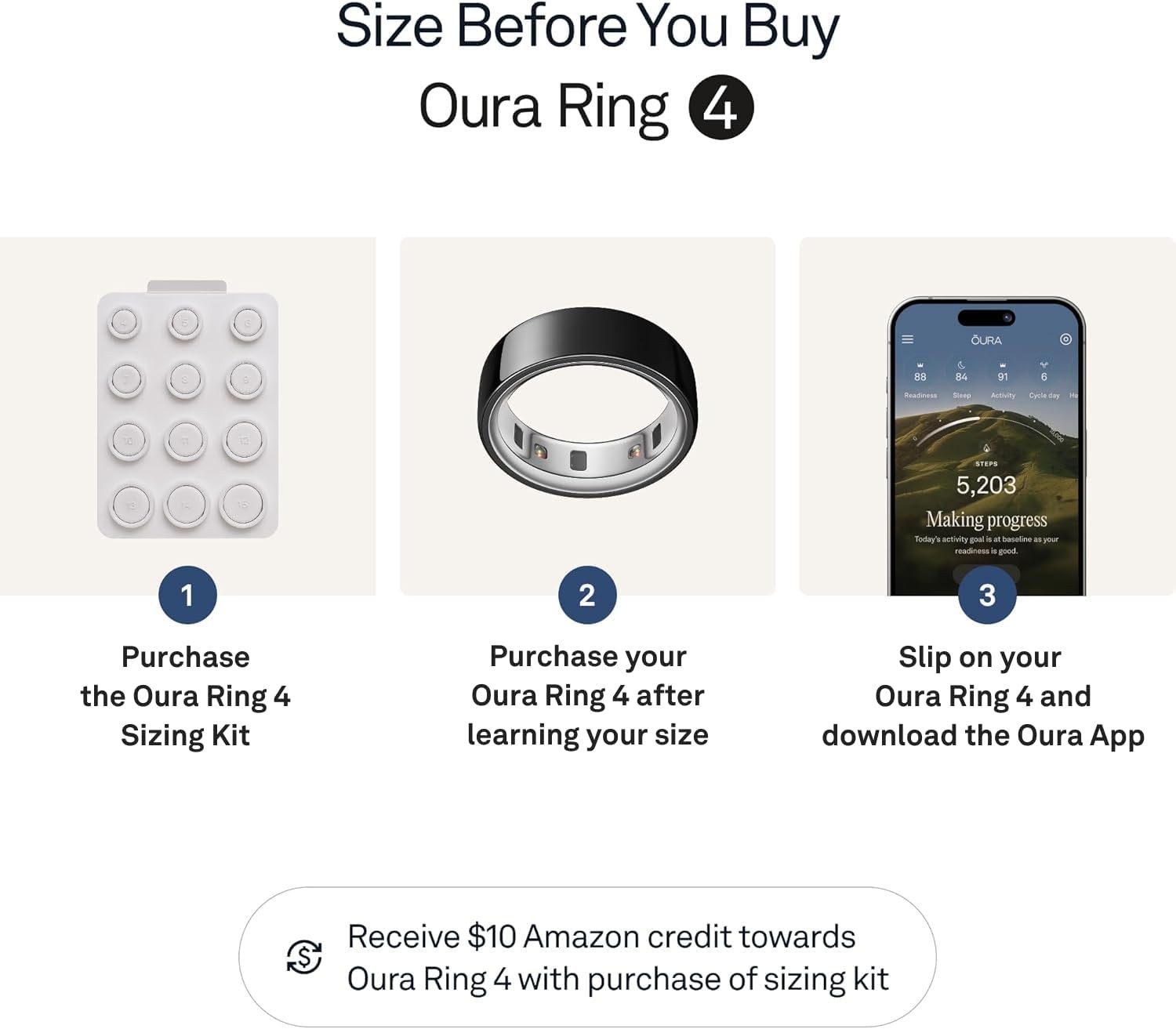
Oura Ring and WHOOP solve different problems. Price, the $5.99/month membership, and the verdict for the ring alone are in the Oura Ring 4 review. Oura is a passive health dashboard: you wear it, sleep, live your life, and check Readiness and Sleep scores each morning. It tells you how well you recovered and whether your body is ready for stress.
WHOOP is an active training coach: it quantifies daily cardiovascular strain and compares it to your Recovery score. Green means push hard, red means back off. It's built for people who train seriously and need objective load management.
Neither replaces the other perfectly. Oura users often wish for better workout strain tracking. WHOOP users often wish for more granular sleep staging. The overlap is HRV and recovery, but the framing and daily workflow differ significantly.
Sleep Tracking Comparison
Strong EvidenceOura is widely considered the best consumer sleep tracker. Multiple validation studies compare favorably to polysomnography for sleep staging. It tracks light, deep, and REM sleep, respiratory rate, skin temperature, and blood oxygen (Gen 3+). The ring form factor means zero discomfort during sleep.
WHOOP sleep tracking is good but less detailed. It provides sleep performance percentage and stage breakdown, but Oura users consistently report more actionable sleep insights, especially around timing, temperature deviations, and illness early warning.
If sleep is your primary biohacking focus, Oura wins. If you already sleep well and want training optimization, WHOOP's sleep data is sufficient.
- ·Oura: industry-leading sleep staging accuracy
- ·WHOOP: adequate sleep data, less granular
- ·Oura temperature: useful for illness and cycle tracking
- ·Both: HRV measured during sleep for recovery scoring
HRV & Recovery Scoring
Moderate EvidenceBoth devices use nighttime HRV as the primary recovery input. Oura's Readiness score combines HRV, sleep quality, body temperature, and activity balance. WHOOP's Recovery score weights HRV, resting heart rate, respiratory rate, and sleep performance.
WHOOP adds Strain, a 0–21 scale measuring cardiovascular load throughout the day. This creates a feedback loop: high strain on low recovery is flagged as overreaching. Oura has Activity score but it's less sophisticated for training periodization.
Practical difference: WHOOP tells you 'don't do that hard workout today.' Oura tells you 'your recovery is 72, proceed with awareness.' WHOOP is more prescriptive; Oura is more informational.
Pricing & Subscription Reality
Oura Ring Gen 4: $349–$499 upfront + Oura Membership at $5.99/month after trial. No membership means limited historical data and features. Over 2 years, total cost is roughly $500–$650.
WHOOP 4.0: Device is 'free' with membership. WHOOP One is $12.99/mo (annual), WHOOP Peak is $19.99/mo, WHOOP Life is $29.99/mo. Most biohackers need Peak or Life for full analytics. Over 2 years at Peak: ~$480.
WHOOP can be cheaper if you don't mind never owning the hardware. Oura requires upfront investment but lower monthly fees. Factor subscription fatigue: many users resent paying monthly for data they feel they already paid for with hardware.
- ·Oura: higher upfront, lower monthly
- ·WHOOP: no upfront, higher monthly commitment
- ·Both: subscription required for full value
- ·Cancel WHOOP = return device; cancel Oura = keep ring, lose features
Form Factor & Daily Wear
Oura is a titanium ring, 4–6g, worn 24/7 including shower and sleep. No screen, no notifications, no distraction. Sizing is critical, use the free sizing kit. Battery lasts 5–8 days.
WHOOP is a screenless wristband worn on the bicep or wrist. It requires daily charging (battery pack slides on). No notifications. Some find bicep placement more accurate for workouts; others find it awkward with certain clothing.
Oura is invisible. WHOOP is visible but not a smartwatch. Both avoid the notification trap of Apple Watch. Oura wins for sleep comfort; WHOOP wins for workout HR accuracy during lifting.
Who Should Buy Which
Buy Oura if: sleep is your #1 priority, you want passive tracking without thinking about it, you dislike wrist wearables, you want illness/cycle tracking, or you're a CEO/executive optimizing recovery without structured training.
Buy WHOOP if: you train 4+ days/week and need strain management, you're an athlete periodizing load, you want prescriptive recovery guidance, or upfront cost is a barrier.
Buy both if: you're serious about quantified self and can afford ~$35/month combined. Common setup: Oura for sleep, WHOOP for training. Yes, it's redundant. Biohackers do it anyway.
Skip both if: you have an Apple Watch and casual tracking is enough, or data anxiety worsens your health more than the insights help.
Community Consensus
r/ouraring and r/whoop are both active. Oura community focuses on sleep hacks, alcohol's HRV impact, and sizing woes. WHOOP community focuses on strain/recovery balance and overtraining prevention.
r/Biohackers consensus: Oura for sleep-focused beginners, WHOOP for athletes. 'Just get Oura' is the most common first-device recommendation. Huberman uses Oura. Many CrossFit and endurance athletes swear by WHOOP.
The subscription complaint is universal across both communities. Most users keep paying because the data becomes habit-forming.
As an Amazon Associate, Reo Tuku Iho Limited earns from qualifying purchases through Amazon links on this site. Full disclosure
Sources
Key references cited in this guide. Links open the original publication or abstract.
- Accuracy of Consumer Wearable Heart Rate Measurement During an Ecologically Valid 24-Hour Period: Intraindividual Validation StudyJMIR Mhealth Uhealth, 2019
- Validation of the Oura Ring for sleep staging against polysomnographySensors, 2021
- Heart Rate Variability in Psychology: A Review of HRV Indices and an Analysis TutorialSensors, 2021
Continue Reading
 Wearables & Trackers
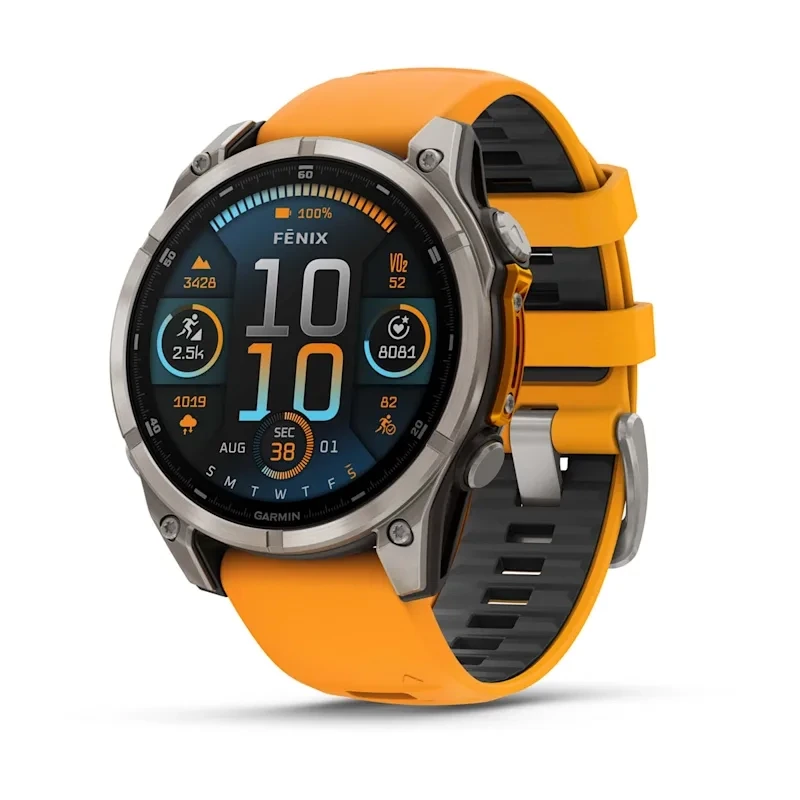
Garmin Fenix 8 vs Oura vs WHOOP: Which Tracker?
This page compares the Garmin Fenix 8 with Oura and WHOOP. It is not a Fenix 9 Pro review — if a listing says Fenix 9 Pro, the specs below do not apply to it. Fenix 8 is a GPS multisport watch. Oura is a passive sleep ring. WHOOP is a screenless strain band. The [Oura Ring 4 review](/equipment/oura-ring-gen4) covers price and the membership on its own. Narrowed to ring vs band only? See [Oura vs WHOOP](/guides/oura-vs-whoop).
Read guideWearables & TrackersHRV & Recovery Tracking: The Complete Guide
Heart rate variability (HRV) is the most actionable biometric for biohackers, it tells you when to push hard and when to rest. This guide explains what HRV means, how Oura and WHOOP use it, lifestyle factors that destroy recovery, and how to actually use the data. Ready to buy? See Oura vs WHOOP or Garmin vs Oura vs WHOOP.
Read guide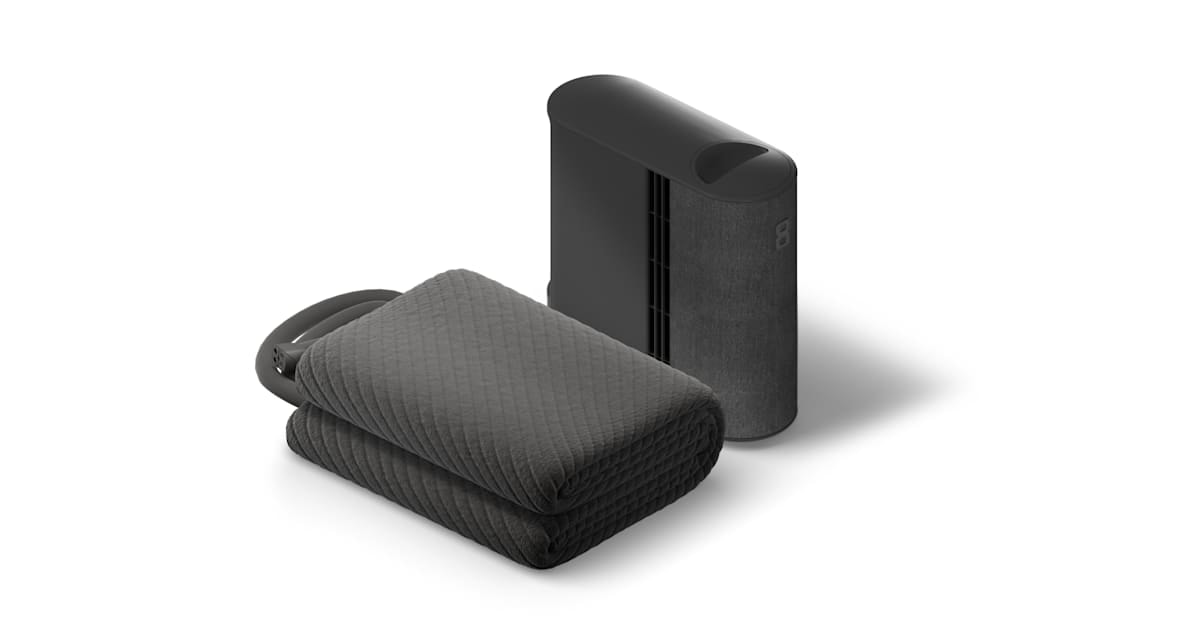 Sleep Optimization
Sleep Optimization: The Complete Guide
Sleep is the foundation every biohacker builds on, Huberman calls it the #1 performance enhancer. This guide covers the science of sleep stages, temperature regulation, light protocols, tracking with wearables, and the complete toolkit for deep restorative sleep.
Read guide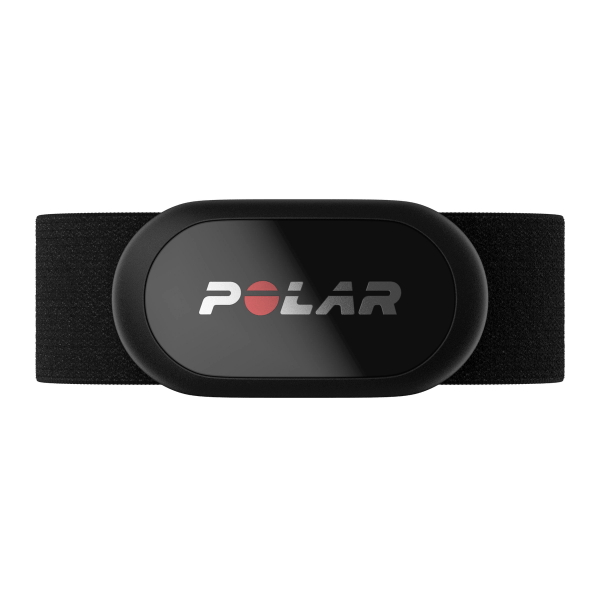 Wearables & Trackers
Zone 2 Heart Rate Chart: Attia Targets by Age
Peter Attia does not publish a single official zone 2 heart rate chart. He uses a talk test, and in a lab a lactate reading near 2 mmol/L. The chart below is the practical substitute: a Maffetone ceiling of 180 minus age, next to 60–70% of estimated max heart rate. Stay under the ceiling only if you can still speak in full sentences, for 3–4 hours a week.
Read guide Sleep Optimization
Circadian Rhythm Optimization: The Complete Guide
Your circadian rhythm governs sleep, hormones, metabolism, and mood. Huberman and Walker's most foundational advice isn't a supplement or gadget, it's light exposure timing. This guide covers the complete circadian protocol: morning sunlight, evening protection, meal timing, and temperature.
Read guide Diagnostics & Testing
Continuous Glucose Monitoring: The Complete Guide
A continuous glucose monitor (CGM) reveals how YOUR body responds to food in real-time, not population averages. Dave Asprey calls it the most impactful health tool he's used. This guide covers how CGMs work, what you'll learn, and how to use the data to optimize energy, weight, and long-term metabolic health.
Read guide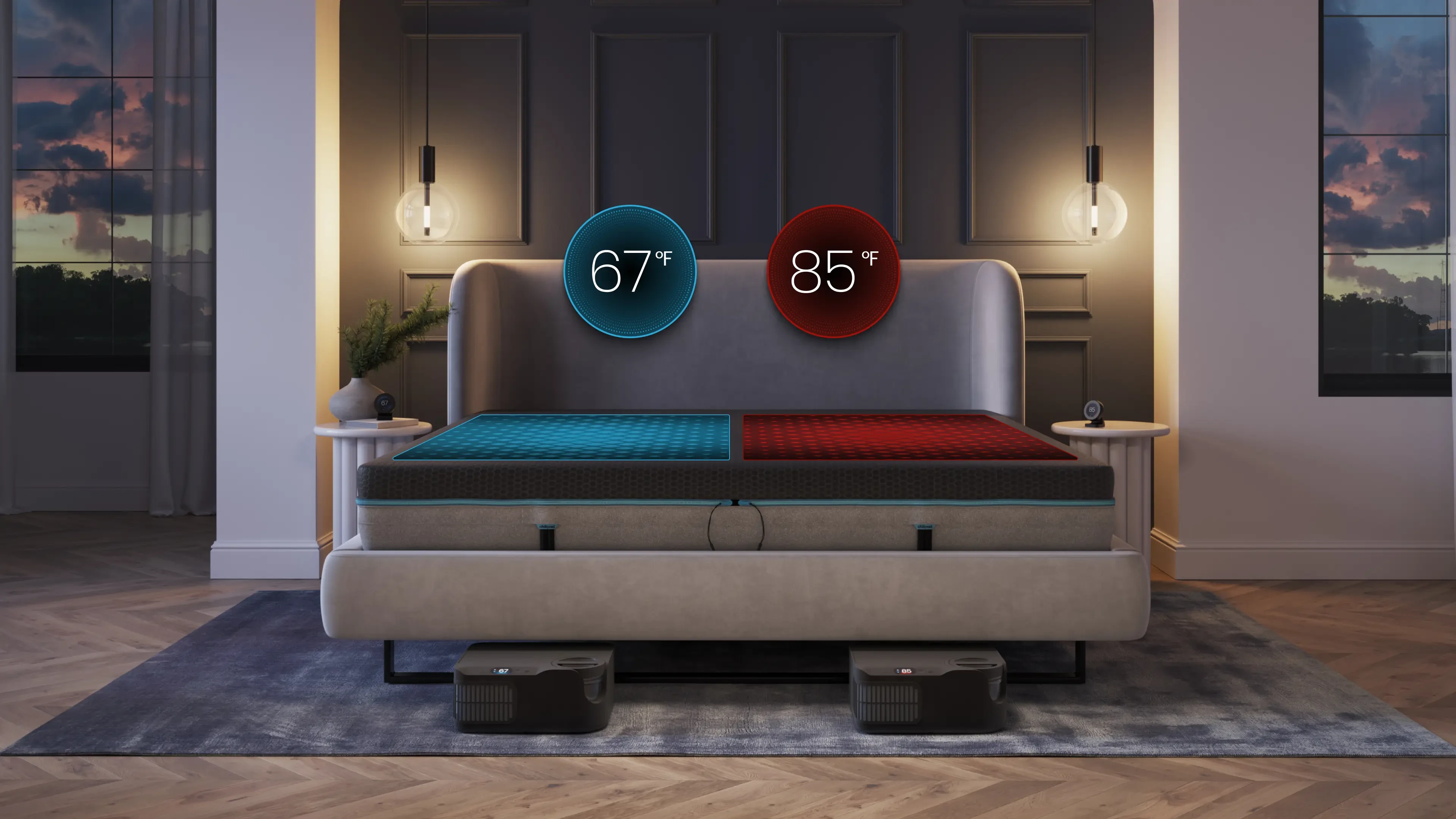 Sleep Optimization
Sleep Cooling: Mattresses, Pads & Temperature Protocols
Sleep onset requires a 1–3°F core body temperature drop. Hot sleepers, couples with different preferences, and anyone chasing deep sleep often invest in active cooling — from $60 fan setups to $3,000 smart mattresses. This guide covers the science, equipment tiers, and Matthew Walker's temperature targets. For a head-to-head buy decision, see Eight Sleep vs BedJet vs Chilipad.
Read guideLast updated: 2026-08-05 · For informational purposes only. Not medical advice. Consult a healthcare provider before starting any new health protocol. Health disclaimer.