
Rapamycin: The Complete Guide
mTOR, the ITP mouse data, weekly clinic use, and why this is a medical decision — not a stack add-on
Rapamycin (sirolimus) is an mTOR inhibitor with the strongest animal lifespan data in the NIA Interventions Testing Program. Longevity clinics now discuss intermittent, physician-supervised use. This guide covers the science, what human trials actually show, risks, and why it does not belong in a self-serve supplement drawer.
Health Disclaimer
This content is for general informational and educational purposes only. It is not medical advice, diagnosis, or treatment. Consult a qualified healthcare provider before starting any supplement, peptide, or health protocol. Read our full health disclaimer.
Frequency
Physician-directed
Duration
Clinical supervision only
Level
Advanced

Key Takeaways
- 1Rapamycin is a prescription drug, not a vitamin — transplant and some oncology uses are FDA-labeled; longevity use is off-label
- 2ITP mouse studies repeatedly extended lifespan, including when started in older animals
- 3Human aging trials are still early (immune function, skin, ongoing PEARL-class studies) — they are not proof of longer human life
- 4Infection risk, mouth ulcers, lipids, and wound healing are real tradeoffs that require labs and a clinician
Who this is for
- ·Readers who keep hearing rapamycin on podcasts and want the evidence, not a dosing recipe
- ·People already optimizing sleep, training, and metabolic health who are talking to a physician
- ·Anyone comparing 'longevity drugs' (rapamycin, metformin, GLP-1s) at a conceptual level
What Is Rapamycin?
Rapamycin was isolated from soil bacteria on Easter Island (Rapa Nui) and named for that origin. It inhibits mTOR (mechanistic target of rapamycin), a nutrient-sensing pathway that pushes growth when food is abundant and eases off during scarcity.
In transplant medicine, daily rapamycin helps prevent organ rejection by dialing down immune cell proliferation. The longevity hypothesis is different: intermittent, lower-intensity mTOR inhibition might mimic some benefits of caloric restriction — better autophagy, less unneeded growth signaling — without living in a chronic fast.
That hypothesis is why Attia, academic geroscience labs, and cash-pay longevity clinics talk about it constantly. It is also why this guide will not give a home protocol. Off-label use belongs inside a doctor-patient relationship with bloodwork.
The Science
Emerging ResearchMice: the National Institute on Aging Interventions Testing Program found rapamycin extended lifespan in genetically heterogeneous mice, including when treatment started later in life. That reproducibility across sites is why researchers treat it as the benchmark geroprotective drug in rodents.
Mechanistically, mTORC1 inhibition can increase autophagy and change immune-cell aging. The details are messy: too much inhibition for too long looks like immunosuppression; the 'pulse' idea tries to keep the autophagy signal without living in transplant-level immune suppression.
Humans: we have decades of safety familiarity from transplant (a different dose and context). Aging-specific human data include immune-response studies (e.g., Mannick and colleagues on mTOR inhibition and vaccine response in older adults) and small trials on skin and other proxies. Large, long outcome trials for healthy-aging lifespan do not exist yet.
- ·Strong (animals): ITP lifespan extension
- ·Moderate (humans): immune and surrogate-marker studies
- ·Emerging: weekly/intermittent longevity-clinic practice
- ·Not established: extra years of human life
How Clinics Approach It (Not a DIY Protocol)
Emerging ResearchWhat responsible clinics do: confirm there is a reason to consider off-label therapy, review drug interactions, run baseline labs (CBC, metabolic panel, lipids, HbA1c, sometimes hs-CRP), and follow mouth sores, infections, and wound-healing issues. Dosing schedules used in research and clinics differ from daily transplant regimens — your prescriber chooses, not a forum spreadsheet.
What they also do: keep the boring longevity stack in place. Rapamycin is not a substitute for Zone 2, strength training, sleep, or not smoking. Several clinicians will not discuss it until those are in motion.
What they do not do, and you should not either: buy 'research chemical' sirolimus, split veterinary tablets from unregulated sellers, or copy someone else's milligram schedule from Reddit or X.
- ·Prescription only, with a clinician who understands both transplant toxicities and off-label aging use
- ·Baseline and follow-up labs are part of the intervention
- ·Pause around elective surgery or active infection — your physician decides timing
- ·No grey-market sourcing
What People Report
Many users report nothing obvious in the first weeks. Some notice mouth ulcers (aphthous sores), which are a classic mTOR-inhibitor signal that the dose or frequency may be too aggressive.
Subjective energy or 'recovery' stories are mixed and highly placebo-prone. Take them as anecdotes. Track infections, lipids, and how wounds heal instead.
Risks & Cost
Strong EvidenceDocumented concerns: increased infection risk, stomatitis, delayed wound healing, elevations in triglycerides/LDL, edema, and rare but serious transplant-dose toxicities (including impaired kidney function and lung issues) that your clinician screens for.
It can interact with other drugs metabolized by CYP3A4. Grapefruit, certain antifungals, and a long list of prescriptions matter here.
Cost varies wildly by pharmacy, insurance, and whether you are on a labeled indication. Longevity-clinic programs add visit and lab fees. If a website offers 'research rapamycin' without a prescription, treat that as a hard stop.
Community Consensus
r/longevity treats rapamycin as the most serious pharmaceutical conversation in the space — more so than NMN — because of the ITP data. The split is 'wait for better human trials' versus 'I'm already at a clinic with labs.'
Attia has discussed his own physician-supervised use publicly while emphasizing uncertainty. That combination — curiosity plus humility — is the correct posture. Sinclair-era NAD marketing is not the model here.
As an Amazon Associate, Reo Tuku Iho Limited earns from qualifying purchases through Amazon links on this site. Full disclosure
For educational purposes only. Not medical advice. Read our health disclaimer.
Sources
Key references cited in this guide. Links open the original publication or abstract.
- Rapamycin fed late in life extends lifespan in genetically heterogeneous miceNature, 2009
- mTOR inhibition improves immune function in the elderlySci Transl Med, 2014
- Intermittent administration of rapamycin extends the life span of female C57BL/6J miceJ Gerontol A Biol Sci Med Sci, 2016
Continue Reading
 Supplements
David Sinclair & Longevity Science: The Complete Guide
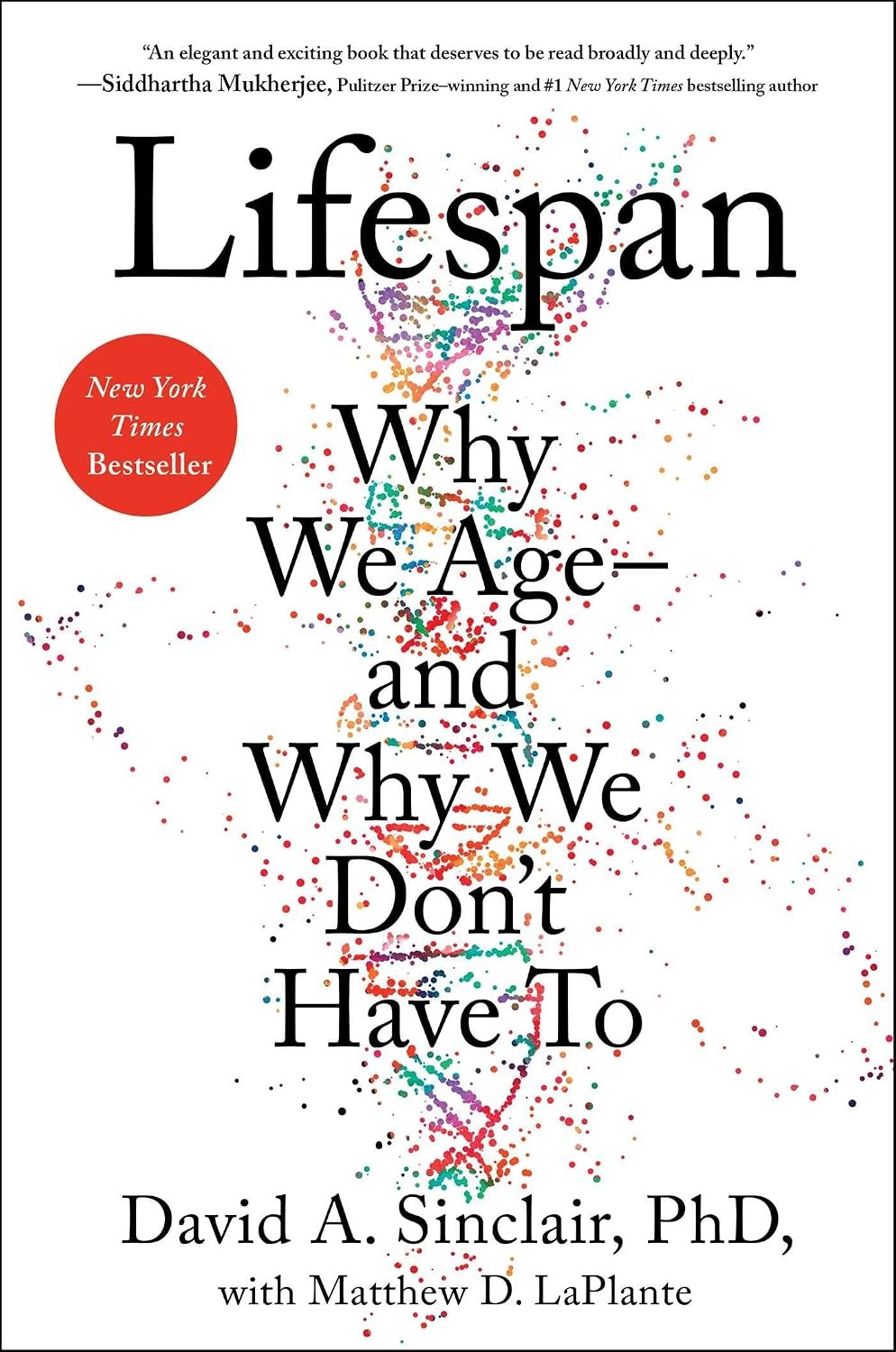
Harvard geneticist David Sinclair changed public conversation with Lifespan (2019): aging as treatable, NAD+ and sirtuins as levers, fasting and cold as free drugs. This guide explains his research fairly, maps his personal stack, includes longevity-friendly recipes, and links Lifespan editions on Amazon.
Read guide Supplements
NAD+ & Longevity: The Complete Guide
NAD+ is one of the most critical molecules in human biology, essential for energy, DNA repair, and activating longevity pathways. Levels decline ~50% between ages 40–60. This guide explains what NAD+ does, whether supplementation works, NR vs NMN debate, and how to test your levels.
Read guide Supplements
Fisetin & Senolytics: Clearing Zombie Cells
Senolytics are compounds that selectively kill senescent ('zombie') cells — damaged cells that stop dividing but refuse to die, secreting inflammatory signals that accelerate aging. Fisetin, a flavonoid found in strawberries, showed the strongest senolytic activity in Mayo Clinic screens. Human data is early but the biohacking community treats fisetin pulses as a tier-2 longevity intervention.
Read guide Diagnostics & Testing
Blood Panel Testing: The Complete Guide
Annual bloodwork is the foundation of data-driven biohacking. Peter Attia's framework prioritizes ApoB, insulin, HbA1c, and inflammatory markers over standard lipid panels. This guide covers what to test, how often, where to order, and how to interpret results.
Read guideSupplementsBryan Johnson's Blueprint: The Complete Guide
Bryan Johnson spends ~$2M/year on his 'Don't Die' anti-aging protocol, the most measured human body in history. Blueprint includes 100+ daily supplements, precise sleep/calorie timing, plasma exchange, and relentless biomarker tracking. This guide breaks down what's evidence-based, what's experimental, and what mere mortals can actually adopt.
Read guide Supplements
Intermittent Fasting: The Complete Guide
Intermittent fasting (IF) is one of the most practiced biohacks worldwide, popularized by Dave Asprey's Bulletproof approach and validated by decades of metabolic research. This guide covers 16:8 vs OMAD, ketosis timing, autophagy windows, and who should avoid fasting.
Read guidePeptidesGLP-1 Agonists: The Complete Guide
GLP-1 receptor agonists (semaglutide, liraglutide) and dual agonists (tirzepatide) moved from diabetes clinics into mainstream weight and metabolic culture. For biohackers, the live questions are muscle loss, rebound weight, nutrient quality, and whether a peptide drug belongs next to Zone 2 and protein. This is a map of the evidence — not a shortcut to a vial.
Read guideLast updated: 2026-08-23 · For informational purposes only. Not medical advice. Consult a healthcare provider before starting any new health protocol. Health disclaimer.