
David Sinclair & Longevity Science: The Complete Guide
Lifespan, the Information Theory of Aging, NAD+, and Sinclair's protocol — with recipes
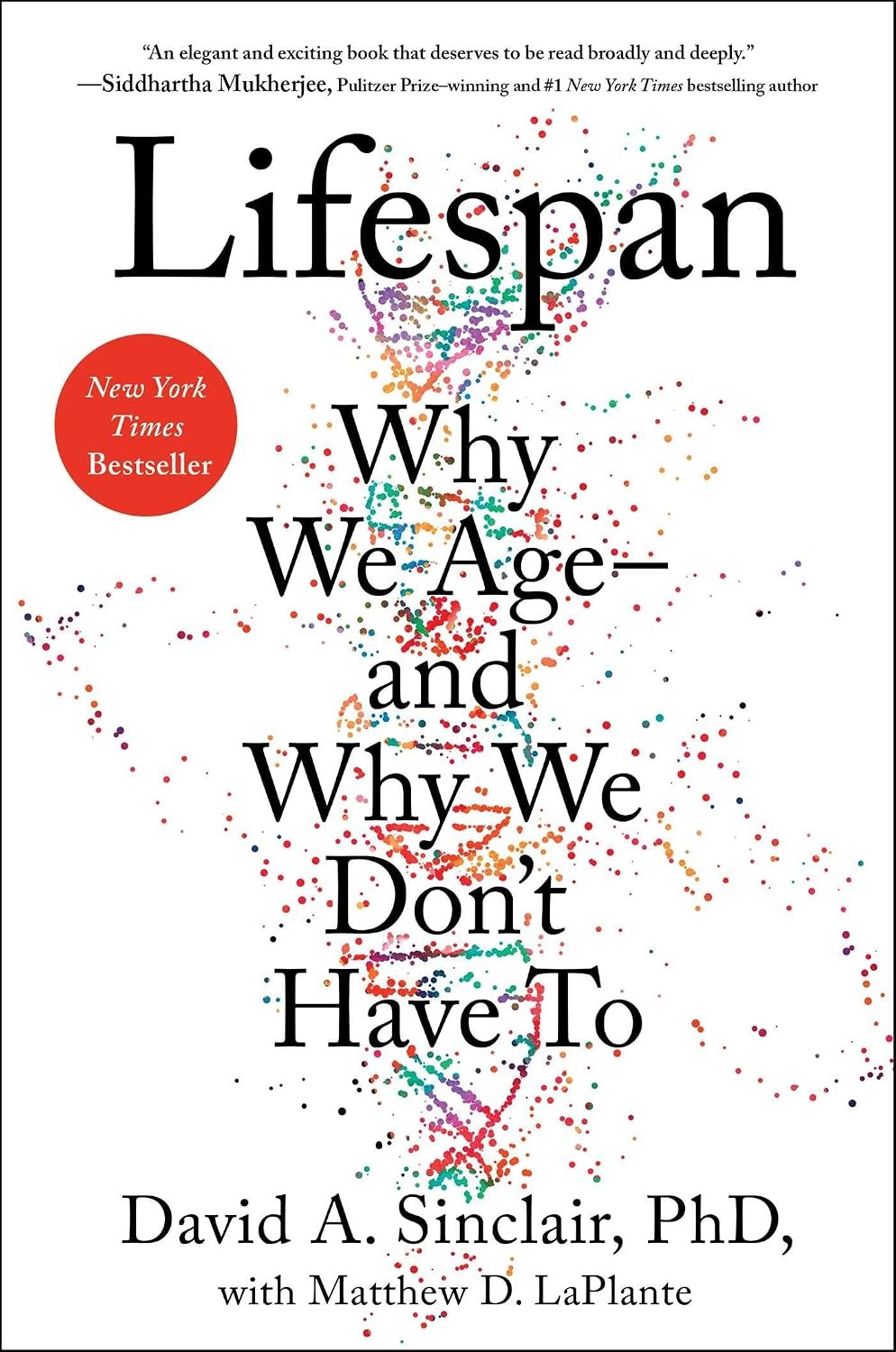
Harvard geneticist David Sinclair changed public conversation with Lifespan (2019): aging as treatable, NAD+ and sirtuins as levers, fasting and cold as free drugs. This guide explains his research fairly, maps his personal stack, includes longevity-friendly recipes, and links Lifespan editions on Amazon.
Health Disclaimer
This content is for general informational and educational purposes only. It is not medical advice, diagnosis, or treatment. Consult a qualified healthcare provider before starting any supplement, peptide, or health protocol. Read our full health disclaimer.
Frequency
Daily habits + optional supplements
Duration
Lifelong
Level
Intermediate
Key Takeaways
- 1Sinclair's Information Theory of Aging: epigenetic noise accumulates — sirtuins and NAD+ help maintain cellular identity
- 2Lifespan lifestyle levers: time-restricted eating, exercise with intensity, cold exposure, polyphenol-rich plants
- 3Supplements he popularized: NMN (he takes it), resveratrol (controversial doses), metformin (Rx — see metformin guide)
- 4Read Lifespan first — hardcover or paperback linked below — then use nad-longevity and mitochondrial-stack for supplement depth
Who this is for
- ·Podcast listeners who know Sinclair's name but not his actual research
- ·People considering NMN/NR who want primary-source context
- ·Biohackers building a Sinclair-informed stack with realistic expectations
- ·Readers comparing Sinclair vs Attia vs Bryan Johnson frameworks
Who Is David Sinclair?
David A. Sinclair, PhD, is a professor of genetics at Harvard Medical School and co-director of the Paul F. Glenn Center for Biology of Aging Research. Time magazine named him among the 100 most influential people (2014). His lab studies sirtuins, NAD+ metabolism, epigenetic reprogramming, and interventions that extend healthspan in mice.
Lifespan: Why We Age — and Why We Don't Have To (2019, with Matthew LaPlante) sold millions of copies and made 'aging is a disease' a household phrase. Sinclair also hosts the Lifespan podcast and newsletter, where he updates views on NMN, metformin, and emerging reprogramming science.
The Information Theory of Aging
Emerging ResearchSinclair's central idea: aging is not only DNA damage — it is loss of epigenetic information. Youthful cells read the right gene program; aged cells 'forget' their identity, like a DVD that accumulates scratches. Sirtuins (SIRT1–7) and NAD+ are part of the machinery that maintains this information.
His lab's ICE mice (Inducible Changes to the Epigenome) suggest accelerating epigenetic noise can cause aging phenotypes; reprogramming factors (Yamanaka factors, used carefully in animal models) can partially restore youthful gene expression. Human whole-body reversal is not here — but the framework drives active research on partial reprogramming and NAD+ boosters.
Critics note: ICE models are engineered; translating to human aging is unproven. The theory is influential, not settled law.
- ·Emerging: epigenetic dysregulation as aging driver in animal models
- ·Strong: NAD+ declines with age in humans
- ·Moderate: sirtuins link diet/stress to metabolic health
- ·Not proven: human age reversal via supplements alone
Sirtuins, NAD+, mTOR & AMPK
Moderate EvidenceSirtuins are NAD+-dependent enzymes tied to stress resistance and metabolic health. When NAD+ falls with age, sirtuin activity may suffer — the logic behind NR/NMN supplementation.
Resveratrol: Sinclair's early work linked it to SIRT1 activation in vitro; he discussed wine and supplements publicly for years. Human doses in Lifespan exceed what red wine provides; efficacy in humans remains debated. Do not megadose without medical context.
mTOR vs AMPK: fasting and exercise activate AMPK and can suppress mTOR — overlapping with rapamycin pharmacology (see rapamycin guide) but via lifestyle. Sinclair emphasizes eating less often and training hard enough to stress mitochondria.
Sinclair's Personal Protocol (Public Summary)
Emerging ResearchDiet: time-restricted eating — often one–two meals per day, late breakfast, plant-heavy with colorful polyphenols (berries, olive oil, green tea). Less sugar and animal protein than typical Western diet; he has discussed vegan-leaning periods.
Exercise: high-intensity intervals plus weights — 'exercise is the best longevity drug' in his talks. Zone 2 plus VO2 max work aligns with Attia; see vo2-max and zone-2-cardio guides.
Cold: cold exposure (showers or plunge) to activate brown fat and stress responses.
Supplements (as publicly discussed — not prescriptions): NMN (~1g/day in podcasts), resveratrol with fat, TMG for methyl groups, vitamin D, K2, spermidine, fisetin cycles. He has mentioned metformin under physician care — Rx only.
Tracking: Oura sleep, blood glucose awareness, regular labs. Sinclair tests biological age clocks experimentally — not required for readers.
- ·Eat in a compressed window; prioritize plants and polyphenols
- ·Lift + HIIT weekly; do not skip cardio fitness
- ·NMN/NR + TMG if supplementing — see nad-longevity guide
- ·Cold exposure 2–4× weekly when safe
Sinclair-Inspired Longevity Recipes
Moderate EvidenceOriginal Longevindex recipes aligned with Lifespan themes — polyphenols, plants, healthy fats, and fasting-friendly portions. Not from the book verbatim; for meal plans inside Lifespan, buy the paperback below.
Polyphenol breakfast bowl: Full-fat Greek yogurt or coconut yogurt, handful of blueberries, tbsp extra virgin olive oil, crushed walnuts, and green tea on the side. Eat within your eating window; skip if fasting until noon.
Sirtuin salad: Arugula, spinach, pomegranate seeds, avocado, pumpkin seeds, dressed with lemon and olive oil. Add wild salmon for protein and omega-3s.
One-pan salmon and broccoli: Bake wild salmon with broccoli, garlic, and olive oil at 400°F (205°C) for 18 minutes. Broccoli sprouts optional for sulforaphane.
Matcha recovery drink: Whisk matcha with hot water, add splash of MCT or coconut milk after morning training — caffeine plus polyphenols; keep before your cutoff if sleep-sensitive (see caffeine-optimization guide).
Fasting-day bone broth: Simmer grass-fed bones 12–24 hours with ginger and turmeric. Sip during extended fasts if needed; electrolytes optional — see electrolytes-sodium guide.
- ·Colorful plants + olive oil daily
- ·Wild fish 2–3× weekly if omnivore
- ·Align meals with time-restricted eating window
- ·Green tea or matcha for polyphenols
David Sinclair Books on Amazon
Lifespan (hardcover) — ASIN 1501191977. Best for gifts and library shelves.
Lifespan (paperback) — ASIN 1501191993. Best for notes and kitchen reference.
Sinclair has not released a second solo book as of 2026; updates live on the Lifespan podcast and newsletter. Avoid third-party summary pamphlets — read the primary book.
All editions linked in the buy box with our Amazon Associate tag.
Controversies & Critical Reading
Moderate EvidenceNMN FDA status: NMN was investigated as a potential new dietary ingredient; regulatory status shifted — verify current US availability before buying. NR (Tru Niagen) has more published human trials; Sinclair personally emphasizes NMN.
Resveratrol: early hype exceeded human outcome data. Many researchers use far lower doses than Sinclair discussed for mice scaled to humans.
Company ties: Sinclair co-founded and advises longevity companies; disclose conflicts when evaluating his recommendations.
Peter Attia and others push back on 'reverse aging now' framing — adopt habits with evidence (sleep, exercise, ApoB) before exotic stacks.
Community Consensus
r/longevity credits Sinclair with popularizing NAD+ and making aging research accessible. The same forum warns against supplement stacks without sleep and exercise basics.
Pair this guide with nad-longevity, mitochondrial-stack, rapamycin, metformin, spermidine, and fisetin-senolytics for deeper dives on each lever Sinclair mentions.
As an Amazon Associate, Reo Tuku Iho Limited earns from qualifying purchases through Amazon links on this site. Full disclosure
For educational purposes only. Not medical advice. Read our health disclaimer.
Sources
Key references cited in this guide. Links open the original publication or abstract.
- Lifespan: Why We Age — and Why We Don't Have ToAtria Books, 2019
- Reprogramming to recover youthful epigenetic information and restore visionNature, 2020
- Declining NAD+ induces a pseudohypoxic state during agingCell Metab, 2013
Continue Reading
 Supplements
NAD+ & Longevity: The Complete Guide
NAD+ is one of the most critical molecules in human biology, essential for energy, DNA repair, and activating longevity pathways. Levels decline ~50% between ages 40–60. This guide explains what NAD+ does, whether supplementation works, NR vs NMN debate, and how to test your levels.
Read guideSupplementsMitochondrial Health Stack: The Complete Guide
Mitochondrial biohacking is a category, not one pill. CoQ10 supports electron transport, NAD+ precursors feed sirtuins and repair pathways, urolithin A may trigger mitophagy — this guide maps how they differ, typical doses, and the exercise-first hierarchy.
Read guide Supplements
Resveratrol: The Complete Guide
Resveratrol is the grape-and-knotweed stilbene that made sirtuins famous. David Sinclair still discusses it; human outcome trials never matched the mouse headlines. This guide covers form (trans vs blends), dosing with fat, drug interactions, and who might still run a cheap labeled trial.
Read guide Supplements
Rapamycin: The Complete Guide
Rapamycin (sirolimus) is an mTOR inhibitor with the strongest animal lifespan data in the NIA Interventions Testing Program. Longevity clinics now discuss intermittent, physician-supervised use. This guide covers the science, what human trials actually show, risks, and why it does not belong in a self-serve supplement drawer.
Read guideSupplementsMetformin: The Complete Guide
Metformin is the most prescribed diabetes drug in the world and the most discussed off-label longevity pharmaceutical after rapamycin. It activates AMPK, lowers glucose, and shows epidemiologic links to reduced cancer and mortality in diabetics — but healthy-aging trials are still running. This guide maps the evidence without DIY dosing.
Read guide Supplements
Intermittent Fasting: The Complete Guide
Intermittent fasting (IF) is one of the most practiced biohacks worldwide, popularized by Dave Asprey's Bulletproof approach and validated by decades of metabolic research. This guide covers 16:8 vs OMAD, ketosis timing, autophagy windows, and who should avoid fasting.
Read guide Cold Therapy
Cold Exposure: The Complete Guide
Deliberate cold exposure is one of the most accessible biohacks with measurable effects on norepinephrine, dopamine, metabolism, and mental resilience. This guide breaks down the Huberman protocol (11 min/week), the Wim Hof method, what happens to your body, and how to build a sustainable practice.
Read guide Supplements
Spermidine: Autophagy, Longevity, and Food Sources
Spermidine is a naturally occurring polyamine found in wheat germ, aged cheese, and mushrooms. It activates autophagy, the cellular cleanup process linked to longevity. Human epidemiological data shows higher dietary spermidine intake correlates with reduced cardiovascular and cancer mortality. This guide covers food sources, supplemental dosing, and how it fits into a longevity stack.
Read guide Supplements
Fisetin & Senolytics: Clearing Zombie Cells
Senolytics are compounds that selectively kill senescent ('zombie') cells — damaged cells that stop dividing but refuse to die, secreting inflammatory signals that accelerate aging. Fisetin, a flavonoid found in strawberries, showed the strongest senolytic activity in Mayo Clinic screens. Human data is early but the biohacking community treats fisetin pulses as a tier-2 longevity intervention.
Read guideSupplementsUrolithin A: The Complete Guide
Urolithin A is a gut microbiome metabolite that triggers mitophagy, the selective recycling of damaged mitochondria. Amazentis/Timeline's Mitopure is the first clinically validated urolithin A supplement. This guide covers the science, dosing, and who actually converts ellagic acid from food.
Read guide Supplements
Bryan Johnson's Blueprint: The Complete Guide
Bryan Johnson spends ~$2M/year on his 'Don't Die' anti-aging protocol, the most measured human body in history. Blueprint includes 100+ daily supplements, precise sleep/calorie timing, plasma exchange, and relentless biomarker tracking. This guide breaks down what's evidence-based, what's experimental, and what mere mortals can actually adopt.
Read guide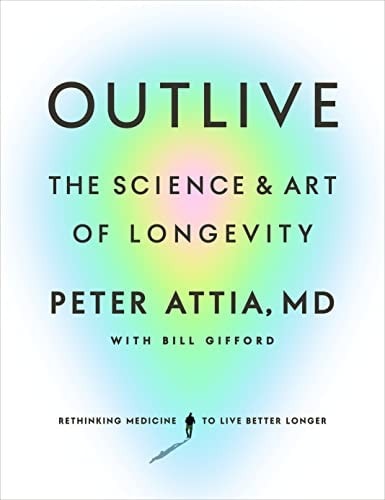 Supplements
Peter Attia & Outlive: The Complete Guide
Peter Attia’s Outlive (2023) is the most useful popular longevity book of the decade: delay the Four Horsemen (atherosclerosis, cancer, neurodegeneration, metabolic disease) with exercise, lipids, sleep, and emotional health — not a supplement haul. This guide translates the book into a sequence you can actually run, and links the hardcover on Amazon.
Read guide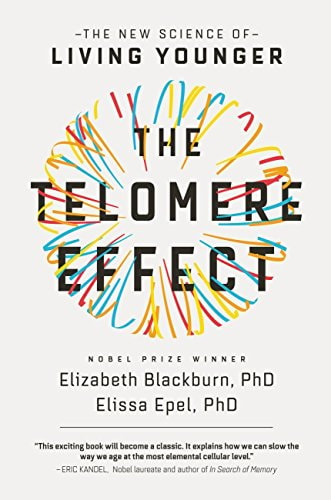 Diagnostics & Testing
Elizabeth Blackburn & The Telomere Effect: The Complete Guide
The Telomere Effect (2017) is Nobel laureate Elizabeth Blackburn and Elissa Epel on telomeres as a marker, with levers they actually defend: sleep, movement, food, and stress. This guide pairs it with Sinclair and Steele as the cautious chapter. It is not a shopping list for telomerase activators.
Read guide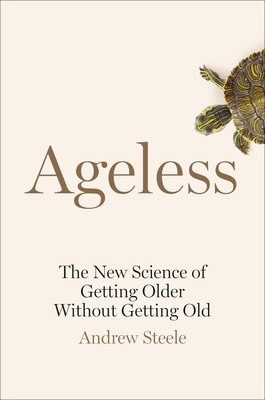 Diagnostics & Testing
Andrew Steele & Ageless: The Complete Guide
Ageless (2021) is Steele’s civilian tour of aging as a biological target. Hallmarks, senescent cells, immune aging. This guide extracts the frame and sends you to Sinclair, Topol, and a physical — not a 12-bottle cart.
Read guide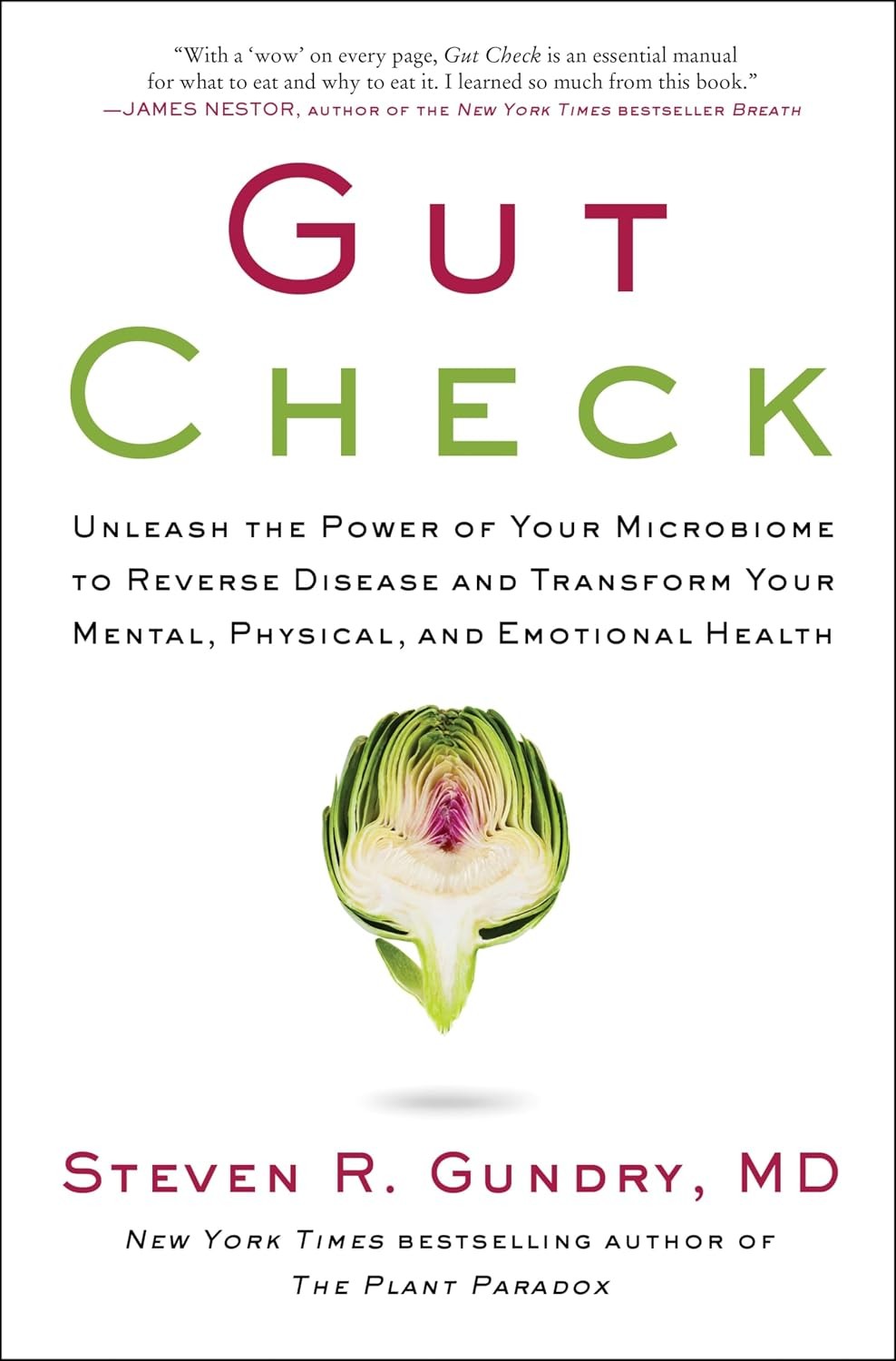 Diagnostics & Testing
Gundry, Lectins & the Microbiome: The Complete Guide
Cardiac surgeon Steven Gundry built a massive following by linking lectins, leaky gut, and the microbiome to obesity and autoimmune disease. This guide explains his framework fairly, separates strong ideas from contested claims, includes practical recipes, and links his core books on Amazon.
Read guide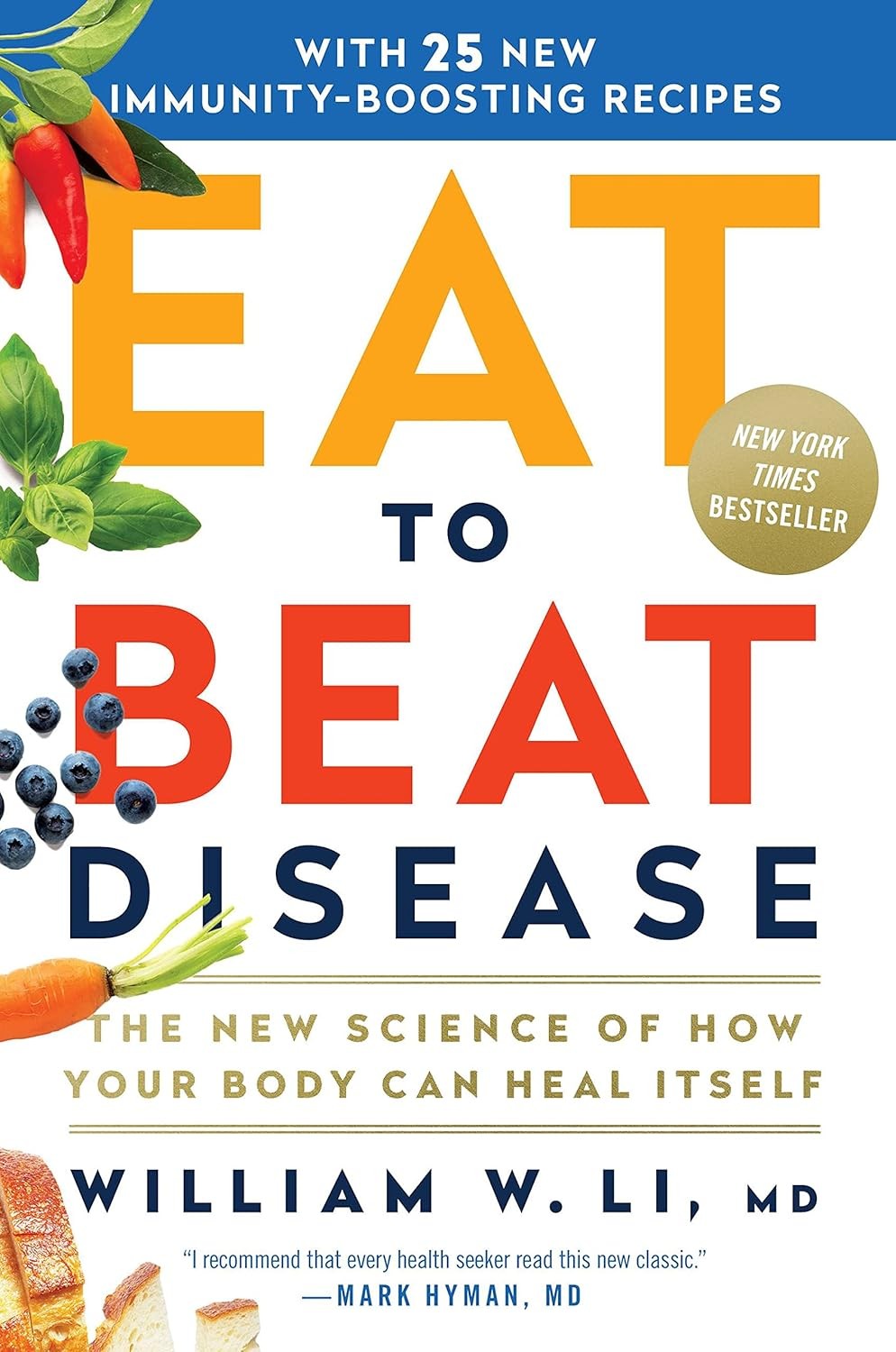 Supplements
William Li & Eat to Beat: The Complete Guide
Physician-scientist William W. Li, MD, made angiogenesis — how the body grows and prunes blood vessels — a household idea with his TED talk and Eat to Beat Disease. This guide explains his five defense systems fairly, maps the 5×5×5 add-foods framework, includes practical recipes, and links his books on Amazon.
Read guideLast updated: 2026-08-23 · For informational purposes only. Not medical advice. Consult a healthcare provider before starting any new health protocol. Health disclaimer.