
Magnesium: The Complete Guide
Forms compared (glycinate, threonate, citrate), sleep and recovery dosing, and why most people are deficient
Up to 50% of adults may not meet optimal magnesium intake. It's involved in 300+ enzymatic reactions, sleep, muscle recovery, stress, and heart rhythm all depend on it. This guide breaks down which form to take, when, and how much.
Health Disclaimer
This content is for general informational and educational purposes only. It is not medical advice, diagnosis, or treatment. Consult a qualified healthcare provider before starting any supplement, peptide, or health protocol. Read our full health disclaimer.
Frequency
Daily
Duration
Ongoing
Level
Beginner
Key Takeaways
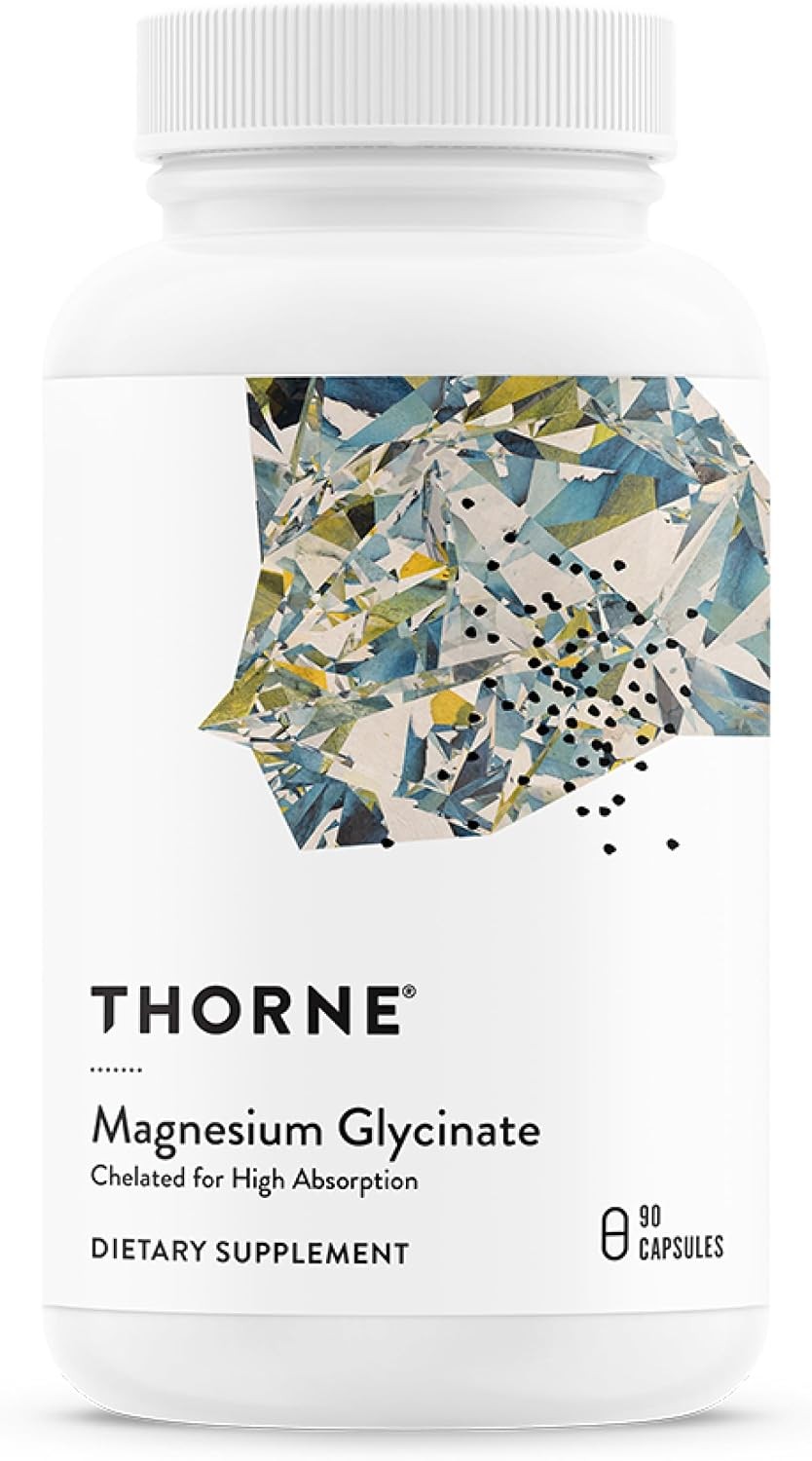
- 1Magnesium glycinate is the best all-around form for sleep and general supplementation
- 2Magnesium threonate (Magtein) is marketed for cognition, evidence is promising but limited
- 3Most adults benefit from 200–400mg elemental magnesium daily from supplements
- 4Test isn't routine, symptoms (poor sleep, cramps, anxiety) often guide dosing
Who this is for
- ·Poor sleepers who haven't fixed magnesium before exotic stacks
- ·Athletes with night cramps or heavy training loads
- ·Anyone confused by glycinate vs threonate vs citrate
- ·People building a simple evening wind-down protocol
What Is Magnesium?
Magnesium is an essential mineral and electrolyte, the fourth most abundant in the human body. It cofactors over 300 enzymatic reactions including ATP synthesis, DNA repair, muscle contraction, and GABA receptor function. Without adequate magnesium, sleep, recovery, and stress resilience all suffer.
Modern diets and depleted soil have reduced magnesium intake dramatically. Processed foods, alcohol, stress, and certain medications (PPIs, diuretics) further deplete stores. Blood serum magnesium is a poor marker, only 1% of body magnesium is in blood, so deficiency can exist with 'normal' labs.
Forms Compared, Which One to Take
Moderate EvidenceNot all magnesium supplements are equal. The 'form' determines absorption, GI tolerance, and primary effects. Elemental magnesium dose matters, a 400mg capsule of magnesium glycinate contains ~50mg elemental magnesium, not 400mg.
Magnesium glycinate (bisglycinate): bound to glycine, highly absorbable, gentle on gut, promotes relaxation and sleep. Best default choice for most biohackers.
Magnesium threonate (Magtein): crosses the blood-brain barrier more effectively. Marketed for cognitive function and memory. Human data exists but is limited to a few studies, promising, not definitive.
Magnesium citrate: good absorption, osmotic laxative effect at higher doses. Useful if constipated; avoid before bed if GI-sensitive.
Magnesium oxide: cheap, poorly absorbed (~4%), mostly useful as a laxative. Skip for supplementation purposes.
- ·Sleep/recovery: glycinate, 200–400mg elemental, 30–60 min before bed
- ·Cognition: threonate, 1–2g Magtein (~144mg elemental) in morning
- ·Constipation: citrate, start low, increase until effect
- ·Avoid: oxide (poor absorption), unlabeled 'magnesium blend' products
The Protocol
Moderate EvidenceHuberman's commonly cited approach: 300–400mg magnesium glycinate or threonate 30–60 minutes before bed to support sleep onset and depth. Glycinate's glycine component may independently support sleep quality.
For daytime stress or muscle recovery: split dosing, 200mg glycinate morning + 200mg evening. Athletes with heavy training loads may need higher total intake (400–600mg elemental) from food + supplements combined.
Start at 200mg elemental and increase over a week. Loose stools mean you've exceeded your absorption threshold, back off 100mg.
- ·Evening: 200–400mg glycinate, 30–60 min before bed
- ·Morning (optional): 144mg threonate for cognitive focus
- ·Total elemental target: 300–500mg/day from all sources
- ·Food sources: pumpkin seeds, dark chocolate, spinach, almonds
- ·Pair with vitamin D and K2 for bone metabolism synergy
What to Expect
Night 1–3: Subtle relaxation, possibly easier sleep onset. Some feel nothing initially, deficiency severity varies.
Week 1–2: Improved sleep continuity, reduced muscle cramps (especially night cramps), less jaw clenching or tension headaches.
Month 1+: Cumulative benefits for HRV and recovery if deficiency was contributing. Not a sedative, think 'removing a blocker' rather than adding a drug effect.
Risks & Contraindications
Strong EvidenceExcess magnesium from supplements causes diarrhea, the body's primary excretion route. Reduce dose if GI issues occur. Kidney disease patients must avoid unsupervised magnesium supplementation, impaired excretion can cause hypermagnesemia.
Interactions: magnesium can reduce absorption of certain antibiotics (take 2+ hours apart) and may enhance blood pressure medication effects. Consult a pharmacist if on multiple medications.
Safe in pregnancy at RDA levels (350–400mg/day upper limit from supplements per NIH). Glycinate is commonly recommended by obstetricians for leg cramps.
Community Consensus
r/Supplements overwhelmingly recommends glycinate for sleep, 'mag glycinate changed my life' is a recurring theme. Threonate divides opinion: believers report focus benefits; skeptics note the cost premium for limited data.
Matthew Walker discusses magnesium's role in sleep architecture. Bryan Johnson's Blueprint includes magnesium in his evening stack. Consensus: fix magnesium before chasing exotic sleep compounds.
As an Amazon Associate, Reo Tuku Iho Limited earns from qualifying purchases through Amazon links on this site. Full disclosure
For educational purposes only. Not medical advice. Read our health disclaimer.
Sources
Key references cited in this guide. Links open the original publication or abstract.
Continue Reading
SupplementsBest Magnesium: The Buying Guide
Magnesium is the first sleep-stack purchase that usually deserves to stay. Glycinate (bisglycinate) is the default for evenings; citrate if you also want a stool softener; threonate if you are paying extra for a cognition story. This buying guide maps forms to Amazon SKUs.
Read guide Sleep Optimization
Huberman Sleep Stack: The Buying Guide
Andrew Huberman’s evening stack — magnesium, L-theanine, and apigenin, often with glycine — is the most copied supplement protocol on the internet. Evidence is strongest for magnesium and glycine, thinner for apigenin. This buying guide ranks what to purchase, in what order, and links Amazon-available SKUs we already review.
Read guide Sleep Optimization
Sleep Optimization: The Complete Guide
Sleep is the foundation every biohacker builds on, Huberman calls it the #1 performance enhancer. This guide covers the science of sleep stages, temperature regulation, light protocols, tracking with wearables, and the complete toolkit for deep restorative sleep.
Read guideSleep OptimizationApigenin for Sleep: The Complete Guide
Apigenin is a flavonoid from chamomile that modulates GABA receptors for sleep support. Andrew Huberman popularized it as part of his sleep stack alongside magnesium threonate and theanine. This guide covers mechanism, dosing, stacking, and realistic expectations.
Read guideSleep OptimizationGlycine for Sleep: The Complete Guide
Glycine is an amino acid with direct sleep-promoting effects: it lowers core body temperature and improves sleep quality in human trials. At 3g before bed, it's one of the most evidence-backed, affordable sleep supplements. This guide covers mechanism, dosing, and how it fits the Huberman stack.
Read guide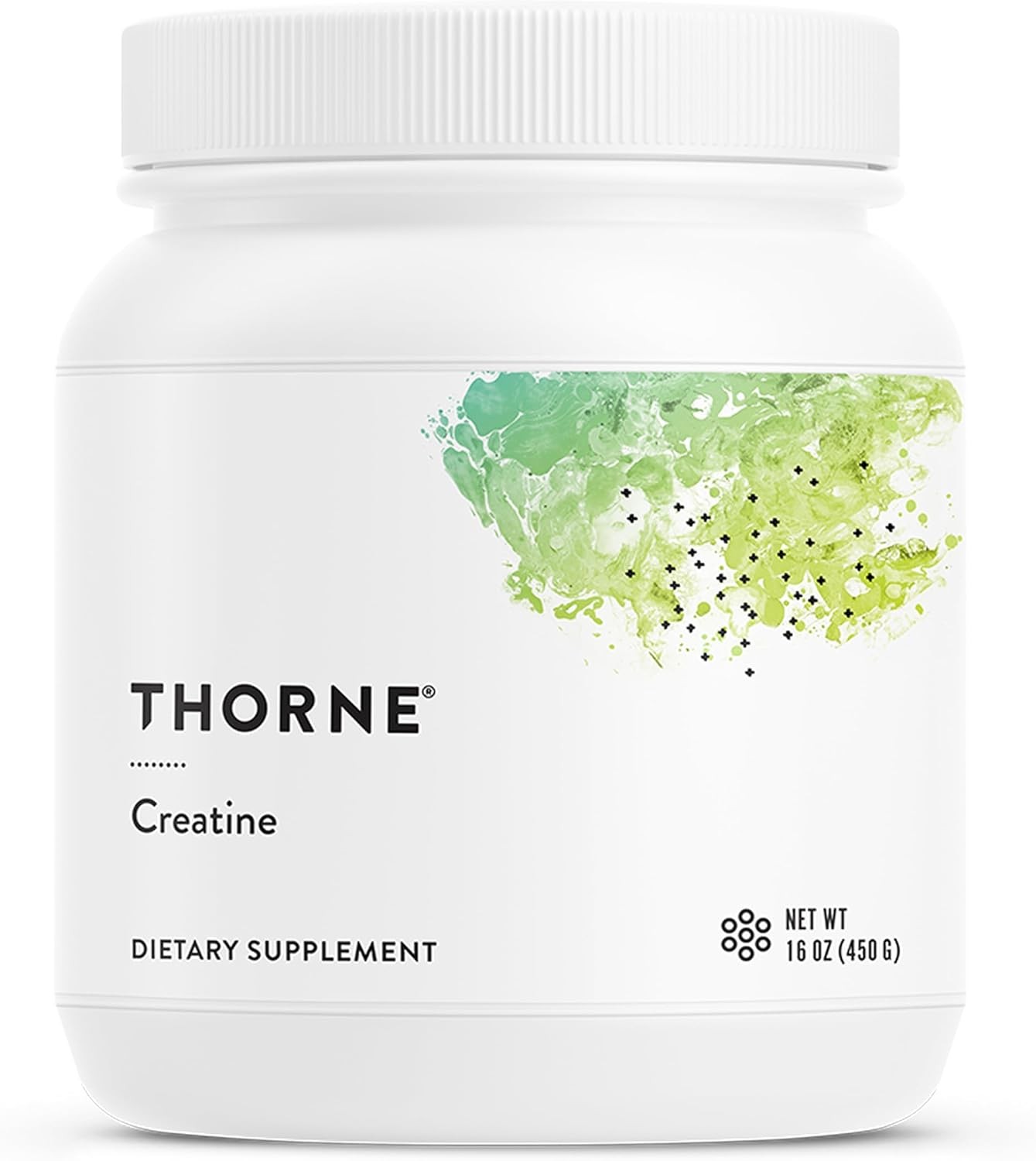 Supplements
Creatine Dose: 5g Daily for Muscle, Bone, and Brain
Take 5 g of creatine monohydrate every day for muscle, bone, and brain. You do not need a separate higher daily dose for bone — the bone research is still early and is studied with lifting, at ordinary doses. Some short brain studies use about 10–20 g a day, split up. That is a research protocol, not the daily dose this guide uses. Saturation from 5 g a day is the default.
Read guide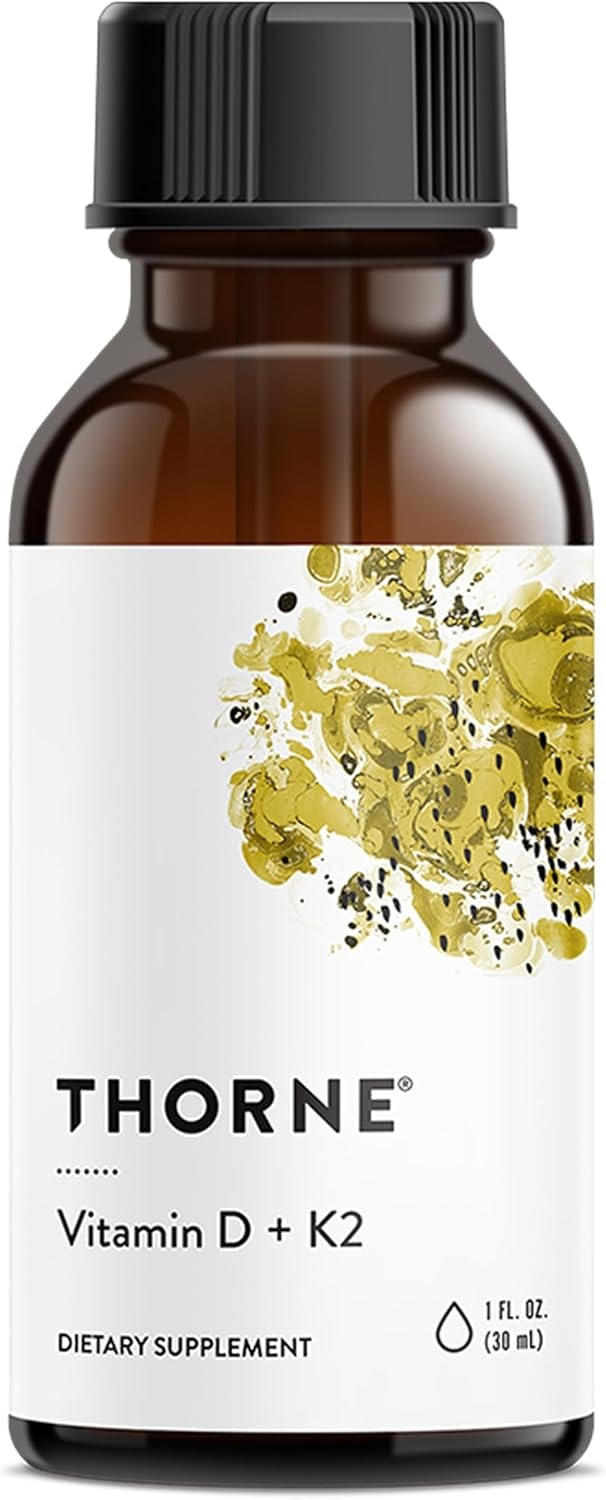 Supplements
Vitamin D: The Complete Guide
Vitamin D is technically a hormone, involved in immunity, bone health, mood, and 200+ gene expressions. Deficiency affects ~40% of adults in temperate climates. This guide covers testing, dosing, K2 pairing, and sun vs supplement tradeoffs.
Read guide Wearables & Trackers
HRV & Recovery Tracking: The Complete Guide
Heart rate variability (HRV) is the most actionable biometric for biohackers, it tells you when to push hard and when to rest. This guide explains what HRV means, how Oura and WHOOP use it, lifestyle factors that destroy recovery, and how to actually use the data. Ready to buy? See Oura vs WHOOP or Garmin vs Oura vs WHOOP.
Read guide Supplements
Bryan Johnson's Blueprint: The Complete Guide
Bryan Johnson spends ~$2M/year on his 'Don't Die' anti-aging protocol, the most measured human body in history. Blueprint includes 100+ daily supplements, precise sleep/calorie timing, plasma exchange, and relentless biomarker tracking. This guide breaks down what's evidence-based, what's experimental, and what mere mortals can actually adopt.
Read guide Light Therapy
Red Light Therapy: The Complete Guide
Red and near-infrared light therapy (photobiomodulation) uses specific wavelengths to enhance mitochondrial function, accelerate recovery, and support skin health. This guide explains the science, optimal wavelengths, daily protocols, and how to evaluate the crowded device market.
Read guideLast updated: 2026-07-25 · For informational purposes only. Not medical advice. Consult a healthcare provider before starting any new health protocol. Health disclaimer.