
Water Filtration: PFAS, Fluoride & Home Systems
Reverse osmosis vs gravity filters, Berkey vs under-sink RO, what actually removes contaminants
Tap water quality varies dramatically by region — PFAS ('forever chemicals'), lead, chlorine, fluoride, and microplastics are documented in municipal supplies globally. Water filtration is foundational environmental health, not optional biohacking. This guide compares gravity filters, reverse osmosis, and pitcher systems by what they actually remove.
Frequency
Daily use
Duration
Ongoing
Level
Beginner

Key Takeaways
- 1Reverse osmosis removes the widest contaminant range including PFAS and fluoride
- 2Gravity filters (Berkey) remove bacteria and many chemicals but PFAS removal varies by model/test
- 3Brita-style pitchers mainly improve taste — they don't remove PFAS, lead, or fluoride reliably
- 4Test your tap water first — filter choice depends on what's actually in your supply
Who this is for
- ·Households worried about PFAS, lead, or fluoride in tap water
- ·Buyers choosing between Berkey-style gravity filters and reverse osmosis
- ·Renters who need countertop systems vs homeowners considering under-sink RO
Why Filter Your Water?
Municipal water meets legal standards — but legal limits for PFAS, lead, and chloramine are contested by health researchers. The EPA's 2024 PFAS regulations set limits, but compliance timelines stretch to 2029 in the US. Many EU and NZ supplies face similar emerging contaminant concerns.
Biohackers filter water for the same reason they filter air: reduce daily toxic load so the body's detox systems (glutathione, liver) aren't overwhelmed. See the environmental health guide for the full home optimization stack. Ready to pick a system? See our Best Water Filter for Biohackers comparison.
Filter Types Compared
Strong EvidenceReverse osmosis (RO): Forces water through a semipermeable membrane. Removes 95–99% of dissolved solids including PFAS, fluoride, lead, arsenic, and microplastics. Wastes 2–4 gallons per gallon filtered. Requires under-sink installation.
Gravity filters (Berkey): Black filter elements remove bacteria, cysts, chlorine, lead, and many VOCs. PFAS removal depends on specific element and testing — verify current certification. No electricity, portable, countertop.
Carbon block (Brita, PUR pitchers): Activated carbon improves taste and removes chlorine. Limited lead reduction in certified models. Does NOT reliably remove PFAS or fluoride.
Whole-house systems: Filter all water entering the home including showers. Expensive ($1,000–3,000+) but addresses skin absorption during bathing.
- ·RO: best overall contaminant removal
- ·Berkey: strong portable option, verify PFAS claims
- ·Pitchers: taste only, not safety
- ·Test tap water before choosing a system
The Protocol
Strong EvidenceStep 1: Get a water test. Municipal suppliers publish annual reports; private well owners need lab testing. Home kits ($30–150) test for lead, bacteria, and common contaminants.
Step 2: Match filter to contaminants. PFAS present → RO. Bacteria concern + portability → Berkey. Taste only → carbon pitcher is fine.
Step 3: Maintain filters. RO membranes last 2–3 years; carbon filters 3–6 months; Berkey elements 3,000 gallons per pair. Set calendar reminders — expired filters are worse than none.
Step 4: Remineralize RO water. RO removes beneficial minerals too. Add trace mineral drops or use a remineralization stage.
- ·Test water first, filter second
- ·RO for PFAS/fluoride; Berkey for versatile countertop
- ·Replace filters on schedule
- ·Remineralize RO output
Regional Considerations
US: PFAS hotspots near military bases and industrial sites. Flint-style lead issues persist in aging infrastructure cities. Check EWG Tap Water Database.
UK/EU: Generally lower PFAS but chloramine and hard water common. EU Drinking Water Directive tightening PFAS limits.
Australia/NZ: Generally high-quality municipal water. Rural tank water needs UV + filtration for bacteria. Christchurch (NZ) is unchlorinated — bacterial testing essential.
Community Consensus
r/Biohackers and r/HydroHomies agree: RO or Berkey for health-focused filtering, not Brita. 'You're drinking 2+ liters daily — filter it properly' is standard advice.
Berkey controversy: Loyal user base but limited independent PFAS testing vs RO. RO is the conservative choice for maximum contaminant removal.
As an Amazon Associate, Reo Tuku Iho Limited earns from qualifying purchases through Amazon links on this site. Full disclosure
Sources
Key references cited in this guide. Links open the original publication or abstract.
- PFAS National Primary Drinking Water RegulationUS EPA, 2024
- Human health risk assessment of perfluorinated chemicalsEnviron Int, 2010
- Drinking Water Contaminants — Standards and RegulationsUS EPA, 2024
Continue Reading
Tools & EquipmentAquaTru vs Waterdrop: Which Reverse Osmosis System to Buy
AquaTru and Waterdrop G3P800 both use reverse osmosis to cut PFAS, fluoride, and lead. AquaTru sits on the counter and needs no plumber. Waterdrop installs under the sink, runs faster, and is the system you buy when you own the kitchen. This page is that decision. For the wider filter map, including Berkey, see Best Water Filter.
Read guideTools & EquipmentBest Water Filter for Biohackers: Berkey vs AquaTru vs Waterdrop Compared
Tap water carries PFAS, fluoride, lead, and microplastics — biohackers filter drinking water for the same reason they filter air. This guide compares Berkey gravity filters, AquaTru countertop reverse osmosis, and Waterdrop under-sink tankless RO by contaminant removal, installation, and cost. For the science on filter types and regional water quality, see our Water Filtration guide.
Read guide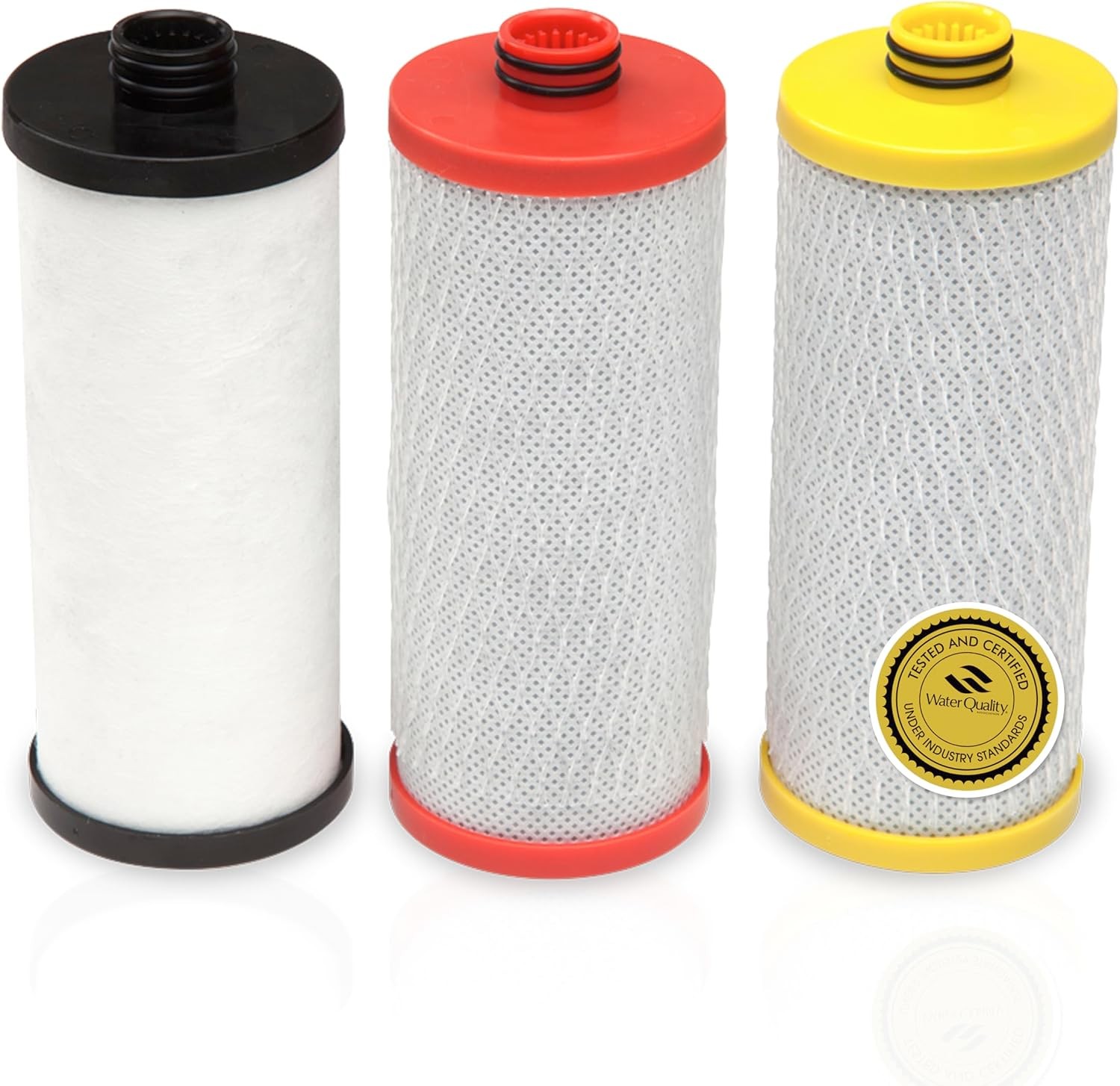 Tools & Equipment
Shower Filters: The Complete Guide
An inline shower filter can cut chlorine smell and help dry skin and hair. It will not remove the need for a drinking-water filter and it will not fix eczema by itself. This guide covers what carbon/KDF housings actually do and when the AquaBliss SF100 is a rational renter SKU.
Read guideTools & EquipmentCountertop Water Purifiers: The Complete Guide
Tap water quality varies by municipality; microplastics and PFAS are 2026 headline concerns. Countertop systems deliver filtered or reverse-osmosis water without a plumber. This guide compares RO vs gravity filters, maintenance, and Amazon-available models.
Read guide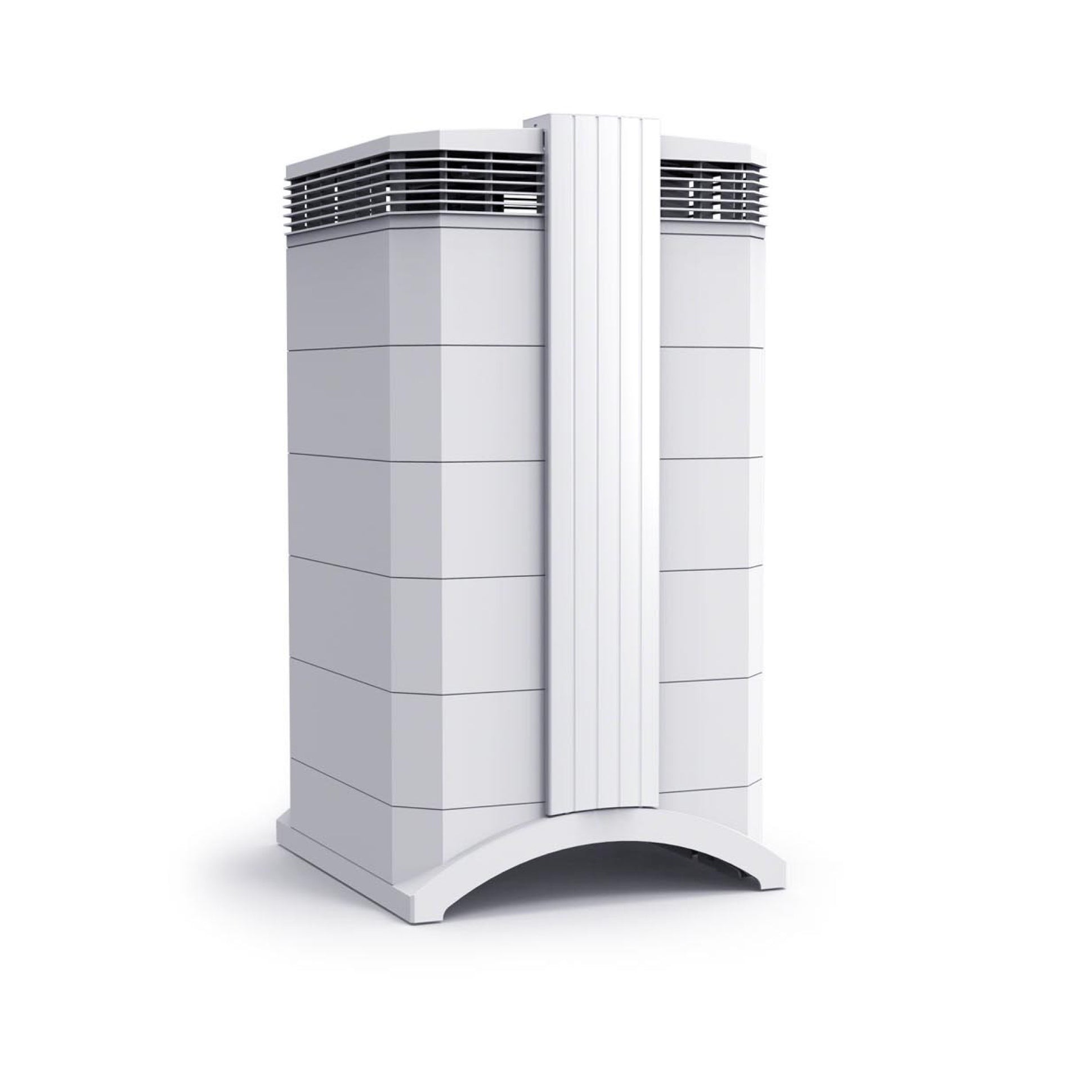 Tools & Equipment
Best Air Purifier for Biohackers: HEPA, VOC, and CADR Compared
Indoor air quality is an underrated biohacking lever, chronic exposure to fine particulates (PM2.5), VOCs, and allergens is linked to worse sleep, higher inflammatory markers, and reduced cognitive performance. But the air purifier market is full of inflated CADR claims and marketing around 'medical grade' filtration that doesn't always translate to real-world benefit. This guide compares IQAir's HealthPro Plus, AirDoctor's 5500, Blueair's Classic line, and Coway's Airmega, and explains which specs actually matter for a bedroom-focused biohacking setup. Broader home toxins context: Environmental Health. Water side: Water Filtration.
Read guide Tools & Equipment
Environmental Health: Air & Water Guide
You can't out-supplement a toxic environment. Indoor air quality, water contamination (PFAS, lead, chlorine), and EMF exposure are foundational biohacking concerns. This guide covers practical home upgrades ranked by impact and cost.
Read guide Supplements
Glutathione: The Complete Guide
Glutathione is your body's master antioxidant, present in every cell, critical for detoxification, immune function, and mitochondrial health. Dave Asprey calls it 'the most important molecule you need to stay healthy.' This guide covers why oral glutathione fails, liposomal delivery, and NAC as a precursor.
Read guide Diagnostics & Testing
Gut Microbiome: The Complete Guide
Your gut microbiome, 100 trillion bacteria, influences immunity, mood, metabolism, and inflammation. Bryan Johnson tests his monthly. This guide covers microbiome testing, evidence-based interventions, and what actually moves the needle vs marketing.
Read guideLast updated: 2026-07-25 · For informational purposes only. Not medical advice. Consult a healthcare provider before starting any new health protocol. Health disclaimer.