
Collagen Peptides: The Complete Guide
Types I and III, hydrolyzed dosing, skin and joint evidence, glycine content, and what actually works
Collagen peptides are hydrolyzed collagen protein supplements supporting skin elasticity, joint comfort, and gut lining integrity. They're also a significant dietary source of glycine. This guide covers types, dosing, evidence quality, and how collagen fits a biohacking stack.
Health Disclaimer
This content is for general informational and educational purposes only. It is not medical advice, diagnosis, or treatment. Consult a qualified healthcare provider before starting any supplement, peptide, or health protocol. Read our full health disclaimer.
Frequency
Daily
Duration
8–12 weeks minimum
Level
Beginner

Key Takeaways
- 110–15g daily hydrolyzed collagen is the standard dose in most positive trials
- 2Types I and III dominate skin and joint research; marine collagen for skin, bovine for joints
- 3Collagen provides ~3g glycine per 10g serving, useful but not a full sleep dose
- 4Results take 8–12 weeks for skin; joint benefits may appear sooner in athletes
What Are Collagen Peptides?
Collagen is the most abundant protein in the human body, forming the structural scaffold of skin, tendons, ligaments, cartilage, and gut lining. Collagen peptides (also called hydrolyzed collagen or collagen hydrolysate) are collagen broken into smaller amino acid chains for easier absorption.
Production declines ~1% per year after age 25, contributing to skin thinning, joint stiffness, and slower tissue repair. Supplementing provides building blocks (especially glycine, proline, and hydroxyproline) that the body uses for collagen synthesis.
The Science
Moderate EvidenceSkin: Multiple RCTs show 2.5–10g daily collagen peptides for 8–12 weeks improve skin elasticity, hydration, and wrinkle depth. A 2019 meta-analysis confirmed modest but statistically significant skin benefits.
Joints: Athletes taking 10g collagen hydrolysate daily for 24 weeks reported reduced joint pain during activity. Mechanism may involve stimulating chondrocyte activity and providing proline/hydroxyproline for cartilage matrix.
Gut: Collagen supports intestinal lining integrity. Less RCT data than skin, but bovine collagen is used clinically for gut healing protocols alongside BPC-157 in the peptide community.
Glycine bonus: 10g collagen provides approximately 3g glycine, overlapping with the sleep glycine protocol. Morning collagen in coffee covers structural needs; add standalone glycine at night for sleep-specific dosing.
- ·Skin: 2.5–10g/day, 8–12 weeks for measurable changes
- ·Joints: 10g/day, 24-week trials in athletes
- ·Marine collagen: smaller peptides, marketed for skin
- ·Bovine collagen: types I and III, joint and gut focus
The Protocol
Moderate EvidenceStandard dose: 10–15g hydrolyzed collagen peptides daily, mixed in coffee, smoothies, or water. Unflavored powder is most versatile. Dave Asprey popularized 'collagen coffee' as a morning ritual.
Timing: Morning with coffee or post-workout for joint recovery. Can split 10g AM + 5g PM. Taking with vitamin C (50–200mg) may support collagen synthesis, though evidence for this pairing is preliminary.
Type selection: Bovine (grass-fed) for general use and joints. Marine for skin-focused protocols. Multi-collagen blends (I, II, III, V, X) are popular but not necessarily superior to targeted types.
Minimum trial: Commit 8–12 weeks before evaluating skin results. Joint and gut effects may appear earlier (4–6 weeks).
- ·10–15g daily hydrolyzed collagen powder
- ·Morning coffee or smoothie is the standard delivery
- ·Pair with 50–200mg vitamin C for synthesis support
- ·Grass-fed bovine or wild-caught marine source preferred
What to Expect
Week 1–4: Minimal visible change. Some notice improved nail strength or less post-workout joint stiffness.
Week 8–12: Skin hydration and elasticity improvements become measurable in trials. Subjective 'glow' reports common.
Month 3+: Joint comfort improvements plateau in most trials. Ongoing use maintains benefits rather than continuing to amplify them.
Risks & Quality
Strong EvidenceGenerally safe at 10–20g daily. Heavy metal contamination is a concern with marine collagen, choose brands with third-party testing (NSF, ConsumerLab, or published COA).
Not a complete protein: collagen lacks tryptophan and is an incomplete amino acid profile. Don't replace whey or whole-food protein with collagen alone.
Shellfish allergy: marine collagen sourced from fish may trigger reactions. Bovine collagen is the alternative.
Community Consensus
r/Supplements and r/SkincareAddiction view collagen as one of the few beauty supplements with actual trial data, though effect sizes are modest. 'Manage expectations, it's not retinol' is common advice.
Biohacking community uses collagen primarily for joint recovery (runners, CrossFit) and as a glycine source in morning coffee. Vital Proteins and Great Lakes are the most recommended brands for quality and solubility.
As an Amazon Associate, Reo Tuku Iho Limited earns from qualifying purchases through Amazon links on this site. Full disclosure
For educational purposes only. Not medical advice. Read our health disclaimer.
Continue Reading
 Sleep Optimization
Glycine for Sleep: The Complete Guide
Glycine is an amino acid with direct sleep-promoting effects: it lowers core body temperature and improves sleep quality in human trials. At 3g before bed, it's one of the most evidence-backed, affordable sleep supplements. This guide covers mechanism, dosing, and how it fits the Huberman stack.
Read guideSupplementsBest Collagen: The Buying Guide
Collagen peptides are a glycine-rich, incomplete protein with modest skin and joint trial data. Shopping is easy: hydrolyzed peptides that dissolve, not a $70 beauty tin. This buying guide picks Vital Proteins and tells you to keep vitamin C and a complete protein in the same kitchen.
Read guide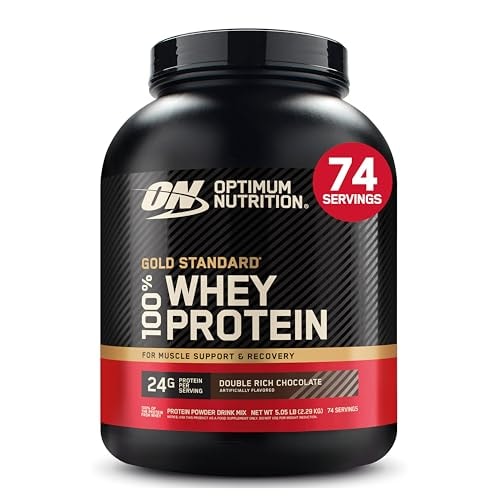 Supplements
Best Protein Powder: The Buying Guide
Protein powder is a convenience layer on top of food, not a longevity molecule. Whey is the default if you tolerate dairy. Collagen is glycine and joints, not a complete muscle protein. This buying guide picks Optimum Nutrition whey and Vital Proteins collagen and tells you when to skip powder entirely.
Read guide Peptides
BPC-157: The Complete Guide
BPC-157 (Body Protection Compound) is the most popular peptide in the biohacking and athletic recovery communities. Extensive animal research shows accelerated healing of tendons, ligaments, gut lining, and muscles. Human clinical data is essentially nonexistent. This guide covers the science, protocols, risks, and legal landscape.
Read guide Supplements
Omega-3 Fatty Acids: The Complete Guide
Omega-3 fatty acids (EPA and DHA) are essential for brain structure, cardiovascular health, and inflammation control. Most Western diets are deficient. This guide covers dosing, quality testing, the Omega-3 Index, and how to choose a fish oil.
Read guide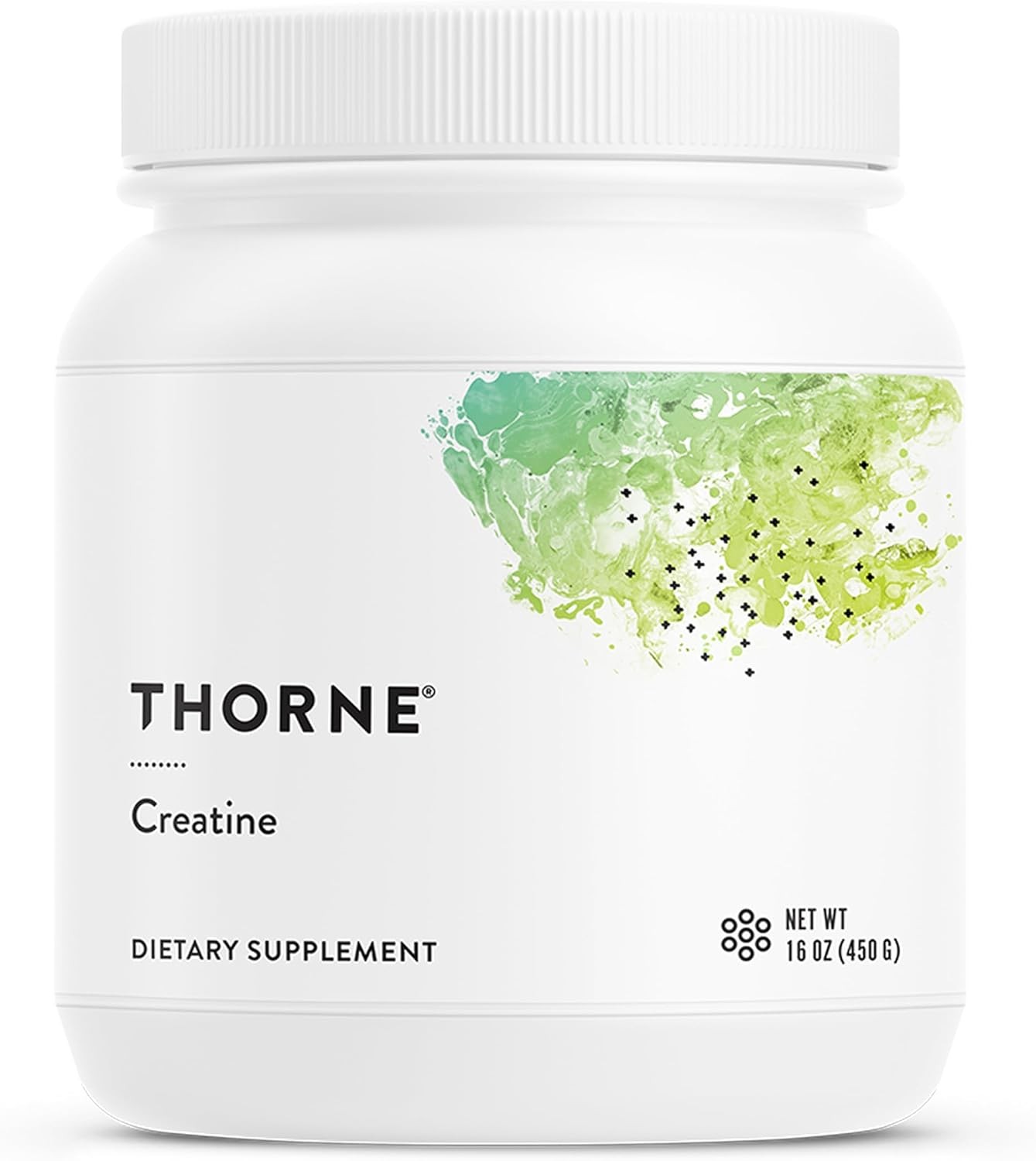 Supplements
Creatine Dose: 5g Daily for Muscle, Bone, and Brain
Take 5 g of creatine monohydrate every day for muscle, bone, and brain. You do not need a separate higher daily dose for bone — the bone research is still early and is studied with lifting, at ordinary doses. Some short brain studies use about 10–20 g a day, split up. That is a research protocol, not the daily dose this guide uses. Saturation from 5 g a day is the default.
Read guide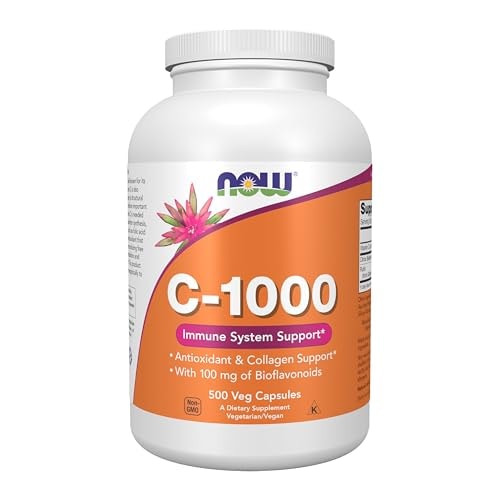 Supplements
Vitamin C: The Complete Guide
Vitamin C is an essential cofactor for collagen and a water-soluble antioxidant. Deficiency is rare on mixed diets; megadoses do not buy lifespan. This guide covers food vs ascorbic acid, the cold literature, and when a cheap NOW capsule is rational next to collagen powder.
Read guideLast updated: 2026-07-11 · For informational purposes only. Not medical advice. Consult a healthcare provider before starting any new health protocol. Health disclaimer.