Topic
Wearables & Trackers
Sleep rings, continuous glucose monitors, HRV devices, and biometric wearables used by top biohackers.
Buying Guides
Compare top products in this category before you buy.
 Wearables & Trackers
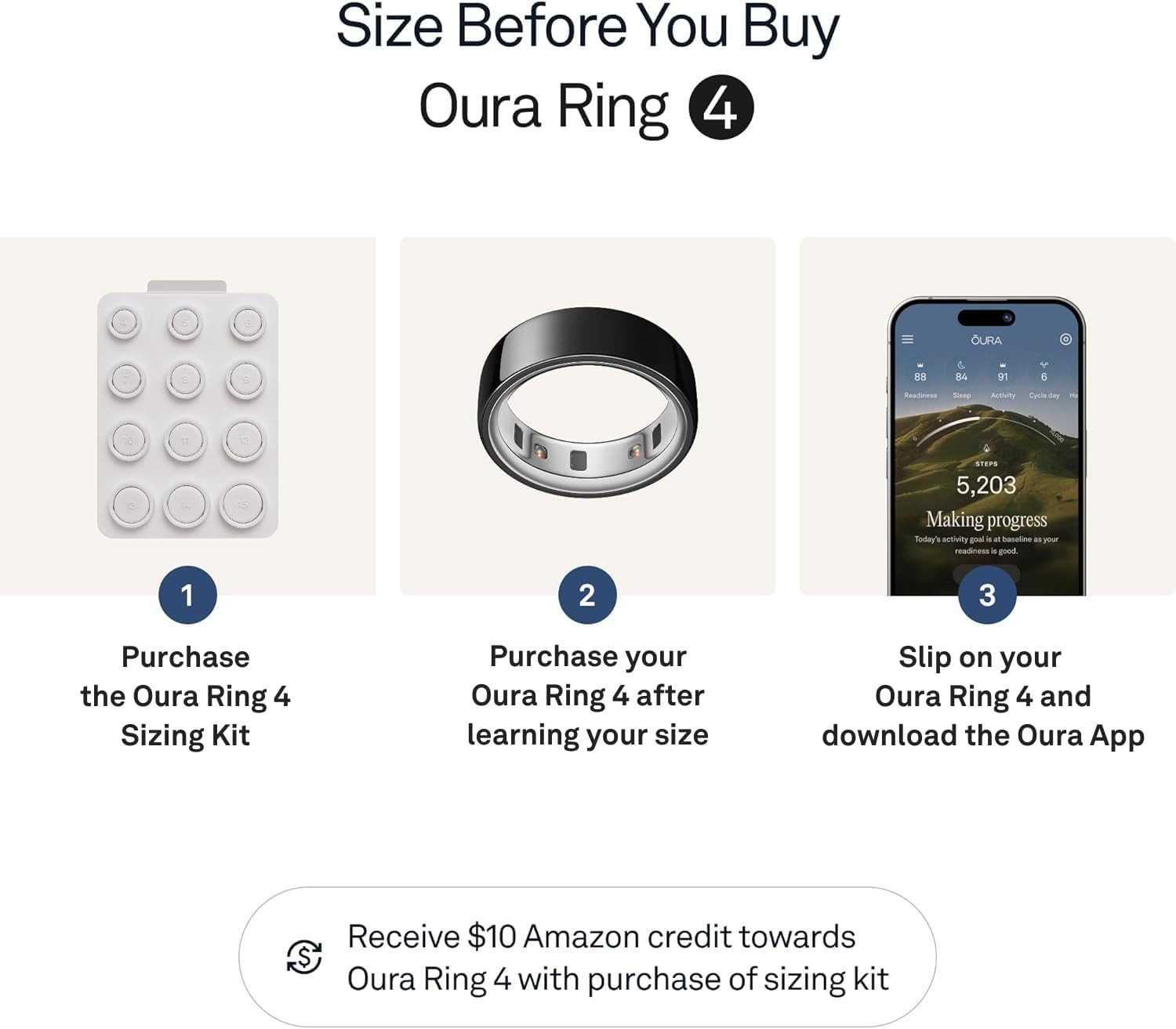
Oura Ring vs WHOOP (2026): Ring vs Band, Cost & Which to Buy
Oura and WHOOP are the two wearables biohackers debate most. Oura excels at passive sleep staging and HRV detail in an unobtrusive ring. WHOOP excels at training load management with its strain/recovery loop. This guide compares accuracy, pricing, use cases, and who should buy which. Considering Garmin too? See Garmin Fenix vs Oura vs WHOOP.
Read guide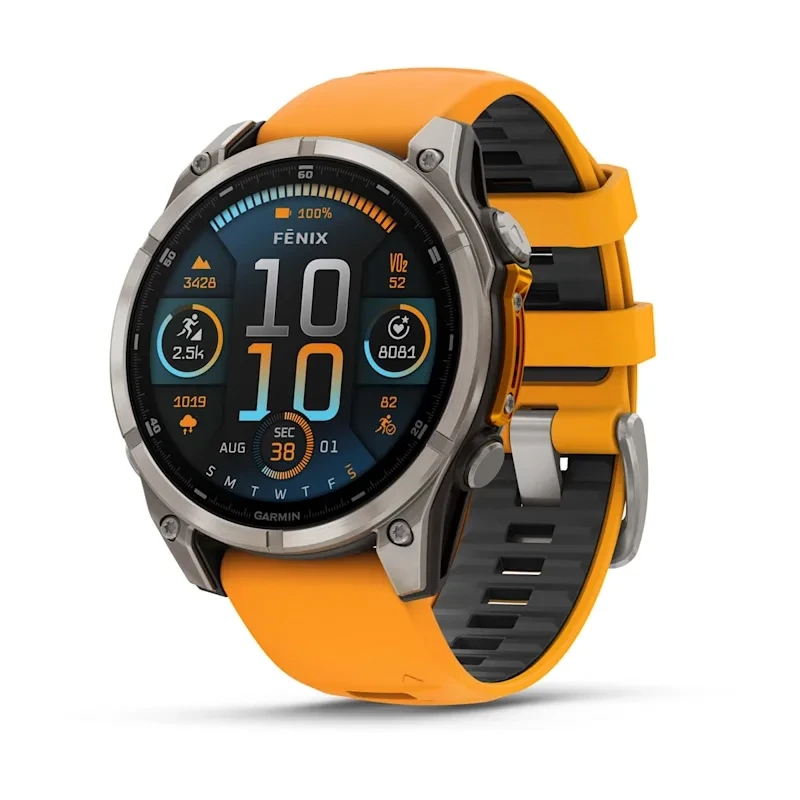 Wearables & Trackers
Garmin Fenix 8 vs Oura vs WHOOP: Which Tracker?
This page compares the Garmin Fenix 8 with Oura and WHOOP. It is not a Fenix 9 Pro review — if a listing says Fenix 9 Pro, the specs below do not apply to it. Fenix 8 is a GPS multisport watch. Oura is a passive sleep ring. WHOOP is a screenless strain band. The [Oura Ring 4 review](/equipment/oura-ring-gen4) covers price and the membership on its own. Narrowed to ring vs band only? See [Oura vs WHOOP](/guides/oura-vs-whoop).
Read guideNew wearables comparisons
Get emailed when we publish or refresh Oura, WHOOP, Garmin, and tracker buying guides.
We respect your privacy. See our Privacy Policy.
Guides
Wearables & TrackersHRV & Recovery Tracking: The Complete Guide
Heart rate variability (HRV) is the most actionable biometric for biohackers, it tells you when to push hard and when to rest. This guide explains what HRV means, how Oura and WHOOP use it, lifestyle factors that destroy recovery, and how to actually use the data. Ready to buy? See Oura vs WHOOP or Garmin vs Oura vs WHOOP.
Read guide Wearables & Trackers
Zone 2 Heart Rate Chart: Attia Targets by Age
Peter Attia does not publish a single official zone 2 heart rate chart. He uses a talk test, and in a lab a lactate reading near 2 mmol/L. The chart below is the practical substitute: a Maffetone ceiling of 180 minus age, next to 60–70% of estimated max heart rate. Stay under the ceiling only if you can still speak in full sentences, for 3–4 hours a week.
Read guideWearables & TrackersOura Ring vs WHOOP (2026): Ring vs Band, Cost & Which to Buy
Oura and WHOOP are the two wearables biohackers debate most. Oura excels at passive sleep staging and HRV detail in an unobtrusive ring. WHOOP excels at training load management with its strain/recovery loop. This guide compares accuracy, pricing, use cases, and who should buy which. Considering Garmin too? See Garmin Fenix vs Oura vs WHOOP.
Read guideWearables & TrackersGarmin Fenix 8 vs Oura vs WHOOP: Which Tracker?
This page compares the Garmin Fenix 8 with Oura and WHOOP. It is not a Fenix 9 Pro review — if a listing says Fenix 9 Pro, the specs below do not apply to it. Fenix 8 is a GPS multisport watch. Oura is a passive sleep ring. WHOOP is a screenless strain band. The [Oura Ring 4 review](/equipment/oura-ring-gen4) covers price and the membership on its own. Narrowed to ring vs band only? See [Oura vs WHOOP](/guides/oura-vs-whoop).
Read guide Wearables & Trackers
Strength Training for Longevity: The Complete Guide
Cardio gets the longevity headlines, but muscle mass, strength, and power are among the strongest predictors of healthy aging. This guide covers why resistance training belongs next to Zone 2, how much is enough, and a beginner-to-intermediate protocol that still works at 70.
Read guideWearables & TrackersDaily Walking for Longevity: The Complete Guide
Walking is the highest-ROI movement habit in longevity medicine: lower all-cause mortality, better glucose control, and cognitive benefits — with zero equipment required. This guide separates step-count hype from structured Zone 2, and how wearables should track both.
Read guide Wearables & Trackers
Rucking: The Complete Guide
Rucking is walking with a weighted pack — military in origin, longevity-friendly in practice. It builds aerobic base, leg and core strength, and bone loading without the injury profile of running. This guide covers load progression, heart rate targets, and gear.
Read guide Wearables & Trackers
Glucose Spike Control: The Complete Guide
Glucose spikes after meals drive inflammation and metabolic stress — even in non-diabetics. CGM culture made this visible. This guide covers behavioral hacks (walk, fiber first, vinegar), when berberine fits, and how to use a monitor without ruining your relationship with food.
Read guide Wearables & Trackers
Zone 5 & HIIT for Longevity: The Complete Guide
Zone 5 is near-maximal work — the session that actually moves VO₂ max once a Zone 2 base exists. Attia and endurance coaches usually prescribe one hard day a week, not daily HIIT classes. This guide covers 4×4s, shorter intervals, heart-rate vs RPE, and who should wait.
Read guide Wearables & Trackers
Daniel Lieberman & Exercised: The Complete Guide
Exercised (2021) is Lieberman’s evolutionary case that voluntary training is a modern invention. Humans evolved to walk, carry, and rest. This guide extracts the walking-first frame and sends you to Zone 2, Easter, and Starrett instead of a $4,000 treadmill.
Read guide Wearables & Trackers
Herman Pontzer & Burn: The Complete Guide
Burn (2021) is Pontzer’s Hadza-backed argument that 24-hour energy expenditure sits in a narrow band. More training does not linearly raise daily burn. This guide extracts the correction and sends you back to walking, Zone 2, and food — not a watch that ‘earned’ dessert.
Read guide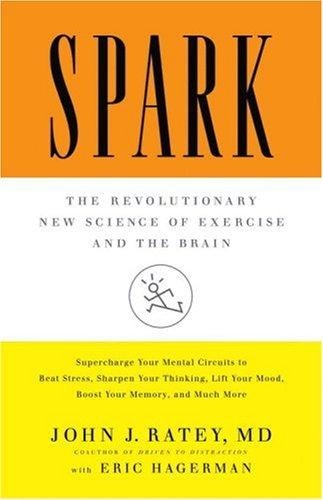 Wearables & Trackers
John Ratey & Spark: The Complete Guide
Spark (2008) is psychiatrist John Ratey’s case that aerobic work changes the brain: attention, mood, and memory. The Naperville school story is the famous chapter. This guide sends you to Zone 2 and Lieberman before another focus capsule. It is not permission to stop psychiatric medication.
Read guideReferenced Equipment
Equipment from our guides, with specs and trusted purchase links.