
ApoB & Lipids for Longevity: The Complete Guide
Why Peter Attia cares more about ApoB than LDL-C — and what to do with your numbers
Cardiovascular disease remains a top killer; lipid panels are the cheapest longevity blood test most people skip interpreting correctly. This guide explains ApoB vs LDL-C, Lp(a), and lifestyle plus supplement levers — not statin prescribing.
Frequency
Annual labs (more if changing protocol)
Duration
Ongoing
Level
Intermediate

Key Takeaways
- 1ApoB counts atherogenic particles (LDL, VLDL, Lp(a)); one ApoB molecule per bad particle — often better than LDL-C alone
- 2Attia-style targets often push ApoB lower than standard lab 'normal' for high-risk longevity optimizers — discuss with your clinician
- 3Omega-3, fiber, exercise, and body comp improve lipids; berberine and metformin touch glucose more than ApoB directly
- 4Lp(a) is largely genetic — test once; if elevated, intensity of other risk reduction matters more
Who this is for
- ·People with 'normal' LDL but family history of early heart attack
- ·Biohackers ordering advanced panels beyond basic cholesterol
- ·GLP-1 users watching metabolic markers improve
- ·Anyone optimizing before debating statins with a doctor
Why ApoB Matters
LDL cholesterol (LDL-C) measures cholesterol mass inside LDL particles. Apolipoprotein B (ApoB) counts the particles themselves — each LDL, VLDL, and Lp(a) particle carries one ApoB.
Small dense LDL can carry less cholesterol per particle; LDL-C can look 'fine' while particle number (ApoB) stays high. That is why longevity clinicians increasingly order ApoB.
The Science
Strong EvidenceMendelian randomization and epidemiology link lifelong lower LDL/ApoB to fewer cardiovascular events. Causality for lowering ApoB in midlife is supported by statin and PCSK9 inhibitor trials — prescription territory.
Lifestyle: Zone 2 and resistance training, weight loss (especially visceral fat), soluble fiber, and omega-3 fatty acids modestly improve lipid profiles in many people.
Lp(a): genetically determined in most cases; test once in adulthood. Elevated Lp(a) does not respond to diet; ApoB and blood pressure control become more urgent.
This guide is educational — medication decisions require a licensed clinician who knows your full history.
- ·Strong: lower ApoB/LDL reduces ASCVD risk over decades
- ·Moderate: lifestyle shifts move ApoB modestly in many people
- ·Strong: Lp(a) as independent genetic risk factor
- ·Not medical advice: statin/ezetimibe/PCSK9 are Rx decisions
The Protocol
Strong EvidenceLabs: standard lipid panel plus ApoB and once-in-lifetime Lp(a). Add hs-CRP and metabolic panel — see blood-panel-testing guide.
Lifestyle stack: Zone 2 150+ min/week, lifting 2–4×, waist reduction if elevated, omega-3 2g EPA+DHA if diet is low in fatty fish.
Retest: 3–6 months after meaningful weight or diet change.
If ApoB stays high with optimal lifestyle and family history — cardiology consult, not more supplements.
- ·Order ApoB + Lp(a) on next panel
- ·Omega-3, fiber, exercise, body comp first
- ·Retest quarterly when actively changing habits
- ·Escalate to cardiology when warranted
What to Expect
8–12 weeks of consistent Zone 2 and fat loss often drops triglycerides first; ApoB moves slower.
GLP-1 users frequently see improved triglycerides and weight-driven lipid gains — still check ApoB, not just scale.
Risks & Cost
Strong EvidenceObsessing over numbers without action is common. One panel plus a plan beats monthly anxiety testing.
ApoB add-on cost is often $20–80 depending on lab. Omega-3 (Nordic Naturals etc.) is available on Amazon with active affiliate listings.
Community Consensus
Attia converted much of r/longevity to ApoB enjoyers. Counter-debate: standard care LDL-C suffices for population screening. Both agree testing beats guessing.
As an Amazon Associate, Reo Tuku Iho Limited earns from qualifying purchases through Amazon links on this site. Full disclosure
Sources
Key references cited in this guide. Links open the original publication or abstract.
- Apolipoprotein B and cardiovascular diseaseJAMA Cardiol, 2019
- Lp(a) and cardiovascular disease: current insightsNat Rev Cardiol, 2022
Continue Reading
 Diagnostics & Testing
Blood Panel Testing: The Complete Guide
Annual bloodwork is the foundation of data-driven biohacking. Peter Attia's framework prioritizes ApoB, insulin, HbA1c, and inflammatory markers over standard lipid panels. This guide covers what to test, how often, where to order, and how to interpret results.
Read guide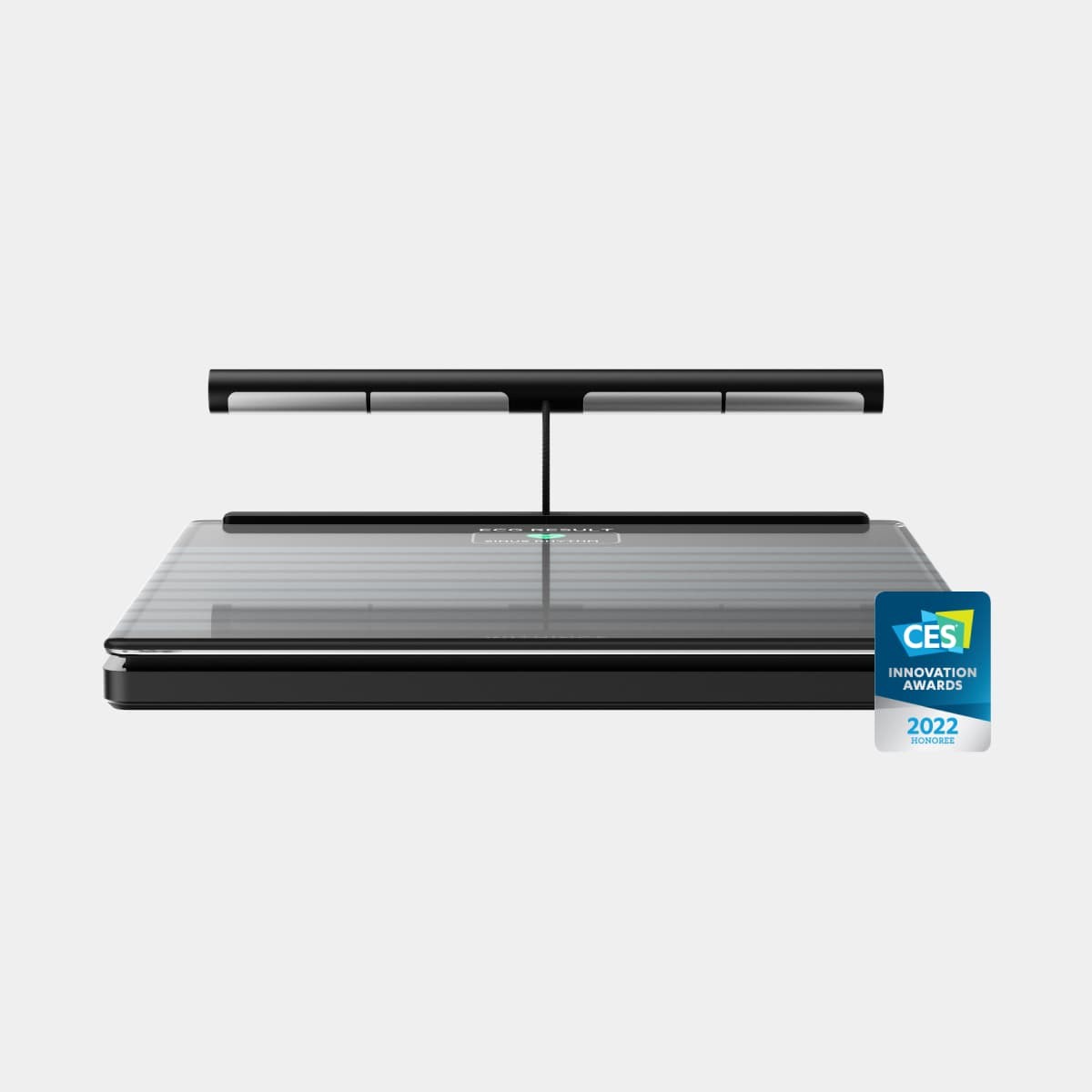 Diagnostics & Testing
DEXA vs Ultrasound, Skinfold, and Waist Size
DEXA is the clinic scan that separates fat, lean tissue, and bone. Ultrasound and skinfold calipers estimate fat under the skin and are useful between scans. Waist circumference is the free check. A smart scale is only a trend line. Weight alone misleads people on GLP-1s, creatine, or a new lifting program.
Read guide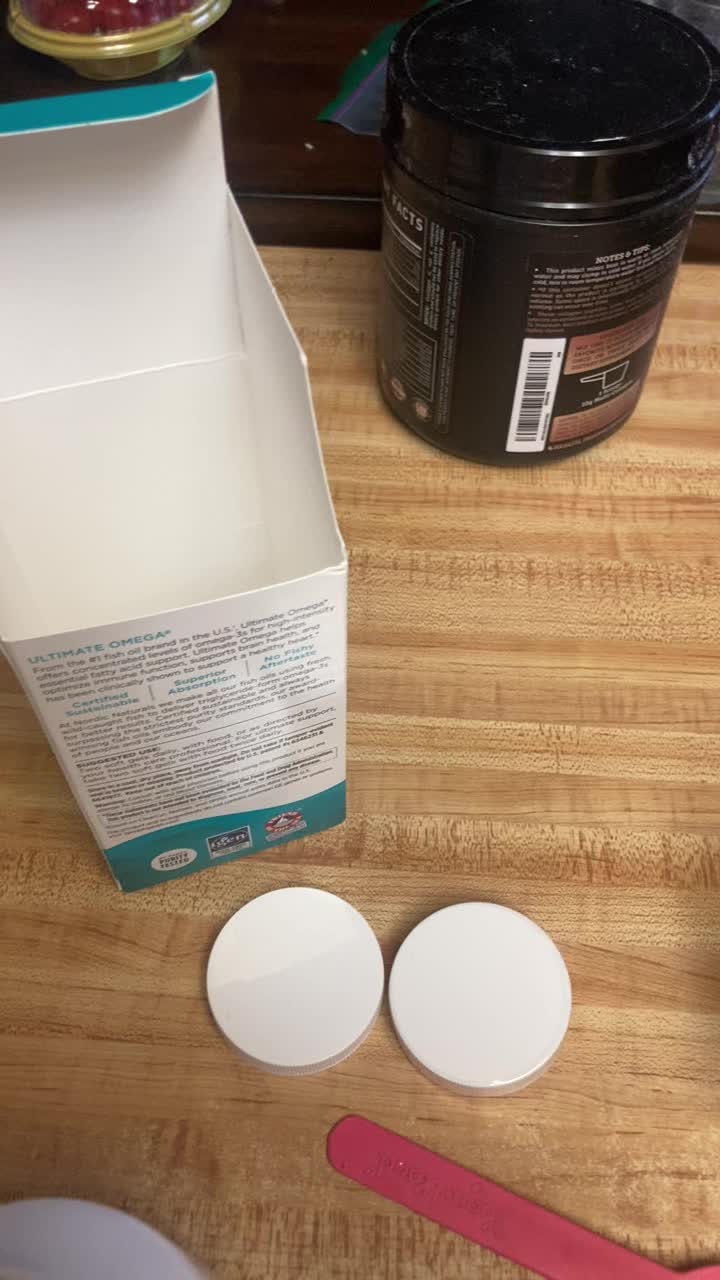 Supplements
Omega-3 Fatty Acids: The Complete Guide
Omega-3 fatty acids (EPA and DHA) are essential for brain structure, cardiovascular health, and inflammation control. Most Western diets are deficient. This guide covers dosing, quality testing, the Omega-3 Index, and how to choose a fish oil.
Read guide Wearables & Trackers
Zone 2 Heart Rate Chart: Attia Targets by Age
Peter Attia does not publish a single official zone 2 heart rate chart. He uses a talk test, and in a lab a lactate reading near 2 mmol/L. The chart below is the practical substitute: a Maffetone ceiling of 180 minus age, next to 60–70% of estimated max heart rate. Stay under the ceiling only if you can still speak in full sentences, for 3–4 hours a week.
Read guide Peptides
GLP-1 Agonists: The Complete Guide
GLP-1 receptor agonists (semaglutide, liraglutide) and dual agonists (tirzepatide) moved from diabetes clinics into mainstream weight and metabolic culture. For biohackers, the live questions are muscle loss, rebound weight, nutrient quality, and whether a peptide drug belongs next to Zone 2 and protein. This is a map of the evidence — not a shortcut to a vial.
Read guide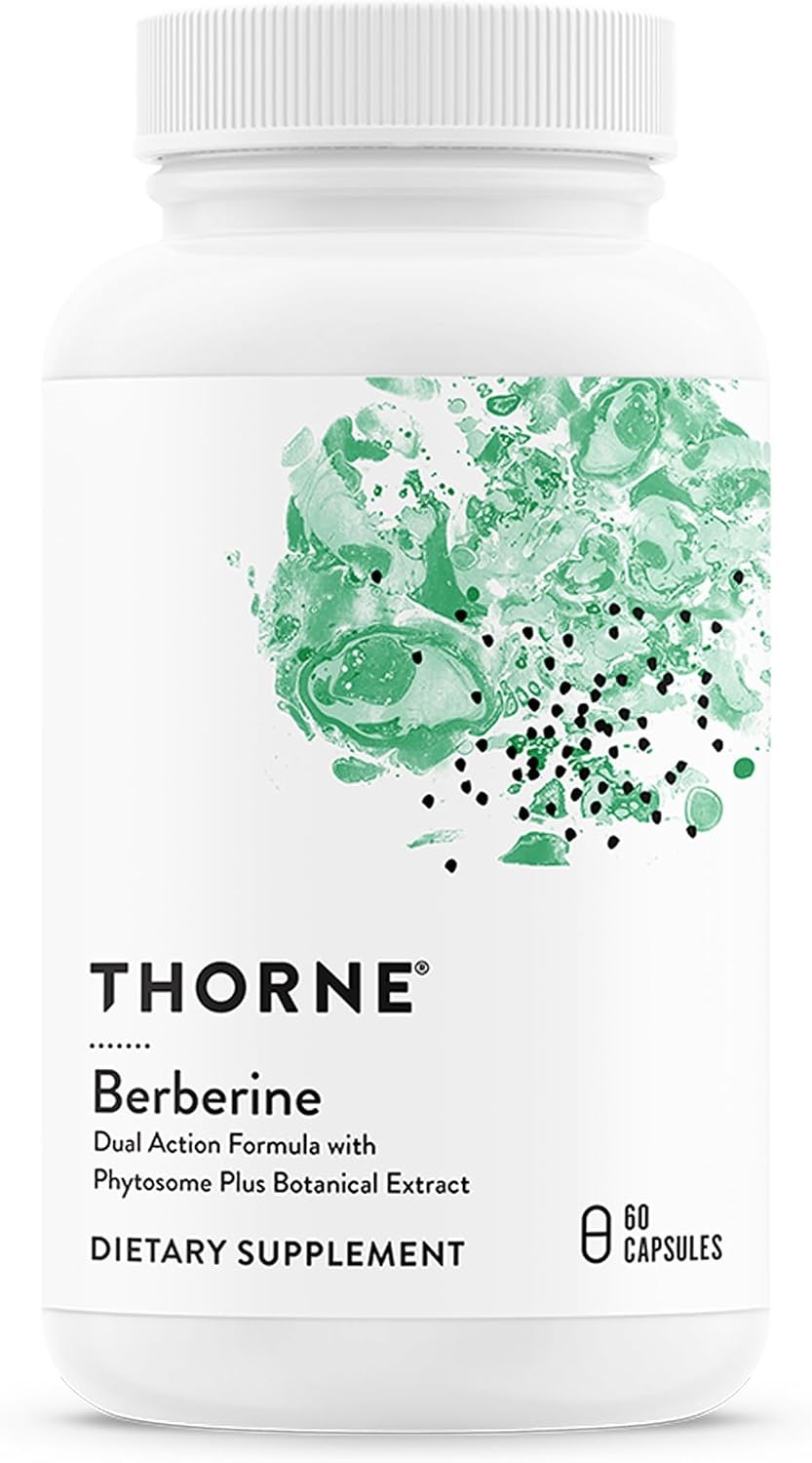 Supplements
Berberine: The Complete Guide
Berberine is a plant alkaloid that activates AMPK and lowers blood glucose comparably to metformin in some trials. Biohackers use it for metabolic health, CGM optimization, and longevity signaling. This guide covers 500mg dosing, GI side effects, and CGM pairing.
Read guideLast updated: 2026-08-23 · For informational purposes only. Not medical advice. Consult a healthcare provider before starting any new health protocol. Health disclaimer.