
Glycine for Sleep: The Complete Guide
Core body temperature drop, 3g pre-bed protocol, collagen connection, and stacking with magnesium
Glycine is an amino acid with direct sleep-promoting effects: it lowers core body temperature and improves sleep quality in human trials. At 3g before bed, it's one of the most evidence-backed, affordable sleep supplements. This guide covers mechanism, dosing, and how it fits the Huberman stack.
Frequency
Nightly
Duration
Ongoing
Level
Beginner

Key Takeaways
- 13g glycine before bed lowers core body temperature and improves subjective sleep quality
- 2Human RCT data exists, stronger evidence than many popular sleep supplements
- 3Magnesium glycinate delivers glycine as a carrier, but standalone glycine allows higher doses
- 4Inexpensive, well-tolerated, and complementary to magnesium, apigenin, and theanine
What Is Glycine?
Glycine is the simplest amino acid and a building block of collagen, making up roughly one-third of collagen protein by weight. Beyond structural roles, glycine functions as an inhibitory neurotransmitter in the brainstem and spinal cord, and plays a direct role in thermoregulation during sleep.
Unlike melatonin (which shifts circadian timing), glycine works acutely to promote sleep onset by triggering a drop in core body temperature, a physiological requirement for falling asleep. This makes it particularly useful for people who feel 'too warm' at bedtime or struggle with sleep maintenance.
The Science
Moderate EvidenceCore temperature mechanism: Glycine activates NMDA receptors in the suprachiasmatic nucleus, which increases blood flow to extremities and dissipates heat from the core. This mimics the natural pre-sleep temperature drop that Matthew Walker emphasizes as essential for sleep onset.
Human trials: A 2007 study (Yamadera et al.) showed 3g glycine before bed improved subjective sleep quality, reduced daytime sleepiness, and improved psychomotor performance the next morning. A 2012 polysomnography study confirmed improved sleep efficiency and reduced time to slow-wave sleep.
Collagen connection: Many biohackers get 3–5g glycine from collagen peptides (10–15g collagen provides ~3g glycine). Standalone glycine powder allows precise sleep dosing without the extra calories or protein load of collagen.
- ·3g dose validated in Japanese sleep research
- ·Lowers core body temperature via peripheral vasodilation
- ·Improves next-day cognitive performance, not just sleep
- ·Safe at doses up to 15g/day in short-term studies
The Protocol
Moderate EvidenceStandard dose: 3g glycine powder dissolved in water, 30–60 minutes before bed. Powder is tasteless and slightly sweet, mixes easily. Capsules (500–1000mg each) require 3–6 capsules to reach 3g.
Stacking with magnesium glycinate: Magnesium glycinate provides ~100mg glycine per 200mg elemental magnesium. If taking 400mg magnesium glycinate, add 2g standalone glycine to reach the 3g sleep threshold.
Huberman-adjacent stack: glycine 3g + magnesium threonate/glycinate 200–400mg + apigenin 50mg + theanine 100–200mg. Introduce one component at a time over 1–2 weeks to assess individual response.
Morning collagen alternative: 10–15g collagen peptides in morning coffee provides glycine for structural benefits but may not deliver the acute pre-bed temperature effect. Use standalone glycine for sleep-specific timing.
- ·3g glycine powder, 30–60 min before bed
- ·Stack: magnesium glycinate + apigenin + theanine
- ·Collagen users: add standalone glycine if sleep dose not met at bedtime
- ·No cycling needed, safe for long-term nightly use
What to Expect
Night 1–3: Subtle warmth in hands/feet as peripheral vasodilation kicks in, followed by easier sleep onset. Not sedating, more 'body ready for sleep.'
Week 1–2: Improved sleep continuity and reduced next-day grogginess. People who run hot at night often notice the biggest difference.
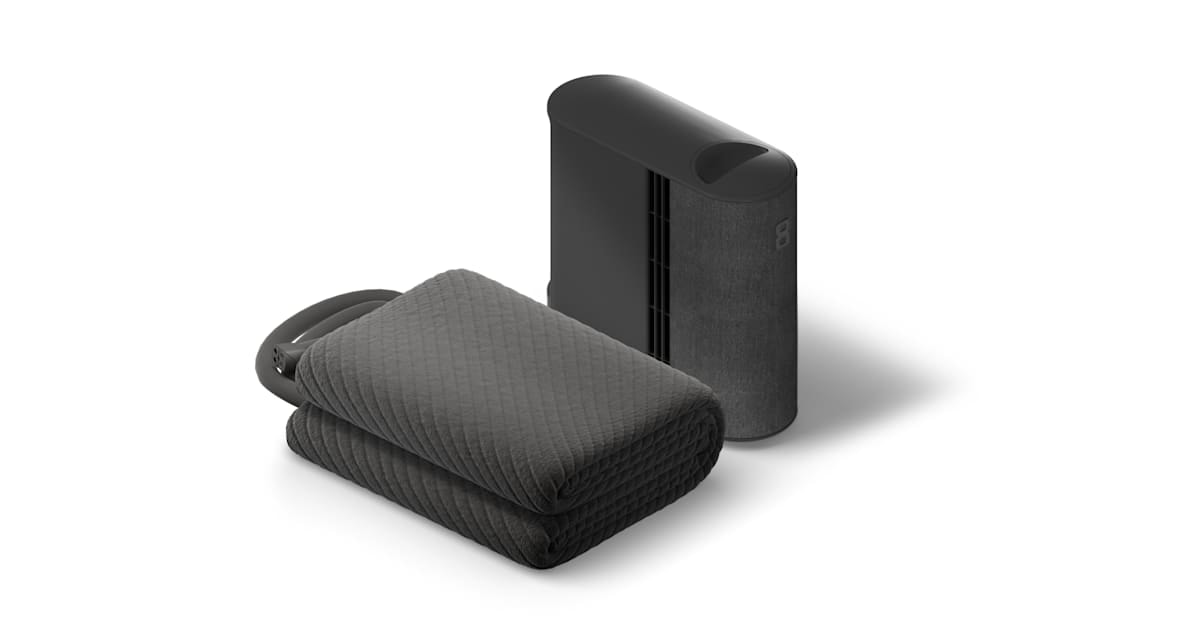
Month 1+: Cumulative benefits for recovery if sleep quality improves. Pairs well with Eight Sleep or other cooling systems for amplified effect.
Risks & Contraindications
Strong EvidenceGlycine is generally recognized as safe (GRAS) by the FDA at food-level intakes. 3g nightly is well within safety margins established in clinical trials.
Caution with clozapine: glycine may reduce clozapine efficacy in schizophrenia treatment. Not relevant for most biohackers but worth noting.
High-dose caution: Doses above 10g may cause mild GI discomfort in some individuals. The 3g sleep dose rarely causes issues.
Community Consensus
r/Supplements and r/Biohackers rank glycine among the best value sleep supplements, often overlooked in favor of trendier compounds. 'Fix glycine before buying another sleep gadget' is common advice.
Huberman discusses glycine's role in the magnesium glycinate form but standalone glycine gets less podcast attention than apigenin. Sleep researchers like Matthew Walker emphasize temperature regulation, glycine is one of the few supplements that directly addresses this mechanism.
As an Amazon Associate, Reo Tuku Iho Limited earns from qualifying purchases through Amazon links on this site. Full disclosure
Continue Reading
 Sleep Optimization
Sleep Optimization: The Complete Guide
Sleep is the foundation every biohacker builds on, Huberman calls it the #1 performance enhancer. This guide covers the science of sleep stages, temperature regulation, light protocols, tracking with wearables, and the complete toolkit for deep restorative sleep.
Read guideSleep OptimizationApigenin for Sleep: The Complete Guide
Apigenin is a flavonoid from chamomile that modulates GABA receptors for sleep support. Andrew Huberman popularized it as part of his sleep stack alongside magnesium threonate and theanine. This guide covers mechanism, dosing, stacking, and realistic expectations.
Read guide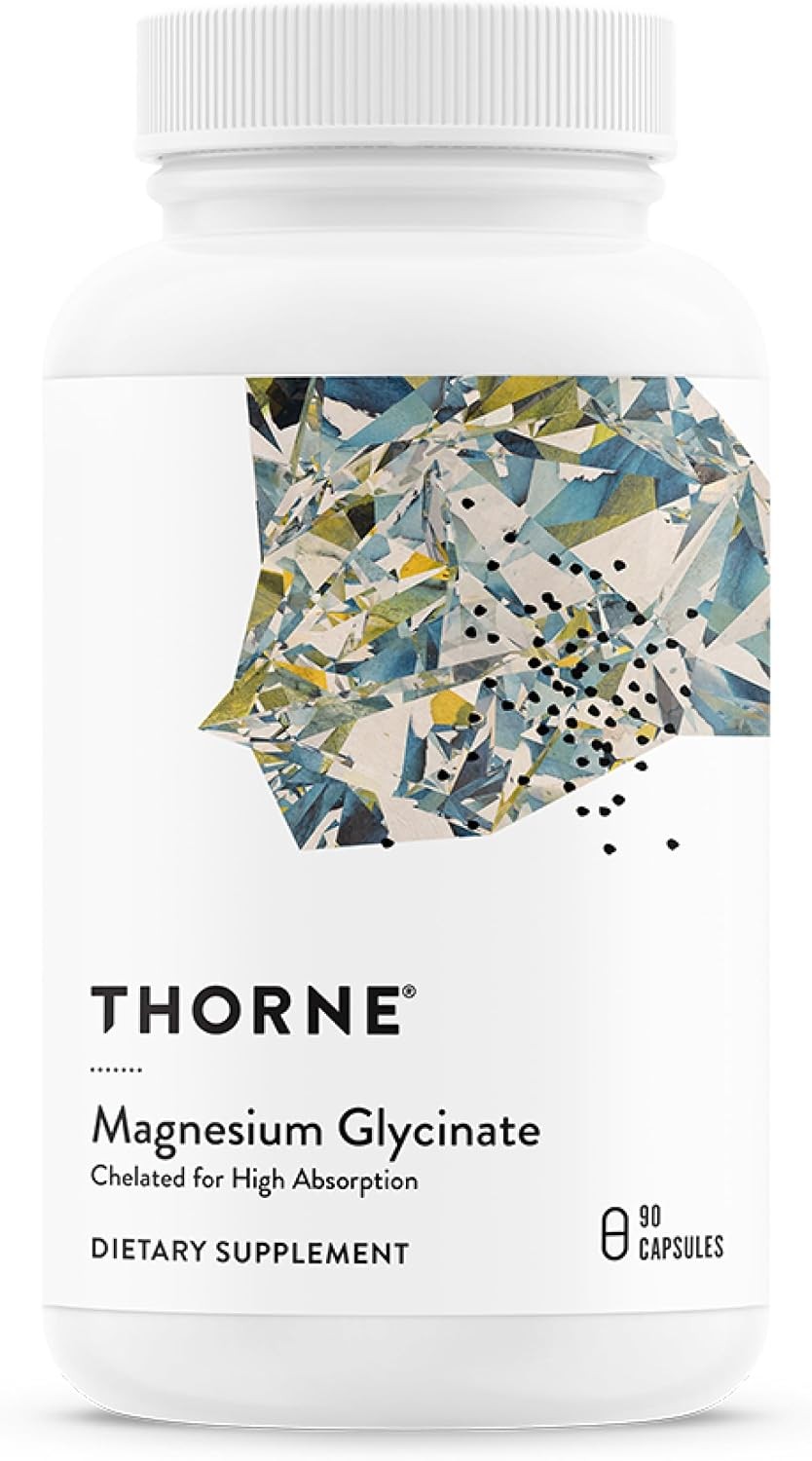 Supplements
Magnesium: The Complete Guide
Up to 50% of adults may not meet optimal magnesium intake. It's involved in 300+ enzymatic reactions, sleep, muscle recovery, stress, and heart rhythm all depend on it. This guide breaks down which form to take, when, and how much.
Read guide Sleep Optimization
Circadian Rhythm Optimization: The Complete Guide
Your circadian rhythm governs sleep, hormones, metabolism, and mood. Huberman and Walker's most foundational advice isn't a supplement or gadget, it's light exposure timing. This guide covers the complete circadian protocol: morning sunlight, evening protection, meal timing, and temperature.
Read guideLast updated: 2026-07-11 · For informational purposes only. Not medical advice. Consult a healthcare provider before starting any new health protocol. Health disclaimer.