
Compression Recovery: The Complete Guide
Normatec-style pneumatic boots, when they help, and how they fit next to sleep and cold plunge
Pneumatic compression boots cycle air through chambers to flush interstitial fluid and reduce perceived soreness after hard training. They are a staple in pro sports and increasingly in home biohacking setups. This guide covers evidence, session timing, and whether boots beat a cheap walk.
Frequency
2–5× weekly (after hard leg sessions)
Duration
30–60 minutes per session
Level
Beginner

Key Takeaways
- 1Best evidence is for perceived recovery and reduced DOMS after eccentric or leg-heavy sessions — not miracle hypertrophy
- 2Typical protocol: 30–60 minutes post-workout or before bed on leg days
- 3Complements sleep and nutrition; does not replace them
- 4High ticket on Amazon for Normatec-class devices — rent or try at a clinic if unsure
Who this is for
- ·Heavy leg days, hiking, or race blocks with sore calves and quads
- ·People stacking sauna + lifting who feel 'heavy legs' the next morning
- ·Travelers who sit on planes after events
- ·Biohackers building a full recovery room next to cold plunge
What Is Pneumatic Compression?
Devices like Hyperice Normatec use inflatable chambers that sequentially compress legs (or hips/arms on some models), then release — mimicking manual lymphatic massage at scale.
Consumer biohackers pair them with Theragun percussion, cold plunge, and eight hours of sleep. The boots are the passive layer you run while answering email.
The Science
Moderate EvidenceMeta-analyses and sports studies show modest improvements in subjective recovery, reduced DOMS, and sometimes improved range of motion after intense lower-body work. Mechanisms include enhanced venous return and lymph flow, not magic muscle repair.
They do not replace active recovery walks, protein intake, or sleep. Data on long-term performance gains are thinner than marketing suggests.
Contrast therapy (hot/cold) and compression address different pathways — many protocols stack both on the same day with hours between.
- ·Moderate: DOMS and perceived recovery after leg training
- ·Moderate: travel edema and swelling comfort
- ·Weak: direct longevity or lifespan claims
- ·Compare: 20-minute Zone 1 walk is free and also works
The Protocol
Moderate EvidencePost-workout: 30–45 minutes at moderate pressure within 2 hours of leg day. Hydrate with electrolytes — compression moves fluid; you still need sodium and water.
Evening: before-bed session on race week or after long hikes. Keep pressure tolerable — numb toes mean back off.
Travel: 30 minutes after long flights if you swell. Not a DVT treatment — medical clots need a doctor.
Stacking: cold plunge first or compression first both work; avoid immediate back-to-back if vasoconstriction makes boots uncomfortable.
- ·30–60 min sessions, moderate pressure
- ·Use after leg-heavy training or travel
- ·Pair with electrolytes and sleep
- ·Clean boots weekly — sweat and skin contact add up
What to Expect
Session: heavy, warm legs often feel lighter immediately — partly fluid shift, partly placebo. Many people nap during boots.
Next day: less stair-walk soreness after squats or long runs. If you only train upper body, leg boots are low priority.
Risks & Cost
Moderate EvidenceAvoid with active DVT, severe peripheral artery disease, or open wounds unless cleared medically.
Normatec-class systems are expensive ($500–$900+ on Amazon for current models). Theragun or a walk covers 80% of needs for casual lifters.
Insurance rarely covers consumer recovery gear.
Community Consensus
Pro athletes swear by boots; r/Biohackers splits between 'best purchase ever' and 'expensive foot massager.' Consensus: worth it if you train legs hard weekly; skip if you are budget-constrained and sleeping well.
As an Amazon Associate, Reo Tuku Iho Limited earns from qualifying purchases through Amazon links on this site. Full disclosure
Sources
Key references cited in this guide. Links open the original publication or abstract.
- Compression garments and recovery from exercise-induced muscle damageSports Med, 2016
- Intermittent pneumatic compression and delayed onset muscle sorenessJ Strength Cond Res, 2012
Continue Reading
Tools & EquipmentNormatec vs Massage Gun: Which Recovery Tool to Buy
Normatec 3, a massage gun, and a Compex EMS unit get lumped together as 'recovery gear.' They are three different tools. Normatec squeezes fluid up the legs for $699–$899 while you sit still. A Hypervolt or Theragun hits tight muscle for $399–$649. Compex fires the muscle with electrodes for $549–$749. Buy one. For how to use a gun or boots on their own, see Percussion Massage and Compression Recovery.
Read guide Heat Therapy
Contrast Therapy: The Complete Guide
Contrast therapy alternates heat and cold exposure to drive vascular flushing, reduce inflammation, and amplify recovery benefits beyond either modality alone. Popularized by Finnish sauna culture and modern biohackers like Huberman and Patrick. This guide covers protocols, timing, and equipment options.
Read guide Cold Therapy
Cold Exposure: The Complete Guide
Deliberate cold exposure is one of the most accessible biohacks with measurable effects on norepinephrine, dopamine, metabolism, and mental resilience. This guide breaks down the Huberman protocol (11 min/week), the Wim Hof method, what happens to your body, and how to build a sustainable practice.
Read guide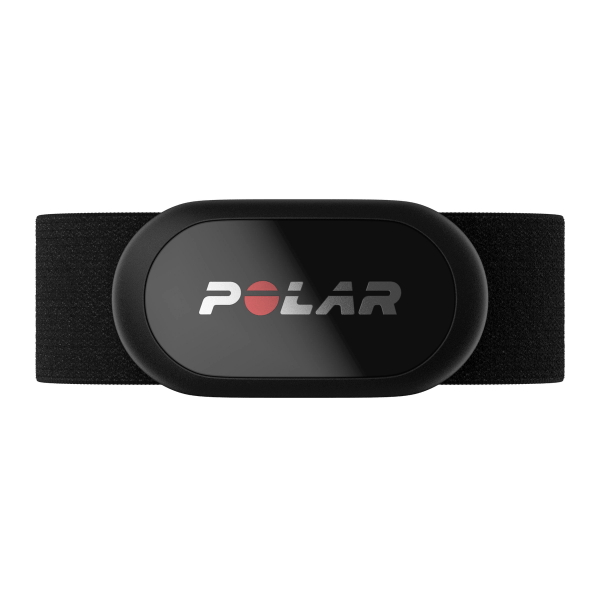 Wearables & Trackers
Zone 2 Heart Rate Chart: Attia Targets by Age
Peter Attia does not publish a single official zone 2 heart rate chart. He uses a talk test, and in a lab a lactate reading near 2 mmol/L. The chart below is the practical substitute: a Maffetone ceiling of 180 minus age, next to 60–70% of estimated max heart rate. Stay under the ceiling only if you can still speak in full sentences, for 3–4 hours a week.
Read guide Wearables & Trackers
Strength Training for Longevity: The Complete Guide
Cardio gets the longevity headlines, but muscle mass, strength, and power are among the strongest predictors of healthy aging. This guide covers why resistance training belongs next to Zone 2, how much is enough, and a beginner-to-intermediate protocol that still works at 70.
Read guide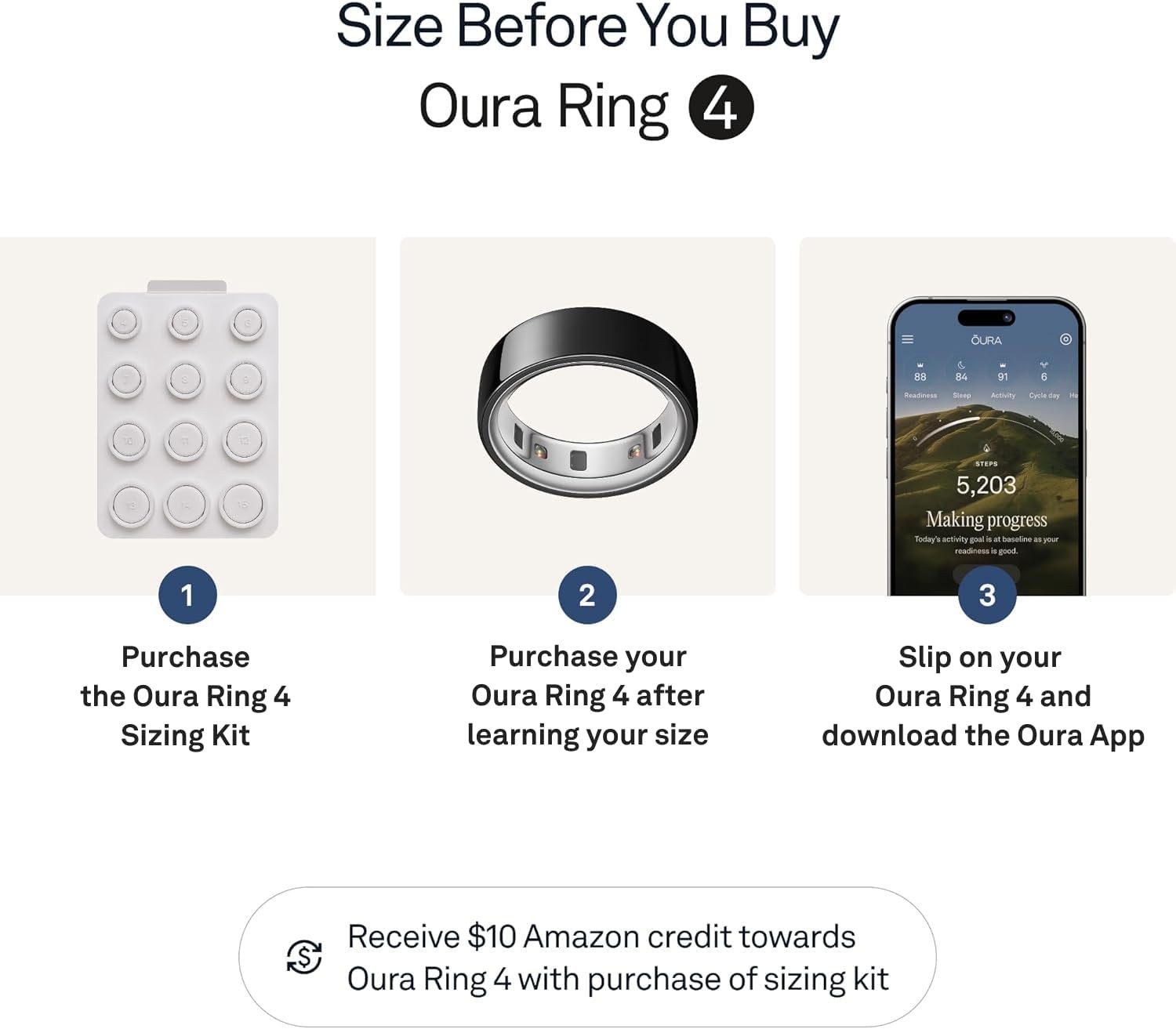 Wearables & Trackers
HRV & Recovery Tracking: The Complete Guide
Heart rate variability (HRV) is the most actionable biometric for biohackers, it tells you when to push hard and when to rest. This guide explains what HRV means, how Oura and WHOOP use it, lifestyle factors that destroy recovery, and how to actually use the data. Ready to buy? See Oura vs WHOOP or Garmin vs Oura vs WHOOP.
Read guide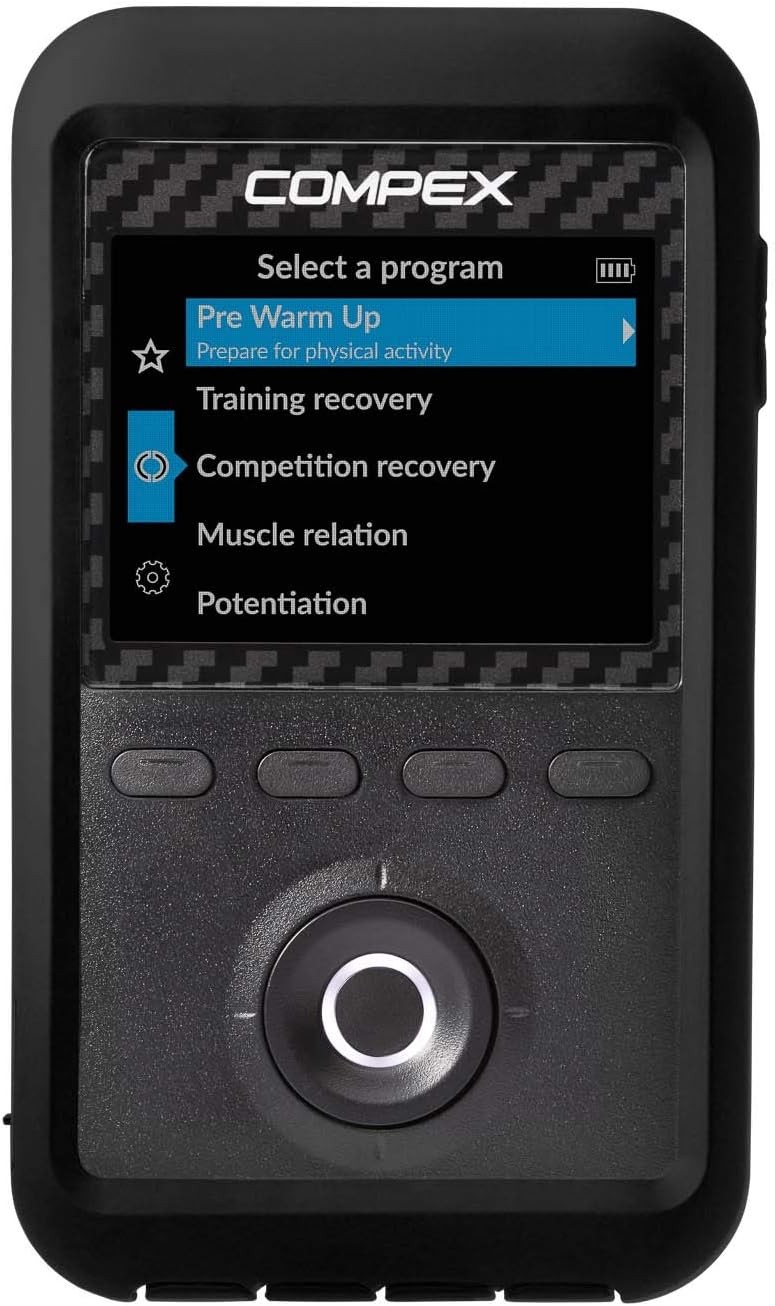 Tools & Equipment
PEMF Therapy: The Complete Guide
PEMF (pulsed electromagnetic field) therapy uses low-frequency magnetic pulses to stimulate tissue repair, reduce pain, and support recovery. FDA-cleared devices exist for specific bone and pain indications; wellness mats and portable units claim broader biohacking benefits. This guide separates regulated medical use from the home recovery stack.
Read guideLast updated: 2026-08-23 · For informational purposes only. Not medical advice. Consult a healthcare provider before starting any new health protocol. Health disclaimer.