
Strength Training for Longevity: The Complete Guide
Muscle as a longevity organ, the centenarian decathlon, and a simple 2–4 day lifting plan
Cardio gets the longevity headlines, but muscle mass, strength, and power are among the strongest predictors of healthy aging. This guide covers why resistance training belongs next to Zone 2, how much is enough, and a beginner-to-intermediate protocol that still works at 70.
Frequency
2–4× per week
Duration
40–60 min per session
Level
Beginner

Key Takeaways
- 1Grip strength, muscle mass, and lower-body power predict falls, independence, and all-cause mortality
- 2Two to four full-body sessions per week with progressive overload is the minimum effective dose
- 3Pair lifting with 1.6–2.2g protein/kg and creatine — training without fuel leaves gains on the table
- 4Zone 2 builds the engine; strength training keeps you able to use it in the last decade of life
Who this is for
- ·Adults who already walk or do Zone 2 but skip the weights
- ·People over 40 protecting muscle against sarcopenia
- ·Anyone building a 'centenarian decathlon' training week
Why Strength Is a Longevity Intervention
Skeletal muscle is not just for aesthetics. It is a glucose sink, an endocrine organ, and the hardware that lets you get off the floor, carry groceries, and catch yourself when you trip. After about age 30, untrained adults lose muscle and, more importantly, power — the ability to produce force quickly.
Peter Attia frames this as the centenarian decathlon: train now for the physical tasks you want at 80 and 90. Zone 2 builds mitochondrial and cardiovascular reserve. Strength training builds the tissue that keeps those reserves usable. The two are complementary, not competing.
The Science
Strong EvidenceMortality data: large cohort studies consistently show that low muscle mass and low strength (especially grip and lower-body) associate with higher all-cause mortality, independent of BMI. Strength often outperforms muscle size as a predictor because it captures neuromuscular quality.
Metabolic health: resistance training improves insulin sensitivity and raises GLUT4 capacity in muscle. That is why Attia, Huberman, and CGM users treat lifting as a glucose-disposal tool, not only a hypertrophy hobby.
Bone and falls: progressive loading is one of the few interventions that can maintain or increase bone mineral density. Fall risk drops when you can produce force quickly — think sit-to-stand, loaded carry, and a genuine squat pattern.
Protein and creatine multiply the stimulus. Training without adequate protein (roughly 1.6–2.2g/kg for most adults chasing muscle) and without creatine leaves a cheap, high-evidence stack unused.
- ·Strong: strength, muscle mass, and fall/mortality outcomes
- ·Strong: insulin sensitivity and functional independence
- ·Moderate: exact set/rep schemes — consistency beats periodization novelty
- ·Stack: protein + creatine 5g/day + sleep for recovery
The Protocol
Strong EvidenceMinimum effective dose: two full-body sessions per week if you are starting or recovering. Three to four sessions is the sweet spot for most longevity-focused adults. Each session: 40–60 minutes, 5–8 hard working sets per major pattern, 1–3 reps in reserve.
Movement menu (pick one from each): squat or sit-to-stand/leg press; hinge (Romanian deadlift, hip hinge, or kettlebell deadlift); horizontal push (push-up or bench); horizontal pull (row); vertical push or carry (overhead press or farmer carry); calf and core. Machines are fine — especially after 50 or when learning.
Progression: add a rep or a small load every week you can do so with good form. If you stall for three weeks, deload 40–50% for one session and rebuild. Track sessions on a Garmin, notes app, or notebook — the wearable is optional, the log is not.
Weekly shape next to Zone 2: Attia's common split is 3–4 hours of Zone 2 plus 2–4 lifting days, with one short VO₂ interval session if you are chasing cardiorespiratory fitness. Do not turn every lift into a CrossFit metcon. Leave Zone 2 for Zone 2.
- ·2–4 full-body sessions per week
- ·Compound patterns: squat, hinge, push, pull, carry
- ·Progressive overload, 1–3 reps in reserve
- ·Protein 1.6–2.2g/kg and creatine 5g daily
- ·Keep HIIT/VO₂ work separate from heavy strength days when possible
What to Expect
Weeks 1–3: soreness, coordination gains, and a confidence bump. Neural adaptations arrive before visible muscle. Sleep and protein matter immediately.
Weeks 4–12: measurable strength on the log. Waist and glucose responses often improve before the mirror does. Joints may complain if you jumped load too fast — regress range or switch to machines.
Month 4+: this is a lifelong practice. The win is not a 6-week challenge. It is still being able to get off the floor, hike, and travel at 75.
Risks & Common Mistakes
Strong EvidenceEgo loading and poor form are the main injury vectors. Longevity lifting is submaximal and repeatable. If a lift hurts in a sharp, joint-specific way, change the variation.
All cardio, no iron: a strong Zone 2 engine with weak legs still fails the last decade. All iron, no Zone 2: you can look capable and still have a modest VO₂ max.
People with uncontrolled hypertension, recent surgery, or active injuries should get medical clearance and, ideally, a few sessions with a qualified coach.
Community Consensus
r/longevity and Attia listeners have shifted from 'cardio is enough' to 'never skip the barbell or the machines.' Huberman's training episodes and Rhonda Patrick's muscle-aging interviews are the usual starting points.
The boring consensus: two to four days, compounds, protein, creatine, and patience. Fancy programs lose to the one you still do in year five.
As an Amazon Associate, Reo Tuku Iho Limited earns from qualifying purchases through Amazon links on this site. Full disclosure
Sources
Key references cited in this guide. Links open the original publication or abstract.
- Muscle-strengthening activities and risk of all-cause, cardiovascular, and cancer mortality: a systematic review and dose-response meta-analysisBr J Sports Med, 2022
- Grip strength: an indispensable biomarker for older adultsClin Interv Aging, 2016
- International Society of Sports Nutrition Position Stand: protein and exerciseJ Int Soc Sports Nutr, 2017
Continue Reading
 Wearables & Trackers
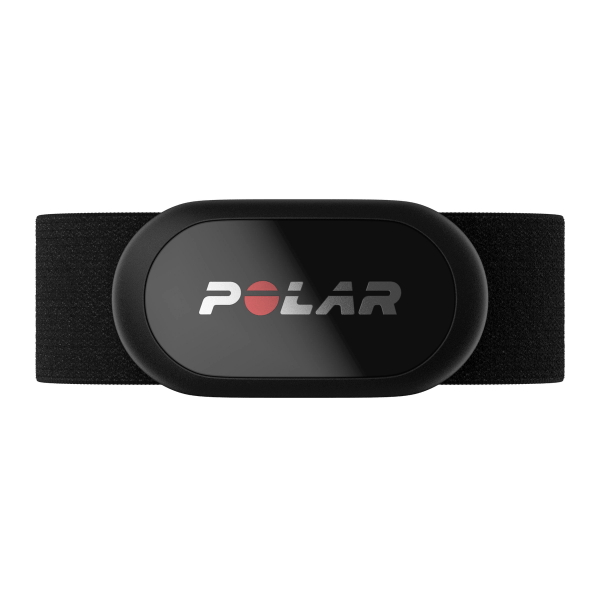
Zone 2 Heart Rate Chart: Attia Targets by Age
Peter Attia does not publish a single official zone 2 heart rate chart. He uses a talk test, and in a lab a lactate reading near 2 mmol/L. The chart below is the practical substitute: a Maffetone ceiling of 180 minus age, next to 60–70% of estimated max heart rate. Stay under the ceiling only if you can still speak in full sentences, for 3–4 hours a week.
Read guideDiagnostics & TestingVO2 Max: The Complete Guide
VO₂ max — the maximum rate at which you can use oxygen — is one of the best-studied predictors of all-cause mortality. Peter Attia calls it a vital sign. This guide covers lab testing vs wearable estimates, what 'good' looks like by age, and a training mix of Zone 2 plus intervals.
Read guide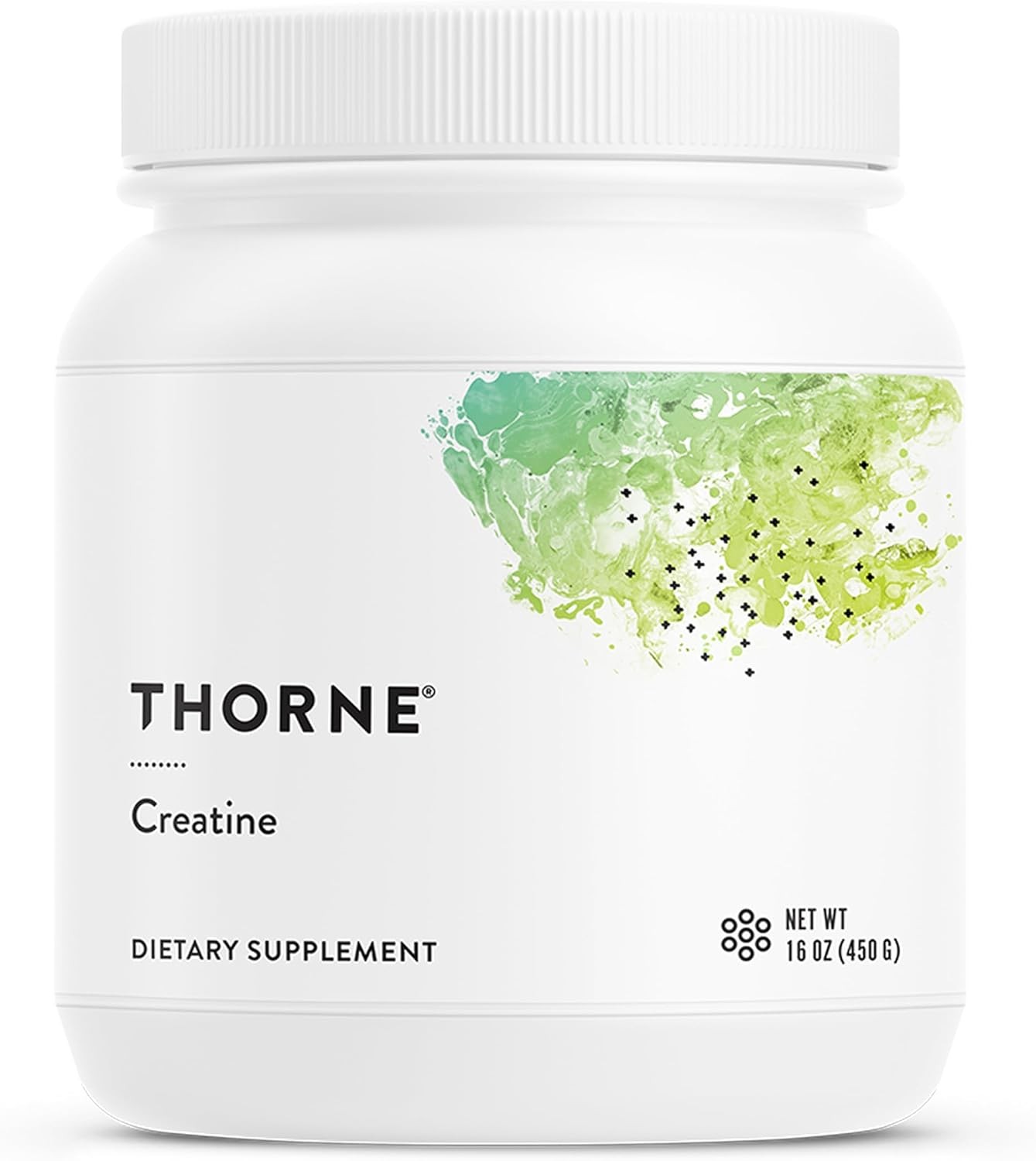 Supplements
Creatine Dose: 5g Daily for Muscle, Bone, and Brain
Take 5 g of creatine monohydrate every day for muscle, bone, and brain. You do not need a separate higher daily dose for bone — the bone research is still early and is studied with lifting, at ordinary doses. Some short brain studies use about 10–20 g a day, split up. That is a research protocol, not the daily dose this guide uses. Saturation from 5 g a day is the default.
Read guide Supplements
Protein for Longevity: The Complete Guide
Protein is the most under-discussed longevity lever after sleep and training. Too little accelerates sarcopenia; the right amount supports muscle, bone, and metabolic health into older decades. This guide covers g/kg targets, meal distribution, and how protein needs change on GLP-1s and during fat loss.
Read guideDiagnostics & TestingBone Density for Longevity: The Complete Guide
Bone is living tissue that responds to load. Osteoporosis and sarcopenia together drive falls, fractures, and loss of independence — the outcome Peter Attia calls 'the marginal decade.' This guide covers DEXA interpretation, resistance training, calcium/vitamin D/K2, and who needs medical treatment beyond lifestyle.
Read guide Supplements
Testosterone Optimization: The Complete Guide
Testosterone optimization is one of the most searched biohacking topics, from natural lifestyle interventions to TRT clinics. Dave Asprey discusses hormonal health as core to vitality and longevity. This guide covers evidence-based natural optimization before pharmaceutical intervention.
Read guide Wearables & Trackers
HRV & Recovery Tracking: The Complete Guide
Heart rate variability (HRV) is the most actionable biometric for biohackers, it tells you when to push hard and when to rest. This guide explains what HRV means, how Oura and WHOOP use it, lifestyle factors that destroy recovery, and how to actually use the data. Ready to buy? See Oura vs WHOOP or Garmin vs Oura vs WHOOP.
Read guide Supplements
Omega-3 Fatty Acids: The Complete Guide
Omega-3 fatty acids (EPA and DHA) are essential for brain structure, cardiovascular health, and inflammation control. Most Western diets are deficient. This guide covers dosing, quality testing, the Omega-3 Index, and how to choose a fish oil.
Read guideLast updated: 2026-08-23 · For informational purposes only. Not medical advice. Consult a healthcare provider before starting any new health protocol. Health disclaimer.