
CoQ10 (Ubiquinol): The Complete Guide
Mitochondrial energy, statin side effects, ubiquinone vs ubiquinol, and heart health dosing
Coenzyme Q10 is essential for mitochondrial ATP production and is depleted by statin medications and aging. Biohackers supplement ubiquinol for energy, cardiovascular support, and exercise recovery. This guide compares forms, doses, and who benefits most.
Health Disclaimer
This content is for general informational and educational purposes only. It is not medical advice, diagnosis, or treatment. Consult a qualified healthcare provider before starting any supplement, peptide, or health protocol. Read our full health disclaimer.
Frequency
Daily
Duration
Ongoing
Level
Beginner
Key Takeaways
- 1Ubiquinol (reduced form) is better absorbed than ubiquinone, especially over age 40
- 2100–300mg daily with fat-containing meal for general use; 200–400mg if on statins
- 3Strong evidence for heart failure; moderate evidence for statin myopathy and exercise recovery
- 4Take with omega-3 or fatty meal — CoQ10 is fat-soluble
What Is CoQ10?
Coenzyme Q10 (ubiquinone/ubiquinol) is a fat-soluble compound in every cell membrane, critical for the electron transport chain — the final step of ATP (energy) production in mitochondria.
The body synthesizes CoQ10, but production declines after age 40. Statin drugs block the same biosynthesis pathway, causing CoQ10 depletion and the well-known statin side effect of muscle pain (myopathy).
The Science
Moderate EvidenceHeart failure: The Q-SYMBIO trial showed 300mg CoQ10 reduced major cardiovascular events in chronic heart failure patients. This is the strongest clinical evidence for CoQ10 supplementation.
Statin myopathy: Multiple studies show CoQ10 (100–200mg) reduces muscle pain and weakness in statin users. Mechanism: restoring mitochondrial electron transport depleted by statins.
Exercise performance: Mixed results in healthy young athletes. More consistent benefits in older adults and those with low baseline CoQ10.
Migraine: Some trials show 300mg/day reduces migraine frequency by 30–50% after 3 months. Mechanism may involve mitochondrial dysfunction in brain tissue.
- ·Q-SYMBIO trial: cardiovascular benefit in heart failure
- ·Reduces statin-induced muscle pain in many users
- ·300mg/day may reduce migraine frequency
- ·Mixed performance data in young healthy athletes
The Protocol
Moderate EvidenceGeneral wellness: 100–200mg ubiquinol daily with breakfast (include fat: eggs, avocado, or fish oil).
Statin users: 200–400mg ubiquinol daily. Start within 2 weeks of beginning statin therapy. Report muscle pain changes to your physician.
Heart health: 300mg ubiquinol daily under medical supervision if you have cardiovascular disease.
Form: Ubiquinol (Kaneka QH) for anyone over 40 or on statins. Ubiquinone is adequate for younger users on a budget.
- ·100–200mg ubiquinol with fatty meal
- ·200–400mg if on statins
- ·Kaneka ubiquinol is the gold-standard form
- ·Allow 4–8 weeks for full effects
What to Expect
Week 2–4: Statin users often notice reduced muscle aches. General users may feel subtle energy improvements.
Week 8+: Migraine reduction and cardiovascular markers may improve on labs. Exercise recovery benefits become more apparent.
No loading phase needed — steady daily dosing maintains tissue levels.
Risks & Interactions
Strong EvidenceWarfarin: CoQ10 is structurally similar to vitamin K and may reduce warfarin efficacy. Monitor INR closely.
Blood pressure: May lower BP slightly. Monitor if on antihypertensives.
Insomnia: Rare at high doses (>300mg) taken late in day. Take with breakfast.
Generally very safe: No serious adverse events at doses up to 1,200mg/day in trials.
Community Consensus
r/Supplements and Peter Attia's community recommend CoQ10 for every statin user: 'If your doctor didn't mention CoQ10 with your statin, bring it up.'
Ubiquinol vs ubiquinone debates are settled for most: ubiquinol if over 40 or on statins, ubiquinone if young and budget-conscious.
As an Amazon Associate, Reo Tuku Iho Limited earns from qualifying purchases through Amazon links on this site. Full disclosure
For educational purposes only. Not medical advice. Read our health disclaimer.
Continue Reading
SupplementsBest CoQ10: The Buying Guide
CoQ10 shopping is form theater. NOW 100 mg ubiquinone in oil is the Amazon volume bottle. Life Extension Super Ubiquinol is the reduced-form upgrade we already list. This buying guide picks NOW for a cheap trial and sends statin users over 40 to the full CoQ10 guide before they default to the cheapest quinone.
Read guide Supplements
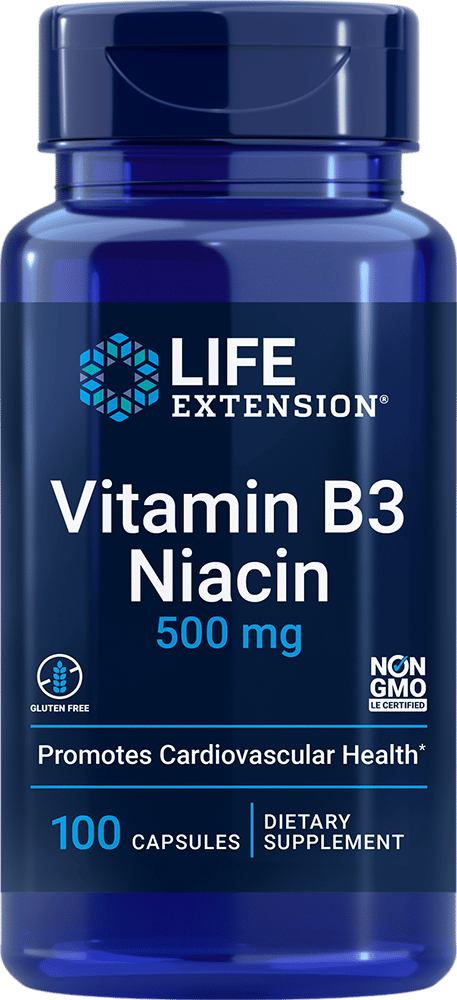
NAD+ & Longevity: The Complete Guide
NAD+ is one of the most critical molecules in human biology, essential for energy, DNA repair, and activating longevity pathways. Levels decline ~50% between ages 40–60. This guide explains what NAD+ does, whether supplementation works, NR vs NMN debate, and how to test your levels.
Read guide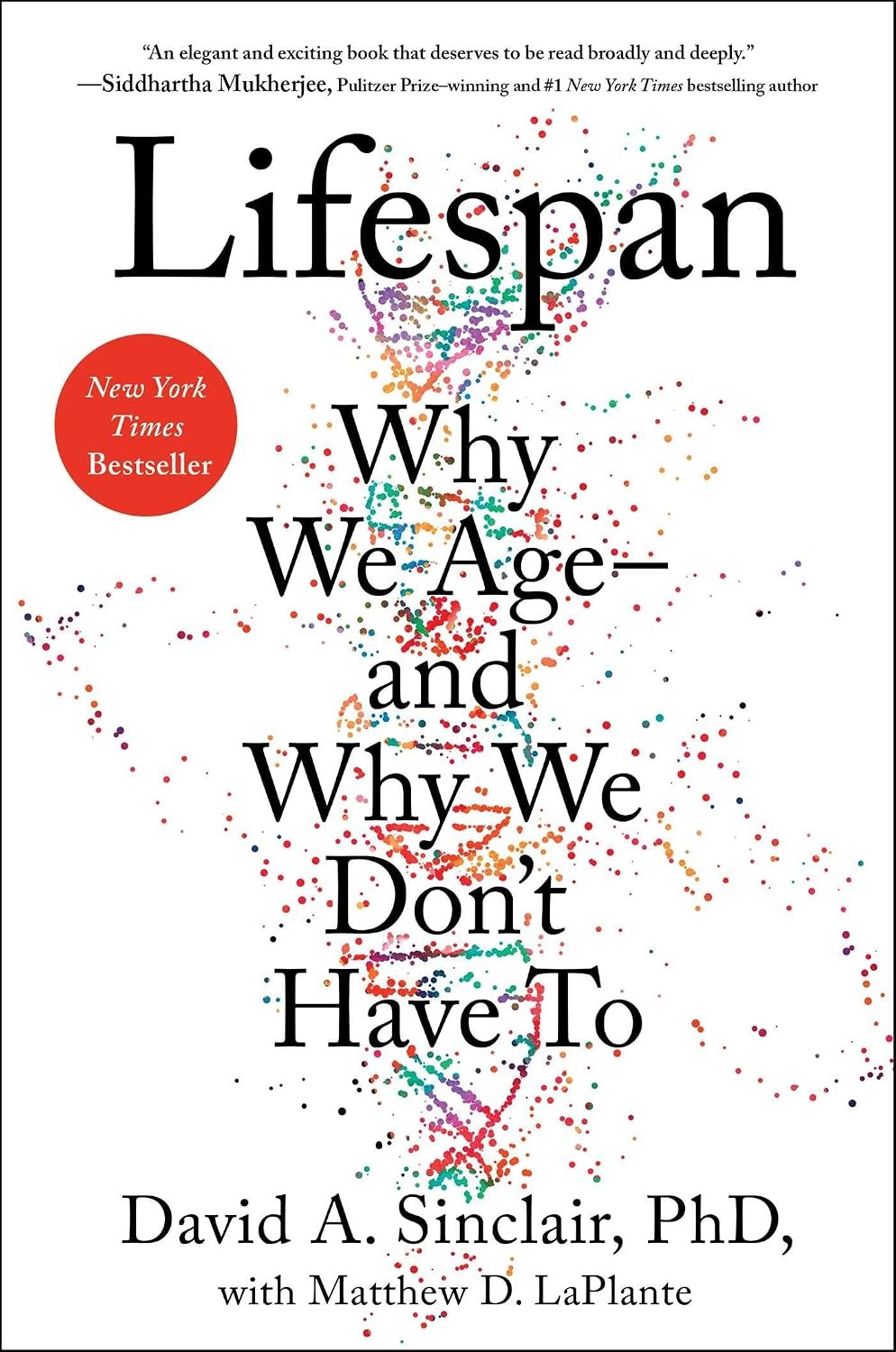 Supplements
David Sinclair & Longevity Science: The Complete Guide
Harvard geneticist David Sinclair changed public conversation with Lifespan (2019): aging as treatable, NAD+ and sirtuins as levers, fasting and cold as free drugs. This guide explains his research fairly, maps his personal stack, includes longevity-friendly recipes, and links Lifespan editions on Amazon.
Read guideSupplementsMitochondrial Health Stack: The Complete Guide
Mitochondrial biohacking is a category, not one pill. CoQ10 supports electron transport, NAD+ precursors feed sirtuins and repair pathways, urolithin A may trigger mitophagy — this guide maps how they differ, typical doses, and the exercise-first hierarchy.
Read guide Supplements
Urolithin A: The Complete Guide
Urolithin A is a gut microbiome metabolite that triggers mitophagy, the selective recycling of damaged mitochondria. Amazentis/Timeline's Mitopure is the first clinically validated urolithin A supplement. This guide covers the science, dosing, and who actually converts ellagic acid from food.
Read guide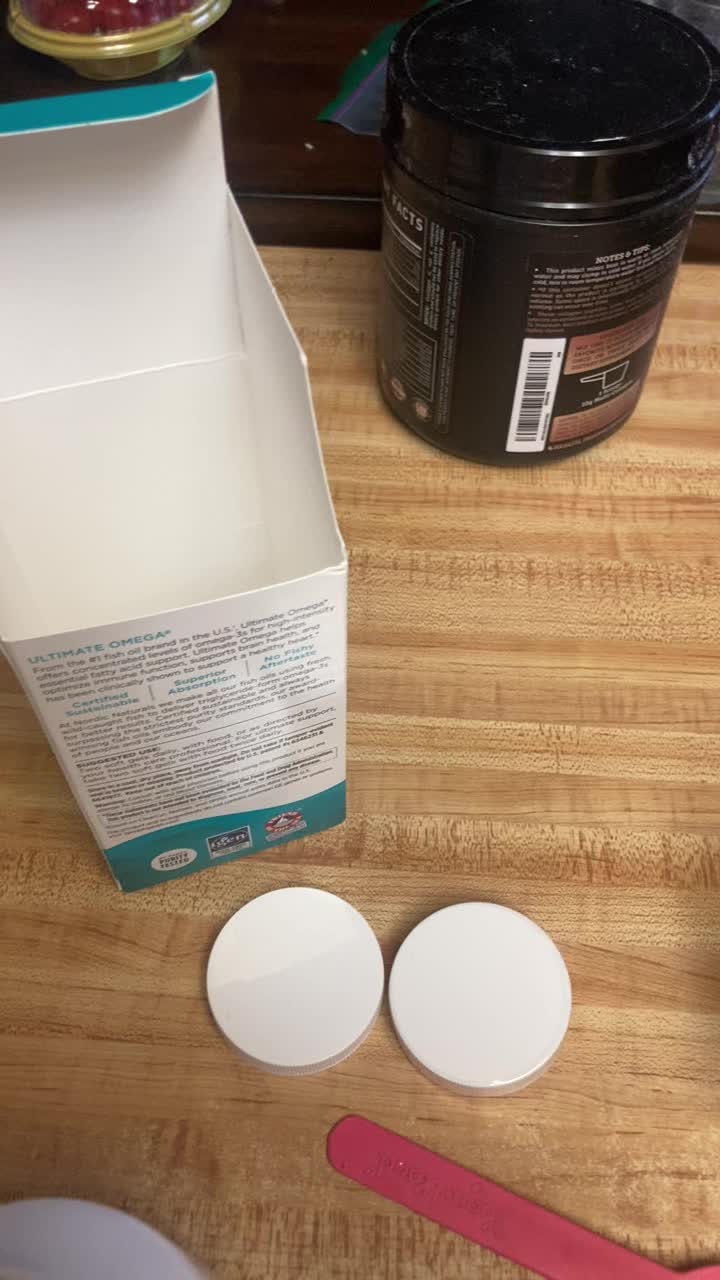 Supplements
Omega-3 Fatty Acids: The Complete Guide
Omega-3 fatty acids (EPA and DHA) are essential for brain structure, cardiovascular health, and inflammation control. Most Western diets are deficient. This guide covers dosing, quality testing, the Omega-3 Index, and how to choose a fish oil.
Read guide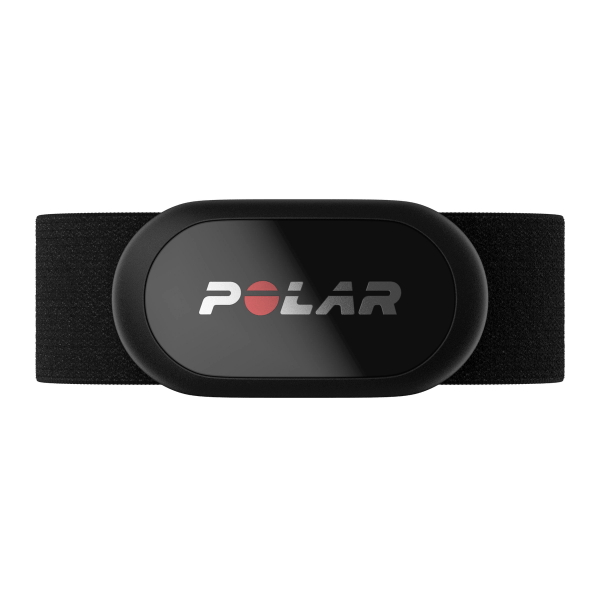 Wearables & Trackers
Zone 2 Heart Rate Chart: Attia Targets by Age
Peter Attia does not publish a single official zone 2 heart rate chart. He uses a talk test, and in a lab a lactate reading near 2 mmol/L. The chart below is the practical substitute: a Maffetone ceiling of 180 minus age, next to 60–70% of estimated max heart rate. Stay under the ceiling only if you can still speak in full sentences, for 3–4 hours a week.
Read guideLast updated: 2026-07-11 · For informational purposes only. Not medical advice. Consult a healthcare provider before starting any new health protocol. Health disclaimer.