
Gundry, Lectins & the Microbiome: The Complete Guide
Stephen Gundry's Plant Paradox research, what the science actually says, and lectin-aware recipes
Cardiac surgeon Steven Gundry built a massive following by linking lectins, leaky gut, and the microbiome to obesity and autoimmune disease. This guide explains his framework fairly, separates strong ideas from contested claims, includes practical recipes, and links his core books on Amazon.
Frequency
Daily meals
Duration
8–12 week trial
Level
Intermediate
Key Takeaways
- 1Gundry's core claim: plant lectins and certain 'health foods' may harm gut barrier function in susceptible people
- 2Less controversial overlap with mainstream science: fiber diversity, fermented foods, ultra-processed food avoidance, gut barrier health
- 3Practical hacks many agree on: pressure-cook legumes, peel/deseed nightshades, prioritize omega-3 fats and polyphenols
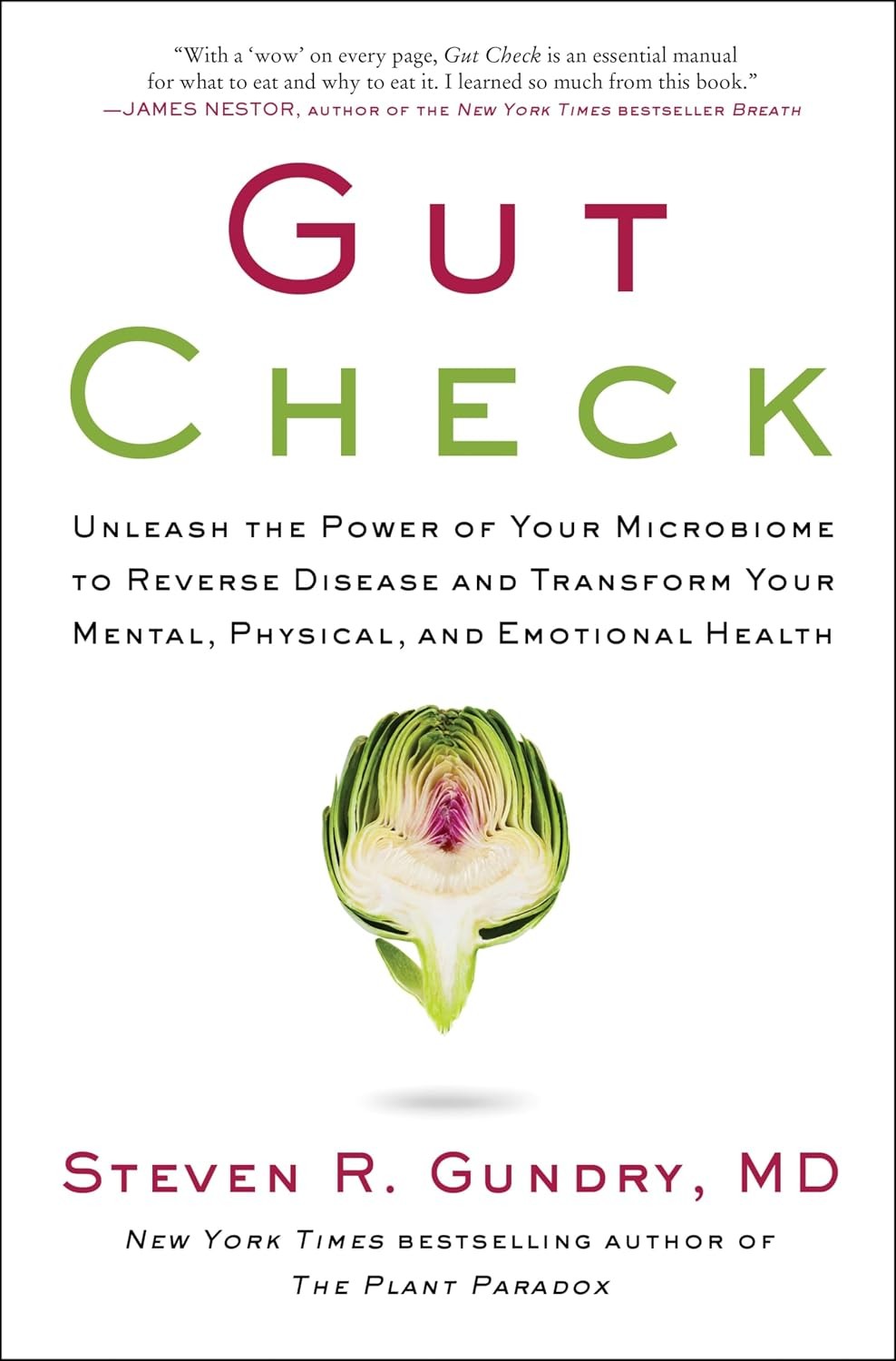
- 4Start with Gut Check or The Plant Paradox if you want his full program — we link paperback editions on Amazon below
Who this is for
- ·Readers curious about Gundry after hearing him on podcasts
- ·People with persistent bloating who already tried basic probiotics
- ·Home cooks wanting lectin-reduced recipes without buying every supplement
- ·Gut-microbiome optimizers comparing Gundry vs Sonnenburg / Seed approaches
Who Is Dr. Steven Gundry?
Steven R. Gundry, MD, is a former cardiothoracic surgeon and founder of the Center for Restorative Medicine in California. He pivoted from surgical practice to nutrition-centric medicine after claiming dietary changes reversed his own health metrics and those of many patients.
His Plant Paradox book series (2017–2024) sold millions of copies and popularized lectins — plant proteins found in beans, grains, nightshades, and some nuts — as hidden drivers of inflammation, weight gain, and autoimmune flares. Gut Check (2024) reframes the same program around the microbiome as master regulator of immunity, mood, and metabolism.
The Science: Lectins, Leaky Gut & Microbiome
Emerging ResearchGundry's thesis: lectins bind to gut lining cells and may increase intestinal permeability ('leaky gut'), allowing bacterial fragments (LPS) and food proteins into circulation — triggering immune activation, insulin resistance, and systemic inflammation. He extends this to mitochondrial stress and 'gut buddy' bacteria that produce protective postbiotics vs harmful strains.
What aligns with broader research: the gut microbiome influences immunity, mood, and metabolism; intestinal barrier dysfunction is real in IBD and some metabolic disease; fermented foods and fiber diversity improve microbial ecology (Sonnerburg & Gardner, Stanford 2021). Ultra-processed food harms gut health — few dispute that.
What's contested: whether lectins in normal cooked amounts harm healthy humans. Legumes and whole grains are staples in Blue Zones and associate with longevity in epidemiology. Pressure-cooking and peeling reduce lectin content — Gundry uses these hacks rather than absolute bans for many foods.
Longevindex stance: treat Gundry as a structured elimination experiment, not settled science. Track symptoms, labs, and mood over 8–12 weeks. Do not replace medical care for celiac, IBD, or diabetes.
- ·Strong: microbiome matters for immunity and inflammation
- ·Moderate: fermented foods and plant diversity help gut health
- ·Contested: blanket lectin toxicity in all people
- ·Moderate: cooking methods (pressure, peel) reduce lectin load
The Gundry Protocol (Summary)
Emerging ResearchPhase 1 — Cleanse (3 days): leafy greens, crucifers, approved fats (olive oil, MCT, avocados), pastured protein, no grains/legumes/sugar.
Phase 2 — Elimination (2–6 weeks): avoid gluten, corn, soy, most beans (unless pressure-cooked), nightshade skins/seeds, conventional dairy, high-sugar fruit.
Phase 3 — Reintroduction: add one food every 3 days; log bloating, joints, brain fog, skin, sleep.
Approved staples: leafy greens, asparagus, broccoli, avocado, olive oil, walnuts, macadamia, pastured meats, wild fish, hemp tofu, millet or sorghum in moderation, pressure-cooked lentils.
Gundry also emphasizes polyphenols (dark berries in season, extra virgin olive oil), intermittent fasting windows, and oral health — see oral-microbiome guide.
- ·3-day strict cleanse, then phased reintroduction
- ·Pressure-cook beans; peel tomatoes and peppers
- ·Prioritize omega-3 fish and polyphenol-rich fats
- ·Track symptoms — N=1 matters more than dogma
Lectin-Aware Recipes for Gut Health
Moderate EvidenceThese recipes are Longevindex originals inspired by Gundry's approved-food lists — not copied from his cookbooks. For 100 tested Gundry recipes, get The Plant Paradox Cookbook (Amazon link below).
Pressure-cooked lentil and kale soup: Rinse 1 cup green lentils. Pressure-cook 15 minutes with bay leaf and turmeric. Sauté garlic in olive oil, add chopped kale, lentils, and bone broth; simmer 10 minutes. Finish with lemon and parsley. Pressure cooking reduces lectins compared with slow-cooked beans.
Zucchini noodle bowl with wild salmon: Spiralize peeled zucchini (peeling removes lectin-heavy skin). Pan-sear wild salmon in avocado oil. Toss zoodles with olive oil, basil, and capers. Top with flaked salmon and pine nuts. Use pesto without cashews instead of tomato sauce.
Green gut smoothie: Blend 2 cups spinach, half an avocado, 1 cup unsweetened coconut milk, 1 tbsp MCT oil, 1 scoop unflavored collagen, and ice. Optional stevia with monk fruit. Skip whey if dairy-sensitive.
Roasted crucifer and chicken sheet pan: Toss pasture-raised chicken thighs with broccoli, cauliflower, and brussels sprouts in olive oil, rosemary, and garlic. Roast at 400°F (205°C) for 35 minutes. Crucifers feed beneficial gut bacteria.
Fermented side plate: Serve 2 tbsp live sauerkraut or kimchi with any main. Stanford data supports fermented food diversity; Seed DS-01 remains a useful synbiotic add-on.
- ·Peel squash, zucchini, and nightshades when possible
- ·Pressure-cook all legumes
- ·Pair meals with live fermented vegetables
- ·Use olive oil and avocado as primary fats
Gundry vs Other Microbiome Approaches
Rhonda Patrick / Justin Sonnenburg: emphasize 30+ plants per week and fermented foods — less fear of legumes and whole grains. Strong epidemiology backing for fiber diversity.
Bryan Johnson Blueprint: aggressive testing and fiber, less lectin narrative — more quantified-self.
Seed DS-01: probiotic + prebiotic capsule with published strain data — complements diet regardless of Gundry adherence.
Sensible synthesis: steal Gundry's cooking hacks and elimination structure if you have unexplained GI symptoms; keep legumes and whole grains if you tolerate them and epidemiology matters to you.
Recommended Gundry Books (Amazon)
The Plant Paradox — Start here for the original lectin framework, cleanse, and food lists. Paperback ASIN 0062909711.
The Plant Paradox Cookbook — 100 recipes with photos and pantry guides. Best if you cook daily. ASIN 0062843370.
Gut Check (2024) — Newest entry with microbiome-first framing, the updated Gut Check food plan, and recipes. ASIN 0062911775.
All three are linked in the buy box on this page with our Amazon Associate tag. Prefer library or audiobook? Borrow first, then buy the cookbook if you use it weekly.
Risks & When to Stop
Moderate EvidenceRestrictive diets can trigger disordered eating — avoid if you have a history of ED without clinician support.
Unnecessary long-term elimination of legumes and whole grains may reduce fiber and polyphenol diversity — reintroduce aggressively when tolerated.
Children, pregnancy, and kidney disease need medical customization — do not apply adult biohacking elimination blindly.
If GI bleeding, severe pain, or weight loss occurs — gastroenterologist, not another cookbook.
Community Consensus
Gundry divides r/nutrition and r/Biohackers — believers report life-changing GI and joint results; skeptics cite lack of large RCTs on lectin elimination. Middle path: his recipes and cooking methods are useful even if you reject the full lectin story.
Pair reading with our gut-microbiome and probiotics guides for a balanced stack: diet + fermented foods + optional Seed synbiotic.
As an Amazon Associate, Reo Tuku Iho Limited earns from qualifying purchases through Amazon links on this site. Full disclosure
Sources
Key references cited in this guide. Links open the original publication or abstract.
- Gut-microbiota-targeted diets modulate human immune statusCell, 2021
- The Plant Paradox (Gundry SR)Harper Wave, 2019
- Gut Check (Gundry SR)Harper Wave, 2024
Continue Reading
 Diagnostics & Testing
Gut Microbiome: The Complete Guide
Your gut microbiome, 100 trillion bacteria, influences immunity, mood, metabolism, and inflammation. Bryan Johnson tests his monthly. This guide covers microbiome testing, evidence-based interventions, and what actually moves the needle vs marketing.
Read guideSupplementsProbiotics: Strains, Evidence, and What Actually Works
The probiotic market is a $60B mess of underdosed, poorly studied products. But specific strains with clinical trial data can meaningfully support gut health, immune function, and even mood. This guide cuts through marketing to cover evidence-backed strains, dosing in CFUs, spore vs conventional probiotics, and when testing beats guessing.
Read guide Diagnostics & Testing
Oral Microbiome: The Complete Guide
The oral microbiome is a distinct ecosystem — not just a subset of gut health. Oral dysbiosis links to gum disease, cardiovascular inflammation, and possibly cognitive markers. Nasal breathing, hygiene, and targeted oral care are actionable biohacks. This guide connects mouth tape, dental basics, and what actually moves oral bacteria.
Read guide Tools & Equipment
Microplastics: The Complete Guide
Microplastics and nanoplastics show up in water, food, air, and now human blood and placenta samples. The health impact is still being quantified, but exposure reduction is actionable today. This guide covers sources, what filters actually help, and a sane home protocol without plastic panic.
Read guide Supplements
Omega-3 Fatty Acids: The Complete Guide
Omega-3 fatty acids (EPA and DHA) are essential for brain structure, cardiovascular health, and inflammation control. Most Western diets are deficient. This guide covers dosing, quality testing, the Omega-3 Index, and how to choose a fish oil.
Read guide Supplements
Intermittent Fasting: The Complete Guide
Intermittent fasting (IF) is one of the most practiced biohacks worldwide, popularized by Dave Asprey's Bulletproof approach and validated by decades of metabolic research. This guide covers 16:8 vs OMAD, ketosis timing, autophagy windows, and who should avoid fasting.
Read guide Supplements
Bryan Johnson's Blueprint: The Complete Guide
Bryan Johnson spends ~$2M/year on his 'Don't Die' anti-aging protocol, the most measured human body in history. Blueprint includes 100+ daily supplements, precise sleep/calorie timing, plasma exchange, and relentless biomarker tracking. This guide breaks down what's evidence-based, what's experimental, and what mere mortals can actually adopt.
Read guide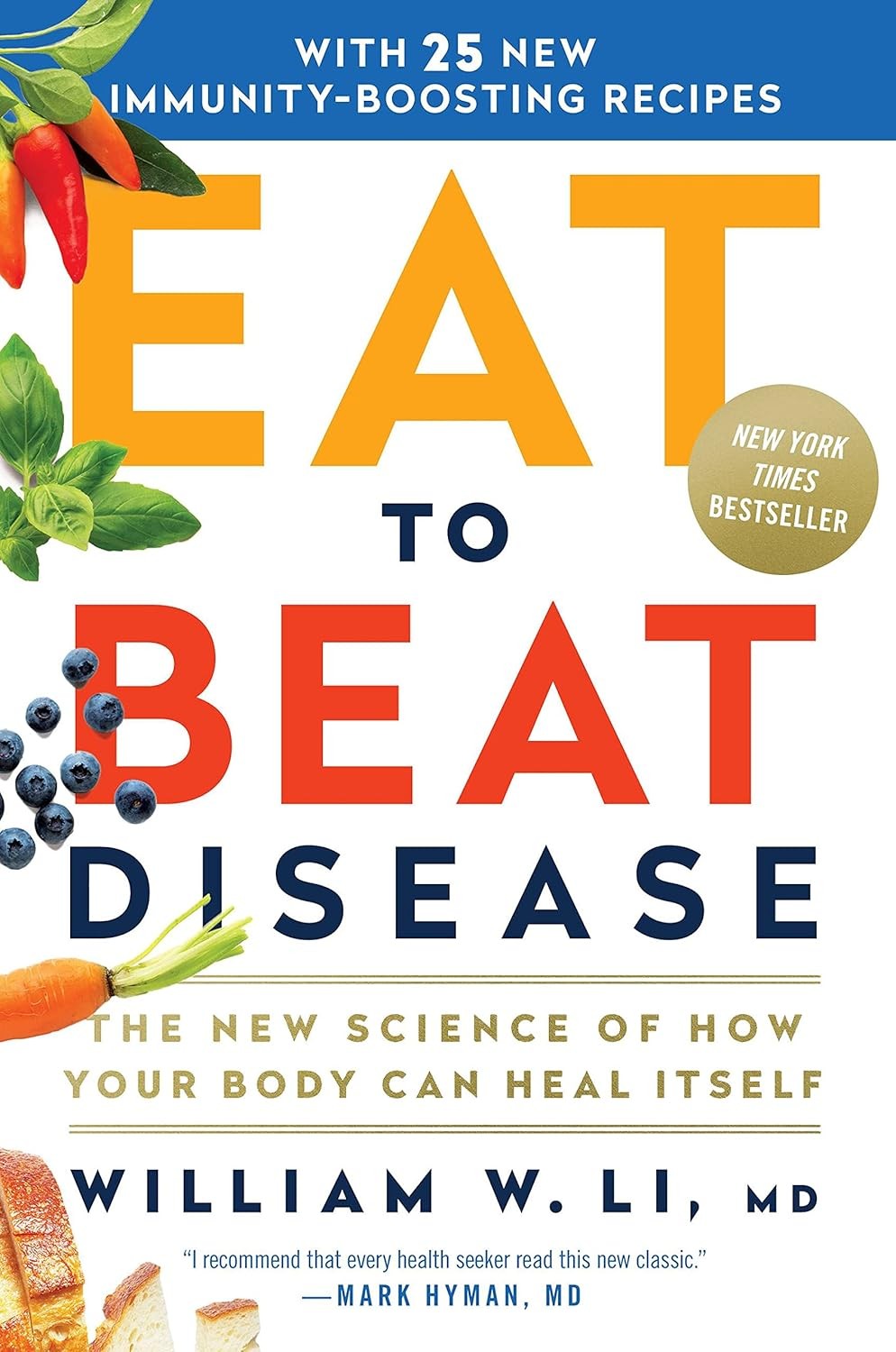 Supplements
William Li & Eat to Beat: The Complete Guide
Physician-scientist William W. Li, MD, made angiogenesis — how the body grows and prunes blood vessels — a household idea with his TED talk and Eat to Beat Disease. This guide explains his five defense systems fairly, maps the 5×5×5 add-foods framework, includes practical recipes, and links his books on Amazon.
Read guideLast updated: 2026-08-23 · For informational purposes only. Not medical advice. Consult a healthcare provider before starting any new health protocol. Health disclaimer.