
Microplastics: The Complete Guide
What we know about exposure, blood and tissue detection, and practical reduction at home
Microplastics and nanoplastics show up in water, food, air, and now human blood and placenta samples. The health impact is still being quantified, but exposure reduction is actionable today. This guide covers sources, what filters actually help, and a sane home protocol without plastic panic.
Frequency
Daily habits
Duration
Lifestyle
Level
Beginner

Key Takeaways
- 1Bottled water and single-use plastics are among the largest ingestible sources you can control
- 2Reverse osmosis and quality carbon block filters reduce many plastic-associated contaminants in tap water
- 3Heating food in plastic containers increases leaching — glass and stainless for storage and reheating
- 4Air: HEPA filtration helps with airborne particles including microplastic fibers indoors
Who this is for
- ·People already filtering water who want the microplastic angle spelled out
- ·Parents reducing plastic contact for kids
- ·Anyone who saw 'plastics in blood' headlines and wants practical steps
What Are Microplastics?
Microplastics are plastic particles roughly smaller than 5mm; nanoplastics are smaller still. They come from breaking down bottles, bags, synthetic textiles, tire wear, and industrial discharge. They are everywhere — including remote Arctic ice — which is why 'zero exposure' is unrealistic.
Recent biomonitoring studies have detected plastic polymers in human blood, lung tissue, placenta, and stool. That is alarming headlines territory. The open scientific question is dose, particle type, and long-term disease risk — not whether exposure exists.
The Science (What Is Settled vs Emerging)
Emerging ResearchExposure routes: ingestion (water, food packaging, seafood), inhalation (indoor dust, synthetic textiles), and dermal contact (lower but non-zero). Bottled water consistently shows higher particle counts than properly filtered tap in multiple surveys.
Health endpoints under study: inflammation, endocrine disruption, oxidative stress, and cardiovascular markers. Animal data is concerning; human causal proof for everyday doses is still building. Biohackers treat this as risk reduction, not paranoia.
Filter science: RO systems (AquaTru-class) and multi-stage undersink filters remove a wide swath of particulates and dissolved contaminants. Standard fridge pitchers help less for the smallest particles — see our water filter buying guide.
- ·Strong: microplastics are ubiquitous in environment and detectable in humans
- ·Emerging: long-term clinical outcomes from typical exposure levels
- ·Moderate: RO + behavior changes reduce ingestible load meaningfully
The Reduction Protocol
Moderate EvidenceWater: filter tap water you drink and cook with. Avoid bottled water for daily hydration when filtered tap is available. See water-filtration and best-water-filter-biohacking guides.
Kitchen: store and reheat in glass or stainless. Do not microwave in plastic. Reduce takeout containers where easy; hot oily food + plastic is the worst combo.
Textiles: synthetic fleece sheds microfibers in wash — fiber filters or less hot washing reduce release. Indoor air: HEPA purifier in bedroom and office — ties to environmental-health and best-air-purifier guides.
Do not chase detox supplements marketed for 'plastic removal.' No pill removes systemic microplastics with proven clinical benefit yet.
- ·RO or certified multi-stage filter for drinking water
- ·Glass/stainless food storage
- ·HEPA air filtration indoors
- ·Less bottled water and heated plastic contact
What to Expect
This is prevention, not a felt intervention. You will not 'feel' lower plastic load.
Side benefit: better-tasting water, less clutter, often lower spend versus bottled water long term.
If you are already running AquaTru + IQAir, you are most of the way there — this guide names why those choices matter.
Avoiding Overcorrection
Moderate EvidencePlastic panic can push people toward unproven 'detox' protocols or expensive fear-based products. Stick to filtration, food storage, and air quality — the same environmental-health stack Longevindex already covers.
Perfectionism fails: synthetic clothing and modern life mean exposure continues. Reduce the big sources; do not let perfect be the enemy of good.
Community Consensus
Rhonda Patrick audiences and r/Biohackers treat microplastics as a reason to finally install real water and air filtration — not as a separate cult.
Skeptics note uncertainty on health impact magnitude. Pragmatists reply: filtration and glass storage are cheap insurance with other benefits anyway.
As an Amazon Associate, Reo Tuku Iho Limited earns from qualifying purchases through Amazon links on this site. Full disclosure
Sources
Key references cited in this guide. Links open the original publication or abstract.
- Discovery and quantification of plastic particle pollution in human bloodEnviron Int, 2022
- Synthetic Polymer Contamination in Bottled WaterFront Chem, 2018
Continue Reading
 Tools & Equipment
Environmental Health: Air & Water Guide
You can't out-supplement a toxic environment. Indoor air quality, water contamination (PFAS, lead, chlorine), and EMF exposure are foundational biohacking concerns. This guide covers practical home upgrades ranked by impact and cost.
Read guide Tools & Equipment
Countertop Water Purifiers: The Complete Guide
Tap water quality varies by municipality; microplastics and PFAS are 2026 headline concerns. Countertop systems deliver filtered or reverse-osmosis water without a plumber. This guide compares RO vs gravity filters, maintenance, and Amazon-available models.
Read guideTools & EquipmentWater Filtration: PFAS, Fluoride & Home Systems
Tap water quality varies dramatically by region — PFAS ('forever chemicals'), lead, chlorine, fluoride, and microplastics are documented in municipal supplies globally. Water filtration is foundational environmental health, not optional biohacking. This guide compares gravity filters, reverse osmosis, and pitcher systems by what they actually remove.
Read guideTools & EquipmentBest Water Filter for Biohackers: Berkey vs AquaTru vs Waterdrop Compared
Tap water carries PFAS, fluoride, lead, and microplastics — biohackers filter drinking water for the same reason they filter air. This guide compares Berkey gravity filters, AquaTru countertop reverse osmosis, and Waterdrop under-sink tankless RO by contaminant removal, installation, and cost. For the science on filter types and regional water quality, see our Water Filtration guide.
Read guide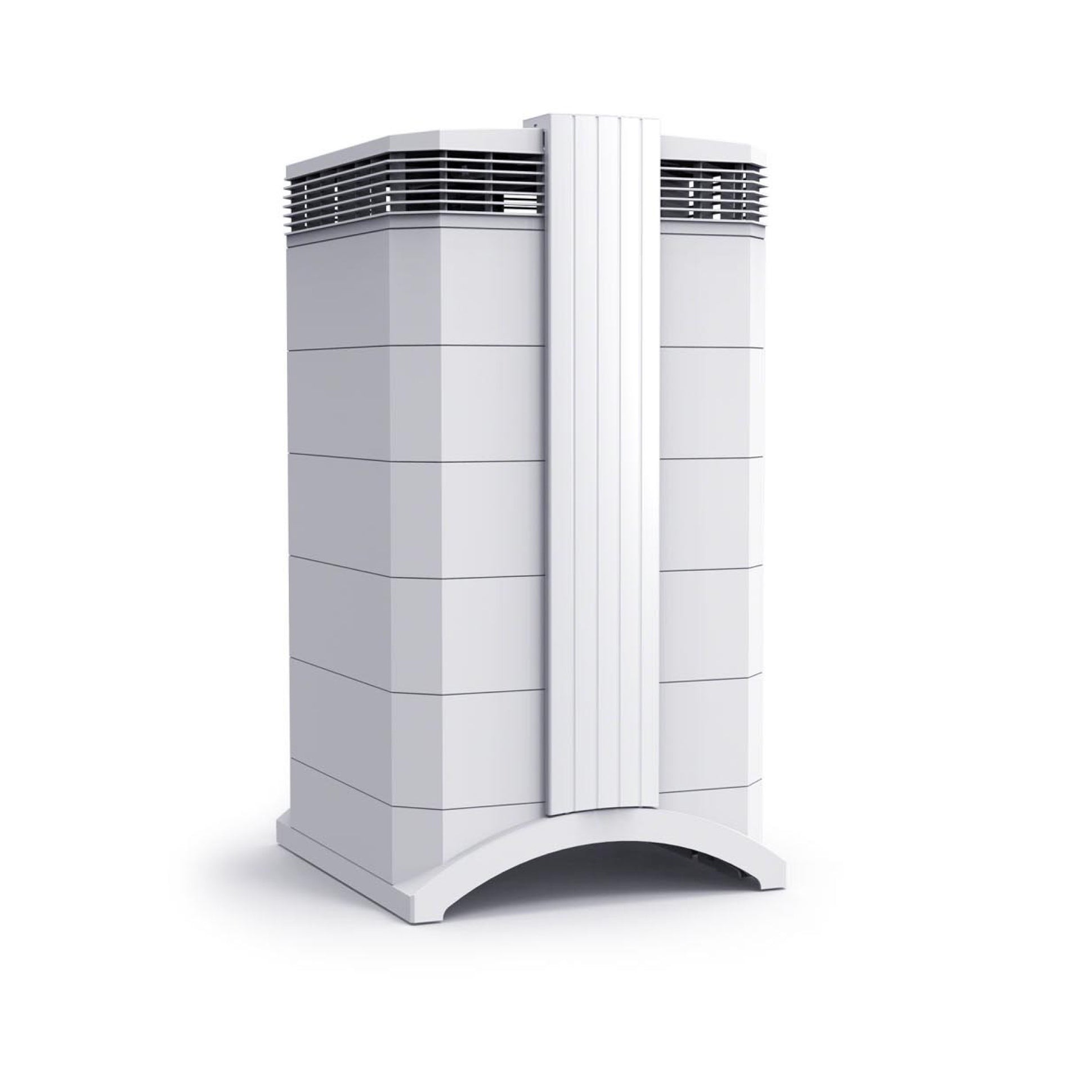 Tools & Equipment
Best Air Purifier for Biohackers: HEPA, VOC, and CADR Compared
Indoor air quality is an underrated biohacking lever, chronic exposure to fine particulates (PM2.5), VOCs, and allergens is linked to worse sleep, higher inflammatory markers, and reduced cognitive performance. But the air purifier market is full of inflated CADR claims and marketing around 'medical grade' filtration that doesn't always translate to real-world benefit. This guide compares IQAir's HealthPro Plus, AirDoctor's 5500, Blueair's Classic line, and Coway's Airmega, and explains which specs actually matter for a bedroom-focused biohacking setup. Broader home toxins context: Environmental Health. Water side: Water Filtration.
Read guide Diagnostics & Testing
Gut Microbiome: The Complete Guide
Your gut microbiome, 100 trillion bacteria, influences immunity, mood, metabolism, and inflammation. Bryan Johnson tests his monthly. This guide covers microbiome testing, evidence-based interventions, and what actually moves the needle vs marketing.
Read guideLast updated: 2026-08-23 · For informational purposes only. Not medical advice. Consult a healthcare provider before starting any new health protocol. Health disclaimer.