
William Li & Eat to Beat: The Complete Guide
Angiogenesis, the five health defense systems, the 5×5×5 plan, and Li-inspired recipes
Physician-scientist William W. Li, MD, made angiogenesis — how the body grows and prunes blood vessels — a household idea with his TED talk and Eat to Beat Disease. This guide explains his five defense systems fairly, maps the 5×5×5 add-foods framework, includes practical recipes, and links his books on Amazon.
Health Disclaimer
This content is for general informational and educational purposes only. It is not medical advice, diagnosis, or treatment. Consult a qualified healthcare provider before starting any supplement, peptide, or health protocol. Read our full health disclaimer.
Frequency
Daily meals and snacks
Duration
Lifelong (4-week kickoff optional)
Level
Beginner
Key Takeaways
- 1Li's core idea: everyday foods can support five built-in defenses — angiogenesis, regeneration, microbiome, DNA protection, and immunity
- 2The 5×5×5 plan adds at least five health-supporting foods you already like across up to five meals or snacks — it is not an elimination diet
- 3Strongest overlap with mainstream nutrition: extra virgin olive oil, berries, tea, crucifers, mushrooms, fermented foods, and not living on ultra-processed calories
- 4Start with Eat to Beat Disease, then Eat to Beat Your Diet (2023) if metabolism and a four-week meal plan are the current goal
Who this is for
- ·Readers who know the 'eat to starve cancer' TED talk but not the full framework
- ·People tired of restriction diets who want a grocery-list protocol
- ·Biohackers comparing Li vs Gundry vs Sinclair food advice
- ·Home cooks who will actually use the food lists
Who Is Dr. William Li?
William W. Li, MD, is a physician, researcher, and president of the Angiogenesis Foundation. He trained in the lineage of Judah Folkman's work on blood-vessel growth as a disease lever — too much angiogenesis can feed tumors and retinopathy; too little impairs wound healing and heart repair.
His 2010 TED talk, Can We Eat to Starve Cancer?, argued that diet can tilt angiogenesis the way some drugs do. Eat to Beat Disease (2019) expanded that into five defense systems and 200+ foods. Eat to Beat Your Diet (2023) applied the same lens to metabolism, body fat, and a four-week meal plan. He is not a supplement influencer first — the books are grocery-first.
The Five Health Defense Systems
Moderate EvidenceAngiogenesis: the body constantly builds and prunes capillaries. Li's signature claim is that some foods (lycopene-rich tomatoes, green tea catechins, soy isoflavones) help keep vessel growth in a healthy range — supporting heart tissue where vessels are needed and being less hospitable where tumors try to recruit a blood supply.
Regeneration: circulating stem and progenitor cells help repair tissue. Li highlights omega-3-rich fish, coffee polyphenols, and other foods studied for stem-cell mobilization — interesting, still early as a 'eat this to regenerate' slogan.
Microbiome: fermented foods, fiber, and plant diversity feed gut ecology that talks to immunity and metabolism. This is the least controversial chapter if you already read our gut-microbiome guide.
DNA protection: antioxidants, folate-rich plants, and lower oxidative load support repair and telomere-adjacent health. Epidemiology is stronger than any single 'DNA food.'
Immunity: mushrooms, garlic, crucifers, and adequate protein and sleep keep innate and adaptive immunity useful — not 'boosted' into chaos.
- ·Strong: dietary pattern (Mediterranean-style plants, olive oil, fish, tea) vs chronic disease risk
- ·Moderate: specific bioactives (EGCG, lycopene, sulforaphane) in lab and some human marker studies
- ·Emerging: food as a precise angiogenesis 'drug' in healthy people
- ·Not established: groceries as standalone cancer therapy
The 5×5×5 Framework
Moderate EvidenceLi's own summary: support the five defense systems by eating up to five times a day and folding in at least five health-supporting foods you already enjoy. Cover all five systems across the day — not five new foods at every single sitting.
Grand slammers in his language are foods that hit more than one system (extra virgin olive oil, green tea, berries, tomatoes, mushrooms). Start there if the list feels long.
What it is not: a cleanse, a lectin ban, or a fasting religion. You can run 5×5×5 next to time-restricted eating or a CGM. You should not use it to delay indicated medical care.
- ·Pick five familiar foods from Li's lists
- ·Hit all five defense systems sometime each day
- ·Spread them across meals and snacks — up to five eating occasions
- ·Add first; only cut foods that clearly make you worse
Eat to Beat Your Diet (2023)
Emerging ResearchThe sequel treats body fat as a living, vascular organ. Li discusses brown and beige fat, why some fat is metabolically noisier, and foods and patterns that support a healthier metabolic set point — still in the add-foods voice.
The four-week plan, swaps, and recipes are the practical reason to buy the second book. Effect sizes will not match semaglutide trials. If you are losing weight, keep protein and lifting in the week (see protein-longevity and strength-training-longevity).
Li-Inspired Recipes
Moderate EvidenceOriginal Longevindex recipes aligned with Li's food lists — not copied from his books. For his tested recipes and the four-week diet plan, buy the Amazon editions below.
San Marzano tomato and basil skillet: Warm extra virgin olive oil, garlic, and canned San Marzano tomatoes 15 minutes. Finish with basil. Lycopene is more available from cooked tomatoes with fat — a Li staple, not a raw-only salad.
Green tea and blueberry morning: Brew jasmine or green tea. Bowl of blueberries, walnuts, and plain yogurt or coconut yogurt. Hits angiogenesis, DNA-protection, and microbiome columns before 10am.
Mushroom and garlic sauté: Brown mixed mushrooms (shiitake, oyster, cremini) in olive oil with garlic and thyme. Serve on sourdough or next to salmon. Mushrooms and alliums are immunity-chapter regulars.
Sheet-pan salmon and broccoli: Wild salmon, broccoli florets, olive oil, lemon. 400°F (205°C) for 14–18 minutes. Omega-3 plus crucifers — regeneration and DNA-protection adjacent without a supplement drawer.
Dark chocolate square and kiwi: After dinner, 1 oz high-cacao chocolate and a sliced kiwi. Li's lists include both; keep chocolate as a dose, not a bag.
- ·Cook tomatoes with olive oil
- ·Tea or coffee counts if you already drink it
- ·Mushrooms, crucifers, and fermented sides are easy daily wins
- ·Fatty fish 2–3× weekly if you eat animal foods
Li vs Gundry vs Sinclair
Gundry: subtracts lectins and runs elimination phases. Li: adds defense-system foods and keeps bread, beans, and soy on the table when you tolerate them. If restriction burns you out, Li is the gentler grocery protocol.
Sinclair: fasting windows, NAD+ precursors, and aging-as-disease rhetoric. Li barely needs a capsule. You can time-restrict and still run 5×5×5 inside the eating window.
Attia / protein-first: Li will not hit 1.6–2.2 g/kg protein by accident. Steal his plants and oil; keep the protein math from our protein guide.
William Li Books on Amazon
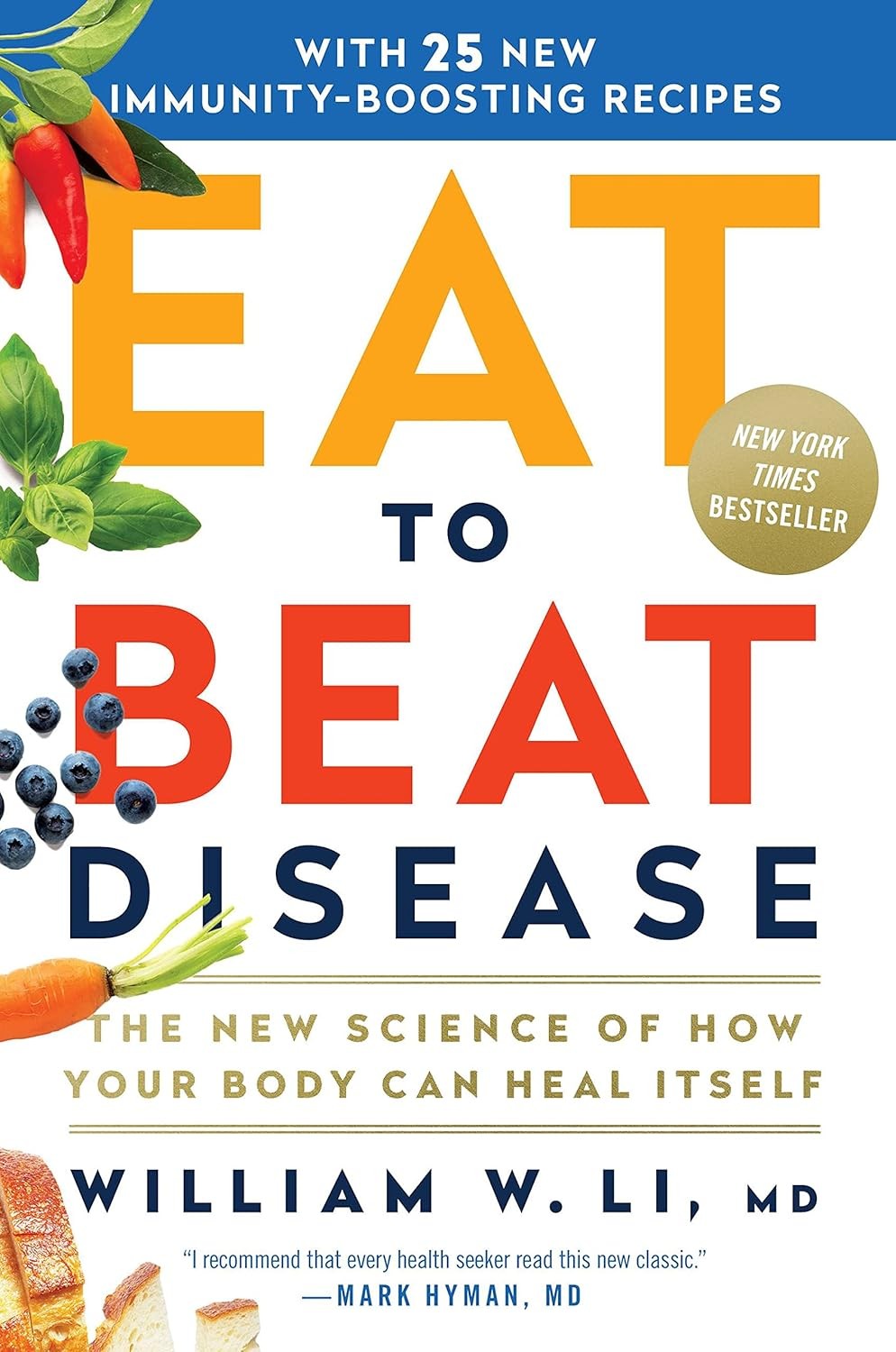
Eat to Beat Disease (hardcover) — ASIN 1538714620. Start here for the five systems and the 5×5×5 plan. Best gift edition.
Eat to Beat Disease (paperback) — ASIN 1538714612. Same framework, cheaper to highlight in the kitchen. Later printings advertise extra immunity recipes.
Eat to Beat Your Diet (2023) — ASIN 1538753901. Metabolism, body fat, and a four-week meal plan. Buy second unless weight is the only reason you showed up.
All three are linked in the buy box with our Amazon Associate tag.
Risks & Honest Limits
Moderate EvidenceCancer and chronic disease: food patterns change risk. They do not replace screening, biopsy, or treatment. Li is a researcher-communicator, not your oncologist.
Allergies and interactions: soy, fish, tea, and high-polyphenol intakes are not universal. Warfarin and some chemo regimens need a clinician before you 'eat to starve' anything.
Over-promising: angiogenesis is real biology. Turning every berry into a targeted therapy is marketing. Use the lists as a Mediterranean-plus shopping guide.
Community Consensus
r/nutrition is kinder to Li than to Gundry: less food fear, more overlap with existing guidelines. r/longevity treats him as the food-as-medicine communicator, not the mTOR or NAD+ guy.
Pair this guide with gut-microbiome, omega-3, intermittent-fasting, glucose-spike-control, and gundry-microbiome if you want the contrast set.
As an Amazon Associate, Reo Tuku Iho Limited earns from qualifying purchases through Amazon links on this site. Full disclosure
For educational purposes only. Not medical advice. Read our health disclaimer.
Sources
Key references cited in this guide. Links open the original publication or abstract.
- Eat to Beat Disease: The New Science of How Your Body Can Heal ItselfBalance / Grand Central, 2019
- Eat to Beat Your Diet: Burn Fat, Heal Your Metabolism, and Live LongerBalance, 2023
- Tumor angiogenesis: therapeutic implications (Folkman)N Engl J Med, 1971
Continue Reading
 Diagnostics & Testing
Gut Microbiome: The Complete Guide
Your gut microbiome, 100 trillion bacteria, influences immunity, mood, metabolism, and inflammation. Bryan Johnson tests his monthly. This guide covers microbiome testing, evidence-based interventions, and what actually moves the needle vs marketing.
Read guide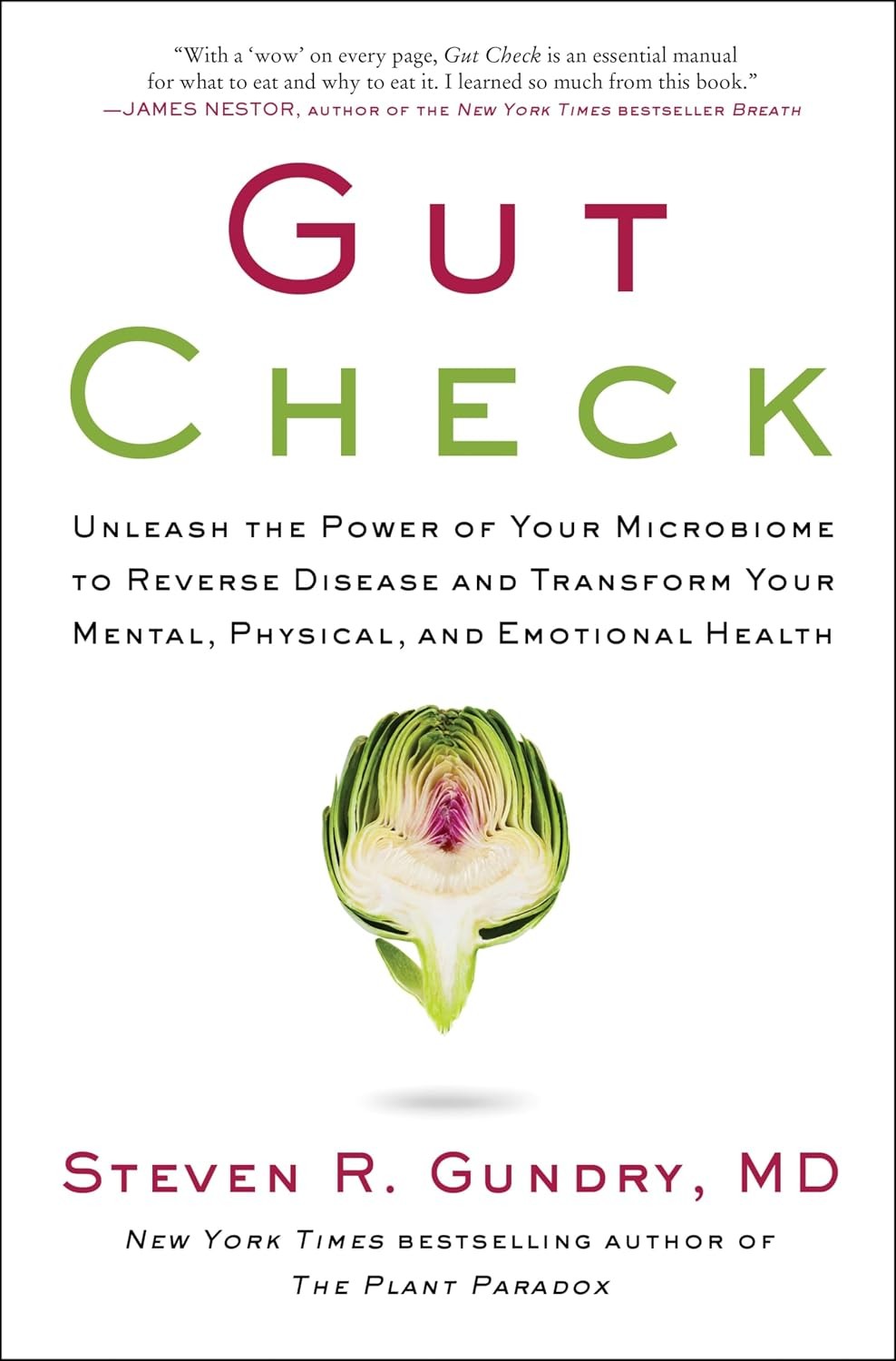 Diagnostics & Testing
Gundry, Lectins & the Microbiome: The Complete Guide
Cardiac surgeon Steven Gundry built a massive following by linking lectins, leaky gut, and the microbiome to obesity and autoimmune disease. This guide explains his framework fairly, separates strong ideas from contested claims, includes practical recipes, and links his core books on Amazon.
Read guide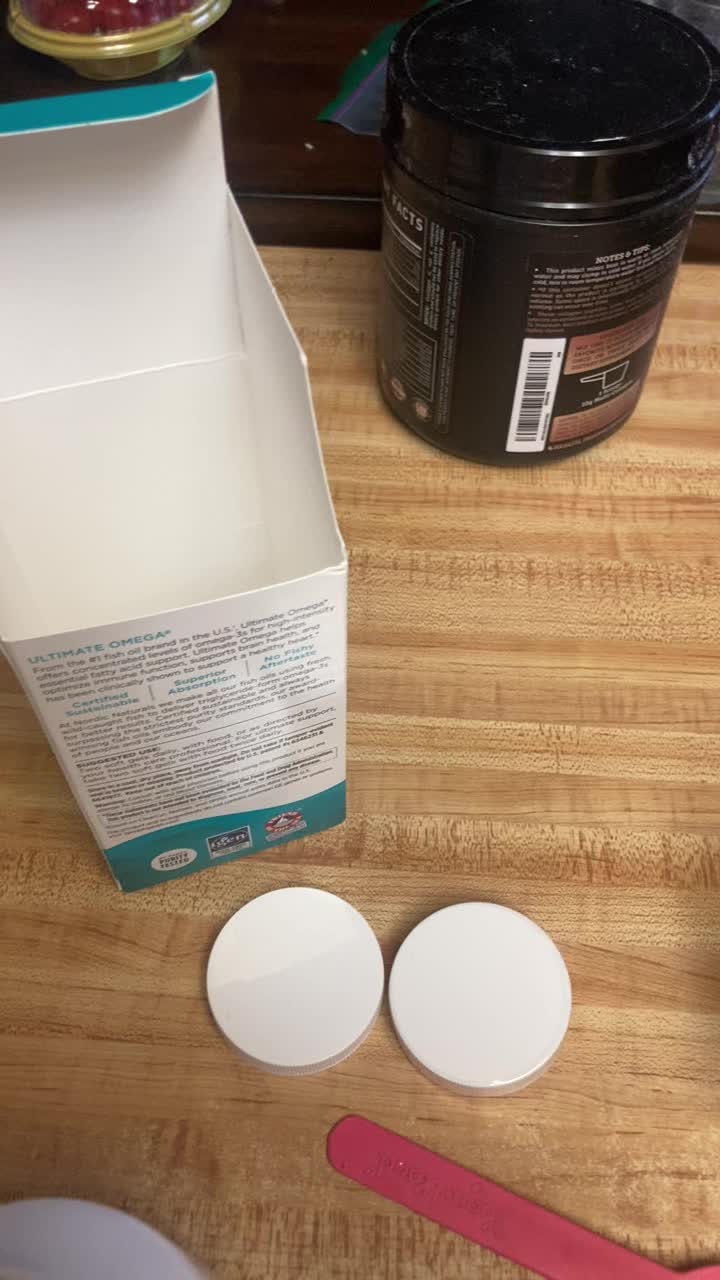 Supplements
Omega-3 Fatty Acids: The Complete Guide
Omega-3 fatty acids (EPA and DHA) are essential for brain structure, cardiovascular health, and inflammation control. Most Western diets are deficient. This guide covers dosing, quality testing, the Omega-3 Index, and how to choose a fish oil.
Read guide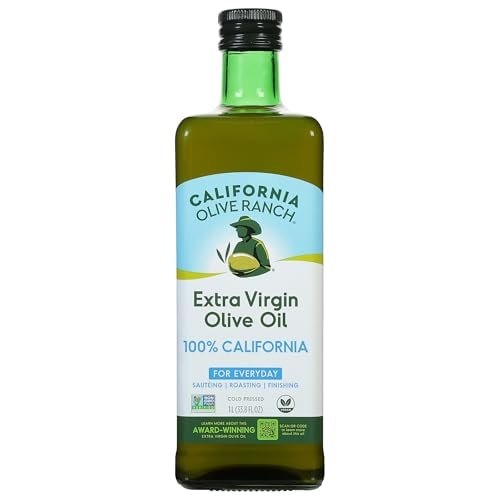 Supplements
Extra Virgin Olive Oil: The Complete Guide
Extra virgin olive oil is one of the few dietary fats with outcome-trial support when it replaces refined fats in a Mediterranean pattern. Phenols (oleocanthal, hydroxytyrosol) and oleic acid are the usual mechanisms. This guide covers how to buy, store, and cook with EVOO — and why ‘olive oil shots’ miss the point.
Read guide Supplements
Green Tea, Matcha & EGCG: The Complete Guide
Green tea and matcha are the food form of EGCG — the catechin in countless metabolic and cancer-prevention papers. Observational and some intervention data support cardiometabolic benefits from cups, not 800mg extracts. High-dose EGCG capsules have rare liver-injury reports. Drink the leaf; be careful with pills.
Read guide Supplements
Intermittent Fasting: The Complete Guide
Intermittent fasting (IF) is one of the most practiced biohacks worldwide, popularized by Dave Asprey's Bulletproof approach and validated by decades of metabolic research. This guide covers 16:8 vs OMAD, ketosis timing, autophagy windows, and who should avoid fasting.
Read guide Wearables & Trackers
Glucose Spike Control: The Complete Guide
Glucose spikes after meals drive inflammation and metabolic stress — even in non-diabetics. CGM culture made this visible. This guide covers behavioral hacks (walk, fiber first, vinegar), when berberine fits, and how to use a monitor without ruining your relationship with food.
Read guide Supplements
Protein for Longevity: The Complete Guide
Protein is the most under-discussed longevity lever after sleep and training. Too little accelerates sarcopenia; the right amount supports muscle, bone, and metabolic health into older decades. This guide covers g/kg targets, meal distribution, and how protein needs change on GLP-1s and during fat loss.
Read guide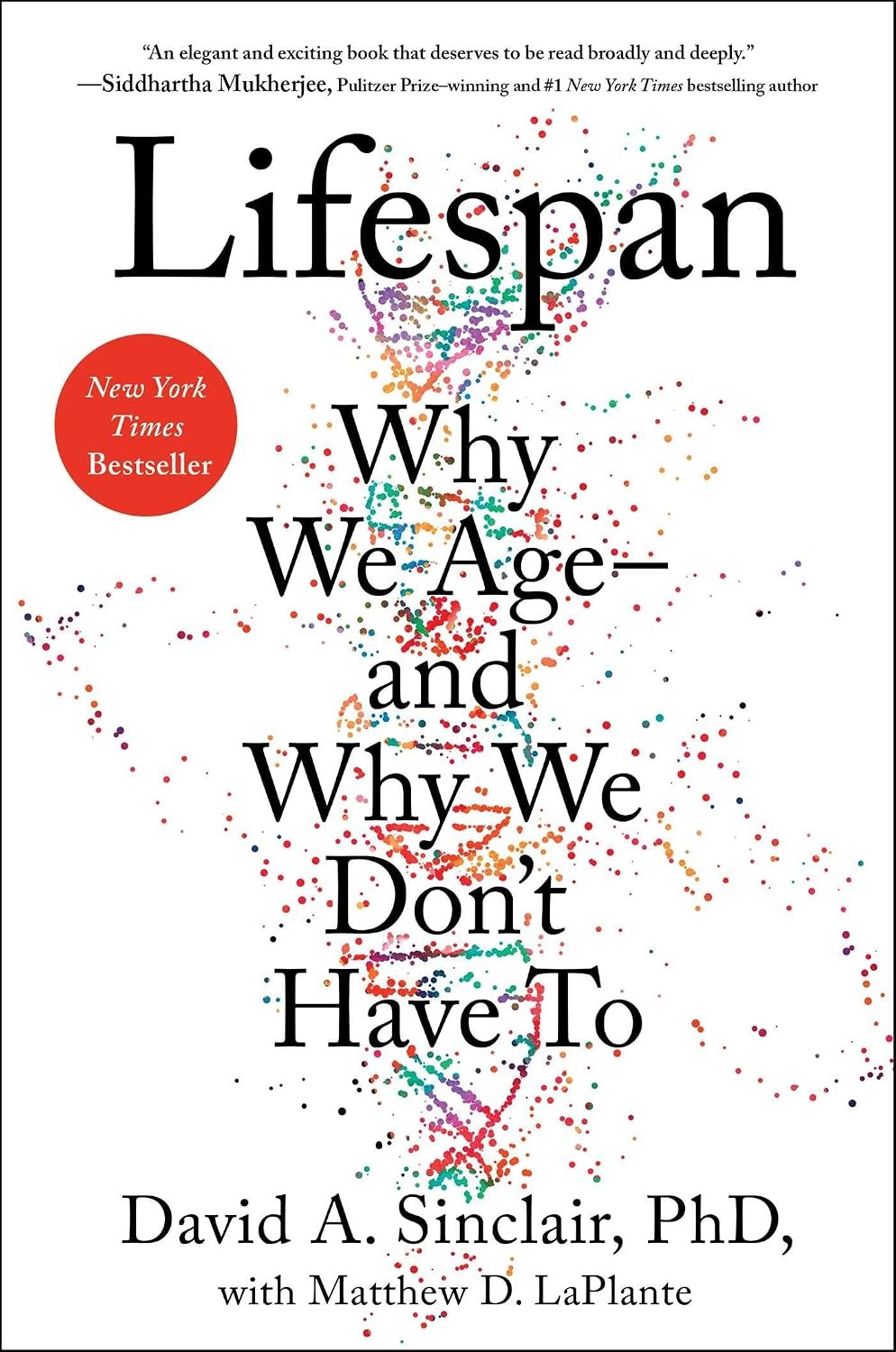 Supplements
David Sinclair & Longevity Science: The Complete Guide
Harvard geneticist David Sinclair changed public conversation with Lifespan (2019): aging as treatable, NAD+ and sirtuins as levers, fasting and cold as free drugs. This guide explains his research fairly, maps his personal stack, includes longevity-friendly recipes, and links Lifespan editions on Amazon.
Read guideSupplementsProbiotics: Strains, Evidence, and What Actually Works
The probiotic market is a $60B mess of underdosed, poorly studied products. But specific strains with clinical trial data can meaningfully support gut health, immune function, and even mood. This guide cuts through marketing to cover evidence-backed strains, dosing in CFUs, spore vs conventional probiotics, and when testing beats guessing.
Read guideLast updated: 2026-08-23 · For informational purposes only. Not medical advice. Consult a healthcare provider before starting any new health protocol. Health disclaimer.