
Melatonin for Sleep: The Complete Guide
Low-dose timing, jet lag only, and why Huberman warns against nightly use
Melatonin is a hormone, not a harmless supplement. Used correctly — low dose, short term, timed early — it helps jet lag and circadian shifts. Used nightly at high doses, it may disrupt natural production and sleep architecture. This guide separates appropriate use from default drugstore habits.
Frequency
Short-term or jet lag only
Duration
Days to 2 weeks
Level
Beginner

Key Takeaways
- 1Fix light, temperature, and caffeine first — melatonin is tier 3, not tier 1
- 2Jet lag and shift-work timing: 0.3–1mg, 30–60 min before target bedtime in new zone — less is often more
- 3Chronic high-dose melatonin (3–10mg gummies) is common and poorly justified for most healthy adults
- 4Pair with blue blockers and magnesium for circadian issues — not as a replacement
Who this is for
- ·International travelers resetting circadian phase
- ·People experimenting after optimizing light and temperature
- ·Users wondering why 5mg gummies stopped working
- ·Shift workers under clinician oversight
What Melatonin Actually Does
Melatonin signals darkness to the brain — it shifts circadian timing (chronobiotic) more than it knocks you out like a sedative. That is why timing and dose matter more than brand.
Pineal production declines with age; older adults sometimes have lower levels — still does not auto-justify nightly megadoses without addressing light hygiene.
The Science
Moderate EvidenceJet lag meta-analyses support melatonin for eastward travel and phase delays when timed to destination bedtime. Doses of 0.5–3mg work; higher is not better.
Chronic use concerns: supraphysiologic doses may desensitize receptors; some studies note next-day grogginess and vivid dreams. Long-term safety data for daily high-dose OTC use are limited.
Alternatives with better daily profiles: magnesium, glycine, apigenin — see respective guides.
- ·Moderate-to-strong: jet lag and circadian shift when timed correctly
- ·Weak: nightly 5–10mg for general insomnia long-term
- ·Strong: light hygiene beats melatonin for most chronic sleep issues
- ·Hormone status: not a 'natural' free pass at any dose
The Protocol
Moderate EvidenceBaseline stack first: morning sunlight, evening dim light, caffeine cutoff, cool bedroom — sleep-optimization and circadian-rhythm guides.
Jet lag: 0.3–1mg melatonin 30–60 min before target sleep in new time zone, 2–4 nights; combine with morning light in new zone.
Occasional reset: same low dose for 3–5 nights max when circadian rhythm slips after travel or daylight saving — then stop.
Avoid: gummy 10mg every night 'because sleep is hard' — fix upstream variables.
- ·0.3–1mg for most timed uses
- ·Short courses only unless MD directs
- ·Take 30–60 min before target sleep
- ·Blue blockers + cool room in parallel
What to Expect
Jet lag: easier sleep onset night 2–3 in new zone when light + melatonin aligned.
Chronic high-dose users tapering down may have rebound insomnia briefly — light protocol carries the transition.
Risks & Cost
Moderate EvidencePregnancy, autoimmune conditions, seizure disorders, and drug interactions (blood thinners, immunosuppressants) — clinician first.
Cost is trivial ($5–15/month); harm is misusing a hormone as nightly sleep candy.
Manta mask and RA Optics glasses are Amazon-available sleep stack tools without hormonal downsides.
Community Consensus
Huberman and Walker both caution against casual nightly melatonin. r/Supplements still defaults to 3mg — low-dose advocates push 0.3mg tablets. Travelers swear by timed low dose.
As an Amazon Associate, Reo Tuku Iho Limited earns from qualifying purchases through Amazon links on this site. Full disclosure
Sources
Key references cited in this guide. Links open the original publication or abstract.
- Melatonin for the prevention and treatment of jet lagCochrane Database Syst Rev, 2017
- Safety of melatonin in humansJ Clin Endocrinol Metab, 2005
Continue Reading
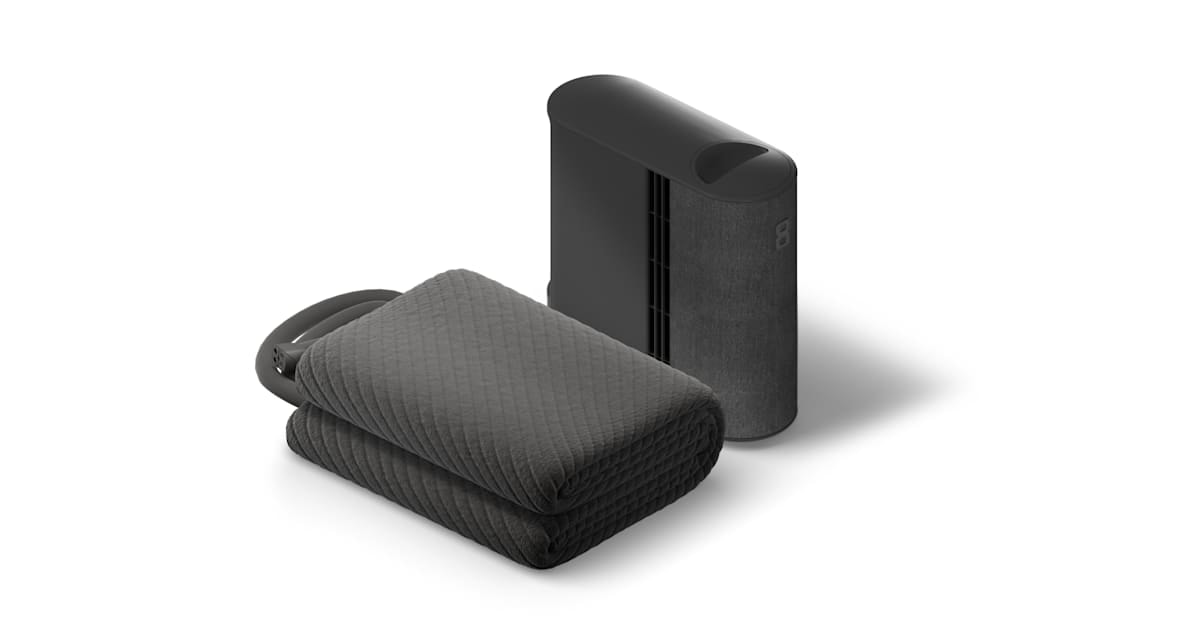 Sleep Optimization
Sleep Optimization: The Complete Guide
Sleep is the foundation every biohacker builds on, Huberman calls it the #1 performance enhancer. This guide covers the science of sleep stages, temperature regulation, light protocols, tracking with wearables, and the complete toolkit for deep restorative sleep.
Read guide Sleep Optimization
Circadian Rhythm Optimization: The Complete Guide
Your circadian rhythm governs sleep, hormones, metabolism, and mood. Huberman and Walker's most foundational advice isn't a supplement or gadget, it's light exposure timing. This guide covers the complete circadian protocol: morning sunlight, evening protection, meal timing, and temperature.
Read guide Sleep Optimization
Blue Light Blocking: The Complete Guide
Blue light after dark suppresses melatonin and disrupts circadian timing. Amber-tinted blue blocking glasses are one of the most cost-effective sleep interventions. This guide covers lens types, timing, and why screen night mode isn't enough.
Read guide Sleep Optimization
Apigenin for Sleep: The Complete Guide
Apigenin is a flavonoid from chamomile that modulates GABA receptors for sleep support. Andrew Huberman popularized it as part of his sleep stack alongside magnesium threonate and theanine. This guide covers mechanism, dosing, stacking, and realistic expectations.
Read guideSleep OptimizationGlycine for Sleep: The Complete Guide
Glycine is an amino acid with direct sleep-promoting effects: it lowers core body temperature and improves sleep quality in human trials. At 3g before bed, it's one of the most evidence-backed, affordable sleep supplements. This guide covers mechanism, dosing, and how it fits the Huberman stack.
Read guide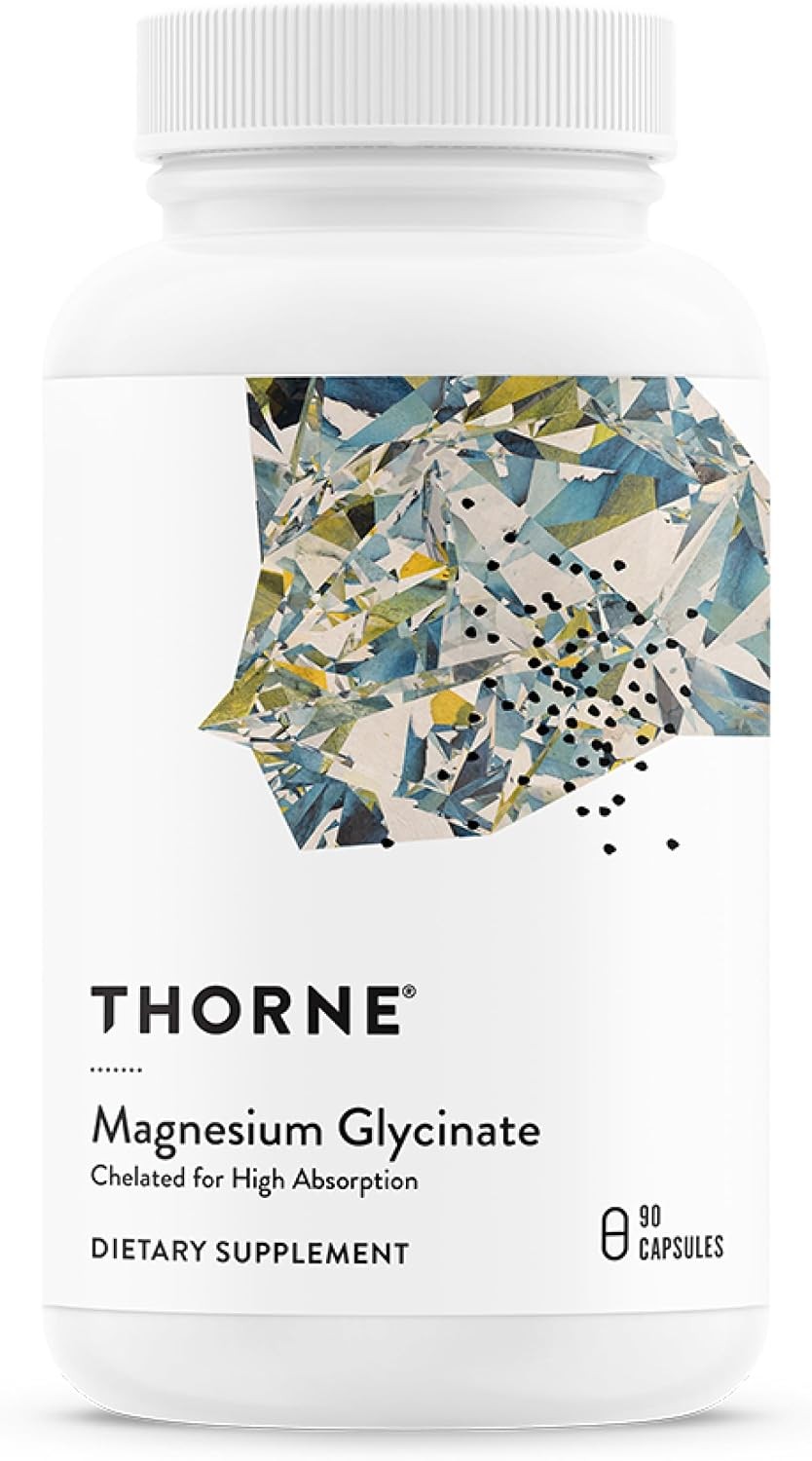 Supplements
Magnesium: The Complete Guide
Up to 50% of adults may not meet optimal magnesium intake. It's involved in 300+ enzymatic reactions, sleep, muscle recovery, stress, and heart rhythm all depend on it. This guide breaks down which form to take, when, and how much.
Read guideLast updated: 2026-08-23 · For informational purposes only. Not medical advice. Consult a healthcare provider before starting any new health protocol. Health disclaimer.