
Zinc Picolinate Dosage for Men: 15mg vs 30mg
When men should stay at 15 mg elemental, when 30 mg is enough, and why 50 mg is not a forever dose
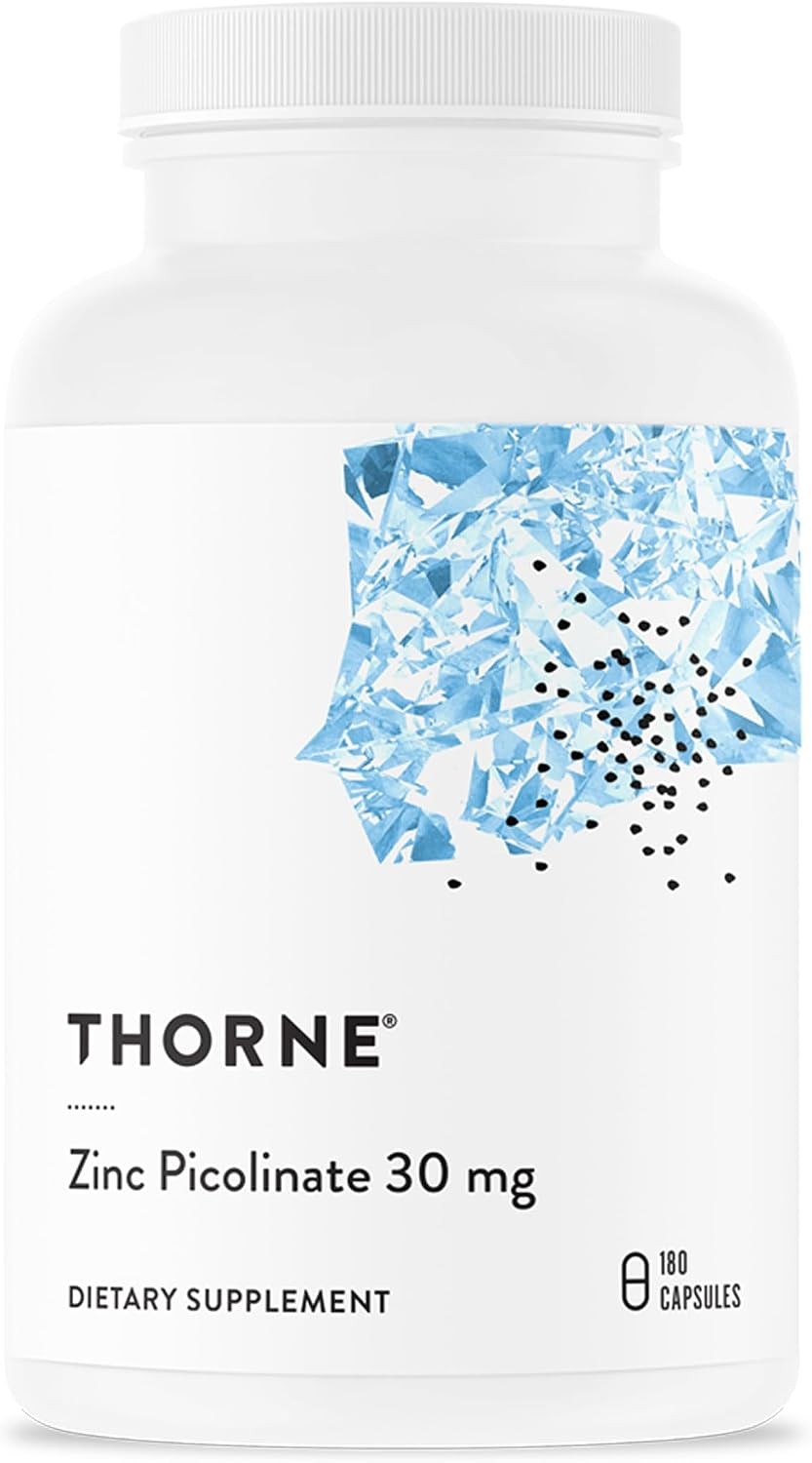
For most men, 15 mg of elemental zinc picolinate with food is the maintain dose. Use 30 mg if you train hard, sweat a lot, or eat little meat. Do not stay above 40 mg a day for months — that is where copper runs low. A 50 mg capsule is a short repletion, not the daily plan. Thorne sells the 15 mg and 30 mg sizes; the buying notes are in best zinc.
Health Disclaimer
This content is for general informational and educational purposes only. It is not medical advice, diagnosis, or treatment. Consult a qualified healthcare provider before starting any supplement, peptide, or health protocol. Read our full health disclaimer.
Frequency
Daily
Duration
Ongoing or seasonal
Level
Beginner
Key Takeaways
- 115 mg elemental picolinate: default for men maintaining zinc
- 230 mg: athletes, heavy sweaters, and low dietary intake
- 315–30mg elemental zinc daily is the typical supplemental range; don't exceed 40mg long-term
- 4Zinc picolinate and bisglycinate have the best absorption profiles
- 5Take with food if GI-sensitive; take away from calcium, iron, and magnesium (2+ hour gap)
- 6Long-term high-dose zinc depletes copper, supplement 1–2mg copper if taking 30mg+ zinc daily
15 mg or 30 mg for Men
Moderate EvidenceCount elemental zinc, not the weight of the whole compound. Zinc picolinate is the form to buy. Take it with a meal so it does not sit in an empty stomach.
15 mg a day fits most men who already eat some meat or seafood and want a maintain dose. 30 mg fits men who train hard, lose zinc in sweat, or eat mostly plants. Both sit inside the usual supplemental range. The adult upper limit used on labels is 40 mg a day from supplements plus fortified food — staying under that for the long run is the point of choosing 15 or 30 instead of 50.
If you take 30 mg every day for months, add 1–2 mg of copper, or use a formula that already includes it. Separate zinc from iron, calcium, and magnesium by a couple of hours. A 50 mg NOW bottle is the short course described in the best zinc guide, then you drop back.
- ·Maintain: 15 mg elemental zinc picolinate with food
- ·Higher intake: 30 mg if training, sweat, or diet is low
- ·Not a forever dose: 50 mg, or anything above 40 mg for months
- ·Copper: 1–2 mg if you stay at 30 mg or more
What Is Zinc?
Zinc is the second-most abundant trace mineral in the body after iron. It's a cofactor for over 300 enzymes involved in DNA synthesis, protein production, immune cell function, taste/smell, and hormone regulation including testosterone and thyroid hormones.
Unlike iron, zinc isn't stored long-term. You need daily intake from food (oysters, red meat, pumpkin seeds, chickpeas) or supplements. Athletes lose significant zinc through sweat. Vegetarians absorb less due to phytates in grains and legumes. Alcohol and chronic stress increase urinary zinc losses.
Mild zinc deficiency is surprisingly common, estimated at 12–20% of the US population. Symptoms are subtle: frequent colds, slow wound healing, reduced taste, hair thinning, low testosterone, poor sleep. Blood zinc testing exists but serum levels don't always reflect tissue status.
The Science
Moderate EvidenceImmune: Zinc is critical for T-cell and natural killer cell function. Meta-analyses show zinc lozenges (not daily supplements) can reduce cold duration by 1–3 days when started within 24 hours of symptoms. Daily zinc supports baseline immune competence.
Testosterone: Zinc deficiency correlates with lower testosterone in men. Supplementation in deficient men can restore levels. In men with adequate zinc, additional supplementation shows minimal testosterone benefit.
Sleep: Zinc influences melatonin synthesis and GABA activity. The classic 'ZMA' stack (zinc + magnesium + B6) was studied for athletic recovery and sleep, though zinc's independent sleep contribution is modest.
Skin & hair: Zinc supports keratin production and has anti-inflammatory effects. It's used clinically for acne and alopecia, often at higher therapeutic doses under medical supervision.
- ·Immune: moderate evidence for deficiency correction; lozenges for acute colds
- ·Testosterone: moderate in deficient men, minimal in replete men
- ·Sleep: emerging, often studied in combination stacks
- ·Longevity: indirect via immune and hormonal support
Forms & Dosing
Moderate EvidenceElemental zinc matters, not total compound weight. Zinc picolinate (15–30mg elemental) is the most studied form for absorption. Zinc bisglycinate (chelated) is well-tolerated and gentle on the stomach. Zinc gluconate is common in lozenges. Avoid zinc oxide, it's poorly absorbed.
Standard supplemental dose: 15–30mg elemental zinc daily with food. Athletes and those with confirmed deficiency may use 30mg. Do not exceed 40mg elemental zinc daily long-term without medical supervision.
Timing: take with a meal to reduce nausea. Separate from iron, calcium, and magnesium supplements by 2+ hours, they compete for absorption. Copper depletion occurs with prolonged high-dose zinc, add 1–2mg copper if supplementing 30mg+ zinc daily for months.
- ·Best forms: picolinate, bisglycinate, gluconate (lozenges)
- ·Dose: 15–30mg elemental zinc/day
- ·Avoid: zinc oxide, mega-dosing without copper balance
- ·Cycle: can use seasonally (winter immune) or year-round
What to Expect
Week 1–2: Subtle changes if deficient, fewer sick days over months, not days. Some notice improved taste sensitivity. GI nausea if taken empty stomach.
Month 1–3: Immune resilience becomes noticeable during cold season. Athletes may see improved recovery markers. Hair and nail quality improvements are anecdotal but commonly reported.
Long-term: Maintenance dosing is sustainable at 15–25mg/day. Monitor copper status if using high doses chronically. Get bloodwork if supplementing for testosterone optimization.
Risks & Contraindications
Strong EvidenceCopper deficiency is the main risk of chronic high-dose zinc. Symptoms include anemia and neutropenia. Balance with copper or use lower doses.
Nausea and GI upset are common if taken on an empty stomach. Always take with food.
Zinc can interfere with antibiotic absorption (quinolones, tetracyclines). Separate by 2+ hours.
Excessive zinc (>40mg/day long-term) can suppress immune function paradoxically and lower HDL cholesterol.
Community Consensus
r/Supplements treats zinc as a foundational mineral, especially for men, athletes, and vegetarians. Picolinate from Thorne or NOW Foods are frequent recommendations.
Huberman discusses zinc for immune support and sleep stacks. Rhonda Patrick emphasizes mineral adequacy as a longevity baseline.
Common mistake: buying zinc oxide cheap supplements with poor absorption. Common win: 15mg picolinate daily through winter months.
As an Amazon Associate, Reo Tuku Iho Limited earns from qualifying purchases through Amazon links on this site. Full disclosure
For educational purposes only. Not medical advice. Read our health disclaimer.
Continue Reading
SupplementsBest Zinc: The Buying Guide
Zinc shopping is form and dose. Picolinate beats oxide. NOW 50 mg elemental is the cheap Amazon repletion capsule — it sits above the 40 mg/day adult upper limit, so it is not a forever daily. Thorne 15–30 mg NSF is the maintain bottle. This buying guide picks NOW for a short course and tells you to do the math with your multi.
Read guide Supplements
Magnesium: The Complete Guide
Up to 50% of adults may not meet optimal magnesium intake. It's involved in 300+ enzymatic reactions, sleep, muscle recovery, stress, and heart rhythm all depend on it. This guide breaks down which form to take, when, and how much.
Read guide Supplements
Testosterone Optimization: The Complete Guide
Testosterone optimization is one of the most searched biohacking topics, from natural lifestyle interventions to TRT clinics. Dave Asprey discusses hormonal health as core to vitality and longevity. This guide covers evidence-based natural optimization before pharmaceutical intervention.
Read guide Supplements
NAD+ & Longevity: The Complete Guide
NAD+ is one of the most critical molecules in human biology, essential for energy, DNA repair, and activating longevity pathways. Levels decline ~50% between ages 40–60. This guide explains what NAD+ does, whether supplementation works, NR vs NMN debate, and how to test your levels.
Read guide Supplements
Creatine Dose: 5g Daily for Muscle, Bone, and Brain
Take 5 g of creatine monohydrate every day for muscle, bone, and brain. You do not need a separate higher daily dose for bone — the bone research is still early and is studied with lifting, at ordinary doses. Some short brain studies use about 10–20 g a day, split up. That is a research protocol, not the daily dose this guide uses. Saturation from 5 g a day is the default.
Read guideLast updated: 2026-10-05 · For informational purposes only. Not medical advice. Consult a healthcare provider before starting any new health protocol. Health disclaimer.