
Testosterone Optimization: The Complete Guide
Natural T support, TRT, sleep, resistance training, and the biohacker's hormone playbook
Testosterone optimization is one of the most searched biohacking topics, from natural lifestyle interventions to TRT clinics. Dave Asprey discusses hormonal health as core to vitality and longevity. This guide covers evidence-based natural optimization before pharmaceutical intervention.
Health Disclaimer
This content is for general informational and educational purposes only. It is not medical advice, diagnosis, or treatment. Consult a qualified healthcare provider before starting any supplement, peptide, or health protocol. Read our full health disclaimer.
Frequency
Daily lifestyle
Duration
Ongoing
Level
Intermediate

Key Takeaways
- 1Sleep is the #1 natural testosterone booster, 5 hours vs 8 hours can drop T by 10–15%
- 2Resistance training (compound lifts) and body fat reduction are the strongest lifestyle interventions
- 3Get bloodwork first: total T, free T, SHBG, estradiol, LH, FSH, don't supplement blind
- 4TRT is a medical decision requiring physician oversight, not a casual biohack
What Is Testosterone Optimization?
Testosterone optimization means bringing your hormone levels to a healthy, functional range, not necessarily 'as high as possible.' Total testosterone in men typically ranges 300–1000 ng/dL, but free testosterone (bioavailable) matters more than total.
Symptoms of low T: fatigue, reduced libido, brain fog, muscle loss, increased body fat, poor recovery, mood changes. These overlap with sleep deprivation, stress, and poor nutrition, so diagnosis requires bloodwork, not symptoms alone.
The biohacking approach: maximize natural production first (sleep, training, nutrition, stress management), then consider targeted supplements, and only pursue TRT when lifestyle interventions are insufficient and clinically indicated.
The Science, What Moves the Needle
Strong EvidenceSleep: Leproult & Van Cauter showed 5 hours of sleep for 1 week reduced testosterone by 10–15% in young men. Deep sleep is when the majority of daily testosterone is produced. See our sleep optimization guide.
Resistance training: Compound movements (squat, deadlift, bench) with heavy loads acutely spike testosterone and growth hormone. Chronic training with progressive overload maintains healthy levels. Overtraining without recovery suppresses T.
Body composition: Adipose tissue converts testosterone to estrogen via aromatase. Men above 20% body fat often have lower free testosterone. Losing visceral fat is one of the most effective natural interventions.
Vitamin D: Men with sufficient vitamin D (>40 ng/mL) tend to have higher testosterone. Magnesium and zinc are cofactors in testosterone synthesis, deficiencies correlate with lower levels.
Stress/cortisol: Chronic cortisol elevation suppresses the HPG axis, reducing testosterone production. Cortisol and testosterone have an inverse relationship.
- ·Strong: sleep, resistance training, body fat reduction, vitamin D correction
- ·Moderate: zinc, magnesium, ashwagandha (stress reduction, T support)
- ·Weak: most 'testosterone booster' supplements (D-aspartic acid, tribulus)
- ·Medical: TRT when clinically hypogonadal with symptoms
Natural Optimization Protocol
Strong EvidenceStep 1, Bloodwork: Test total T, free T, SHBG, estradiol, LH, FSH, vitamin D, thyroid panel. Morning draw (T peaks 7–10am). Repeat in 3 months after interventions.
Step 2, Foundations (8 weeks): 7–9 hours sleep, 3×/week resistance training (compound lifts), reduce body fat if >18%, manage stress (breathwork, meditation). Re-test.
Step 3, Targeted supplements: Vitamin D3+K2 (if deficient), magnesium glycinate 400mg, zinc 15–30mg (if deficient). Ashwagandha 600mg for cortisol reduction. Creatine 5g daily.
Step 4, If still suboptimal with symptoms: Consult an endocrinologist or men's health specialist. TRT may be appropriate, but understand it's typically lifelong once started.
What to Expect
Weeks 1–4 (lifestyle): Improved energy from sleep alone. Training adaptations begin. Subjective libido and mood improvements common.
Weeks 4–8: Bloodwork changes may appear, vitamin D correction, improved SHBG ratios. Body composition shifts accelerate with consistent training.
Supplements: Ashwagandha effects on cortisol appear in 4–8 weeks. Zinc/magnesium corrections are faster if you were deficient.
TRT (if pursued): Effects within 2–4 weeks, energy, libido, mood. Requires ongoing monitoring of hematocrit, estradiol, PSA. Not reversible without significant effort.
Risks & Red Flags
Strong EvidenceTRT without monitoring: Elevated hematocrit (blood thickening), estrogen conversion, testicular atrophy, fertility loss. Requires physician oversight and regular bloodwork.
Supplement traps: 'Testosterone boosters' with proprietary blends are almost universally underdosed or ineffective. D-aspartic acid showed promise in one study but failed to replicate.
Over-optimization: Pursuing supraphysiological levels for 'performance' carries cardiovascular and prostate risks. More isn't better.
Women: This guide focuses on male optimization. Women with hormonal concerns need separate protocols, testosterone matters for women too but at much lower levels.
Community Consensus
r/Testosterone and r/Biohackers: 'Sleep and lift heavy' is the universal first advice. TRT clinics are criticized for over-prescribing to men with normal-low levels.
Peter Attia: Optimize body composition and sleep before any pharmaceutical intervention. TRT is appropriate for genuinely hypogonadal men with symptoms.
Huberman: Morning sunlight, cold exposure, and social connection all support healthy testosterone through overlapping hormonal pathways.
Dave Asprey: Discusses hormonal optimization as part of overall vitality, emphasizes testing, not guessing.
As an Amazon Associate, Reo Tuku Iho Limited earns from qualifying purchases through Amazon links on this site. Full disclosure
For educational purposes only. Not medical advice. Read our health disclaimer.
Continue Reading
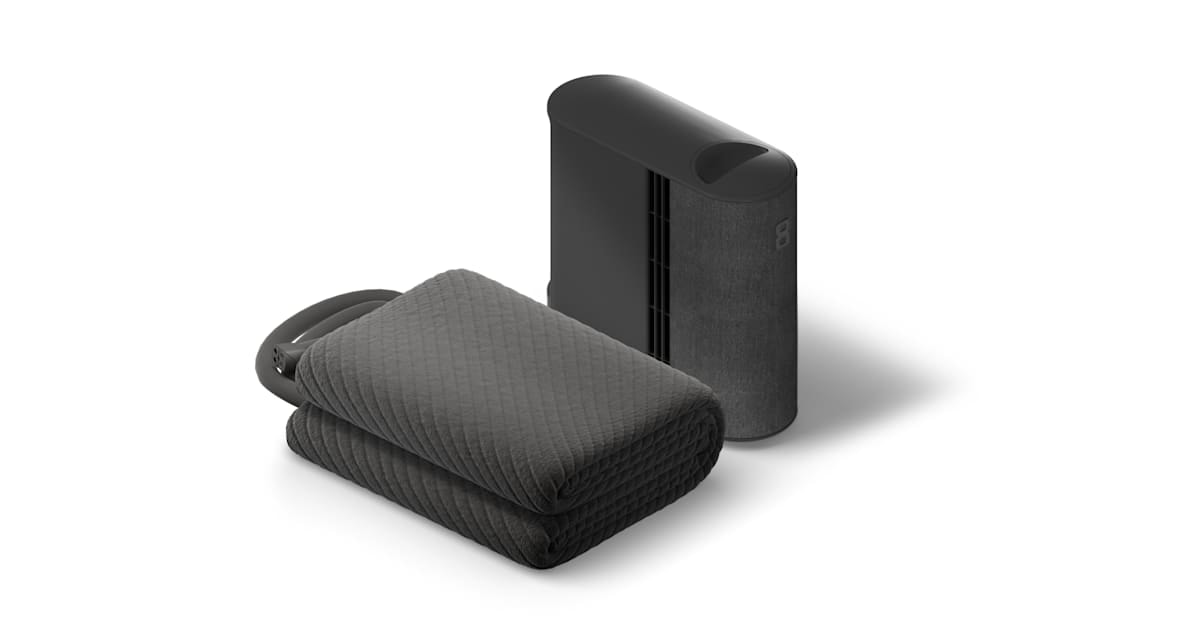 Sleep Optimization
Sleep Optimization: The Complete Guide
Sleep is the foundation every biohacker builds on, Huberman calls it the #1 performance enhancer. This guide covers the science of sleep stages, temperature regulation, light protocols, tracking with wearables, and the complete toolkit for deep restorative sleep.
Read guide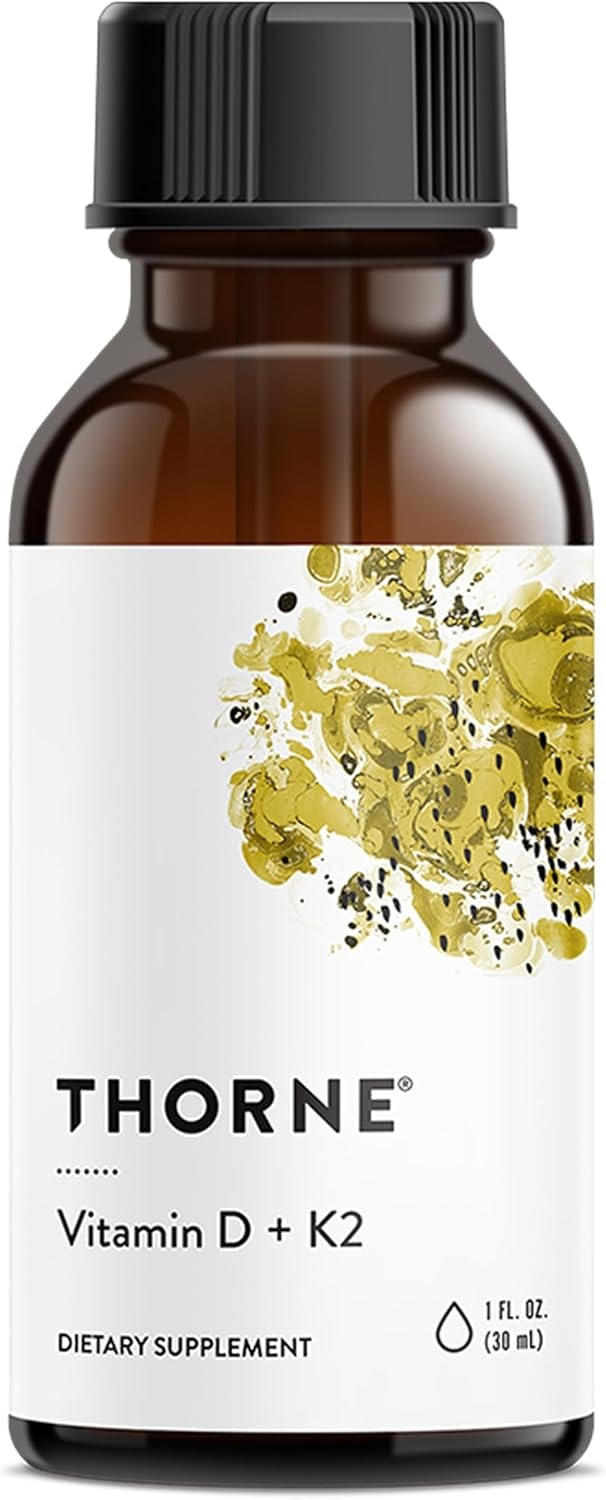 Supplements
Vitamin D: The Complete Guide
Vitamin D is technically a hormone, involved in immunity, bone health, mood, and 200+ gene expressions. Deficiency affects ~40% of adults in temperate climates. This guide covers testing, dosing, K2 pairing, and sun vs supplement tradeoffs.
Read guide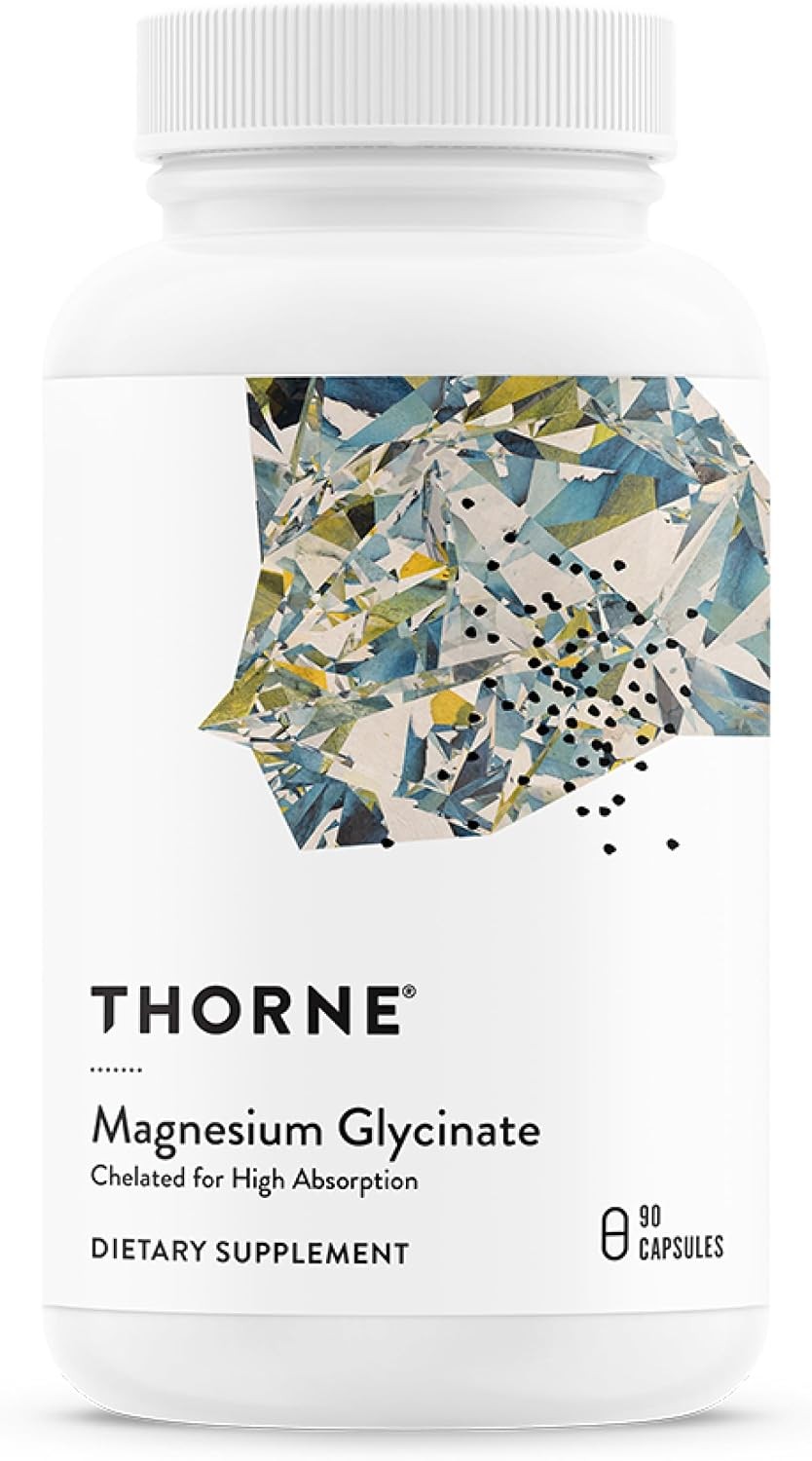 Supplements
Magnesium: The Complete Guide
Up to 50% of adults may not meet optimal magnesium intake. It's involved in 300+ enzymatic reactions, sleep, muscle recovery, stress, and heart rhythm all depend on it. This guide breaks down which form to take, when, and how much.
Read guide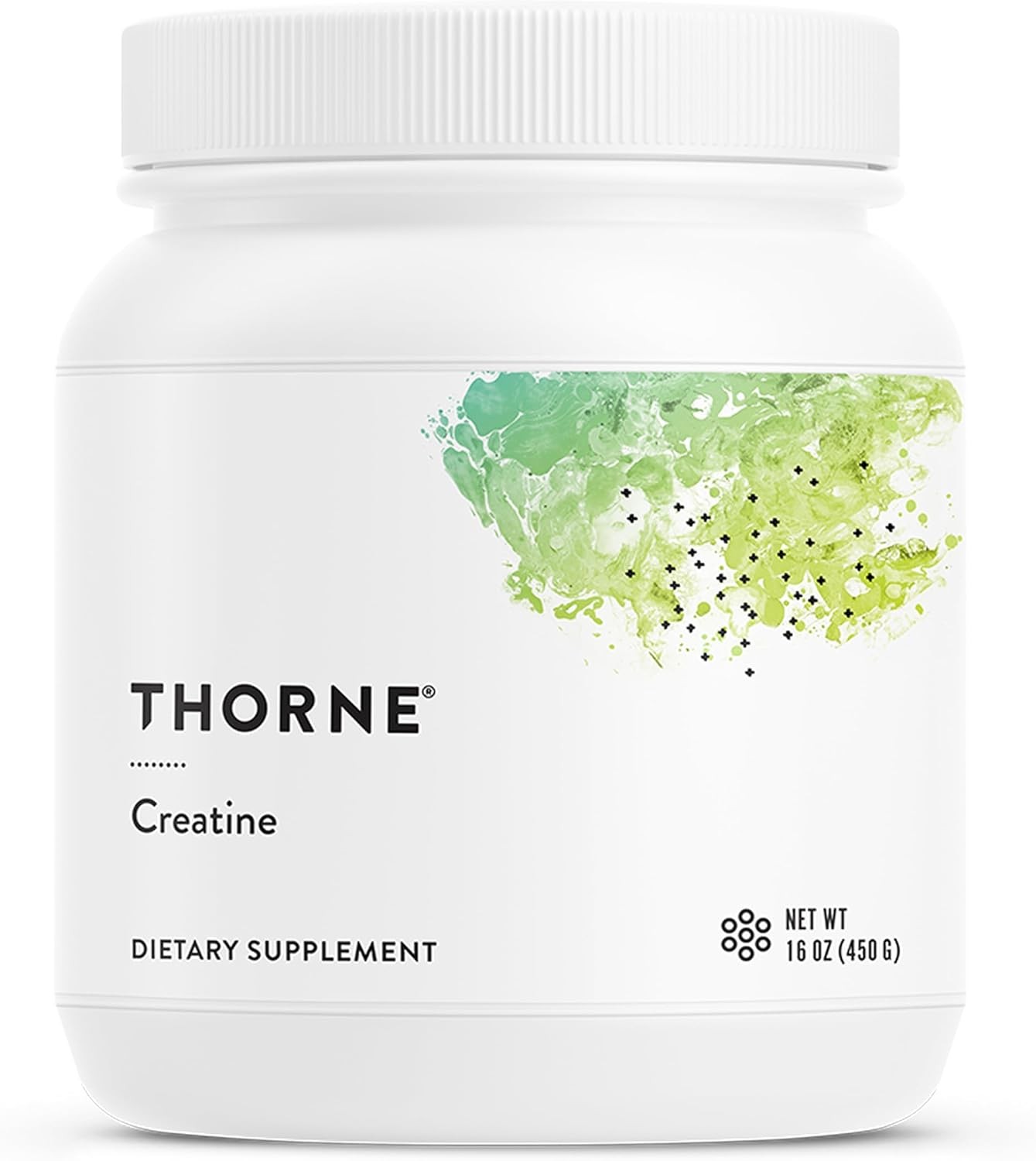 Supplements
Creatine Dose: 5g Daily for Muscle, Bone, and Brain
Take 5 g of creatine monohydrate every day for muscle, bone, and brain. You do not need a separate higher daily dose for bone — the bone research is still early and is studied with lifting, at ordinary doses. Some short brain studies use about 10–20 g a day, split up. That is a research protocol, not the daily dose this guide uses. Saturation from 5 g a day is the default.
Read guide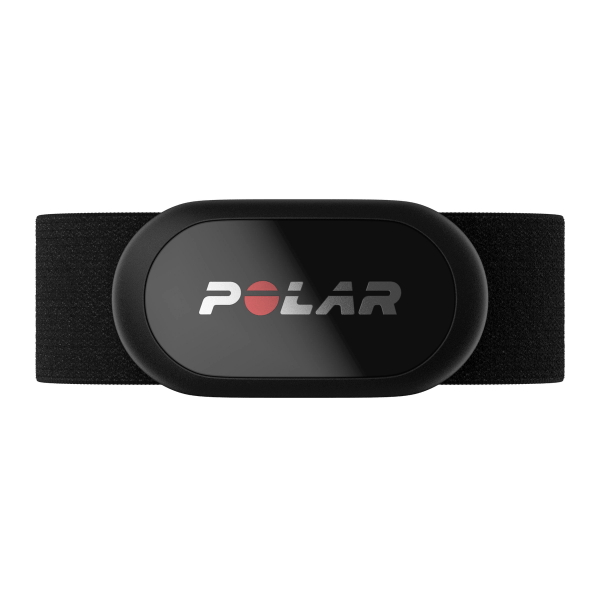 Wearables & Trackers
Zone 2 Heart Rate Chart: Attia Targets by Age
Peter Attia does not publish a single official zone 2 heart rate chart. He uses a talk test, and in a lab a lactate reading near 2 mmol/L. The chart below is the practical substitute: a Maffetone ceiling of 180 minus age, next to 60–70% of estimated max heart rate. Stay under the ceiling only if you can still speak in full sentences, for 3–4 hours a week.
Read guide Supplements
NAD+ & Longevity: The Complete Guide
NAD+ is one of the most critical molecules in human biology, essential for energy, DNA repair, and activating longevity pathways. Levels decline ~50% between ages 40–60. This guide explains what NAD+ does, whether supplementation works, NR vs NMN debate, and how to test your levels.
Read guideSupplementsTongkat Ali: The Complete Guide
Tongkat ali (Eurycoma longifolia) is a Southeast Asian herb studied for raising free testosterone, reducing cortisol, and improving libido in men with low-normal T. This guide covers LJ100 and Physta extracts, 200–400mg dosing, and blood test monitoring.
Read guide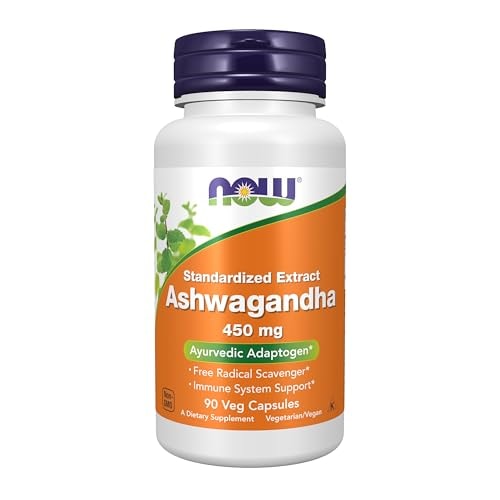 Supplements
Ashwagandha: The Complete Guide
Ashwagandha (Withania somnifera) is the most studied adaptogen in biohacking. Multiple RCTs show cortisol reduction, improved sleep, and modest strength gains. This guide compares KSM-66 and Sensoril extracts, dosing protocols, and important contraindications.
Read guideLast updated: 2026-07-11 · For informational purposes only. Not medical advice. Consult a healthcare provider before starting any new health protocol. Health disclaimer.