
Glucose Spike Control: The Complete Guide
Post-meal walks, food order, berberine, and CGM patterns — without orthorexia
Glucose spikes after meals drive inflammation and metabolic stress — even in non-diabetics. CGM culture made this visible. This guide covers behavioral hacks (walk, fiber first, vinegar), when berberine fits, and how to use a monitor without ruining your relationship with food.
Frequency
Daily meals
Duration
Ongoing habits
Level
Beginner

Key Takeaways
- 110–15 minute post-meal walk often cuts glucose peak 20–30% in studies — free tier one
- 2Food order matters: vegetables and protein before refined carbs blunts the curve
- 3Berberine has metformin-like glucose effects in some trials — Thorne Berberine on Amazon; not for everyone
- 4CGM is a learning tool for 2–4 weeks, not a permanent guilt monitor for healthy people
Who this is for
- ·People with family history of type 2 diabetes
- ·CGM curious biohackers doing a 30-day experiment
- ·Athletes optimizing fueling without bonking
- ·GLP-1 users tracking metabolic improvement
Why Glucose Spikes Matter
Postprandial glucose and insulin spikes contribute to oxidative stress, endothelial dysfunction, and over time increase diabetes and cardiovascular risk — even when fasting glucose looks normal.
Not every blip is pathology — context, sleep, stress, and training all shift responses. The goal is reducing repeated large spikes from refined carbs and sedentary evenings.
The Science
Strong EvidencePost-meal walking: muscle uptake of glucose without extra insulin — meta-analyses support short walks after meals.
Food sequencing: fiber and fat/protein first slows gastric emptying and reduces peak glucose vs carb-first meals in RCTs.
Berberine: AMPK activation, glucose lowering in multiple trials — often compared to metformin in supplement literature. Interacts with medications — see metformin and berberine guides.
CGM: continuous monitors reveal individual foods; useful for N=1 experiments then often removable once habits stick.
- ·Strong: exercise and weight loss for insulin sensitivity
- ·Strong: post-meal walking reduces glucose excursions
- ·Moderate: food order and vinegar effects in small RCTs
- ·Moderate: berberine for glucose — drug interaction caution
The Protocol
Strong EvidenceBehavior first: 10–15 min walk within 30 min of largest meal; start meals with salad or protein; save bread and dessert for after.
Sleep and stress: one bad night can spike next-day glucose — fix sleep before supplement stacking.
Berberine trial: 500mg with meals 2× daily for 8 weeks if labs or CGM justify — discuss with MD if on diabetes meds.
CGM experiment: 14–30 days, log food photos, identify top 3 spike foods, change those, remove sensor unless diabetic monitoring needed.
- ·Walk 10–15 min after meals
- ·Veggies/protein before starches
- ·Berberine only with clinical reason
- ·CGM as temporary education tool
What to Expect
Days: walks produce visible CGM dips; rice and cereal often spike hardest in naive users.
Weeks: habits stick; anxiety about every food color fades if you stop chasing flat lines.
Risks & Cost
Moderate EvidenceCGM orthorexia: if monitoring increases stress eating, remove it.
Berberine + metformin or insulin can cause hypoglycemia — medical supervision.
Levels/WHOOP CGM integrations are DTC; berberine and Polar H10 for training are Amazon-available anchors when CGM is not.
Community Consensus
Glucose Goddess made 'clothing on carbs' mainstream. Attia emphasizes post-meal walks to every patient. r/Biohackers splits on berberine vs 'just walk.' Agreement: walks are underrated free medicine.
As an Amazon Associate, Reo Tuku Iho Limited earns from qualifying purchases through Amazon links on this site. Full disclosure
Sources
Key references cited in this guide. Links open the original publication or abstract.
- Postprandial walking and glucose control: meta-analysisSports Med, 2019
- Food order has a significant impact on postprandial glucoseDiabetes Care, 2016
Continue Reading
 Cognitive Enhancement
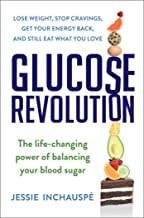
Glucose Revolution: The Complete Guide
Glucose Revolution popularized tactics that already existed in clinical nutrition: eat fiber and protein before starch, consider vinegar before a starchy meal, and walk for ten minutes after. This guide is the protocol without the branded powders.
Read guide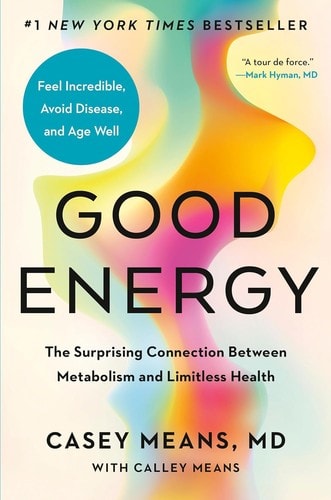 Cognitive Enhancement
Casey Means & Good Energy: The Complete Guide
Good Energy argues that most chronic disease is downstream of impaired cellular energy production. The useful core is cheap labs, walking, sleep, and real food — not a subscription CGM. This guide extracts the protocol and flags the company overlap.
Read guide Diagnostics & Testing
Continuous Glucose Monitoring: The Complete Guide
A continuous glucose monitor (CGM) reveals how YOUR body responds to food in real-time, not population averages. Dave Asprey calls it the most impactful health tool he's used. This guide covers how CGMs work, what you'll learn, and how to use the data to optimize energy, weight, and long-term metabolic health.
Read guide Supplements
Berberine: The Complete Guide
Berberine is a plant alkaloid that activates AMPK and lowers blood glucose comparably to metformin in some trials. Biohackers use it for metabolic health, CGM optimization, and longevity signaling. This guide covers 500mg dosing, GI side effects, and CGM pairing.
Read guide Supplements
Metformin: The Complete Guide
Metformin is the most prescribed diabetes drug in the world and the most discussed off-label longevity pharmaceutical after rapamycin. It activates AMPK, lowers glucose, and shows epidemiologic links to reduced cancer and mortality in diabetics — but healthy-aging trials are still running. This guide maps the evidence without DIY dosing.
Read guide Wearables & Trackers
Daily Walking for Longevity: The Complete Guide
Walking is the highest-ROI movement habit in longevity medicine: lower all-cause mortality, better glucose control, and cognitive benefits — with zero equipment required. This guide separates step-count hype from structured Zone 2, and how wearables should track both.
Read guidePeptidesGLP-1 Agonists: The Complete Guide
GLP-1 receptor agonists (semaglutide, liraglutide) and dual agonists (tirzepatide) moved from diabetes clinics into mainstream weight and metabolic culture. For biohackers, the live questions are muscle loss, rebound weight, nutrient quality, and whether a peptide drug belongs next to Zone 2 and protein. This is a map of the evidence — not a shortcut to a vial.
Read guide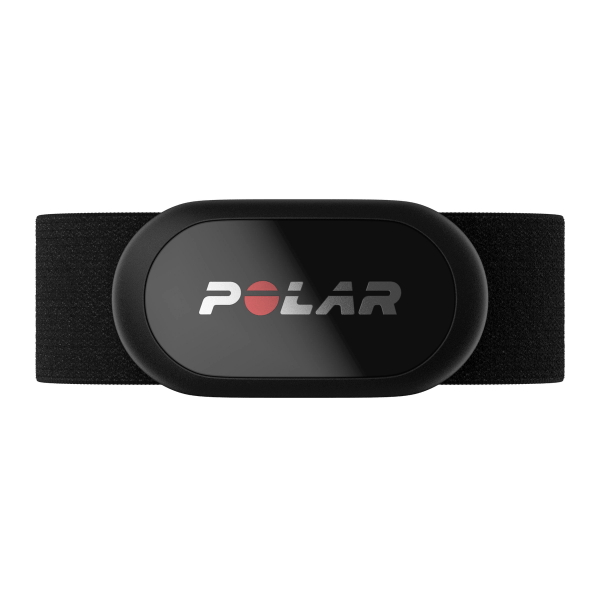 Wearables & Trackers
Zone 2 Heart Rate Chart: Attia Targets by Age
Peter Attia does not publish a single official zone 2 heart rate chart. He uses a talk test, and in a lab a lactate reading near 2 mmol/L. The chart below is the practical substitute: a Maffetone ceiling of 180 minus age, next to 60–70% of estimated max heart rate. Stay under the ceiling only if you can still speak in full sentences, for 3–4 hours a week.
Read guide Supplements
William Li & Eat to Beat: The Complete Guide
Physician-scientist William W. Li, MD, made angiogenesis — how the body grows and prunes blood vessels — a household idea with his TED talk and Eat to Beat Disease. This guide explains his five defense systems fairly, maps the 5×5×5 add-foods framework, includes practical recipes, and links his books on Amazon.
Read guideLast updated: 2026-08-23 · For informational purposes only. Not medical advice. Consult a healthcare provider before starting any new health protocol. Health disclaimer.