
Metformin: The Complete Guide
TAME trial context, AMPK, berberine comparisons, and why this is a prescription conversation
Metformin is the most prescribed diabetes drug in the world and the most discussed off-label longevity pharmaceutical after rapamycin. It activates AMPK, lowers glucose, and shows epidemiologic links to reduced cancer and mortality in diabetics — but healthy-aging trials are still running. This guide maps the evidence without DIY dosing.
Health Disclaimer
This content is for general informational and educational purposes only. It is not medical advice, diagnosis, or treatment. Consult a qualified healthcare provider before starting any supplement, peptide, or health protocol. Read our full health disclaimer.
Frequency
Physician-directed
Duration
Clinical supervision
Level
Advanced

Key Takeaways
- 1Metformin is prescription-only — longevity use is off-label and requires a clinician
- 2TAME (Targeting Aging with Metformin) and related trials test aging endpoints, not just HbA1c
- 3Berberine is sometimes called 'nature's metformin' — similar AMPK pathway, weaker evidence, OTC
- 4B12 depletion, GI side effects, and lactic acidosis risk (rare) are real monitoring items
Who this is for
- ·Readers comparing metformin, berberine, and GLP-1s
- ·People with prediabetes asking what longevity docs actually prescribe
- ·Anyone who heard 'metformin for aging' on a podcast and wants the nuance
What Is Metformin?
Metformin (Glucophage) is a biguanide that lowers blood glucose primarily by reducing hepatic glucose production and improving insulin sensitivity. It has been used since the 1950s and remains first-line therapy for type 2 diabetes.
The longevity angle: observational data in diabetics show lower rates of some cancers and cardiovascular events versus other glucose agents. Nir Barzilai's TAME trial proposed testing whether metformin slows aging biomarkers in people without diabetes. That question is still being answered in formal trials — not settled for healthy adults.
The Science
Moderate EvidenceAMPK activation: metformin activates AMPK, an energy-sensing pathway also stimulated by exercise and caloric restriction. This overlaps with why biohackers group it with fasting and berberine — but overlap is not equivalence.
Human longevity: no completed large RCT proves metformin extends lifespan in non-diabetic humans. MARS and TAME-era studies focus on composite aging endpoints. MACE and cancer signals come largely from diabetic populations, which confounds 'healthy 40-year-old' extrapolation.
Exercise interaction: some studies suggest metformin may blunt certain mitochondrial adaptations to high-intensity training. If VO₂ max is your north star, discuss timing and necessity with your physician — Attia has raised this tension on air.
- ·Strong: glucose lowering in type 2 diabetes
- ·Moderate: epidemiologic aging associations in diabetics
- ·Emerging: TAME-class aging endpoint trials
- ·Not established: lifespan extension in healthy non-diabetics
How Clinics Think About It (Not DIY)
Moderate EvidenceLegitimate use starts with indication: prediabetes, insulin resistance, PCOS, or a physician who documents off-label rationale. Baseline labs: HbA1c, fasting insulin, CMP, B12, eGFR. Metformin is contraindicated in severe kidney impairment.
Extended-release formulations often reduce GI side effects. B12 monitoring matters on multi-year use — supplementation is common.
Berberine comparison: Thorne Berberine and similar products hit overlapping pathways for glucose experimentation with a CGM. They are not dose-equivalent substitutes for prescription metformin. Do not swap without medical oversight.
- ·Prescription and labs only
- ·Monitor B12 and kidney function
- ·Discuss exercise goals before starting
- ·Berberine is a separate OTC tool — see berberine guide
What People Report
First weeks: nausea, diarrhea, or metallic taste are common; often improve with food timing or XR formulation.
Months in: stable glucose, sometimes modest weight loss. Subjective 'longevity' feelings are unreliable — track labs.
Long term: B12 creep matters. Neuropathy from B12 deficiency mimics other problems — check annually if you stay on it.
Risks & Contraindications
Strong EvidenceLactic acidosis is rare but serious, especially with kidney disease, heavy alcohol, or acute illness. Hold before contrast CT and surgery per hospital protocols.
GI intolerance drives most discontinuations. Not everyone tolerates it; that is normal.
Do not combine casually with other glucose-lowering agents (including GLP-1s) without endocrine supervision — hypoglycemia risk varies by stack.
Community Consensus
r/longevity split: 'wait for TAME' versus 'I'm prediabetic and my doctor already prescribed it.' The middle path — treat insulin resistance seriously, do not treat metformin as a vitamin — is the sensible consensus.
Sinclair association boosted interest; Attia-style skepticism on exercise blunting keeps the conversation honest. Rapamycin and metformin are often discussed as different mTOR/AMPK levers, not a combo to self-stack.
As an Amazon Associate, Reo Tuku Iho Limited earns from qualifying purchases through Amazon links on this site. Full disclosure
For educational purposes only. Not medical advice. Read our health disclaimer.
Sources
Key references cited in this guide. Links open the original publication or abstract.
- Metformin as a Tool to Target AgingCell Metab, 2016
- Metformin inhibits mitochondrial adaptations to aerobic exercise training in older adultsAging Cell, 2019
Continue Reading
 Supplements
Berberine: The Complete Guide
Berberine is a plant alkaloid that activates AMPK and lowers blood glucose comparably to metformin in some trials. Biohackers use it for metabolic health, CGM optimization, and longevity signaling. This guide covers 500mg dosing, GI side effects, and CGM pairing.
Read guide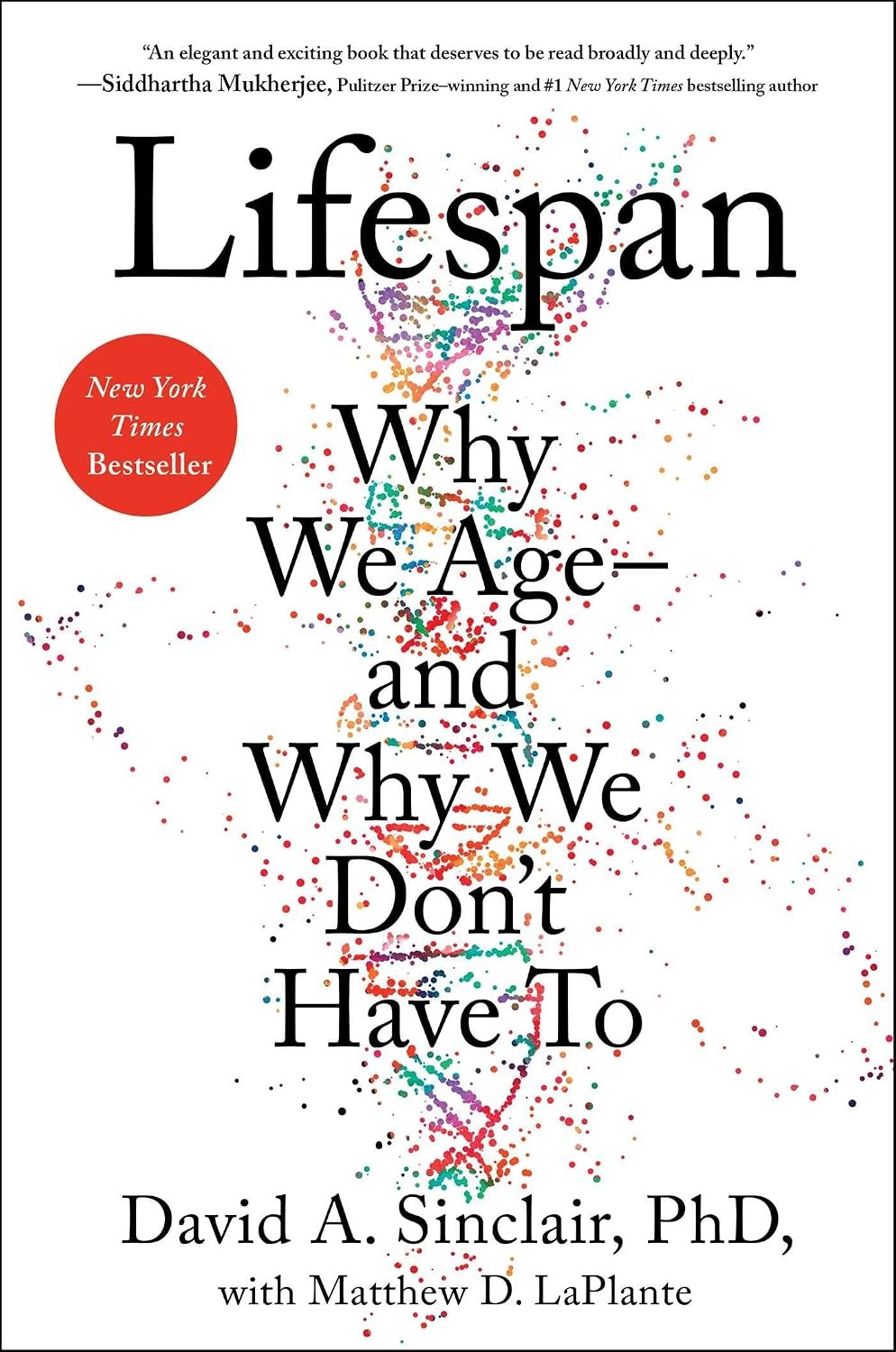 Supplements
David Sinclair & Longevity Science: The Complete Guide
Harvard geneticist David Sinclair changed public conversation with Lifespan (2019): aging as treatable, NAD+ and sirtuins as levers, fasting and cold as free drugs. This guide explains his research fairly, maps his personal stack, includes longevity-friendly recipes, and links Lifespan editions on Amazon.
Read guide Diagnostics & Testing
Continuous Glucose Monitoring: The Complete Guide
A continuous glucose monitor (CGM) reveals how YOUR body responds to food in real-time, not population averages. Dave Asprey calls it the most impactful health tool he's used. This guide covers how CGMs work, what you'll learn, and how to use the data to optimize energy, weight, and long-term metabolic health.
Read guideSupplementsRapamycin: The Complete Guide
Rapamycin (sirolimus) is an mTOR inhibitor with the strongest animal lifespan data in the NIA Interventions Testing Program. Longevity clinics now discuss intermittent, physician-supervised use. This guide covers the science, what human trials actually show, risks, and why it does not belong in a self-serve supplement drawer.
Read guidePeptidesGLP-1 Agonists: The Complete Guide
GLP-1 receptor agonists (semaglutide, liraglutide) and dual agonists (tirzepatide) moved from diabetes clinics into mainstream weight and metabolic culture. For biohackers, the live questions are muscle loss, rebound weight, nutrient quality, and whether a peptide drug belongs next to Zone 2 and protein. This is a map of the evidence — not a shortcut to a vial.
Read guideSupplementsIntermittent Fasting: The Complete Guide
Intermittent fasting (IF) is one of the most practiced biohacks worldwide, popularized by Dave Asprey's Bulletproof approach and validated by decades of metabolic research. This guide covers 16:8 vs OMAD, ketosis timing, autophagy windows, and who should avoid fasting.
Read guide Diagnostics & Testing
Blood Panel Testing: The Complete Guide
Annual bloodwork is the foundation of data-driven biohacking. Peter Attia's framework prioritizes ApoB, insulin, HbA1c, and inflammatory markers over standard lipid panels. This guide covers what to test, how often, where to order, and how to interpret results.
Read guideLast updated: 2026-08-23 · For informational purposes only. Not medical advice. Consult a healthcare provider before starting any new health protocol. Health disclaimer.