
Bone Density for Longevity: The Complete Guide
DEXA T-scores, lifting heavy, D3/K2, and why frailty kills more quietly than heart disease
Bone is living tissue that responds to load. Osteoporosis and sarcopenia together drive falls, fractures, and loss of independence — the outcome Peter Attia calls 'the marginal decade.' This guide covers DEXA interpretation, resistance training, calcium/vitamin D/K2, and who needs medical treatment beyond lifestyle.
Frequency
DEXA every 2 years if at risk
Duration
Lifelong
Level
Beginner

Key Takeaways
- 1DEXA T-score ≤ -2.5 defines osteoporosis; Z-score compares to age-matched peers — know both
- 2Heavy-ish lifting and impact (jumps, rucking) stimulate osteogenesis; walking alone is insufficient for peak bone
- 3Vitamin D + K2 support calcium routing; protein adequacy matters for bone matrix — see protein-longevity
- 4Post-menopausal women and older men are highest priority for screening; meds are Rx territory
Who this is for
- ·Adults over 50 who lift but never checked DEXA
- ·Women in perimenopause planning ahead
- ·People on long-term PPIs or glucocorticoids (bone risk)
- ·Biohackers pairing body comp tracking with structural health
Why Bone Density Is a Longevity Marker
Hip fracture mortality in older adults rivals some cancers. The path starts decades earlier with low peak bone mass, sedentary years, and hormonal shifts.
Biohackers track ApoB and VO₂ max; bone is the structural chassis those systems ride in. Frailty is the failure mode when muscle and bone both decline.
The Science
Strong EvidenceWolff's law: bone adapts to mechanical load. Progressive resistance training increases bone mineral density at the spine and hip in RCTs, especially when combined with adequate protein and calcium intake.
Vitamin D deficiency impairs calcium absorption; K2 (MK-7) may support directing calcium to bone vs soft tissue — human outcome data are mixed but mechanistically plausible.
DEXA: low radiation scan of hip and spine. T-score for post-menopausal women and men 50+; Z-score for premenopausal women and younger men.
- ·Strong: resistance training improves BMD in many populations
- ·Strong: DEXA screening in at-risk groups per guidelines
- ·Moderate: vitamin D correction when deficient
- ·Moderate: K2 as adjunct — not a solo fix
The Protocol
Strong EvidenceScreen: DEXA baseline at 50 (women) or if risk factors — family history, steroids, low BMI, prior fracture.
Train: 2–4× weekly lifting with axial loading — squats, deadlifts, carries, rucking. See strength-training-longevity and rucking guides.
Nutrients: 1.6g/kg protein; calcium from food (~1000–1200mg/day adults); vitamin D to sufficiency (often 2000–5000 IU D3 with labs); K2 100–200mcg if supplementing D3 long-term — Thorne D3+K2 is a common Amazon stack.
Retest DEXA every 2 years if borderline or improving lifestyle.
- ·DEXA baseline + periodic retest
- ·Lift heavy enough to load spine and hips
- ·Protein + D3/K2 + dietary calcium
- ·Discuss bisphosphonates with MD if T-score warrants
What to Expect
BMD changes slowly — 12–24 months to see measurable DEXA shifts from training alone.
Strength and balance improve faster — fall risk drops before scan numbers move.
Risks & Cost
Strong EvidenceHigh-impact and heavy lifting need progression if osteoporotic — medical clearance and supervised programs for T-score ≤ -2.5.
DEXA ~$75–150. Withings scales estimate bone mass poorly — use clinical DEXA.
Community Consensus
r/longevity woke up to bone after Attia's frailty framing. Lifters assumed squats were enough — DEXA surprises happen. Consensus: lift, scan, do not wait for a fall.
As an Amazon Associate, Reo Tuku Iho Limited earns from qualifying purchases through Amazon links on this site. Full disclosure
Sources
Key references cited in this guide. Links open the original publication or abstract.
- Effects of resistance exercise on bone mineral density in premenopausal womenJ Bone Miner Metab, 2014
- Physical activity and osteoporotic fractureOsteoporos Int, 2004
Continue Reading
Wearables & TrackersStrength Training for Longevity: The Complete Guide
Cardio gets the longevity headlines, but muscle mass, strength, and power are among the strongest predictors of healthy aging. This guide covers why resistance training belongs next to Zone 2, how much is enough, and a beginner-to-intermediate protocol that still works at 70.
Read guide Supplements
Protein for Longevity: The Complete Guide
Protein is the most under-discussed longevity lever after sleep and training. Too little accelerates sarcopenia; the right amount supports muscle, bone, and metabolic health into older decades. This guide covers g/kg targets, meal distribution, and how protein needs change on GLP-1s and during fat loss.
Read guide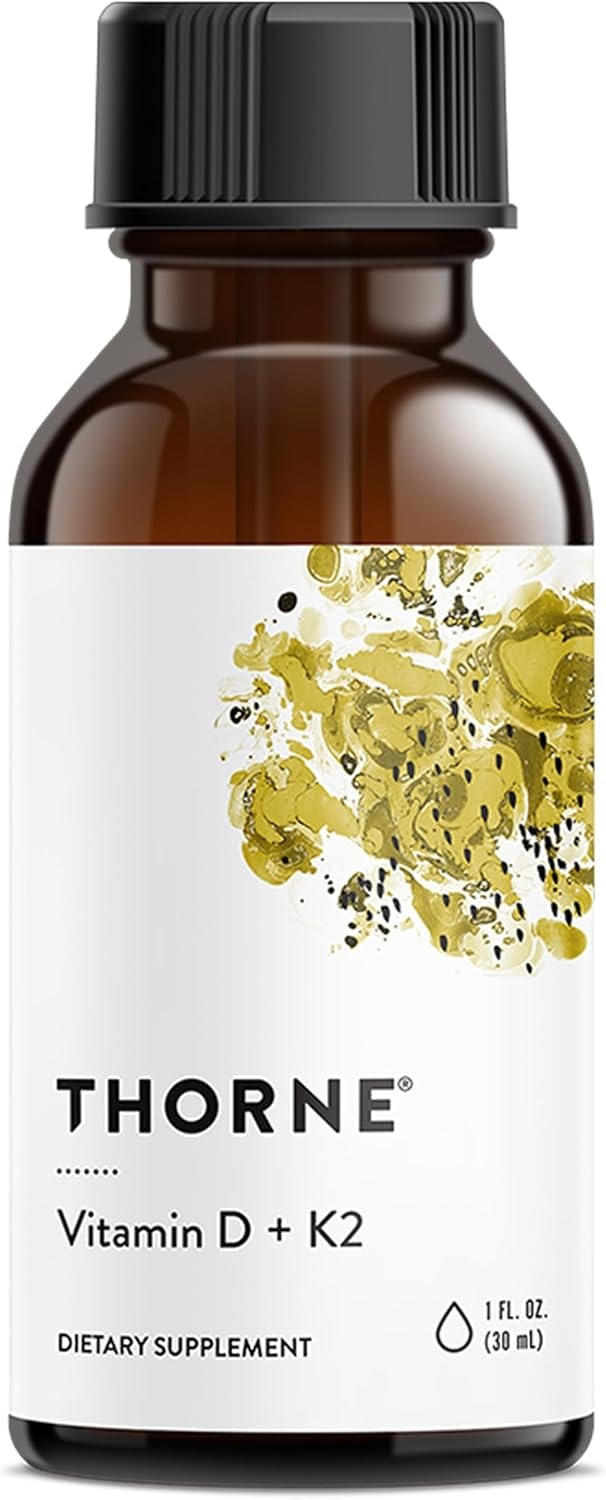 Supplements
Vitamin D: The Complete Guide
Vitamin D is technically a hormone, involved in immunity, bone health, mood, and 200+ gene expressions. Deficiency affects ~40% of adults in temperate climates. This guide covers testing, dosing, K2 pairing, and sun vs supplement tradeoffs.
Read guideSupplementsVitamin K2: The Complete Guide
Vitamin K2 activates proteins that direct calcium into bones and teeth while preventing arterial calcification. It's the essential partner to vitamin D3 supplementation. This guide covers MK-4 vs MK-7 forms, dosing, and why D3 without K2 may be incomplete.
Read guide Wearables & Trackers
Rucking: The Complete Guide
Rucking is walking with a weighted pack — military in origin, longevity-friendly in practice. It builds aerobic base, leg and core strength, and bone loading without the injury profile of running. This guide covers load progression, heart rate targets, and gear.
Read guide Diagnostics & Testing
Balance and Fall Prevention: The Complete Guide
Falls are how a lot of healthspan actually ends: fracture, immobility, then everything else. Balance is trainable and it moves faster than a DEXA score. This guide is single-leg stance, lower-body strength, grip, and when dizziness is a clinician problem. A Captain of Crush gripper is optional. A clear floor is not.
Read guide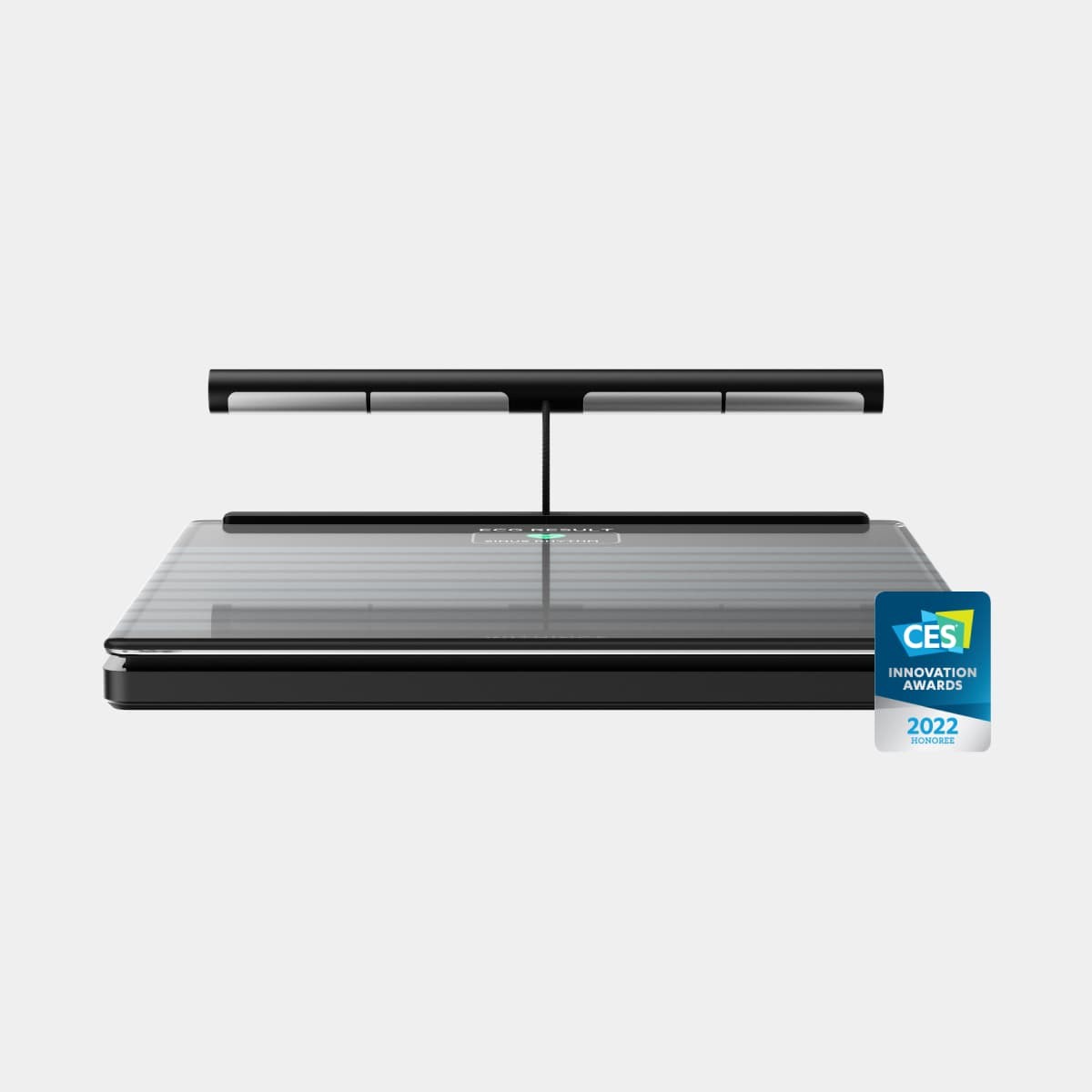 Diagnostics & Testing
DEXA vs Ultrasound, Skinfold, and Waist Size
DEXA is the clinic scan that separates fat, lean tissue, and bone. Ultrasound and skinfold calipers estimate fat under the skin and are useful between scans. Waist circumference is the free check. A smart scale is only a trend line. Weight alone misleads people on GLP-1s, creatine, or a new lifting program.
Read guideLast updated: 2026-08-23 · For informational purposes only. Not medical advice. Consult a healthcare provider before starting any new health protocol. Health disclaimer.