
Balance and Fall Prevention: The Complete Guide
The longevity skill that shows up before a hip fracture — stance, strength, and a counter nearby
Falls are how a lot of healthspan actually ends: fracture, immobility, then everything else. Balance is trainable and it moves faster than a DEXA score. This guide is single-leg stance, lower-body strength, grip, and when dizziness is a clinician problem. A Captain of Crush gripper is optional. A clear floor is not.
Frequency
Most days, 5–10 minutes, plus 2–3 strength sessions a week
Duration
Ongoing — this is a skill, not a cycle
Level
Beginner

Key Takeaways
- 1Practice single-leg stance next to a counter, shoes off, most days
- 2Falls drop when legs get stronger, not when you buy a wobble board first
- 3Grip, vision, and blood-pressure meds belong in the same conversation
- 4Sudden vertigo, fainting, or a fall with a head hit is urgent care
Who this is for
- ·Anyone whose parent has already fallen once
- ·Readers of the grip and bone-density guides who only train muscles they can see
- ·People who can deadlift and cannot stand on one foot for 10 seconds
Why Balance Is a Healthspan Metric
Strong EvidenceHip fracture after a fall is a common path from independent to not. Bone density matters, and so does not falling. Strength, balance, and a home without loose rugs move risk in the same direction.
Inability to stand on one leg for about 10 seconds is a useful screen in older adults, not a diagnosis. If you fail it, train it. If you fail it and also feel dizzy or faint, get that checked.
What to Practice
Strong EvidenceStand near a counter. Shift onto one foot, keep the hip level, and hold. Add time before you add eyes-closed or an unstable surface. Tandem stance (heel to toe) is the easier step if single-leg is chaotic.
Load the legs: sit-to-stand, step-ups, carries, and the strength-training guide. Grip work and rucking carry over because you have to organize your feet while holding something. A gripper does not replace the stance practice.
- ·Daily stance practice with a handhold in reach
- ·Two or more weekly sessions that load legs and hips
- ·Fix vision, footwear, and floor clutter in the same month
- ·Review sedating meds and blood pressure with a clinician if you are unsteady
Skip
Moderate EvidenceA balance board in the middle of the room on day one. Treating new spinning vertigo, a one-sided weak leg, or repeated unexplained falls as a YouTube progression. Those are medical, not a harder pose.
As an Amazon Associate, Reo Tuku Iho Limited earns from qualifying purchases through Amazon links on this site. Full disclosure
Sources
Key references cited in this guide. Links open the original publication or abstract.
- FallsMedlinePlus, 2024
- Falls Prevention in Community-Dwelling Older Adults: InterventionsUSPSTF, 2024
Continue Reading
Diagnostics & TestingGrip Strength & Longevity: The Complete Guide
Handgrip strength is one of the cheapest, best-replicated biomarkers of all-cause mortality and functional aging. It is a marker of whole-body muscle and neuromuscular integrity — not a magic hand muscle. This guide covers how to measure it, what ‘good’ looks like, and how farmers carries and dead hangs beat cheap squeeze rings as the only plan.
Read guide Diagnostics & Testing
Bone Density for Longevity: The Complete Guide
Bone is living tissue that responds to load. Osteoporosis and sarcopenia together drive falls, fractures, and loss of independence — the outcome Peter Attia calls 'the marginal decade.' This guide covers DEXA interpretation, resistance training, calcium/vitamin D/K2, and who needs medical treatment beyond lifestyle.
Read guideWearables & TrackersStrength Training for Longevity: The Complete Guide
Cardio gets the longevity headlines, but muscle mass, strength, and power are among the strongest predictors of healthy aging. This guide covers why resistance training belongs next to Zone 2, how much is enough, and a beginner-to-intermediate protocol that still works at 70.
Read guide Diagnostics & Testing
DEXA Scan for Longevity: The Complete Guide
Dual-energy X-ray absorptiometry is the clinical standard for bone mineral density and a useful whole-body composition test (lean mass, fat, visceral adipose). Attia and sports-medicine clinics use it as a periodic snapshot. This guide covers what to book, how to prepare, how often to repeat, and what to do with the PDF.
Read guide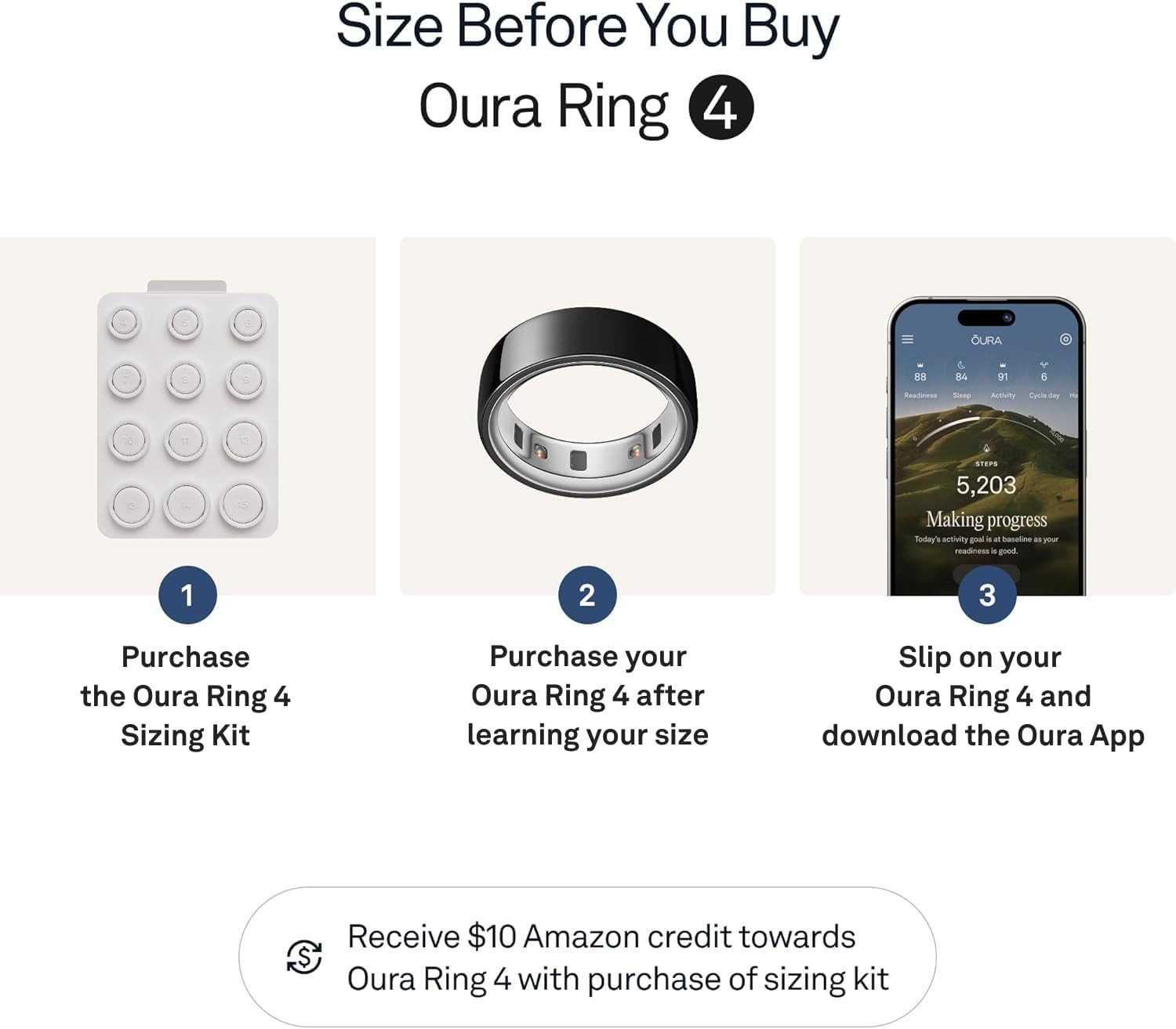 Wearables & Trackers
Daily Walking for Longevity: The Complete Guide
Walking is the highest-ROI movement habit in longevity medicine: lower all-cause mortality, better glucose control, and cognitive benefits — with zero equipment required. This guide separates step-count hype from structured Zone 2, and how wearables should track both.
Read guide Wearables & Trackers
Rucking: The Complete Guide
Rucking is walking with a weighted pack — military in origin, longevity-friendly in practice. It builds aerobic base, leg and core strength, and bone loading without the injury profile of running. This guide covers load progression, heart rate targets, and gear.
Read guide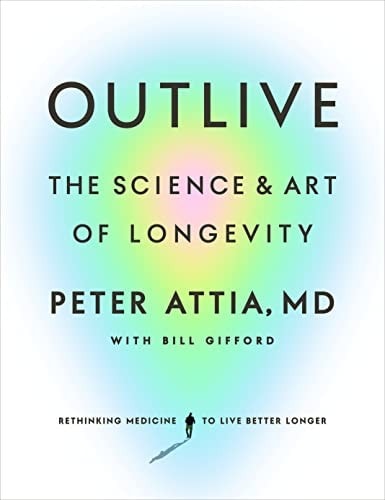 Supplements
Peter Attia & Outlive: The Complete Guide
Peter Attia’s Outlive (2023) is the most useful popular longevity book of the decade: delay the Four Horsemen (atherosclerosis, cancer, neurodegeneration, metabolic disease) with exercise, lipids, sleep, and emotional health — not a supplement haul. This guide translates the book into a sequence you can actually run, and links the hardcover on Amazon.
Read guideLast updated: 2026-10-15 · For informational purposes only. Not medical advice. Consult a healthcare provider before starting any new health protocol. Health disclaimer.