
Protein for Longevity: The Complete Guide
How much you actually need, leucine thresholds, and why GLP-1 users and lifters share the same problem
Protein is the most under-discussed longevity lever after sleep and training. Too little accelerates sarcopenia; the right amount supports muscle, bone, and metabolic health into older decades. This guide covers g/kg targets, meal distribution, and how protein needs change on GLP-1s and during fat loss.
Health Disclaimer
This content is for general informational and educational purposes only. It is not medical advice, diagnosis, or treatment. Consult a qualified healthcare provider before starting any supplement, peptide, or health protocol. Read our full health disclaimer.
Frequency
Daily
Duration
Ongoing
Level
Beginner

Key Takeaways
- 1Most longevity-focused adults benefit from 1.6–2.2g protein per kg body weight daily when training
- 2Older adults (65+) often need more per meal — ~2.5–3g leucine per feeding to trigger muscle protein synthesis
- 3GLP-1 users who eat less total food must prioritize protein density or lose lean mass
- 4Whole food first; whey or collagen are tools, not replacements for a protein-adequate diet
Who this is for
- ·People starting strength training who only track steps
- ·GLP-1 or aggressive fasting users watching the scale drop
- ·Adults over 50 preventing sarcopenia
- ·Vegetarians and vegans unsure if they hit enough leucine
Why Protein Is a Longevity Nutrient
Longevity culture sometimes treats protein as a bodybuilding concern. That framing is backwards. Muscle mass, bone density, immune function, and wound healing all depend on amino acid availability — and all decline faster when protein is chronically low.
Peter Attia and geriatric research both emphasize that the last decade of life is often lost to frailty, not heart disease. Frailty is partly a protein-and-training problem. Zone 2 builds the engine; protein and lifting build the chassis.
The Science
Strong EvidenceMuscle protein synthesis (MPS): resistance training plus adequate protein stimulates MPS. Meta-analyses support ~1.6g/kg/day as a practical minimum for trained adults, with many lifters and older adults doing better toward 2.0–2.2g/kg.
Anabolic resistance: aging muscle responds less to a given protein dose. A 25-year-old may trigger MPS with 20g whey; a 70-year-old may need 30–40g with higher leucine content. This is why 'just eat normally' fails many older biohackers.
Fat loss and GLP-1s: when total calories fall, the body sheds both fat and muscle unless protein stays high and lifting continues. Scale weight going down while strength goes down is a bad trade.
- ·Strong: protein + resistance training for muscle and function in aging
- ·Strong: higher protein during fat loss preserves lean mass
- ·Moderate: exact leucine gram targets by age
- ·Context: kidney disease requires medical protein limits — not 'more is always better'
The Protocol
Strong EvidenceBaseline: 1.6g/kg/day if you lift 2–4× weekly. Round up to 2.0g/kg if you are over 60, in a cut, or on appetite-suppressing medication.
Per meal: aim for 30–40g protein at lunch and dinner minimum; breakfast matters if you train in the morning. Spread intake across 3–4 feedings rather than one giant dinner.
Sources: eggs, Greek yogurt, fish, poultry, lean beef, tofu/tempeh, legumes plus grains. Whey or casein fill gaps; collagen supports connective tissue but is not a complete muscle protein on its own.
On GLP-1s: eat protein first at every meal, track grams for two weeks, and keep lifting. Appetite will lie to you about adequacy.
- ·1.6–2.2g/kg/day for most training adults
- ·30–40g protein per main meal
- ·Protein-first plate when calories are restricted
- ·Creatine 5g/day stacks well — see creatine guide
What to Expect
Weeks 1–2: better satiety, possibly better recovery from lifting. Scale may not move — you are adding structural tissue, not necessarily losing fat yet.
Months 2–4: strength trends up on the log. Clothes fit differently even if weight is stable. CGM users often see smoother post-meal glucose when protein replaces refined carbs.
Long term: the win is still squatting, hiking, and carrying luggage at 75 — not a macro badge.
Risks & Common Mistakes
Strong EvidenceKidney disease: high protein can be harmful with advanced CKD. Healthy kidneys generally tolerate high protein in research; still get labs if you have risk factors.
Only shakes: ultra-processed protein bars without whole food miss micronutrients and fiber. Use powders as supplements, not the whole diet.
Ignoring training: protein without progressive overload does not build muscle. The protocol is always protein plus lifting.
Community Consensus
r/Fitness and r/longevity converged: 'eat more protein' is the boring answer that works. Attia listeners pair this with strength-training-longevity and zone-2-cardio guides.
Vegan biohackers debate leucine completeness — combining legumes, soy, and strategic supplementation is the usual fix, not ignoring the numbers.
As an Amazon Associate, Reo Tuku Iho Limited earns from qualifying purchases through Amazon links on this site. Full disclosure
For educational purposes only. Not medical advice. Read our health disclaimer.
Sources
Key references cited in this guide. Links open the original publication or abstract.
- A systematic review, meta-analysis and meta-regression of the effect of protein supplementation on resistance training-induced gains in muscle mass and strength in healthy adultsBr J Sports Med, 2018
- Protein intake and muscle health in old age: from biological plausibility to clinical evidenceNutrients, 2021
Continue Reading
 Wearables & Trackers
Strength Training for Longevity: The Complete Guide
Cardio gets the longevity headlines, but muscle mass, strength, and power are among the strongest predictors of healthy aging. This guide covers why resistance training belongs next to Zone 2, how much is enough, and a beginner-to-intermediate protocol that still works at 70.
Read guide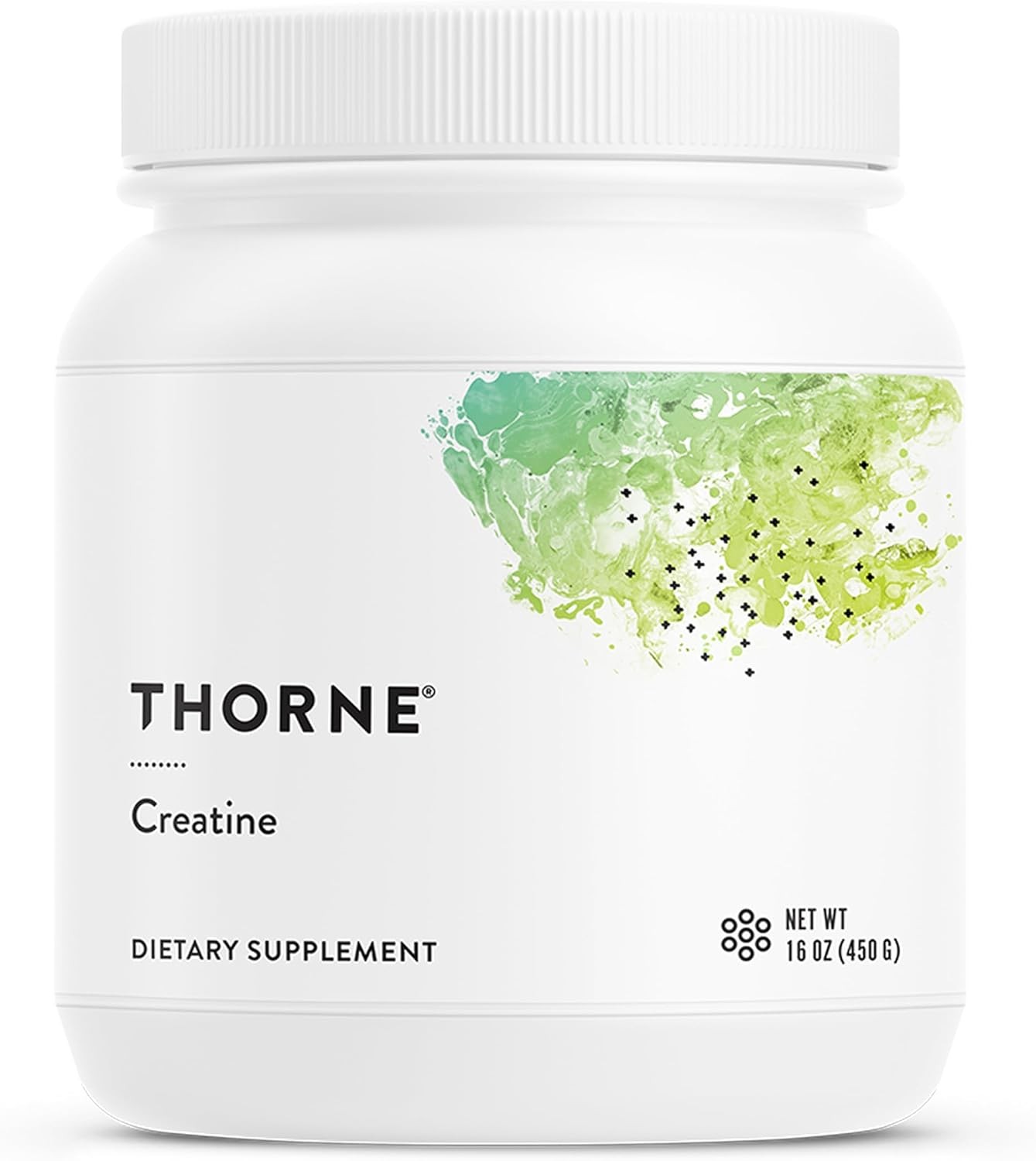 Supplements
Creatine Dose: 5g Daily for Muscle, Bone, and Brain
Take 5 g of creatine monohydrate every day for muscle, bone, and brain. You do not need a separate higher daily dose for bone — the bone research is still early and is studied with lifting, at ordinary doses. Some short brain studies use about 10–20 g a day, split up. That is a research protocol, not the daily dose this guide uses. Saturation from 5 g a day is the default.
Read guide Peptides
GLP-1 Agonists: The Complete Guide
GLP-1 receptor agonists (semaglutide, liraglutide) and dual agonists (tirzepatide) moved from diabetes clinics into mainstream weight and metabolic culture. For biohackers, the live questions are muscle loss, rebound weight, nutrient quality, and whether a peptide drug belongs next to Zone 2 and protein. This is a map of the evidence — not a shortcut to a vial.
Read guideSupplementsIntermittent Fasting: The Complete Guide
Intermittent fasting (IF) is one of the most practiced biohacks worldwide, popularized by Dave Asprey's Bulletproof approach and validated by decades of metabolic research. This guide covers 16:8 vs OMAD, ketosis timing, autophagy windows, and who should avoid fasting.
Read guide Supplements
Collagen Peptides: The Complete Guide
Collagen peptides are hydrolyzed collagen protein supplements supporting skin elasticity, joint comfort, and gut lining integrity. They're also a significant dietary source of glycine. This guide covers types, dosing, evidence quality, and how collagen fits a biohacking stack.
Read guide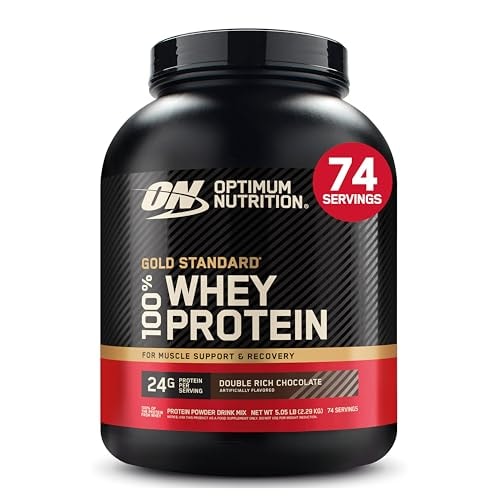 Supplements
Best Protein Powder: The Buying Guide
Protein powder is a convenience layer on top of food, not a longevity molecule. Whey is the default if you tolerate dairy. Collagen is glycine and joints, not a complete muscle protein. This buying guide picks Optimum Nutrition whey and Vital Proteins collagen and tells you when to skip powder entirely.
Read guideSupplementsBest Collagen: The Buying Guide
Collagen peptides are a glycine-rich, incomplete protein with modest skin and joint trial data. Shopping is easy: hydrolyzed peptides that dissolve, not a $70 beauty tin. This buying guide picks Vital Proteins and tells you to keep vitamin C and a complete protein in the same kitchen.
Read guide Wearables & Trackers
Zone 2 Heart Rate Chart: Attia Targets by Age
Peter Attia does not publish a single official zone 2 heart rate chart. He uses a talk test, and in a lab a lactate reading near 2 mmol/L. The chart below is the practical substitute: a Maffetone ceiling of 180 minus age, next to 60–70% of estimated max heart rate. Stay under the ceiling only if you can still speak in full sentences, for 3–4 hours a week.
Read guide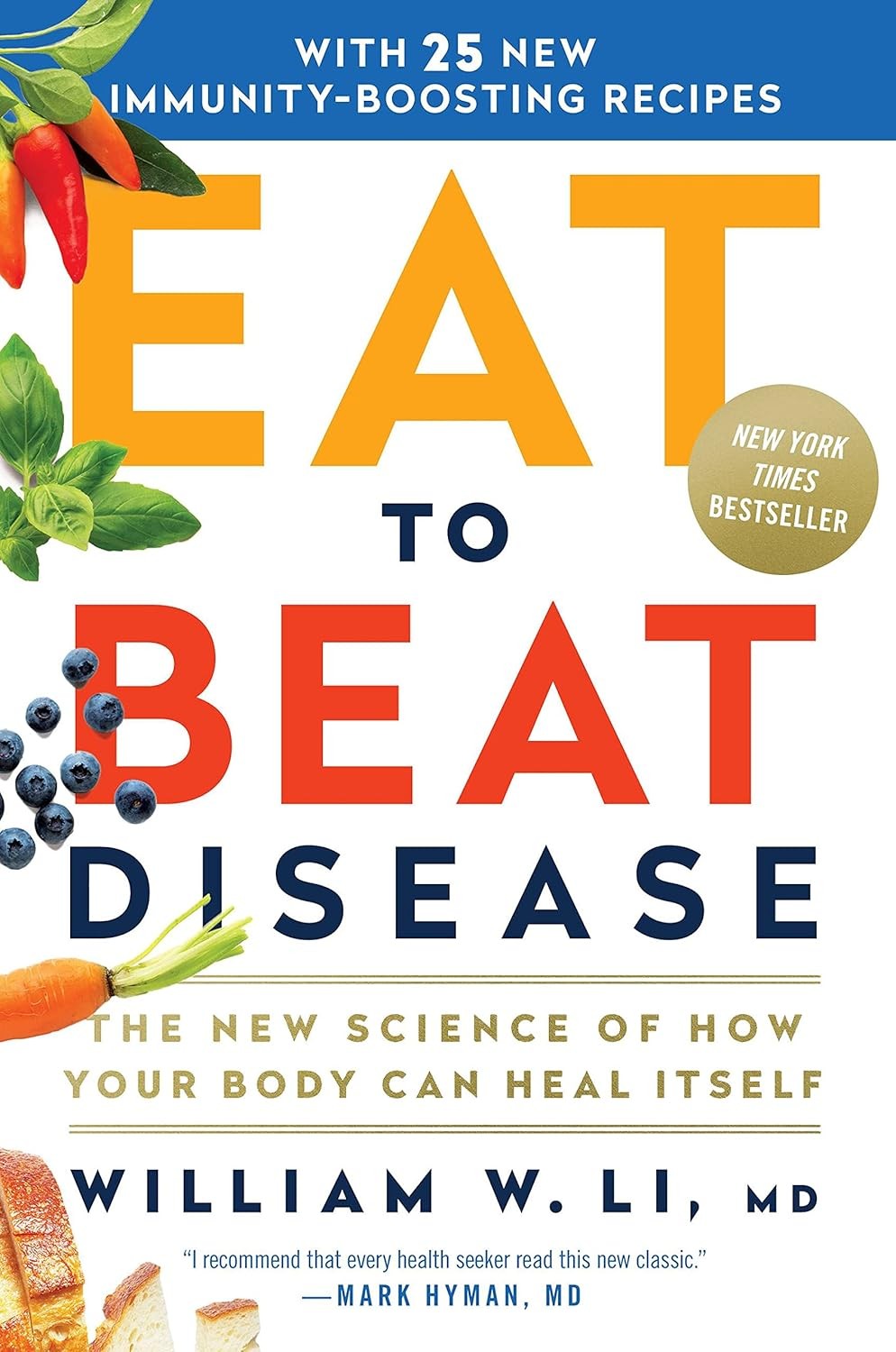 Supplements
William Li & Eat to Beat: The Complete Guide
Physician-scientist William W. Li, MD, made angiogenesis — how the body grows and prunes blood vessels — a household idea with his TED talk and Eat to Beat Disease. This guide explains his five defense systems fairly, maps the 5×5×5 add-foods framework, includes practical recipes, and links his books on Amazon.
Read guideLast updated: 2026-08-23 · For informational purposes only. Not medical advice. Consult a healthcare provider before starting any new health protocol. Health disclaimer.