
Rucking: The Complete Guide
Weighted walking for VO₂ max, bone density, and the cheapest strength-endurance hack
Rucking is walking with a weighted pack — military in origin, longevity-friendly in practice. It builds aerobic base, leg and core strength, and bone loading without the injury profile of running. This guide covers load progression, heart rate targets, and gear.
Frequency
2–4× weekly
Duration
30–60 minutes
Level
Beginner

Key Takeaways
- 1Start at 10–15% body weight for 20–30 minutes; progress load before speed
- 2Zone 2 heart rate applies — you should still hold a conversation on flats
- 3Bone and tendon stimulus exceeds plain walking; complements lifting and VO₂ max work
- 4Flat-soled shoes, hip belt, and sternum strap matter more than expensive plates
Who this is for
- ·Runners who need low-impact cardio alternatives
- ·People who walk daily but want progressive overload
- ·Outdoor biohackers stacking sunlight and steps
- ·Older adults building bone density with controlled load
What Is Rucking?
Rucking means walking with a loaded backpack (ruck). Weight adds metabolic cost and musculoskeletal demand without the ground-reaction forces of jogging.
It sits between daily walking and hiking with a full pack — predictable, repeatable, and easy to dose by pounds on your back.
The Science
Moderate EvidenceWeighted walking increases energy expenditure linearly with load and elevates heart rate at a given pace — useful for Zone 2 training when running is contraindicated.
Bone: impact and load stimulate osteogenesis. Walking alone helps; weighted walking adds mechanical stimulus to hips and spine when progressed gradually.
Injury profile: lower than running for many people if load ramps slowly and footwear is stable. Knee and back issues still need individual assessment.
- ·Moderate: elevated caloric burn and cardiovascular load vs unweighted walking
- ·Moderate: bone health benefits from loaded ambulation
- ·Strong: low-impact alternative for aerobic base building
- ·Context: not a substitute for heavy squats for maximal strength
The Protocol
Moderate EvidenceWeek 1–2: 10–20 lb (or ~10% body weight) for 20–30 min on flat terrain. Heart rate in Zone 2 if tracking with Polar H10 or chest strap.
Progress: add 5 lb every 1–2 weeks OR add 10 minutes before adding load. Cap recreational rucks around 35–45 lb unless training for an event.
Frequency: 2–4× weekly on non-consecutive days or after upper-body lifting days.
Posture: stand tall, pack high on back, use hip belt. Soft ground (trails) reduces joint stress vs concrete.
- ·Start ~10% body weight, 20–30 min
- ·Zone 2 pace — nasal breathing on flats if possible
- ·Progress load slowly; shoes with stable base
- ·Electrolytes on hot days — see electrolytes-sodium guide
What to Expect
First sessions: traps and core fatigue more than legs. DOMS in erectors is common if you slouch.
Weeks 4–8: same weight feels easier; heart rate at a given pace drops — classic aerobic adaptation.
Risks & Cost
Moderate EvidenceBack pain from too much load too soon — drop weight 30% and rebuild. Disc issues and active sciatica need clinician clearance.
Cost: any sturdy backpack plus weight plates or sandbags ($50–200). Dedicated rucksacks (GORUCK etc.) are optional upgrades. Track with Garmin or Oura for steps and HR.
Community Consensus
Attia and r/longevity recommend rucking as 'Zone 2 with benefits.' Running purists call it slow; lifters call it cardio that does not steal recovery. Both can be right.
As an Amazon Associate, Reo Tuku Iho Limited earns from qualifying purchases through Amazon links on this site. Full disclosure
Sources
Key references cited in this guide. Links open the original publication or abstract.
- Energy cost of loaded walkingMed Sci Sports Exerc, 2004
- Effects of walking with hand weights on energy expenditureJ Sports Sci Med, 2013
Continue Reading
 Tools & Equipment
Michael Easter & The Comfort Crisis: The Complete Guide
The Comfort Crisis (2021) is the popular case that climate-controlled, overfed life makes you fragile. The protocol that sticks is weighted walking plus outdoor time. This guide extracts the ruck practice and leaves the 33-day hunt as optional memoir.
Read guide Tools & Equipment
Kelly Starrett & Built to Move: The Complete Guide
Built to Move (2023) is The Ready State for people who sit. Ten screens plus ten daily practices — breath, steps, range, sleep. This guide extracts the tests you will actually repeat and pairs the book with a foam roller and a walking habit.
Read guide Wearables & Trackers
Daily Walking for Longevity: The Complete Guide
Walking is the highest-ROI movement habit in longevity medicine: lower all-cause mortality, better glucose control, and cognitive benefits — with zero equipment required. This guide separates step-count hype from structured Zone 2, and how wearables should track both.
Read guide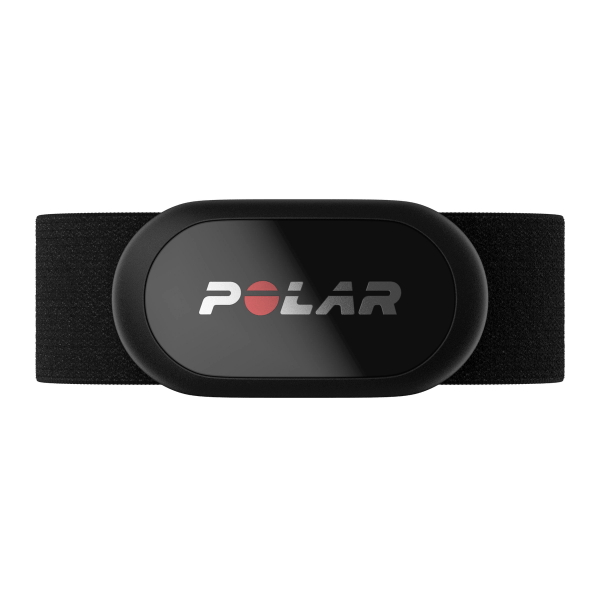 Wearables & Trackers
Zone 2 Heart Rate Chart: Attia Targets by Age
Peter Attia does not publish a single official zone 2 heart rate chart. He uses a talk test, and in a lab a lactate reading near 2 mmol/L. The chart below is the practical substitute: a Maffetone ceiling of 180 minus age, next to 60–70% of estimated max heart rate. Stay under the ceiling only if you can still speak in full sentences, for 3–4 hours a week.
Read guideDiagnostics & TestingVO2 Max: The Complete Guide
VO₂ max — the maximum rate at which you can use oxygen — is one of the best-studied predictors of all-cause mortality. Peter Attia calls it a vital sign. This guide covers lab testing vs wearable estimates, what 'good' looks like by age, and a training mix of Zone 2 plus intervals.
Read guide Wearables & Trackers
Strength Training for Longevity: The Complete Guide
Cardio gets the longevity headlines, but muscle mass, strength, and power are among the strongest predictors of healthy aging. This guide covers why resistance training belongs next to Zone 2, how much is enough, and a beginner-to-intermediate protocol that still works at 70.
Read guide Supplements
Electrolytes & Sodium: The Complete Guide
Electrolytes are the boring infrastructure of biohacking: blood volume, nerve firing, muscle contraction, and how you feel in heat and on low-carb diets. This guide covers sodium, potassium, magnesium synergy, who needs more than RDA sodium, and when LMNT-style packets beat plain water.
Read guideWearables & TrackersHRV & Recovery Tracking: The Complete Guide
Heart rate variability (HRV) is the most actionable biometric for biohackers, it tells you when to push hard and when to rest. This guide explains what HRV means, how Oura and WHOOP use it, lifestyle factors that destroy recovery, and how to actually use the data. Ready to buy? See Oura vs WHOOP or Garmin vs Oura vs WHOOP.
Read guideLast updated: 2026-08-23 · For informational purposes only. Not medical advice. Consult a healthcare provider before starting any new health protocol. Health disclaimer.