
Countertop Water Purifiers: The Complete Guide
AquaTru, Waterdrop RO, Berkey gravity — NSF claims, microplastics, and what to buy
Tap water quality varies by municipality; microplastics and PFAS are 2026 headline concerns. Countertop systems deliver filtered or reverse-osmosis water without a plumber. This guide compares RO vs gravity filters, maintenance, and Amazon-available models.
Frequency
Daily drinking water
Duration
Ongoing
Level
Beginner

Key Takeaways
- 1Reverse osmosis removes most dissolved solids, fluoride, and many PFAS — wastes some water in the process
- 2Berkey-style gravity filters excel at portability and no electricity — verify third-party test data for your contaminants
- 3Filter replacement schedules matter more than initial purchase price
- 4Pair with microplastics guide for plastic-bottle avoidance — filter the tap, carry stainless
Who this is for
- ·Renters who cannot install under-sink RO
- ·Families upgrading from Brita pitchers
- ·People in areas with PFAS or lead advisories
- ·Biohackers completing environmental-health stack
Why Countertop Filtration?
Under-sink RO is ideal but often forbidden in rentals. Countertop RO (AquaTru, Waterdrop) and gravity filters (Berkey) sit on the counter and move with you.
Bottled water adds cost and plastic exposure — filtration is the long-term fix for daily hydration and cooking water.
The Science
Moderate EvidenceContaminants of concern: lead (old pipes), PFAS ('forever chemicals'), nitrates, microplastics, chlorine byproducts. RO membranes reject most dissolved ions and many large organic molecules.
NSF/ANSI certifications (42, 53, 58, 401) indicate tested reduction claims — verify on each product, not marketing adjectives.
Mineral removal: RO water is stripped — some users remineralize for taste; health impact of low-mineral RO water is debated for otherwise well-nourished adults.
- ·Strong: activated carbon reduces chlorine taste and some VOCs
- ·Strong: RO for broad contaminant reduction when certified
- ·Emerging: microplastic reduction data varies by filter type
- ·Check: local water quality report (annual consumer confidence report)
The Protocol
Moderate EvidenceStep 1: Read your city water CCR or use EWG tap water database. Match filter type to actual threats (lead vs PFAS vs taste).
Step 2: Pick tier — pitcher upgrade (insufficient for PFAS), gravity (Berkey), or countertop RO (AquaTru, Waterdrop G3P800).
Step 3: Set calendar reminders for filter changes. RO membranes last years; pre/carbon filters need 6–12 month swaps.
Step 4: Store drinking water in glass or steel — see microplastics guide.
- ·Match filter to local contaminants
- ·RO for PFAS/heavy metals priority
- ·Replace filters on schedule
- ·See best-water-filter-biohacking for roundup
What to Expect
Immediate: taste difference from chlorine removal.
Maintenance: RO units need periodic descaling and filter swaps — budget $80–150/year.
Risks & Cost
Moderate EvidenceStagnant water in rarely used units can grow biofilm — flush after travel.
AquaTru ~$400–500; Waterdrop countertop RO similar; Berkey ~$300–400 plus filters. All have Amazon listings when in stock.
Community Consensus
r/Berkey and r/WaterFilter debate RO vs gravity endlessly. Biohacker consensus: RO for max reduction; Berkey for off-grid and renters who hate RO waste water.
As an Amazon Associate, Reo Tuku Iho Limited earns from qualifying purchases through Amazon links on this site. Full disclosure
Sources
Key references cited in this guide. Links open the original publication or abstract.
- PFAS exposure and removal by water treatmentEnviron Sci Technol, 2021
- Microplastics in drinking water: reviewCurr Opin Environ Sci Health, 2019
Continue Reading
Tools & EquipmentWater Filtration: PFAS, Fluoride & Home Systems
Tap water quality varies dramatically by region — PFAS ('forever chemicals'), lead, chlorine, fluoride, and microplastics are documented in municipal supplies globally. Water filtration is foundational environmental health, not optional biohacking. This guide compares gravity filters, reverse osmosis, and pitcher systems by what they actually remove.
Read guideTools & EquipmentAquaTru vs Waterdrop: Which Reverse Osmosis System to Buy
AquaTru and Waterdrop G3P800 both use reverse osmosis to cut PFAS, fluoride, and lead. AquaTru sits on the counter and needs no plumber. Waterdrop installs under the sink, runs faster, and is the system you buy when you own the kitchen. This page is that decision. For the wider filter map, including Berkey, see Best Water Filter.
Read guideTools & EquipmentBest Water Filter for Biohackers: Berkey vs AquaTru vs Waterdrop Compared
Tap water carries PFAS, fluoride, lead, and microplastics — biohackers filter drinking water for the same reason they filter air. This guide compares Berkey gravity filters, AquaTru countertop reverse osmosis, and Waterdrop under-sink tankless RO by contaminant removal, installation, and cost. For the science on filter types and regional water quality, see our Water Filtration guide.
Read guide Tools & Equipment
Microplastics: The Complete Guide
Microplastics and nanoplastics show up in water, food, air, and now human blood and placenta samples. The health impact is still being quantified, but exposure reduction is actionable today. This guide covers sources, what filters actually help, and a sane home protocol without plastic panic.
Read guide Tools & Equipment
Environmental Health: Air & Water Guide
You can't out-supplement a toxic environment. Indoor air quality, water contamination (PFAS, lead, chlorine), and EMF exposure are foundational biohacking concerns. This guide covers practical home upgrades ranked by impact and cost.
Read guide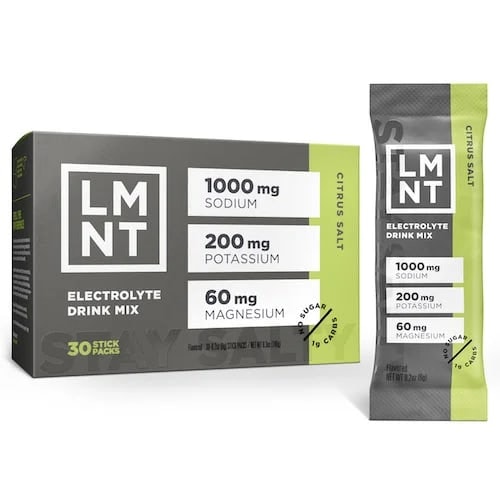 Supplements
Electrolytes & Sodium: The Complete Guide
Electrolytes are the boring infrastructure of biohacking: blood volume, nerve firing, muscle contraction, and how you feel in heat and on low-carb diets. This guide covers sodium, potassium, magnesium synergy, who needs more than RDA sodium, and when LMNT-style packets beat plain water.
Read guide Diagnostics & Testing
Gut Microbiome: The Complete Guide
Your gut microbiome, 100 trillion bacteria, influences immunity, mood, metabolism, and inflammation. Bryan Johnson tests his monthly. This guide covers microbiome testing, evidence-based interventions, and what actually moves the needle vs marketing.
Read guideLast updated: 2026-08-23 · For informational purposes only. Not medical advice. Consult a healthcare provider before starting any new health protocol. Health disclaimer.