
Electrolytes & Sodium: The Complete Guide
Why low-sodium advice fails athletes, fasters, and Zone 2 runners — and how to dose without overthinking
Electrolytes are the boring infrastructure of biohacking: blood volume, nerve firing, muscle contraction, and how you feel in heat and on low-carb diets. This guide covers sodium, potassium, magnesium synergy, who needs more than RDA sodium, and when LMNT-style packets beat plain water.
Health Disclaimer
This content is for general informational and educational purposes only. It is not medical advice, diagnosis, or treatment. Consult a qualified healthcare provider before starting any supplement, peptide, or health protocol. Read our full health disclaimer.
Frequency
Daily (training-dependent)
Duration
Ongoing
Level
Beginner
Key Takeaways
- 1Sedentary people on processed food already eat plenty of sodium; athletes, fasters, and low-carb eaters often need deliberate replacement
- 2Symptoms of under-replacement: headaches, cramps, dizziness on standing, flat Zone 2 sessions, and 'keto flu'
- 3Magnesium at night + sodium/potassium around training is a common stack — not megadoses of everything at once
- 4Hypertension is real — medical sodium limits apply; this guide is for healthy active adults optimizing performance
Who this is for
- ·People doing fasted cardio or sauna who feel wiped afterward
- ·Low-carb or carnivore eaters with headaches or cramps
- ·Heavy sweaters and summer Zone 2 runners
- ·Anyone replacing sugary sports drinks with a cleaner option
Why Electrolytes Matter for Longevity
Longevity culture focuses on molecules and devices, but dehydration and sodium depletion quietly wreck training consistency — and consistency is the longevity variable that compounds.
Sodium maintains plasma volume. Potassium and magnesium support cardiac rhythm and muscle relaxation. You cannot run a high VO₂ max program or sauna protocol on plain water if you are dumping salt in sweat.
The Science
Strong EvidenceExercise-associated hyponatremia (low blood sodium) is documented in endurance sport when athletes over-drink plain water. The opposite problem — inadequate replacement during heavy sweat losses — is more common in gym and sauna biohackers who fear salt.
Low-carb diets increase renal sodium excretion in the first weeks. Fasting and GLP-1-induced appetite suppression reduce food sodium intake without reducing sweat losses. Heat, altitude, and long Zone 2 sessions amplify the gap.
Magnesium is a separate but synergistic topic — see the magnesium guide. Electrolyte packets often pair sodium with potassium; magnesium is frequently taken separately at night.
- ·Strong: sodium replacement during prolonged heavy sweating
- ·Moderate: low-carb sodium needs in adaptation phase
- ·Context: hypertensive patients need clinician-guided limits
- ·Weak: 'everyone needs 5g sodium daily' — depends on diet and sweat
The Protocol
Moderate EvidenceBaseline eaters: if your diet includes restaurant food, deli meat, and snacks, you may need zero supplemental sodium on rest days. Start by noticing symptoms, not megadosing.
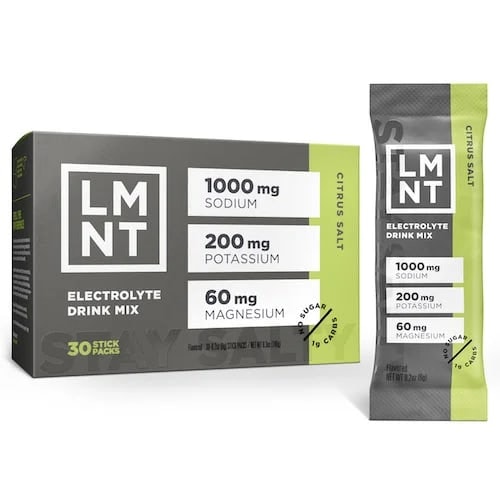
Active / low-carb / fasting: 1 electrolyte serving (typically 500–1000mg sodium) before or after training, sauna, or a long fasted walk. LMNT and similar mixes use sodium chloride, potassium, and magnesium without sugar.
Heavy sweat days: pre-load with water + electrolytes 30–60 minutes before session; replace roughly what you lose — weigh yourself before/after hot runs for a rough guide.
Night stack: magnesium glycinate/threonate separate from high-sodium packets if GI upset occurs.
- ·1 packet or equivalent on hard sweat days
- ·Pair with taurine 1–2g if cramping persists
- ·Do not chug plain water alone during multi-hour heat sessions
- ·Check blood pressure if adding sodium with hypertension history
What to Expect
Same-day: fewer headaches and less post-sauna dizziness when you were under-replaced. Zone 2 may feel smoother — heart rate drift sometimes drops when volume is restored.
Weeks: if nothing changes, you probably did not need more sodium. Reassess diet first.
Risks & Cost
Moderate EvidenceHypertension, kidney disease, heart failure, and certain medications require medical guidance — not Reddit sodium targets.
Over-replacement without sweat losses can raise blood pressure in salt-sensitive people.
Cost: LMNT-style boxes run roughly $1–2 per stick; DIY salt + potassium + magnesium is cheaper but less convenient.
Community Consensus
Huberman and Attia both normalized 'salt your water' for athletes. r/keto and r/fasting repeat the same lesson. Skeptics note most Americans already over-consume sodium via food — the target audience is exercisers and low-carb adapters, not everyone.
As an Amazon Associate, Reo Tuku Iho Limited earns from qualifying purchases through Amazon links on this site. Full disclosure
For educational purposes only. Not medical advice. Read our health disclaimer.
Sources
Key references cited in this guide. Links open the original publication or abstract.
- Exercise-Associated Hyponatremia: 2017 UpdateFront Med, 2017
- Clinical review: The management of hyponatremia in neurocritical careCrit Care, 2005
Continue Reading
SupplementsBest Electrolytes: The Buying Guide
Electrolyte shopping is sodium theater plus flavors. Sweaty training, sauna, and low-carb diets are the usual reasons to add salt — not a $40 ‘cellular hydration’ identity. This buying guide picks LMNT as the Amazon packet and sends you to the electrolytes guide for the physiology.
Read guide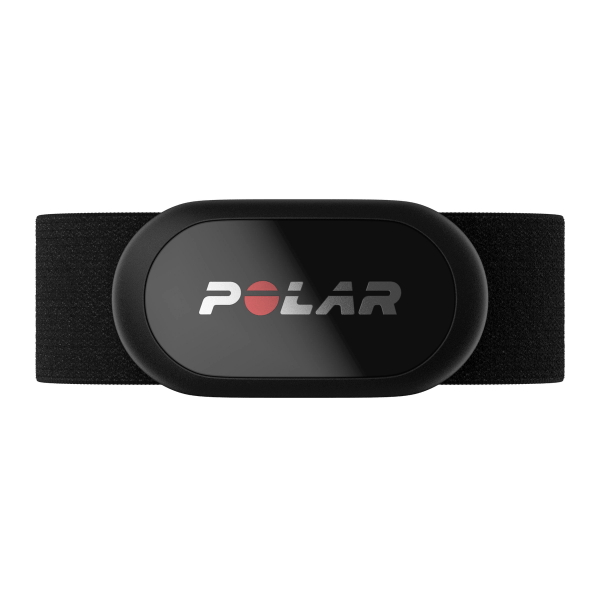 Wearables & Trackers
Zone 2 Heart Rate Chart: Attia Targets by Age
Peter Attia does not publish a single official zone 2 heart rate chart. He uses a talk test, and in a lab a lactate reading near 2 mmol/L. The chart below is the practical substitute: a Maffetone ceiling of 180 minus age, next to 60–70% of estimated max heart rate. Stay under the ceiling only if you can still speak in full sentences, for 3–4 hours a week.
Read guide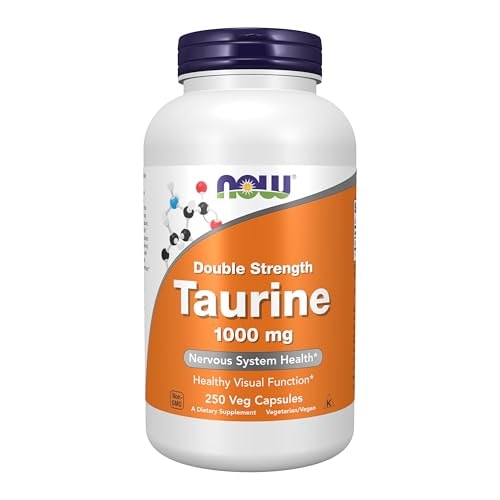 Supplements
Taurine: The Complete Guide
Taurine is a sulfur-containing amino acid abundant in meat, seafood, and energy drinks. A 2023 Science paper linked age-related taurine decline to aging in animals and lit a longevity-community fire. This guide separates the animal data from human evidence, dosing, and who might actually benefit.
Read guide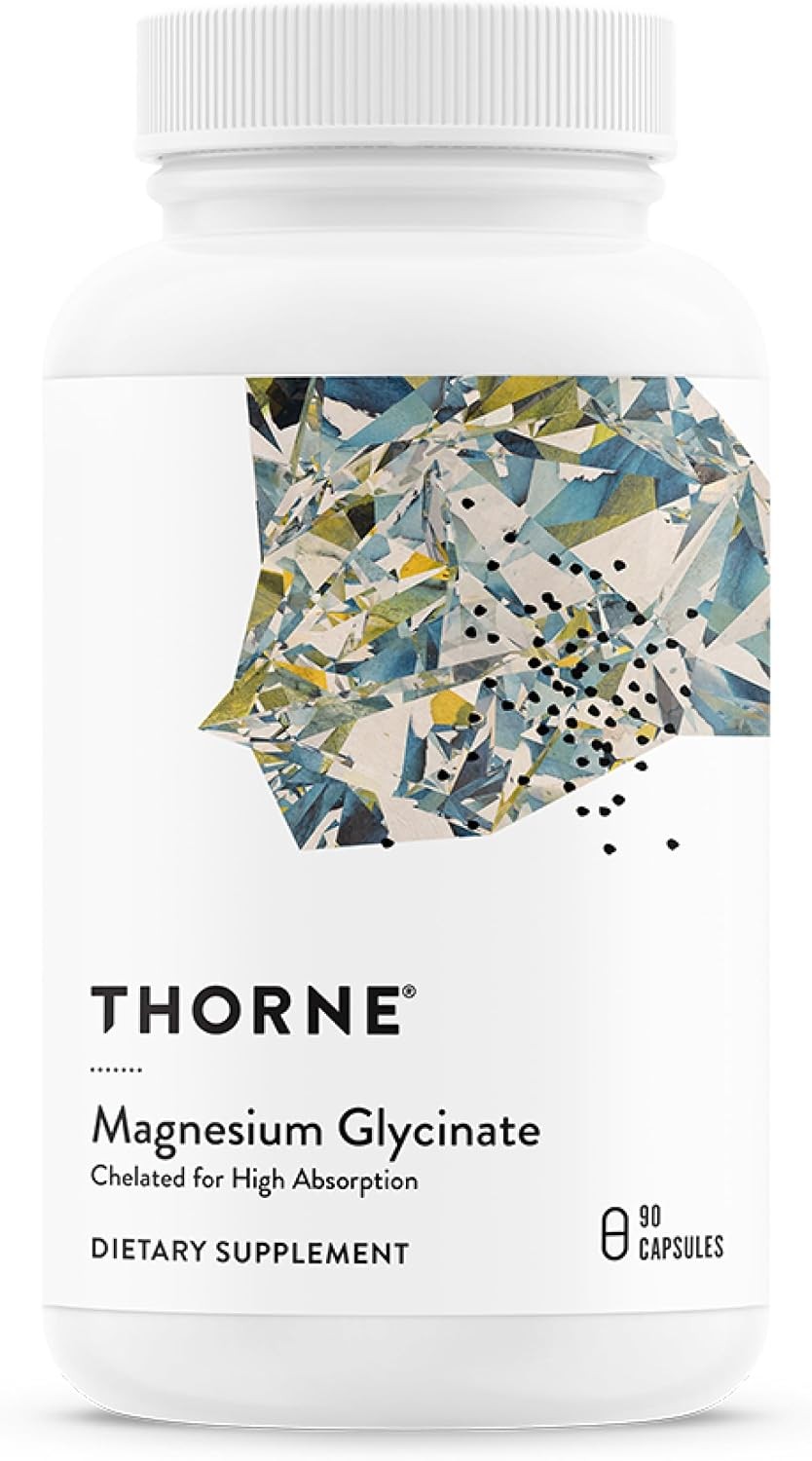 Supplements
Magnesium: The Complete Guide
Up to 50% of adults may not meet optimal magnesium intake. It's involved in 300+ enzymatic reactions, sleep, muscle recovery, stress, and heart rhythm all depend on it. This guide breaks down which form to take, when, and how much.
Read guide Supplements
Intermittent Fasting: The Complete Guide
Intermittent fasting (IF) is one of the most practiced biohacks worldwide, popularized by Dave Asprey's Bulletproof approach and validated by decades of metabolic research. This guide covers 16:8 vs OMAD, ketosis timing, autophagy windows, and who should avoid fasting.
Read guide Heat Therapy
Infrared Sauna: The Complete Guide
Regular sauna use is one of the strongest lifestyle interventions linked to reduced cardiovascular mortality in decades of Finnish research. This guide covers how infrared saunas work, Huberman and Rhonda Patrick's protocols, what you'll actually feel, the risks nobody mentions, and what 10,000+ Reddit users report.
Read guide Cold Therapy
Cold Exposure: The Complete Guide
Deliberate cold exposure is one of the most accessible biohacks with measurable effects on norepinephrine, dopamine, metabolism, and mental resilience. This guide breaks down the Huberman protocol (11 min/week), the Wim Hof method, what happens to your body, and how to build a sustainable practice.
Read guideLast updated: 2026-08-23 · For informational purposes only. Not medical advice. Consult a healthcare provider before starting any new health protocol. Health disclaimer.