
Hydrogen Water: The Complete Guide
Molecular H₂, tablets vs machines, and separating real trials from wellness marketing
Hydrogen-rich water delivers dissolved molecular hydrogen (H₂), a selective antioxidant studied for exercise recovery, metabolic markers, and inflammation. Japan and Korea popularized it first; Western biohackers now debate tablets, generators, and canned H₂. This guide covers what human trials actually show and whether it belongs in your stack.
Health Disclaimer
This content is for general informational and educational purposes only. It is not medical advice, diagnosis, or treatment. Consult a qualified healthcare provider before starting any supplement, peptide, or health protocol. Read our full health disclaimer.
Frequency
Daily or training days
Duration
4–8 week trial
Level
Beginner

Key Takeaways
- 1Molecular hydrogen (H₂) is a small neutral gas that crosses membranes and selectively reduces harmful oxidants in cell studies
- 2Human trials exist for exercise recovery, metabolic syndrome markers, and some inflammatory conditions — effect sizes are modest
- 3Tablets (magnesium + acid reaction), electric generators, and pre-packaged cans differ in dose consistency and cost
- 4Tier-2 add-on: after sleep, training, protein, and creatine — not a foundation intervention
Who this is for
- ·Athletes curious about recovery edges after basics are locked
- ·People comparing hydrogen water to LMNT/electrolyte stacks
- ·Readers who saw H₂ studies and want a sober summary
What Is Hydrogen Water?
Hydrogen water is water with dissolved molecular hydrogen gas (H₂), not 'hydrogen ions' or alkaline pH water — those are different products with different claims. H₂ is the smallest molecule in the universe, which lets it diffuse into tissues quickly in animal models.
The proposed mechanism is selective antioxidant activity: neutralizing cytotoxic radicals like hydroxyl without wiping out useful signaling molecules. That selectivity is the scientific hook — unlike blunt high-dose antioxidant pills that failed in longevity trials.
The Science
Emerging ResearchHuman studies: small RCTs report improvements in exercise-induced fatigue, lactate clearance, and some inflammatory markers. Metabolic syndrome trials show mixed but occasionally positive effects on cholesterol and glucose. Sample sizes are often small; replication is limited.
Dose problem: H₂ escapes quickly from open cups. Effective products deliver 1–3+ ppm dissolved H₂ consumed promptly. Stale hydrogen water or under-dosed tablets may be placebo infrastructure.
Comparison to basics: sleep, protein, creatine, and Zone 2 have stronger evidence and lower cost. H₂ sits in the 'might help, low risk if you can afford it' bucket.
- ·Emerging: exercise recovery and some metabolic markers
- ·Moderate in vitro / animal mechanistic data
- ·Weak: longevity or lifespan claims in humans
- ·Product quality varies wildly — ppm and freshness matter
The Protocol
Emerging ResearchIf testing: 4–8 weeks, one consistent delivery method. Options: H₂ tablets in sealed bottle (drink within minutes), electric H₂ generator bottle, or reputable pre-packaged cans. Track subjective recovery and any labs you already run — do not add a dozen variables at once.
Timing: many athletes use H₂ pre- or post-workout. Morning fasted is another common slot. No strong evidence that one hour beats another.
Stack: safe alongside creatine, electrolytes, and magnesium. No known conflict with common supplements; still tell your doctor if you are on prescription meds.
- ·4–8 week structured trial
- ·Consume immediately after generation
- ·One delivery method at a time
- ·Drop if no subjective or lab signal
What to Expect
Some users report less next-day soreness or clearer training weeks 2–4. Many feel nothing — response may be individual or dose-dependent.
Do not expect stimulant-like focus. This is subtle recovery infrastructure if it works at all.
Risks & Cost
Moderate EvidenceGenerally regarded as safe in short trials. Tablet products add magnesium — account for that if you already supplement magnesium glycinate at night.
Cost: generators $200–800+, tablets ~$30–60/month, cans add up fast. Opportunity cost versus protein and gym membership is real.
Skip alkaline ionizer machines sold as 'hydrogen water' without verified H₂ ppm — pH is not H₂.
Community Consensus
r/Biohackers treats H₂ as interesting but over-marketed. 'Fix sleep first' is the default reply.
Japanese longevity tourism popularized onsen + H₂ culture; Western adopters often conflate hot springs, alkaline water, and molecular hydrogen — keep the categories separate.
As an Amazon Associate, Reo Tuku Iho Limited earns from qualifying purchases through Amazon links on this site. Full disclosure
For educational purposes only. Not medical advice. Read our health disclaimer.
Sources
Key references cited in this guide. Links open the original publication or abstract.
Continue Reading
 Supplements
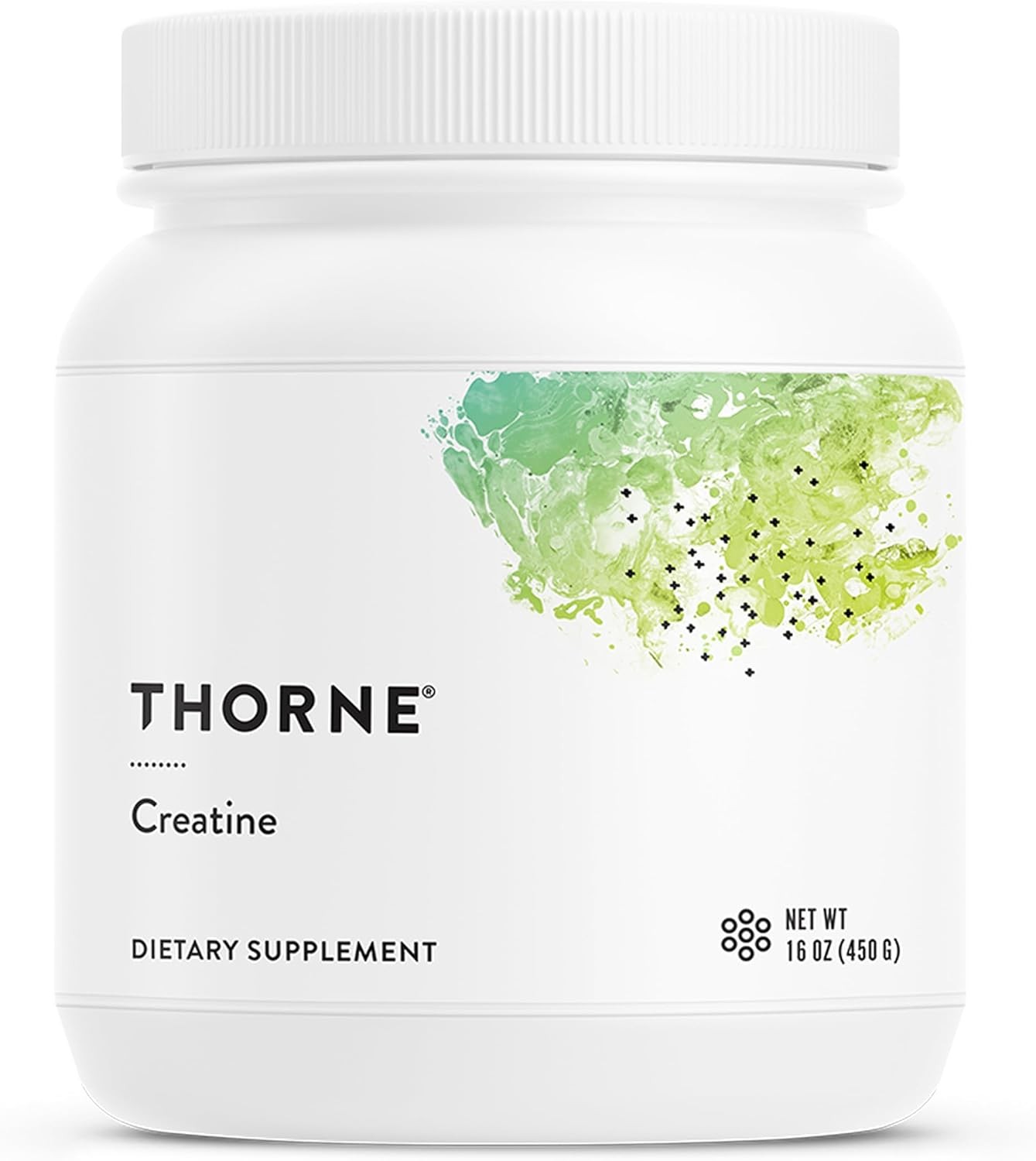
Creatine Dose: 5g Daily for Muscle, Bone, and Brain
Take 5 g of creatine monohydrate every day for muscle, bone, and brain. You do not need a separate higher daily dose for bone — the bone research is still early and is studied with lifting, at ordinary doses. Some short brain studies use about 10–20 g a day, split up. That is a research protocol, not the daily dose this guide uses. Saturation from 5 g a day is the default.
Read guide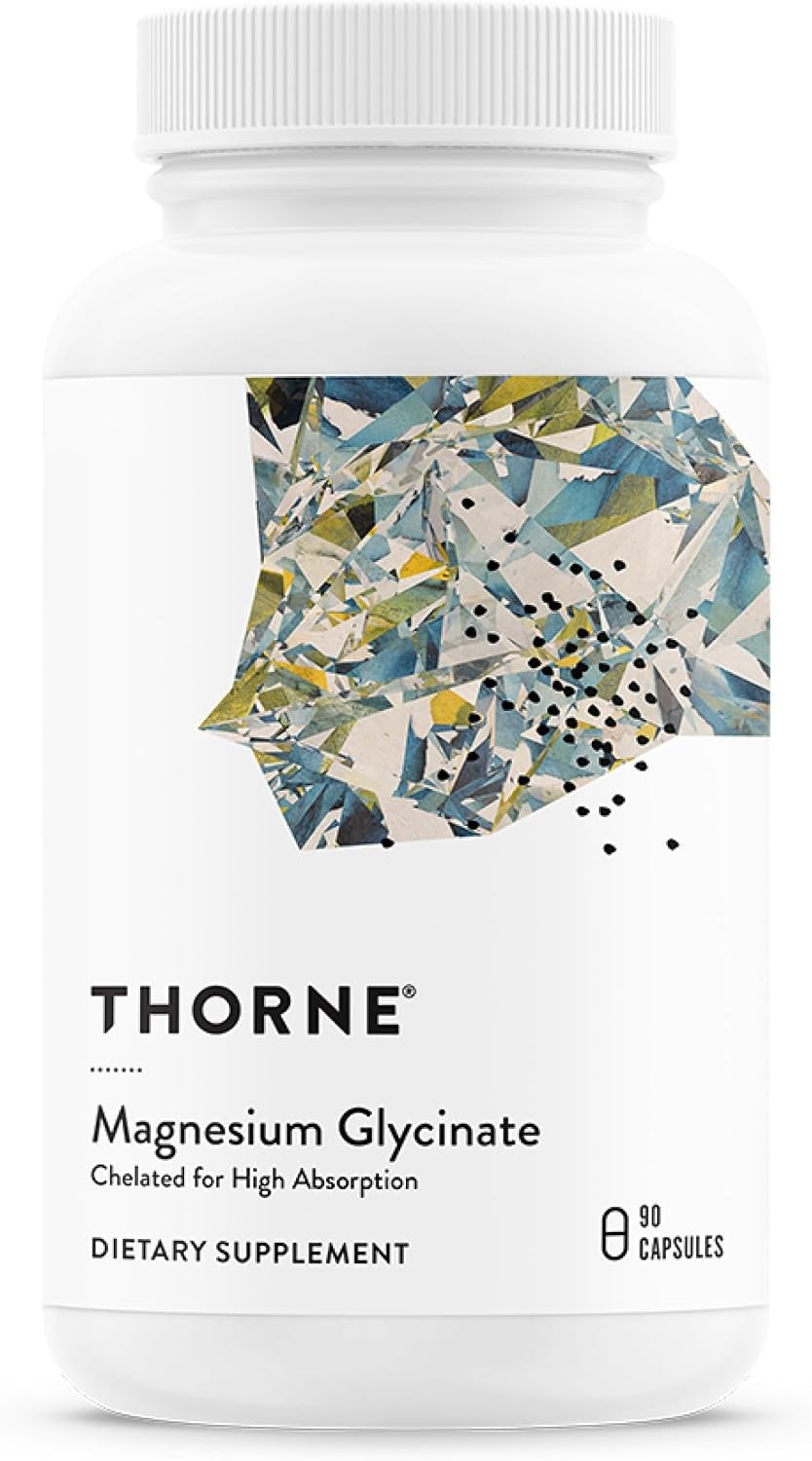 Supplements
Magnesium: The Complete Guide
Up to 50% of adults may not meet optimal magnesium intake. It's involved in 300+ enzymatic reactions, sleep, muscle recovery, stress, and heart rhythm all depend on it. This guide breaks down which form to take, when, and how much.
Read guide Cold Therapy
Cold Exposure: The Complete Guide
Deliberate cold exposure is one of the most accessible biohacks with measurable effects on norepinephrine, dopamine, metabolism, and mental resilience. This guide breaks down the Huberman protocol (11 min/week), the Wim Hof method, what happens to your body, and how to build a sustainable practice.
Read guide Light Therapy
Red Light Therapy: The Complete Guide
Red and near-infrared light therapy (photobiomodulation) uses specific wavelengths to enhance mitochondrial function, accelerate recovery, and support skin health. This guide explains the science, optimal wavelengths, daily protocols, and how to evaluate the crowded device market.
Read guide Supplements
Glutathione: The Complete Guide
Glutathione is your body's master antioxidant, present in every cell, critical for detoxification, immune function, and mitochondrial health. Dave Asprey calls it 'the most important molecule you need to stay healthy.' This guide covers why oral glutathione fails, liposomal delivery, and NAC as a precursor.
Read guide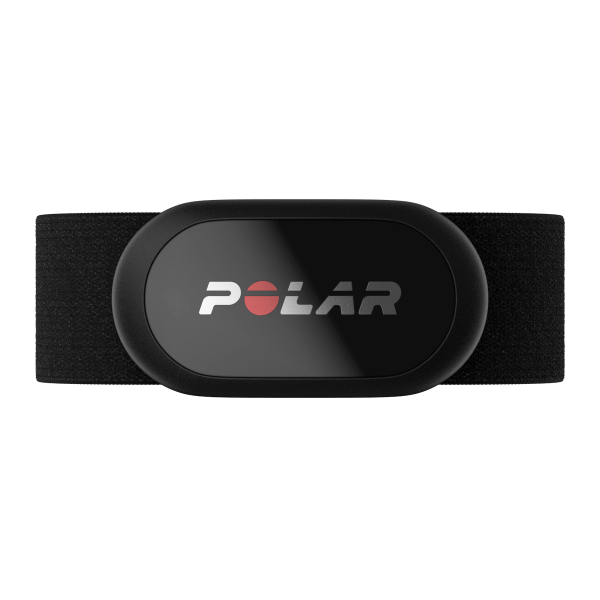 Wearables & Trackers
Zone 2 Heart Rate Chart: Attia Targets by Age
Peter Attia does not publish a single official zone 2 heart rate chart. He uses a talk test, and in a lab a lactate reading near 2 mmol/L. The chart below is the practical substitute: a Maffetone ceiling of 180 minus age, next to 60–70% of estimated max heart rate. Stay under the ceiling only if you can still speak in full sentences, for 3–4 hours a week.
Read guideLast updated: 2026-08-23 · For informational purposes only. Not medical advice. Consult a healthcare provider before starting any new health protocol. Health disclaimer.