
Indoor Air Quality: The Complete Guide
PM2.5, wildfire smoke, bedroom HEPA strategy, and IQAir vs AirDoctor vs Coway
Indoor air is often 2–5× more polluted than outdoor — cooking, VOCs, dust, and wildfire smoke included. Longevity-focused people sleep 8 hours in one room; that room deserves a real filter. This guide covers PM2.5 health effects, purifier sizing, and how premium HEPA units compare.
Frequency
24/7 in bedroom
Duration
Ongoing
Level
Beginner
Key Takeaways
- 1PM2.5 particles penetrate lungs and bloodstream — linked to cardiovascular and cognitive harm in epidemiology
- 2Priority: bedroom purifier running 24/7 on auto; whole-home if budget allows
- 3True HEPA + adequate CADR for room sq ft — not ionizer gimmicks without filtration
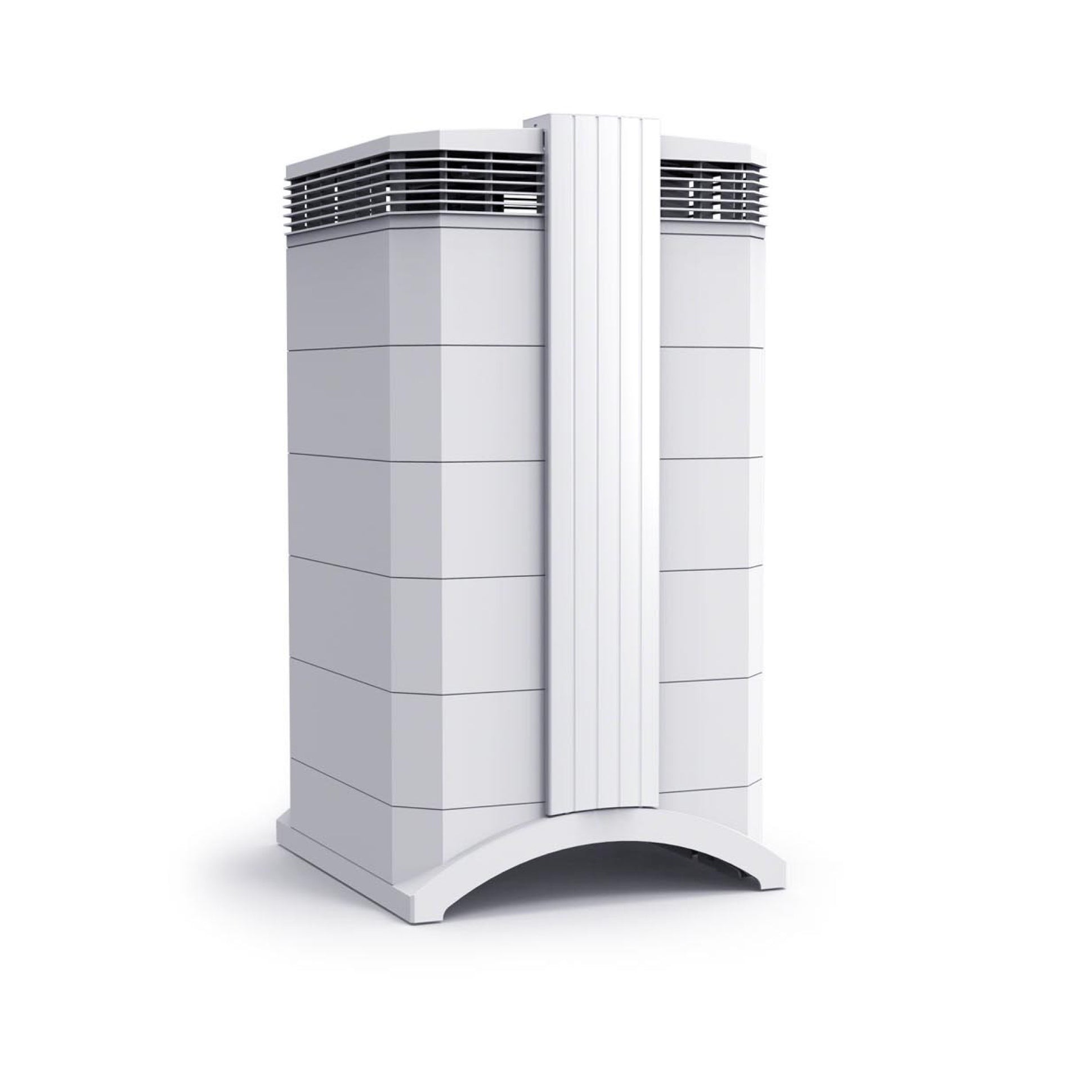
- 4IQAir, AirDoctor, Coway, and Blueair have Amazon ASINs — match unit to room size
Who this is for
- ·City dwellers with traffic or industrial pollution
- ·Wildfire smoke seasons in US West and Canada
- ·Biohackers optimizing sleep environment beyond mattress
- ·People with allergies or reactive airways
Why Indoor Air Matters for Longevity
You can perfect diet and Zone 2 while breathing PM2.5 all night. Particulate pollution associates with accelerated cardiovascular aging, dementia risk, and sleep disruption in large cohort studies.
Environmental health is not just water filters — air is half the home exposure equation. See environmental-health and microplastics guides for the full picture.
The Science
Strong EvidencePM2.5 (particles ≤2.5µm) bypass upper airway defenses, enter alveoli, and trigger systemic inflammation. Wildfire smoke is especially toxic due to combustion byproducts.
HEPA filtration (99.97% at 0.3µm) materially drops indoor particle counts when sized correctly. CADR (clean air delivery rate) should match or exceed room volume turnover.
CO₂ and VOCs are separate problems — purifiers with activated carbon help odors and some gases; ventilation matters for CO₂.
- ·Strong: PM2.5 association with mortality and CVD
- ·Strong: HEPA reduces indoor particle concentrations
- ·Moderate: cognitive effects of long-term low-grade pollution
- ·Context: purifiers do not replace fixing mold sources
The Protocol
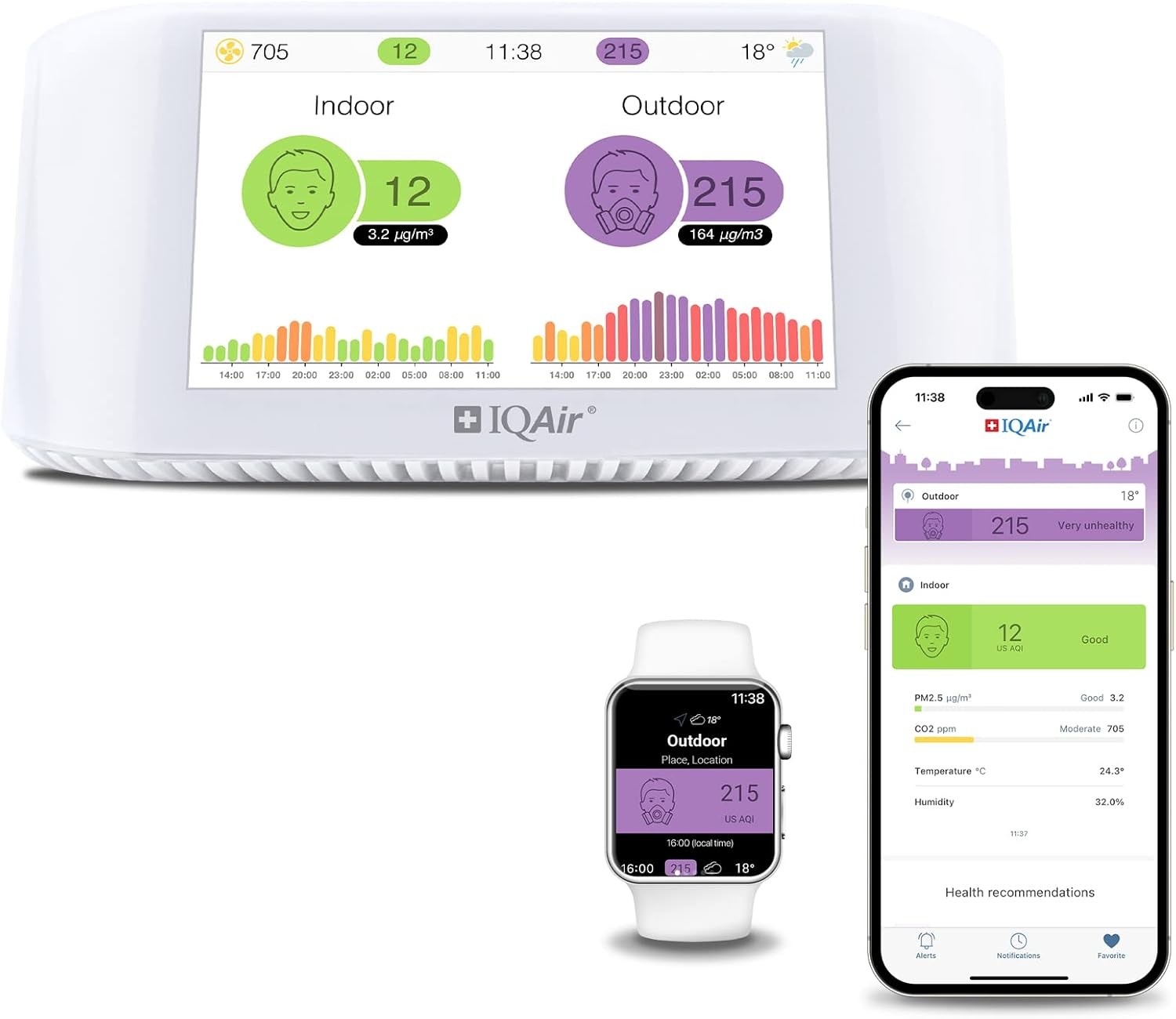
Strong EvidenceMeasure optional: portable PM2.5 monitor (~$50–150) to see baseline and filter impact.
Bedroom first: one correctly sized HEPA unit, door closed, fan on auto. Run continuously — not just when you smell smoke.
Sizing: match manufacturer sq ft rating to actual room; undersized units never catch up.
Maintenance: replace filters on schedule — clogged HEPA = useless HEPA.
Compare models: see best-air-purifier-biohacking roundup; IQAir HealthPro Plus for premium, Coway/AirDoctor for value tiers.
- ·Bedroom HEPA 24/7
- ·CADR matched to room size
- ·Replace filters on time
- ·Add whole-home unit if budget allows
What to Expect
Hours: PM2.5 meter drops in a closed bedroom after filter ramp-up.
Weeks: allergy sufferers often notice less morning congestion; sleep may improve subtly.
Risks & Cost
Moderate EvidenceIonizers without HEPA can produce ozone — check certifications (CARB compliance in California).
Premium units (IQAir) $800–1000+ on Amazon; Coway/Blueair $150–400. Filter replacements are ongoing cost.
Community Consensus
Bryan Johnson runs serious filtration; r/Biohackers debates IQAir vs AirDoctor endlessly. Agreement: bedroom-first beats one undersized living-room unit for sleep exposure.
As an Amazon Associate, Reo Tuku Iho Limited earns from qualifying purchases through Amazon links on this site. Full disclosure
Sources
Key references cited in this guide. Links open the original publication or abstract.
Continue Reading
 Tools & Equipment
CO2 Monitors at Home: The Complete Guide
A real CO2 monitor uses NDIR to measure the carbon dioxide you exhale in a closed room. Around 1,000 ppm is a reason to open a window, not a medical result. Aranet4 Home (B07YY7BH2W) is the Amazon unit in the buy box. It does not detect carbon monoxide, smoke, or viruses. A HEPA still does the particle job.
Read guideTools & EquipmentIQAir vs AirDoctor vs Blueair: Which Air Purifier to Buy
IQAir HealthPro Plus, AirDoctor 5500, and Blueair Classic 480i are the three air purifiers people compare once they have left $150 Amazon units behind. IQAir and AirDoctor both claim capture down to 0.003 microns. Blueair is quieter and cheaper, and stops at 0.1 microns. This page is the buying decision. For particle science and placement, start with Indoor Air Quality.
Read guideTools & EquipmentBest Air Purifier for Biohackers: HEPA, VOC, and CADR Compared
Indoor air quality is an underrated biohacking lever, chronic exposure to fine particulates (PM2.5), VOCs, and allergens is linked to worse sleep, higher inflammatory markers, and reduced cognitive performance. But the air purifier market is full of inflated CADR claims and marketing around 'medical grade' filtration that doesn't always translate to real-world benefit. This guide compares IQAir's HealthPro Plus, AirDoctor's 5500, Blueair's Classic line, and Coway's Airmega, and explains which specs actually matter for a bedroom-focused biohacking setup. Broader home toxins context: Environmental Health. Water side: Water Filtration.
Read guide Tools & Equipment
Environmental Health: Air & Water Guide
You can't out-supplement a toxic environment. Indoor air quality, water contamination (PFAS, lead, chlorine), and EMF exposure are foundational biohacking concerns. This guide covers practical home upgrades ranked by impact and cost.
Read guide Tools & Equipment
Microplastics: The Complete Guide
Microplastics and nanoplastics show up in water, food, air, and now human blood and placenta samples. The health impact is still being quantified, but exposure reduction is actionable today. This guide covers sources, what filters actually help, and a sane home protocol without plastic panic.
Read guide Sleep Optimization
Sleep Optimization: The Complete Guide
Sleep is the foundation every biohacker builds on, Huberman calls it the #1 performance enhancer. This guide covers the science of sleep stages, temperature regulation, light protocols, tracking with wearables, and the complete toolkit for deep restorative sleep.
Read guide Supplements
Bryan Johnson's Blueprint: The Complete Guide
Bryan Johnson spends ~$2M/year on his 'Don't Die' anti-aging protocol, the most measured human body in history. Blueprint includes 100+ daily supplements, precise sleep/calorie timing, plasma exchange, and relentless biomarker tracking. This guide breaks down what's evidence-based, what's experimental, and what mere mortals can actually adopt.
Read guide Supplements
Glutathione: The Complete Guide
Glutathione is your body's master antioxidant, present in every cell, critical for detoxification, immune function, and mitochondrial health. Dave Asprey calls it 'the most important molecule you need to stay healthy.' This guide covers why oral glutathione fails, liposomal delivery, and NAC as a precursor.
Read guideLast updated: 2026-08-23 · For informational purposes only. Not medical advice. Consult a healthcare provider before starting any new health protocol. Health disclaimer.