
CO2 Monitors at Home: The Complete Guide
NDIR carbon dioxide as a ventilation cue — not carbon monoxide, not a diagnosis
A real CO2 monitor uses NDIR to measure the carbon dioxide you exhale in a closed room. Around 1,000 ppm is a reason to open a window, not a medical result. Aranet4 Home (B07YY7BH2W) is the Amazon unit in the buy box. It does not detect carbon monoxide, smoke, or viruses. A HEPA still does the particle job.
Frequency
Leave it in the room you actually occupy
Duration
Ongoing ventilation habit
Level
Beginner

Key Takeaways
- 1CO2 is stale air; carbon monoxide is a different, deadly gas — keep a CO alarm
- 2About 1,000 ppm means ventilate, not ‘you are sick’
- 3NDIR beats cheap eCO2 estimates
- 4Filters catch particles; this meter tells you to exchange air
Who this is for
- ·Bedrooms and offices that feel dull by afternoon
- ·Readers who already own a HEPA and still rebreathe the room
- ·Anyone about to buy a no-name ‘air quality’ gadget
What the Number Is
Moderate EvidenceOutdoor CO2 sits near 420 ppm. A shut bedroom climbs because you exhale. NDIR sensors count CO2 molecules. Many cheap meters estimate ‘eCO2’ from other gases and drift.
Aranet4 Home is the long-running NDIR unit: e-ink, temperature, humidity, AA batteries. ASIN B07YY7BH2W.
What to Do With It
Moderate EvidencePut it where you sleep or work. If it sits near 1,000 ppm, crack a window or a door. Color on the screen is the point. A HEPA does not lower CO2. Ventilation does.
What It Is Not
Strong EvidenceNot a carbon-monoxide alarm. Not a smoke detector. Not proof of infection risk. Not a reason to skip the purifier for particles. See indoor air quality for HEPA sizing.
As an Amazon Associate, Reo Tuku Iho Limited earns from qualifying purchases through Amazon links on this site. Full disclosure
Sources
Key references cited in this guide. Links open the original publication or abstract.
- Carbon dioxide — indoor air qualityU.S. EPA, 2024
Continue Reading
 Tools & Equipment
Indoor Air Quality: The Complete Guide
Indoor air is often 2–5× more polluted than outdoor — cooking, VOCs, dust, and wildfire smoke included. Longevity-focused people sleep 8 hours in one room; that room deserves a real filter. This guide covers PM2.5 health effects, purifier sizing, and how premium HEPA units compare.
Read guideTools & EquipmentBest Air Purifier for Biohackers: HEPA, VOC, and CADR Compared
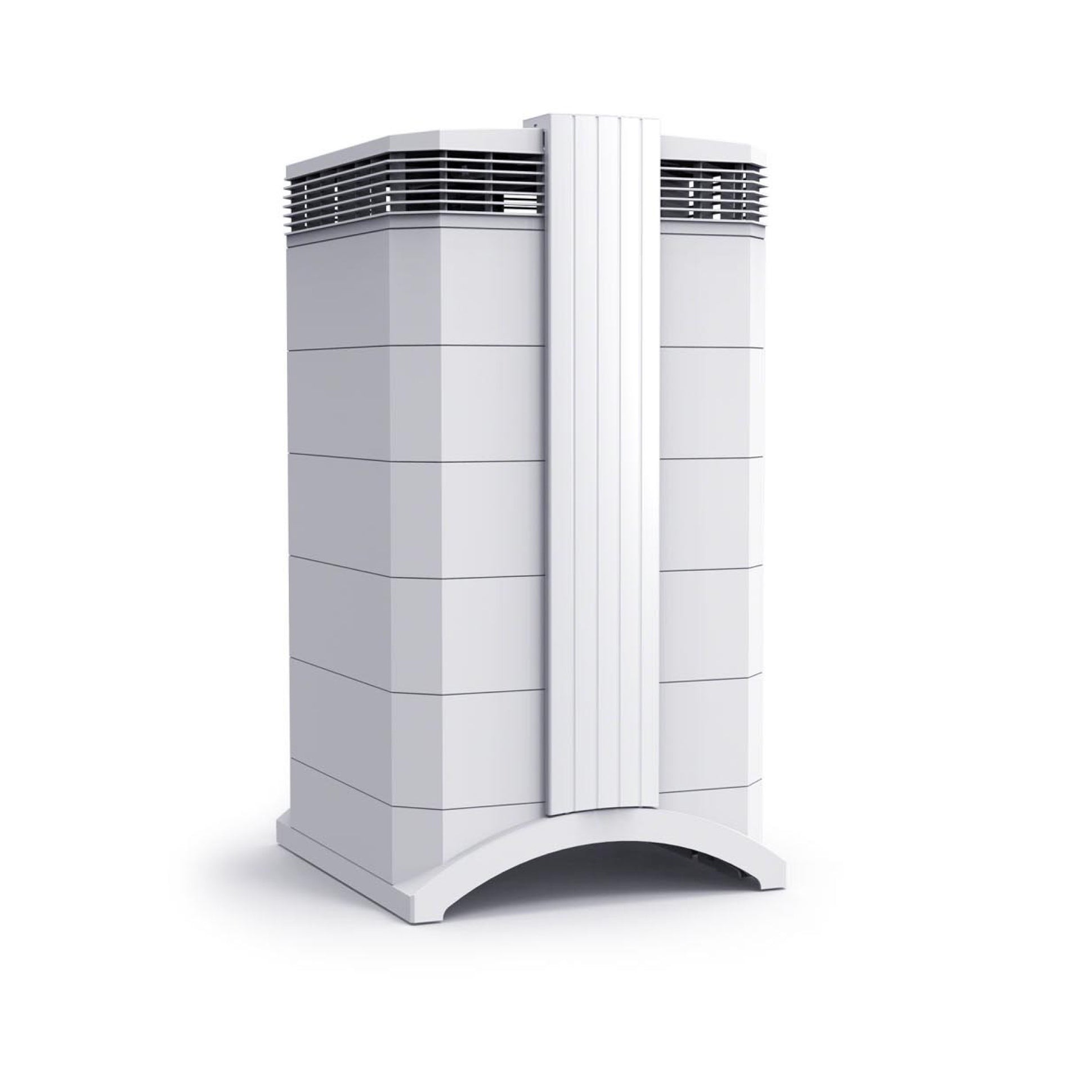
Indoor air quality is an underrated biohacking lever, chronic exposure to fine particulates (PM2.5), VOCs, and allergens is linked to worse sleep, higher inflammatory markers, and reduced cognitive performance. But the air purifier market is full of inflated CADR claims and marketing around 'medical grade' filtration that doesn't always translate to real-world benefit. This guide compares IQAir's HealthPro Plus, AirDoctor's 5500, Blueair's Classic line, and Coway's Airmega, and explains which specs actually matter for a bedroom-focused biohacking setup. Broader home toxins context: Environmental Health. Water side: Water Filtration.
Read guide Tools & Equipment
Environmental Health: Air & Water Guide
You can't out-supplement a toxic environment. Indoor air quality, water contamination (PFAS, lead, chlorine), and EMF exposure are foundational biohacking concerns. This guide covers practical home upgrades ranked by impact and cost.
Read guide Sleep Optimization
Sleep Optimization: The Complete Guide
Sleep is the foundation every biohacker builds on, Huberman calls it the #1 performance enhancer. This guide covers the science of sleep stages, temperature regulation, light protocols, tracking with wearables, and the complete toolkit for deep restorative sleep.
Read guide Sleep Optimization
Indoor Humidity for Sleep & Nasal Breathing: The Complete Guide
Dry winter air wrecks nasal breathing, mouth-tape nights, and skin. The target is roughly 40–50% relative humidity — not a steam room. This guide covers cheap hygrometers, the Levoit 300S-class humidifier, cleaning, and how humidity fits next to air purifiers.
Read guideLast updated: 2026-09-22 · For informational purposes only. Not medical advice. Consult a healthcare provider before starting any new health protocol. Health disclaimer.