
Stress Recovery Wearables: The Complete Guide
Apollo Neuro, Sensate, and Oura — passive HRV vs active vagal stimulation
Wearables for stress split into two camps: trackers that measure HRV (Oura, WHOOP) and devices that try to shift autonomic tone in real time (Apollo Neuro, Sensate). This guide compares mechanisms, session protocols, and who should buy what first.
Frequency
Daily as needed
Duration
5–60 minutes
Level
Beginner

Key Takeaways
- 1Measurement first: know your baseline HRV before buying stimulation gadgets
- 2Apollo uses touch vibration patterns; Sensate uses infrasonic chest resonance — both aim at parasympathetic shift
- 3Neither replaces sleep, therapy, or exercise — they are nervous-system tools
- 4Apollo and Sensate have Amazon listings; WHOOP does not — Oura Gen 4 does
Who this is for
- ·People with solid sleep who still feel wired during the day
- ·HRV trackers showing chronic low readiness without clear cause
- ·Users who want a 10-minute vagal break without a full meditation practice
- ·Stack builders pairing breathwork with passive stimulation
Trackers vs Stimulators
Oura and similar rings passively track HRV, sleep stages, and temperature — feedback loops for behavior change. They do not directly stimulate nerves.
Apollo Neuro (wrist/ankle) and Sensate 2 (chest pad) deliver patterned vibration designed to increase HRV acutely in company-funded and small independent studies. You wear them during stress or before sleep.
The Science
Emerging ResearchHRV reflects autonomic balance — higher resting HRV often correlates with fitness and recovery capacity, though genetics and age matter.
Apollo: published studies show acute HRV increases during 'Recover' and 'Sleep' modes in some cohorts. Mechanism proposed via touch-mediated vagal afferents.
Sensate: infrasonic tones through chest contact; small trials on stress and HRV. Overlap with meditation and breathwork — hard to isolate device-only long-term outcomes.
Consumer gap: few long-term RCTs on hard outcomes (sleep architecture months later, anxiety disorder remission). Treat as adjunct tools.
- ·Strong: HRV as recovery metric when measured consistently
- ·Emerging: acute HRV shifts with Apollo/Sensate in short studies
- ·Moderate: breathwork and meditation for autonomic tone
- ·Weak: replacing mental health treatment with a wrist buzzer
The Protocol
Emerging ResearchStep 1: track 2–4 weeks with Oura or existing wearable. If sleep is broken, fix sleep before stim devices — see sleep-optimization guide.
Apollo: 15–60 min on Unwind or Sleep mode before bed, or Social/Focus modes pre-stressful events. Wear on ankle or wrist per comfort.
Sensate: 10 minutes daily, reclined, paired with slow breathing. App guides session.
Combine with NSDR or box breathing — see breathwork and nsdr-yoga-nidra guides.
- ·Baseline HRV tracking first
- ·Apollo: evening unwind or pre-event Focus
- ·Sensate: 10 min daily + breath
- ·Reassess after 4 weeks of consistent use
What to Expect
Acute: many users feel calmer within a session — partly device, partly sitting still breathing.
Weeks: Oura readiness may tick up if sessions replace phone scrolling before bed. Non-responders should prioritize sleep apnea screening and caffeine cutoff.
Risks & Cost
Emerging ResearchSeizure disorders and certain pacemakers — check manufacturer contraindications.
Apollo ~$350 and Sensate ~$300 on Amazon when in stock; Oura Ring Gen 4 separate hardware + subscription. Budget path: free breathwork app + Polar H10 for HRV.
Community Consensus
r/Biohackers loves Apollo for travel stress; skeptics call it expensive placebo if sleep is already bad. Sensate fans overlap with meditation crowd. Agreement: measure first, stimulate second.
As an Amazon Associate, Reo Tuku Iho Limited earns from qualifying purchases through Amazon links on this site. Full disclosure
Sources
Key references cited in this guide. Links open the original publication or abstract.
- Heart rate variability as a marker of autonomic functionCirculation, 2011
- Touch-based vagal stimulation and HRV (Apollo Neuro research summaries)Apollo Neuro, 2024
Continue Reading
 Cognitive Enhancement
Vagus Nerve Stimulation: The Complete Guide
The vagus nerve is the master regulator of your parasympathetic nervous system, controlling heart rate, digestion, inflammation, and emotional regulation. Dave Asprey calls vagus nerve toning essential for stress resilience. This guide covers natural stimulation techniques and clinical devices.
Read guide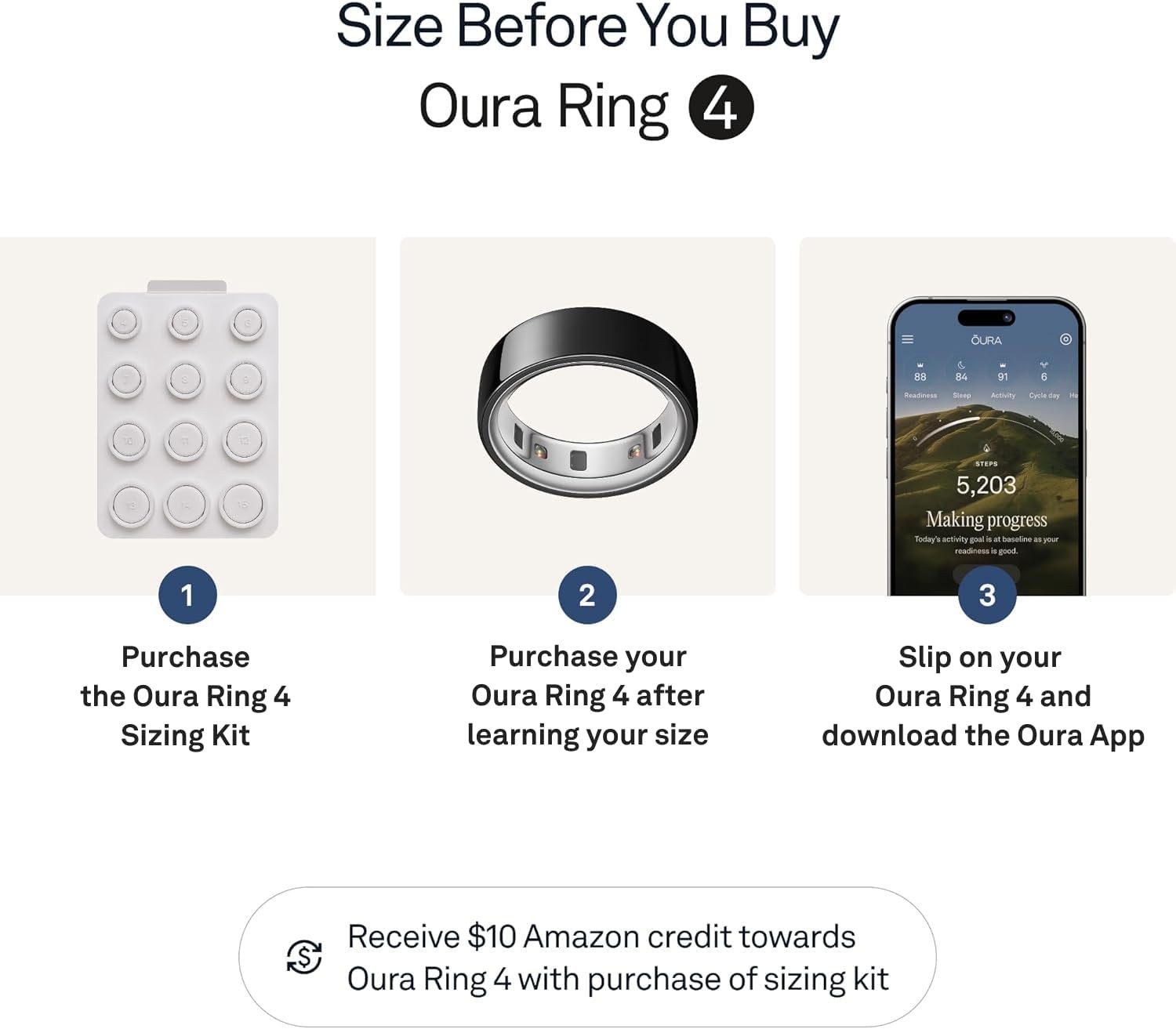 Wearables & Trackers
HRV & Recovery Tracking: The Complete Guide
Heart rate variability (HRV) is the most actionable biometric for biohackers, it tells you when to push hard and when to rest. This guide explains what HRV means, how Oura and WHOOP use it, lifestyle factors that destroy recovery, and how to actually use the data. Ready to buy? See Oura vs WHOOP or Garmin vs Oura vs WHOOP.
Read guide Cognitive Enhancement
Breathwork: The Complete Guide
Breathwork is the most accessible biohack, free, immediate, and backed by real physiology. From Wim Hof's hyperventilation cycles to Navy SEAL box breathing, controlled breathing shifts autonomic state in minutes. This guide covers protocols, mechanisms, and building a daily practice.
Read guide Sleep Optimization
NSDR and Yoga Nidra: The Complete Guide
Non-sleep deep rest (NSDR) is Andrew Huberman's umbrella term for yoga nidra and related guided protocols that drop you into a deeply relaxed, often hypnagogic state without requiring a full nap. This guide covers the sleep and stress evidence, how to run a session, and when NSDR beats caffeine.
Read guide Sleep Optimization
Sleep Optimization: The Complete Guide
Sleep is the foundation every biohacker builds on, Huberman calls it the #1 performance enhancer. This guide covers the science of sleep stages, temperature regulation, light protocols, tracking with wearables, and the complete toolkit for deep restorative sleep.
Read guideWearables & TrackersOura Ring vs WHOOP (2026): Ring vs Band, Cost & Which to Buy
Oura and WHOOP are the two wearables biohackers debate most. Oura excels at passive sleep staging and HRV detail in an unobtrusive ring. WHOOP excels at training load management with its strain/recovery loop. This guide compares accuracy, pricing, use cases, and who should buy which. Considering Garmin too? See Garmin Fenix vs Oura vs WHOOP.
Read guideLast updated: 2026-08-23 · For informational purposes only. Not medical advice. Consult a healthcare provider before starting any new health protocol. Health disclaimer.