
NSDR and Yoga Nidra: The Complete Guide
Huberman's non-sleep deep rest, yoga nidra evidence, and a 10–30 minute recovery protocol
Non-sleep deep rest (NSDR) is Andrew Huberman's umbrella term for yoga nidra and related guided protocols that drop you into a deeply relaxed, often hypnagogic state without requiring a full nap. This guide covers the sleep and stress evidence, how to run a session, and when NSDR beats caffeine.
Frequency
Daily or as needed
Duration
10–30 minutes
Level
Beginner

Key Takeaways
- 1Yoga nidra is a scripted body-scan / awareness practice; NSDR is the same idea in Huberman-friendly language
- 2Short sessions (10–30 minutes) can improve subjective rest, stress, and next-night sleep for some people
- 3It is not a replacement for 7–9 hours of actual sleep — it is a recovery tool when you are fried or short on nights
- 4Free: a quiet room, headphones, and a reputable guided track. No device required
Who this is for
- ·People who wake unrested or crash at 2pm
- ·Lifters and Zone 2 athletes who need a downshift without wrecking nighttime sleep
- ·Anyone who finds seated meditation fidgety but can lie still with a voice in their ears
What Are NSDR and Yoga Nidra?
Yoga nidra ('yogic sleep') is a guided practice: you lie down, follow a voice through body awareness, breath, and sometimes visualizations, and hover near sleep without the goal of a full REM cycle. Andrew Huberman popularized NSDR as a secular label for this state — useful if 'yoga' branding would keep you from trying it.
It sits between meditation and napping. Meditation often asks you to stay clearly awake. A nap can leave you groggy (sleep inertia) if you drop into deep sleep. NSDR aims for the restorative middle: parasympathetic shift, reduced rumination, sometimes a dopamine/reset feeling Huberman discusses after sleep loss.
The Science
Moderate EvidenceYoga nidra studies — smaller than creatine literature, larger than most biohacking gadgets — report improvements in perceived stress, sleep quality scores, and some anxiety measures. Protocols vary, which is why evidence is 'moderate' rather than 'settled vital sign.'
Physiologically, long, guided rest increases heart-rate variability toward a calmer pattern in many people, similar to other down-regulation tools (physiological sigh, yoga, quiet time). It is not a unique magnetic field; it is a reliable way to stop input.
Sleep substitution: NSDR can take the edge off a bad night. It does not repay a chronic 5-hour schedule. If you need NSDR every afternoon to function, fix sleep opportunity, caffeine timing, and evening light first.
- ·Moderate: stress, sleep-quality questionnaires, and relaxation markers
- ·Emerging: Huberman-framed dopamine / sleep-replacement claims — treat as hypotheses
- ·Strong: the general principle that deliberate rest beats another doomscroll
The Protocol
Moderate EvidenceSetup: lie on your back in a comfortable, slightly cool room. Eye mask optional. Phone in airplane mode with a 10, 20, or 30 minute guided NSDR or yoga nidra track. If you fall fully asleep, that is fine — set an alarm so you do not drift into a 90-minute nap before dinner.
Timing: late morning or early afternoon is the usual slot (post-training or post-lunch dip). Avoid starting a 30-minute session at 8pm if you are sleep-onset sensitive.
Stack: pair with morning sunlight and a consistent bedtime (see circadian and sleep guides). NSDR plus magnesium at night is popular; they work on different timescales. Breathwork (physiological sigh) can precede the track if you are wired.
- ·10 minutes on busy days; 20–30 minutes after poor sleep or hard training
- ·Guided audio > silent 'trying to relax'
- ·Same time of day when possible, so it becomes a reflex
- ·If you only have 10 minutes, still do it — dose-response is not all-or-nothing
What to Expect
Session 1–3: restlessness, peeking, or feeling like you 'failed' because you did not dissolve into bliss. That is normal. Stay on the voice.
Week 2+: many people report an easier afternoon and less need for a third coffee. Some notice they fall asleep faster that night.
You may twitch or feel heavy-limbed. That is the nervous system downshifting, not a problem.
Risks & Common Mistakes
Moderate EvidenceLow medical risk for healthy adults. People with trauma histories can find body-scan practices activating — pick a shorter, more neutral track or work with a therapist-aware teacher.
Using NSDR to justify 5-hour nights is the main failure mode. Using it in bed at 11pm as a 'sleep hack' can also backfire if the tracks become associated with frustration.
Cost is $0 if you use reputable free recordings. Paid apps are optional.
Community Consensus
Huberman Lab listeners treat NSDR as a first-line recovery tool alongside Zone 2 and morning light. r/HubermanLab and r/sleep both recommend it before buying another wearable.
The skeptical take is fair: some benefits are just 'lying down with your eyes closed.' The practical reply is also fair: most people will not do that unless a voice tells them to.
As an Amazon Associate, Reo Tuku Iho Limited earns from qualifying purchases through Amazon links on this site. Full disclosure
Sources
Key references cited in this guide. Links open the original publication or abstract.
Continue Reading
 Sleep Optimization
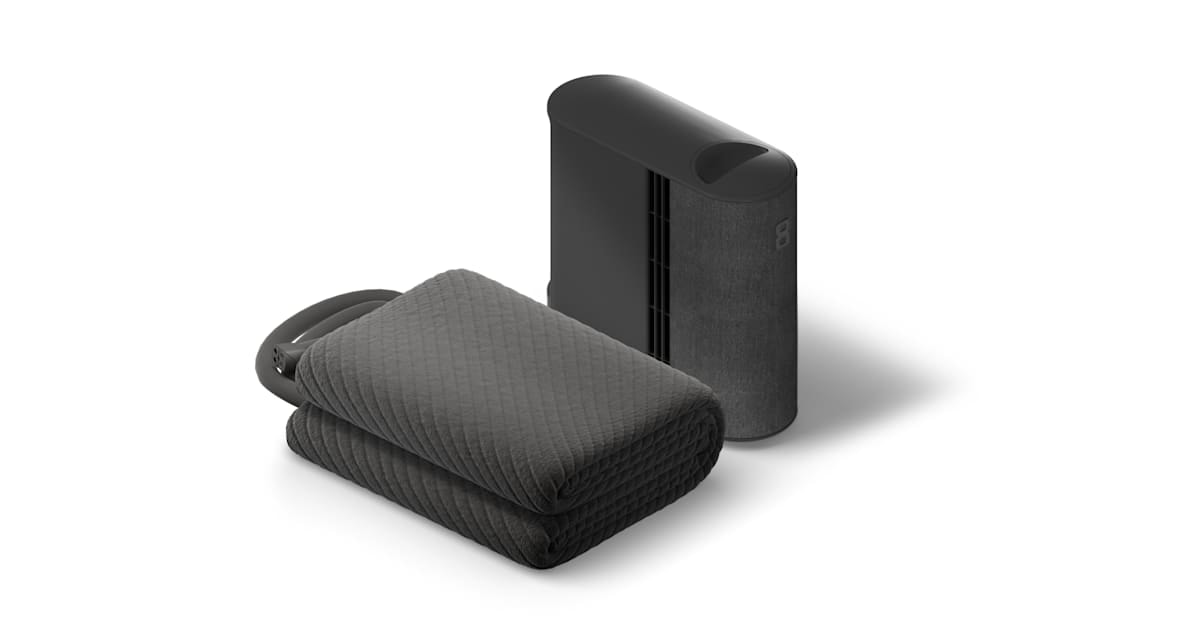
Sleep Optimization: The Complete Guide
Sleep is the foundation every biohacker builds on, Huberman calls it the #1 performance enhancer. This guide covers the science of sleep stages, temperature regulation, light protocols, tracking with wearables, and the complete toolkit for deep restorative sleep.
Read guide Cognitive Enhancement
Breathwork: The Complete Guide
Breathwork is the most accessible biohack, free, immediate, and backed by real physiology. From Wim Hof's hyperventilation cycles to Navy SEAL box breathing, controlled breathing shifts autonomic state in minutes. This guide covers protocols, mechanisms, and building a daily practice.
Read guide Sleep Optimization
Circadian Rhythm Optimization: The Complete Guide
Your circadian rhythm governs sleep, hormones, metabolism, and mood. Huberman and Walker's most foundational advice isn't a supplement or gadget, it's light exposure timing. This guide covers the complete circadian protocol: morning sunlight, evening protection, meal timing, and temperature.
Read guide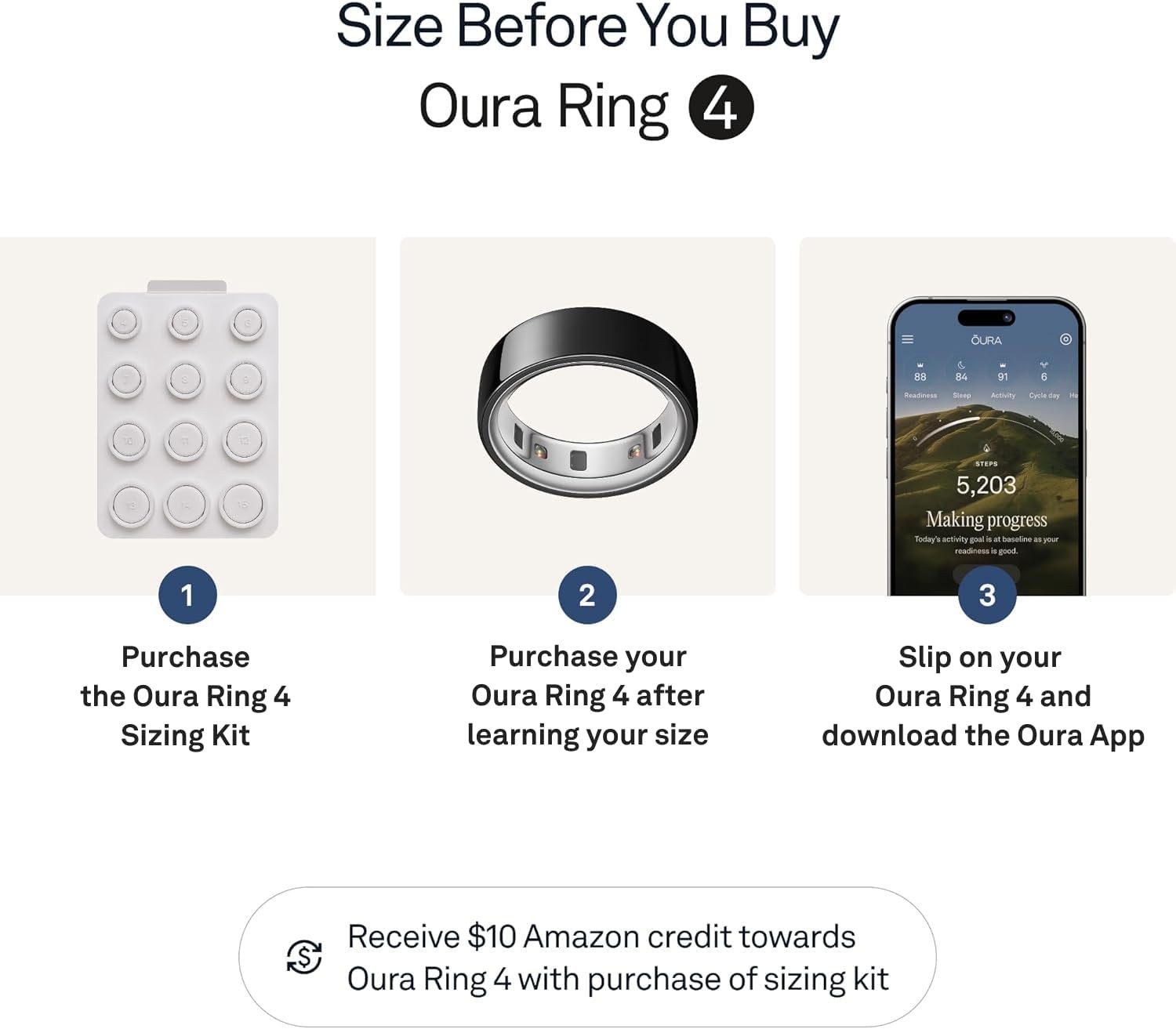 Wearables & Trackers
HRV & Recovery Tracking: The Complete Guide
Heart rate variability (HRV) is the most actionable biometric for biohackers, it tells you when to push hard and when to rest. This guide explains what HRV means, how Oura and WHOOP use it, lifestyle factors that destroy recovery, and how to actually use the data. Ready to buy? See Oura vs WHOOP or Garmin vs Oura vs WHOOP.
Read guide Cognitive Enhancement
Vagus Nerve Stimulation: The Complete Guide
The vagus nerve is the master regulator of your parasympathetic nervous system, controlling heart rate, digestion, inflammation, and emotional regulation. Dave Asprey calls vagus nerve toning essential for stress resilience. This guide covers natural stimulation techniques and clinical devices.
Read guide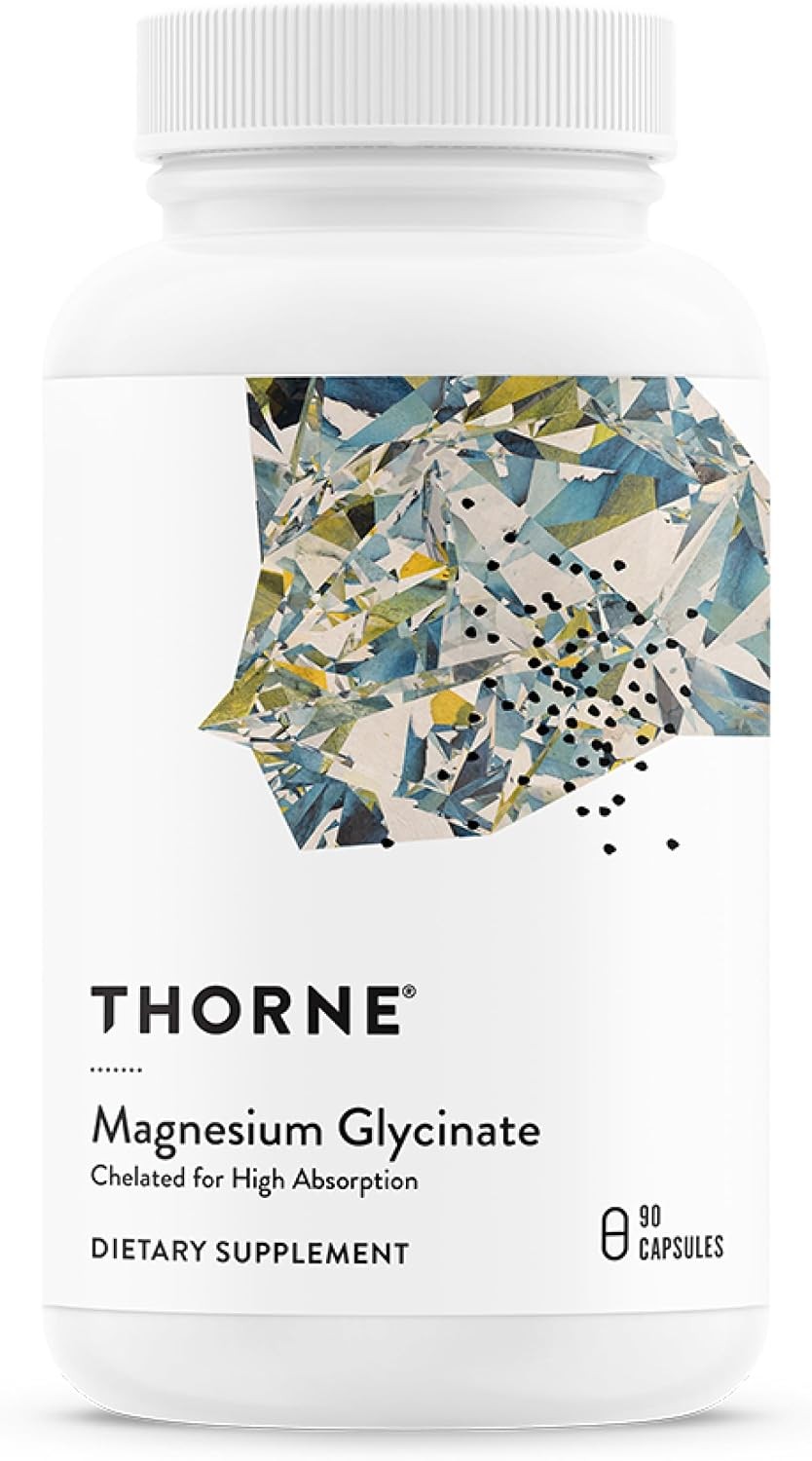 Supplements
Magnesium: The Complete Guide
Up to 50% of adults may not meet optimal magnesium intake. It's involved in 300+ enzymatic reactions, sleep, muscle recovery, stress, and heart rhythm all depend on it. This guide breaks down which form to take, when, and how much.
Read guideLast updated: 2026-08-23 · For informational purposes only. Not medical advice. Consult a healthcare provider before starting any new health protocol. Health disclaimer.