
Muse Meditation Headband: The Complete Guide
EEG biofeedback for beginners, session types, and Muse S vs breathwork apps
Muse is a consumer EEG headband that translates brain activity into weather sounds — guiding attention during meditation. It is not clinical neurofeedback, but it trains consistency. This guide covers how Muse works, who it helps, and how it fits next to free apps and prescription neurofeedback.
Frequency
Daily
Duration
10–20 minutes
Level
Beginner

Key Takeaways
- 1Muse measures frontal EEG and gives real-time audio feedback — active mind = storm sounds, calm = birds
- 2Best for people who quit meditation because they 'cannot tell if it is working'
- 3Sleep tracking (Muse S) adds overnight EEG — niche vs Oura for most users
- 4Amazon lists Muse S — compare to neurofeedback guide for clinical tier
Who this is for
- ·Beginners who need feedback loops to build habit
- ·Type-A personalities who want session scores
- ·People exploring neurofeedback before clinic costs
- ·Sleep experimenters curious about overnight brain data
What Is Muse?
Muse places dry EEG sensors on the forehead and ears, sampling brain electrical activity during guided sessions. The app maps calm vs active states to soundscapes — immediate feedback when mind wanders.
Muse S adds sleep staging and digital sleeping pills (guided downshifts). It is wellness tech, not a medical device for diagnosing ADHD or epilepsy.
The Science
Moderate EvidenceMeditation RCTs show modest benefits for stress, anxiety, and attention with consistent practice — Muse aims to increase adherence via feedback.
EEG neurofeedback in clinics uses similar principles with clinician-designed protocols for ADHD, PTSD, etc. Muse simplifies for mass market with less rigor.
Published Muse studies show users increase calm scores over weeks — selection bias toward motivated buyers exists.
- ·Strong: meditation practice benefits with consistency
- ·Moderate: EEG feedback may accelerate learning for some
- ·Weak: Muse as replacement for clinical neurofeedback
- ·Emerging: overnight Muse sleep data vs polysomnography
The Protocol
Moderate EvidenceDaily: 10 minutes body or breath meditation in Muse app, same time each day — morning before caffeine or evening before blue blockers.
Score chase lightly: track 'birds' percentage week over week, not session perfection.
Stack: after 4 weeks consistent Muse, add NSDR or breathwork without device — see nsdr-yoga-nidra and breathwork guides.
Sleep mode: optional overnight wear for experimenters; Oura still wins for 24/7 readiness for most.
- ·10–20 min daily same time slot
- ·4-week minimum before judging
- ·Use feedback to learn attention, not gamify stress
- ·Graduate to unassisted meditation over time
What to Expect
Week 1: fidgety sessions, low calm scores — normal.
Weeks 3–6: faster drop into calm; some users report lower resting HR on Oura — confounded by general meditation habit.
Risks & Cost
Moderate EvidenceEEG artifacts from jaw clench and eye blink — not malfunction.
Muse S ~$300–400 on Amazon; subscription for some content optional. Free apps (Waking Up, Insight Timer) cost zero if feedback is not needed.
Community Consensus
Meditation purists call it training wheels; biohackers call it adherence tech. r/MuseHeadband shares tips on sensor contact and hair. Consensus: works if you actually sit daily.
As an Amazon Associate, Reo Tuku Iho Limited earns from qualifying purchases through Amazon links on this site. Full disclosure
Sources
Key references cited in this guide. Links open the original publication or abstract.
- Meditation programs for psychological stress and well-beingJAMA Intern Med, 2014
- Consumer EEG devices for meditation and wellness (review)Front Hum Neurosci, 2019
Continue Reading
Cognitive EnhancementNeurofeedback: The Complete Guide
Neurofeedback uses real-time EEG monitoring to train your brain toward desired states, more focus, less anxiety, deeper meditation. Dave Asprey invested millions in 40 Years of Zen, claiming IQ gains of 12+ points. This guide separates clinical neurofeedback from consumer devices.
Read guide Cognitive Enhancement
Breathwork: The Complete Guide
Breathwork is the most accessible biohack, free, immediate, and backed by real physiology. From Wim Hof's hyperventilation cycles to Navy SEAL box breathing, controlled breathing shifts autonomic state in minutes. This guide covers protocols, mechanisms, and building a daily practice.
Read guide Sleep Optimization
NSDR and Yoga Nidra: The Complete Guide
Non-sleep deep rest (NSDR) is Andrew Huberman's umbrella term for yoga nidra and related guided protocols that drop you into a deeply relaxed, often hypnagogic state without requiring a full nap. This guide covers the sleep and stress evidence, how to run a session, and when NSDR beats caffeine.
Read guide Cognitive Enhancement
Stress Recovery Wearables: The Complete Guide
Wearables for stress split into two camps: trackers that measure HRV (Oura, WHOOP) and devices that try to shift autonomic tone in real time (Apollo Neuro, Sensate). This guide compares mechanisms, session protocols, and who should buy what first.
Read guide Sleep Optimization
Sleep Optimization: The Complete Guide
Sleep is the foundation every biohacker builds on, Huberman calls it the #1 performance enhancer. This guide covers the science of sleep stages, temperature regulation, light protocols, tracking with wearables, and the complete toolkit for deep restorative sleep.
Read guide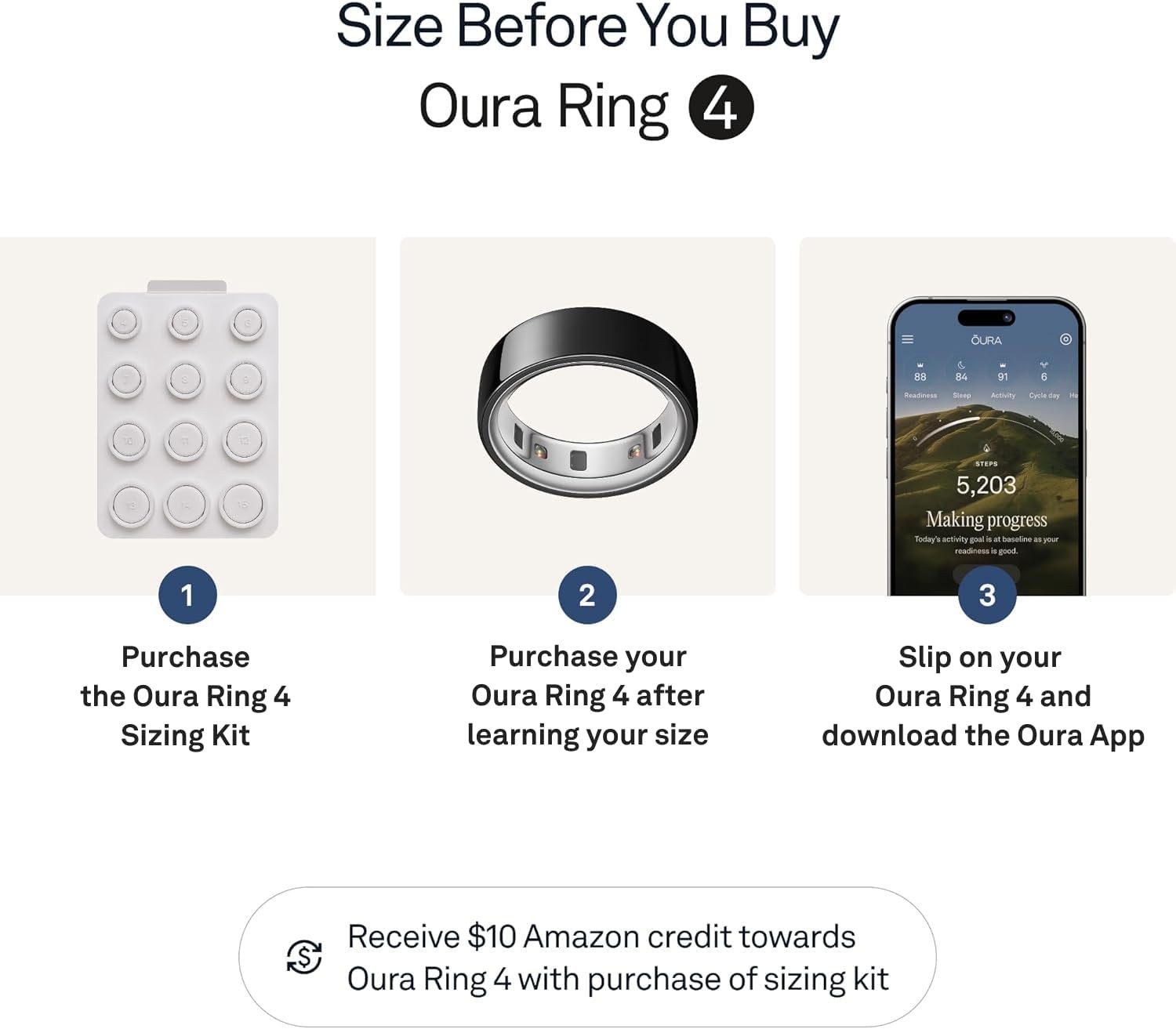 Wearables & Trackers
HRV & Recovery Tracking: The Complete Guide
Heart rate variability (HRV) is the most actionable biometric for biohackers, it tells you when to push hard and when to rest. This guide explains what HRV means, how Oura and WHOOP use it, lifestyle factors that destroy recovery, and how to actually use the data. Ready to buy? See Oura vs WHOOP or Garmin vs Oura vs WHOOP.
Read guideLast updated: 2026-08-23 · For informational purposes only. Not medical advice. Consult a healthcare provider before starting any new health protocol. Health disclaimer.