
Taurine: The Complete Guide
The 2023 Science aging paper, food vs supplements, and whether the hype survived follow-up
Taurine is a sulfur-containing amino acid abundant in meat, seafood, and energy drinks. A 2023 Science paper linked age-related taurine decline to aging in animals and lit a longevity-community fire. This guide separates the animal data from human evidence, dosing, and who might actually benefit.
Health Disclaimer
This content is for general informational and educational purposes only. It is not medical advice, diagnosis, or treatment. Consult a qualified healthcare provider before starting any supplement, peptide, or health protocol. Read our full health disclaimer.
Frequency
Daily
Duration
Ongoing
Level
Beginner
Key Takeaways
- 1Singh et al. (Science, 2023) showed taurine declining with age and lifespan/healthspan gains in mice and monkeys — human outcome trials are still thin
- 2Typical supplement range discussed in research and clinics is 1–3g/day; energy-drink taurine is not a longevity protocol
- 3Taurine supports bile acids, osmoregulation, calcium handling in muscle and heart, and antioxidant defenses
- 4Cheap, well-tolerated, and easy to trial — treat it as a tier-2 longevity add-on, not a replacement for training or sleep
Who this is for
- ·People building a low-cost mitochondrial / healthy-aging stack
- ·Low-meat or vegan eaters with lower dietary taurine
- ·Athletes stacking electrolytes and creatine
What Is Taurine?
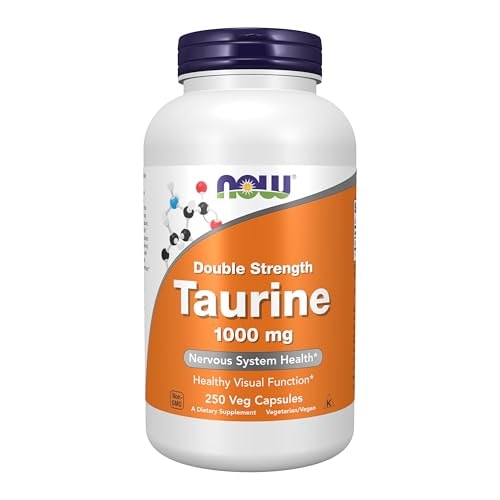
Taurine is a conditionally essential amino sulfonic acid. Your body makes some from cysteine, and you eat the rest in shellfish, dark-meat poultry, beef, and dairy. Unlike creatine, plants contain almost none, so vegan diets are low unless you supplement.
It is not a stimulant. Energy drinks added it for branding and possible exercise-performance synergy with caffeine, which is why many people first hear the name next to 200mg of caffeine rather than a longevity paper.
The Science
Emerging ResearchThe flashpoint: Singh et al., Science (2023), reported that circulating taurine falls with age in mice, monkeys, and humans, and that supplementation improved healthspan markers and lifespan in mice plus metabolic and bone markers in monkeys. That is unusually strong comparative-biology packaging for a grocery-store amino acid.
Mechanisms under study include mitochondrial function, reduced 'inflammaging' signals, better muscle performance, and bile-acid / metabolic effects. Taurine is also a long-standing topic in cardiology and exercise physiology (membrane stabilization, calcium handling, antioxidant support).
The catch: most dramatic lifespan data are still animal. Human evidence is a mix of observational levels, small intervention studies (blood pressure, exercise, metabolic markers), and safety data from food and supplement use. It has not been proven to extend human life.
- ·Emerging-to-moderate: animal aging and healthspan data
- ·Moderate: exercise, hydration, and some metabolic/cardiovascular marker studies
- ·Weak: 'taurine as a human longevity drug' — not established
- ·Dietary gap: vegans and very low-meat eaters start lower
The Protocol
Moderate EvidenceFood-first: regular servings of fish, shellfish, or dark-meat poultry raise intake without a pill. If you already eat that way, supplementation is optional.
Supplemental range commonly used in studies and community stacks: 1–3g taurine daily, often in the morning or around training, mixed in water. Split doses if 3g upsets your gut. Buy plain taurine powder or capsules — skip sugar-bomb energy drinks if longevity is the goal.
Stacking: pairs cleanly with creatine, magnesium, and electrolytes. No need to cycle. Give it 8–12 weeks if you are watching training quality, resting heart rate, or how you feel in the heat.
- ·1–3g taurine daily (powder or capsules)
- ·Prefer food + a cheap isolated supplement over energy drinks
- ·Vegans are higher-priority candidates
- ·Reassess at 8–12 weeks; this is not an acute stimulant
What to Expect
Most people feel little in week one. Some athletes notice slightly better heat tolerance or less muscle cramping when taurine is stacked with sodium and magnesium — that may be osmolyte and electrolyte synergy, not magic.
Do not expect a Sinclair-style 'I took this and felt 20.' If anything changes, it is usually training quality, recovery, or lab markers over months.
Risks & Cost
Moderate EvidenceTaurine has a long food-use history and is generally well tolerated at gram doses used in studies. GI upset is the usual complaint at higher single doses.
Energy drinks are a different risk profile: caffeine, sugar, and sleep disruption. Do not confuse a 1g taurine capsule with a 16oz can.
People with complex kidney disease or who are pregnant should ask a clinician before adding gram-dose supplements. Cost is low — often a few dollars per month at 2g/day.
Community Consensus
After the 2023 Science paper, r/longevity briefly treated taurine like the next NMN. The 2025–2026 mood is calmer: interesting, cheap, plausible, not a substitute for VO₂ max work or sleep.
Common stack: creatine 5g + taurine 2g + magnesium at night. Skeptics want a large human outcomes trial. They are right that it does not exist yet.
As an Amazon Associate, Reo Tuku Iho Limited earns from qualifying purchases through Amazon links on this site. Full disclosure
For educational purposes only. Not medical advice. Read our health disclaimer.
Sources
Key references cited in this guide. Links open the original publication or abstract.
Continue Reading
 Supplements
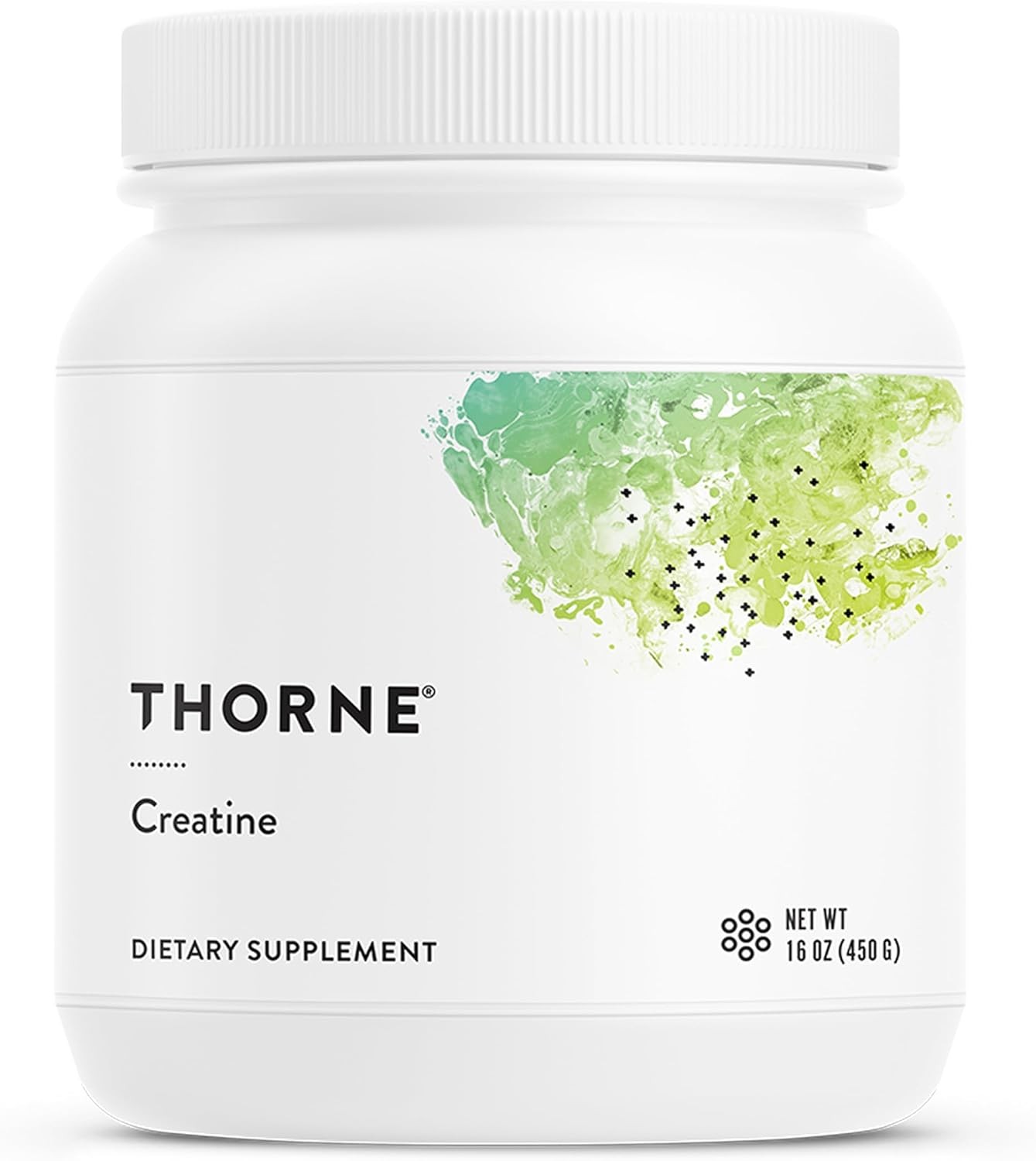
Creatine Dose: 5g Daily for Muscle, Bone, and Brain
Take 5 g of creatine monohydrate every day for muscle, bone, and brain. You do not need a separate higher daily dose for bone — the bone research is still early and is studied with lifting, at ordinary doses. Some short brain studies use about 10–20 g a day, split up. That is a research protocol, not the daily dose this guide uses. Saturation from 5 g a day is the default.
Read guide Supplements
NAD+ & Longevity: The Complete Guide
NAD+ is one of the most critical molecules in human biology, essential for energy, DNA repair, and activating longevity pathways. Levels decline ~50% between ages 40–60. This guide explains what NAD+ does, whether supplementation works, NR vs NMN debate, and how to test your levels.
Read guide Supplements
Urolithin A: The Complete Guide
Urolithin A is a gut microbiome metabolite that triggers mitophagy, the selective recycling of damaged mitochondria. Amazentis/Timeline's Mitopure is the first clinically validated urolithin A supplement. This guide covers the science, dosing, and who actually converts ellagic acid from food.
Read guide Wearables & Trackers
Zone 2 Heart Rate Chart: Attia Targets by Age
Peter Attia does not publish a single official zone 2 heart rate chart. He uses a talk test, and in a lab a lactate reading near 2 mmol/L. The chart below is the practical substitute: a Maffetone ceiling of 180 minus age, next to 60–70% of estimated max heart rate. Stay under the ceiling only if you can still speak in full sentences, for 3–4 hours a week.
Read guide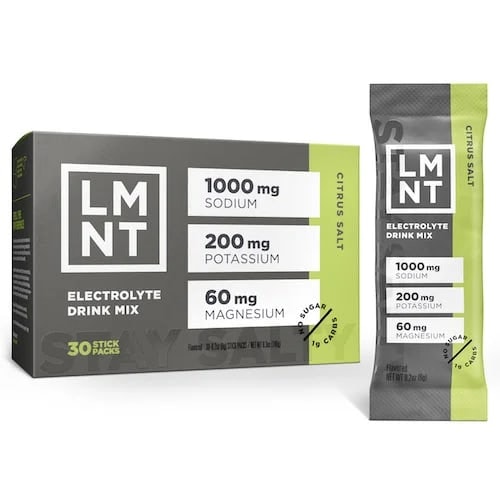 Supplements
Electrolytes & Sodium: The Complete Guide
Electrolytes are the boring infrastructure of biohacking: blood volume, nerve firing, muscle contraction, and how you feel in heat and on low-carb diets. This guide covers sodium, potassium, magnesium synergy, who needs more than RDA sodium, and when LMNT-style packets beat plain water.
Read guide Supplements
Omega-3 Fatty Acids: The Complete Guide
Omega-3 fatty acids (EPA and DHA) are essential for brain structure, cardiovascular health, and inflammation control. Most Western diets are deficient. This guide covers dosing, quality testing, the Omega-3 Index, and how to choose a fish oil.
Read guide Supplements
Magnesium: The Complete Guide
Up to 50% of adults may not meet optimal magnesium intake. It's involved in 300+ enzymatic reactions, sleep, muscle recovery, stress, and heart rhythm all depend on it. This guide breaks down which form to take, when, and how much.
Read guideLast updated: 2026-08-23 · For informational purposes only. Not medical advice. Consult a healthcare provider before starting any new health protocol. Health disclaimer.