
What Is Outlive by Peter Attia? The Four Horsemen, Zone 2, and ApoB
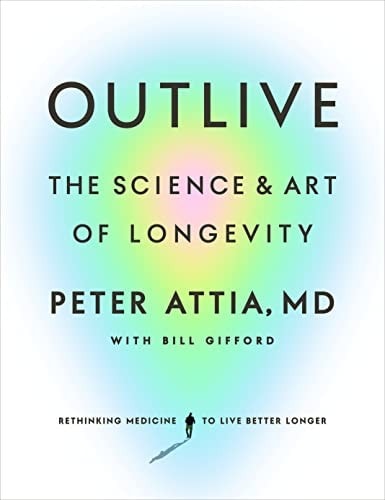
Outlive by Dr. Peter Attia: Medicine 3.0, delaying the Four Horsemen, Zone 2 + VO2 max training, ApoB & LP(a) blood panels, grip strength, and stability.
Medicine 3.0, the Centenarian Decathlon, ApoB, Zone 2, and what to do after you finish the book
Peter Attia’s Outlive (2023) is the most useful popular longevity book of the decade: delay the Four Horsemen (atherosclerosis, cancer, neurodegeneration, metabolic disease) with exercise, lipids, sleep, and emotional health — not a supplement haul. This guide translates the book into a sequence you can actually run, and links the hardcover on Amazon.
Health Disclaimer
This content is for general informational and educational purposes only. It is not medical advice, diagnosis, or treatment. Consult a qualified healthcare provider before starting any supplement, peptide, or health protocol. Read our full health disclaimer.
Frequency
Weekly training + periodic labs
Duration
Lifelong
Level
Intermediate
Key Takeaways
- 1Medicine 3.0 means acting decades before symptoms — ApoB, VO₂ max, insulin, and cancer screening beat most capsules
- 2Exercise is Attia’s #1 longevity drug: Zone 2 volume + one VO₂ session + heavy lifting + stability
- 3The Centenarian Decathlon is a training brief: pick the physical tasks you want at 80 and work backward
- 4Read Outlive first, then use the ApoB, VO₂ max, DEXA, and Zone 5 guides for tactics — do not copy clinic rapamycin from a book
Who this is for
- ·Readers who know Attia’s name from podcasts but not the book’s actual sequence
- ·People comparing Attia vs Sinclair vs Bryan Johnson
- ·Anyone about to buy NAD+ before getting an ApoB or a Zone 2 habit
- ·Gift buyers who want a book that changes training, not just nightstand guilt
Who Is Peter Attia?
Peter Attia, MD, is a physician focused on lifespan and healthspan. He trained in surgery at Johns Hopkins, worked in consulting and nutrition research, then built a practice around aggressive prevention — lipids, exercise physiology, sleep, and (under medical care) drugs like rapamycin. The Drive podcast is where most people meet him.
Outlive: The Science and Art of Longevity (2023, with Bill Gifford) sold millions and made ‘Medicine 3.0’ and the ‘Centenarian Decathlon’ standard vocabulary. It is more conservative on supplements than Sinclair’s Lifespan and more exercise-obsessed than most wellness books.
Medicine 3.0 vs Waiting for Symptoms
Strong EvidenceAttia’s frame: Medicine 1.0 was pre-scientific; Medicine 2.0 is excellent at trauma, infection, and late disease — and late on the chronic killers. Medicine 3.0 treats risk in your 30s–50s the way 2.0 treats a broken bone: immediately and specifically.
The Four Horsemen: atherosclerotic disease, cancer, neurodegenerative disease, and metabolic disease (insulin resistance / fatty liver / type 2 diabetes). They share roots in energy imbalance, lipids, inactivity, and time.
Practical translation: get ApoB (not just LDL-C), a real fitness test or honest wearable estimate, a DEXA if you can, cancer screening appropriate to age/family history, and a sleep schedule you would defend like a meeting.
- ·ApoB over LDL-C alone — see the ApoB guide
- ·VO₂ max is a vital sign — see the VO₂ max guide
- ·Insulin / CGM context if metabolic risk is high
- ·Do not wait for a first event to take lipids seriously
The Centenarian Decathlon
Moderate EvidencePick 8–10 physical tasks you want at 80–90: get up from the floor, carry groceries up stairs, hike a local trail, play on the ground with kids, load a suitcase. Then train the strength, stability, and aerobic engine those tasks require — now, while you can still add reserve.
This is why Attia talks more about rucking, deadlifts, and Zone 2 than about resveratrol. Muscle and VO₂ max decline unless you fight them. Bone density needs load (see bone-density and grip-strength guides).
Exercise: Zone 2, VO₂ Max, Strength, Stability
Strong EvidenceZone 2: conversational aerobic work, several hours a week if you can. Mitochondrial density, fat oxidation, and the base that makes hard days possible. Polar H10 or a reliable watch helps; nasal breathing on flats is a bonus (see James Nestor / breathwork).
VO₂ / Zone 5: one hard session weekly once the base exists — Norwegian 4×4, hill repeats, or short all-out intervals. See the Zone 5 HIIT guide. Do not jump here from the couch.
Strength: 2–4 sessions. Progressive overload on squat/hinge/push/pull/carry patterns. Grip and single-leg work are longevity insurance.
Stability: the unsexy work that keeps you training at 70. Feet, hips, scapulae, anti-rotation. Falls kill healthspan.
- ·Zone 2: 3–4 sessions, 30–60+ minutes
- ·Hard cardio: 1 session after you have a base
- ·Lift: 2–3 full-body or upper/lower splits
- ·Stability: daily minutes, not a monthly class
Nutrition, Sleep, Emotional Health
Moderate EvidenceNutrition in Outlive is biochemistry, not a named diet. Protein adequate for muscle, energy matched to goals, minimize insulin-resistant patterns, alcohol is not a health food. Attia’s public macros have shifted — use the book to think, not as a 2023 meal card.
Sleep: treat it like training. Walker’s Why We Sleep is the companion read. Cooling, caffeine cutoff, and apnea screening matter more than melatonin.
Emotional health is the chapter people skip and Attia says he almost died ignoring. Therapy, relationships, and not optimizing yourself into isolation are in the book on purpose.
What Not to Copy From the Podcast
Moderate EvidenceRapamycin, aggressive CGM, and prescription lipid tactics belong with a physician who knows your labs. Outlive explains why they exist; it is not a prescription.
Compare frameworks: Sinclair emphasizes NAD+ and epigenetic information; Johnson emphasizes measurement and restriction; Attia emphasizes reserve you can measure in a gym and a lipid panel. Most readers should do Attia’s boring layer first.
After You Finish Outlive
Week 1: order or ask for ApoB, schedule a DEXA or at least a waist + strength baseline, pick a Zone 2 mode you will not hate.
Month 1: three Zone 2 sessions, two lifts, bedtime within a 30-minute window. Read Why We Sleep if nights are still chaos.
Month 3: add one VO₂ session if joints and base allow. Revisit protein and extra virgin olive oil if your ‘stack’ is still seed-oil takeout.
The hardcover is linked below (ASIN 0593236599). Pair with Sinclair’s Lifespan if you want the NAD+ narrative next — after the gym calendar exists.
- ·ApoB + training calendar before NMN
- ·DEXA or strength log for muscle/fat
- ·One hard cardio day only after Zone 2 exists
As an Amazon Associate, Reo Tuku Iho Limited earns from qualifying purchases through Amazon links on this site. Full disclosure
For educational purposes only. Not medical advice. Read our health disclaimer.
Sources
Key references cited in this guide. Links open the original publication or abstract.
- Outlive: The Science and Art of LongevityHarmony, 2023
- Association of cardiorespiratory fitness with long-term mortalityJAMA Network Open, 2018
- ApoB versus LDL-C as markers of cardiovascular riskJAMA Cardiology, 2019
Continue Reading
 Diagnostics & Testing
ApoB vs LDL-C: Attia Targets and One-Time Lp(a) Testing
Cardiovascular disease remains a top killer; lipid panels are the cheapest longevity blood test most people skip interpreting correctly. This guide explains ApoB vs LDL-C, Lp(a), and lifestyle plus supplement levers — not statin prescribing.
Read guide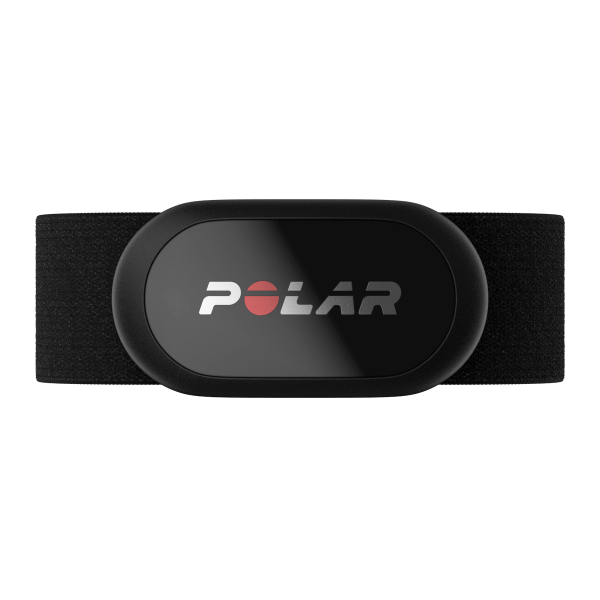 Diagnostics & Testing
What Is a Good VO2 Max by Age, and How Do You Raise It?
VO₂ max — the maximum rate at which you can use oxygen — is one of the best-studied predictors of all-cause mortality. Peter Attia calls it a vital sign. This guide covers lab testing vs wearable estimates, what 'good' looks like by age, and a training mix of Zone 2 plus intervals.
Read guideWearables & TrackersZone 2 Heart Rate Chart: Attia Targets by Age
Peter Attia does not publish a single official zone 2 heart rate chart. He uses a talk test, and in a lab a lactate reading near 2 mmol/L. The chart below is the practical substitute: a Maffetone ceiling of 180 minus age, next to 60–70% of estimated max heart rate. Stay under the ceiling only if you can still speak in full sentences, for 3–4 hours a week.
Read guide Wearables & Trackers
How Much Zone 5 per Week? The Norwegian 4×4 for VO2 Max
Zone 5 is near-maximal work — the session that actually moves VO₂ max once a Zone 2 base exists. Attia and endurance coaches usually prescribe one hard day a week, not daily HIIT classes. This guide covers 4×4s, shorter intervals, heart-rate vs RPE, and who should wait.
Read guide Wearables & Trackers
Strength Training for Longevity: Grip, Power, and a Weekly Plan
Cardio gets the longevity headlines, but muscle mass, strength, and power are among the strongest predictors of healthy aging. This guide covers why resistance training belongs next to Zone 2, how much is enough, and a beginner-to-intermediate protocol that still works at 70.
Read guide Diagnostics & Testing
Grip Strength and Longevity: Dead Hangs and Why Crush Grip Predicts Risk
Handgrip strength is one of the cheapest, best-replicated biomarkers of all-cause mortality and functional aging. It is a marker of whole-body muscle and neuromuscular integrity — not a magic hand muscle. This guide covers how to measure it, what ‘good’ looks like, and how farmers carries and dead hangs beat cheap squeeze rings as the only plan.
Read guide Diagnostics & Testing
What Does a DEXA Scan Show? Visceral Fat, Muscle, and Bone T-Scores
Dual-energy X-ray absorptiometry is the clinical standard for bone mineral density and a useful whole-body composition test (lean mass, fat, visceral adipose). Attia and sports-medicine clinics use it as a periodic snapshot. This guide covers what to book, how to prepare, how often to repeat, and what to do with the PDF.
Read guide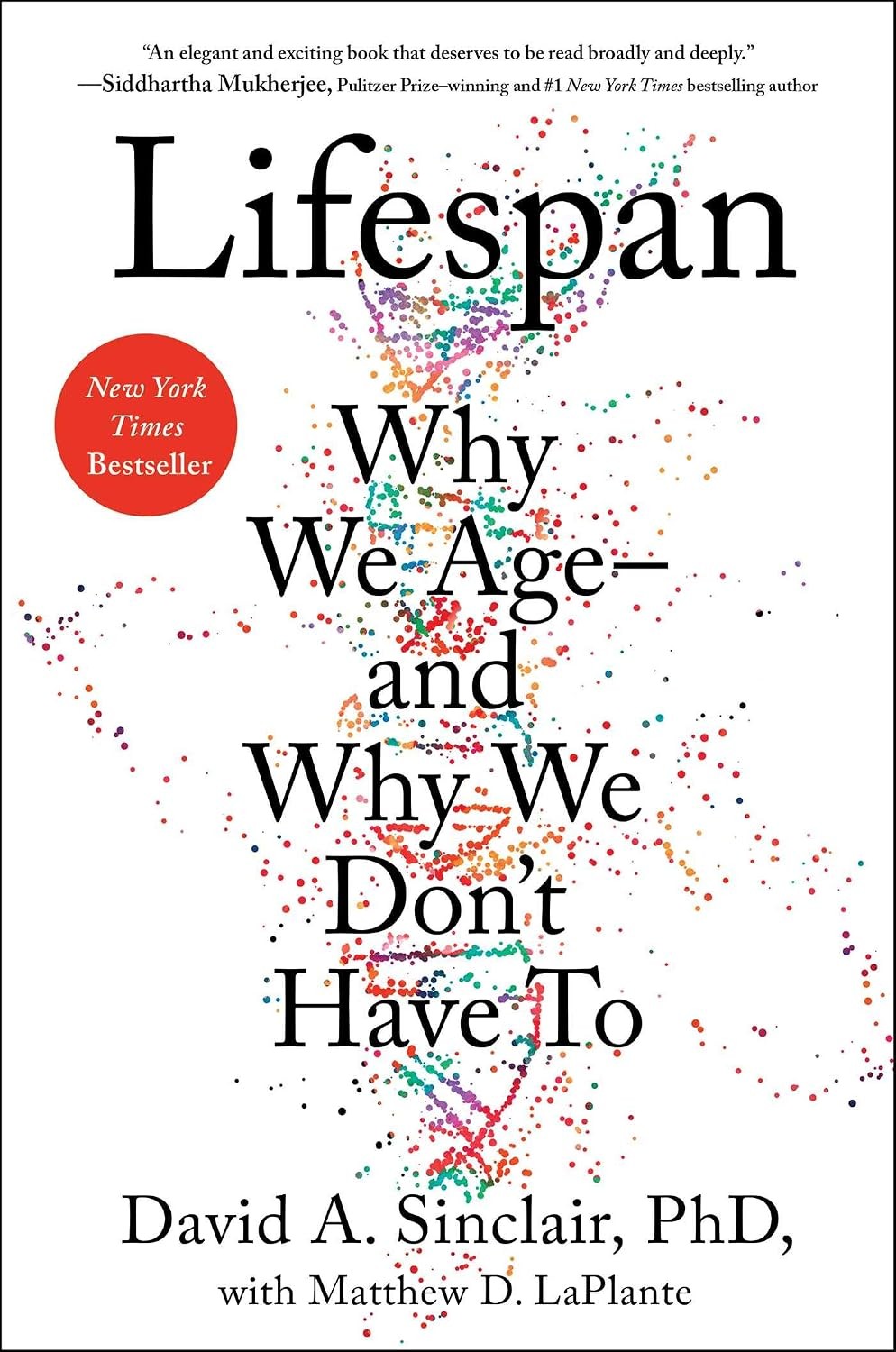 Supplements
David Sinclair's Protocol: NAD+, Sirtuins, and Lifespan
Harvard geneticist David Sinclair changed public conversation with Lifespan (2019): aging as treatable, NAD+ and sirtuins as levers, fasting and cold as free drugs. This guide explains his research fairly, maps his personal stack, includes longevity-friendly recipes, and links Lifespan editions on Amazon.
Read guide Supplements
Bryan Johnson's Blueprint: What to Copy and What to Skip
Bryan Johnson spends ~$2M/year on his 'Don't Die' anti-aging protocol, the most measured human body in history. Blueprint includes 100+ daily supplements, precise sleep/calorie timing, plasma exchange, and relentless biomarker tracking. This guide breaks down what's evidence-based, what's experimental, and what mere mortals can actually adopt.
Read guide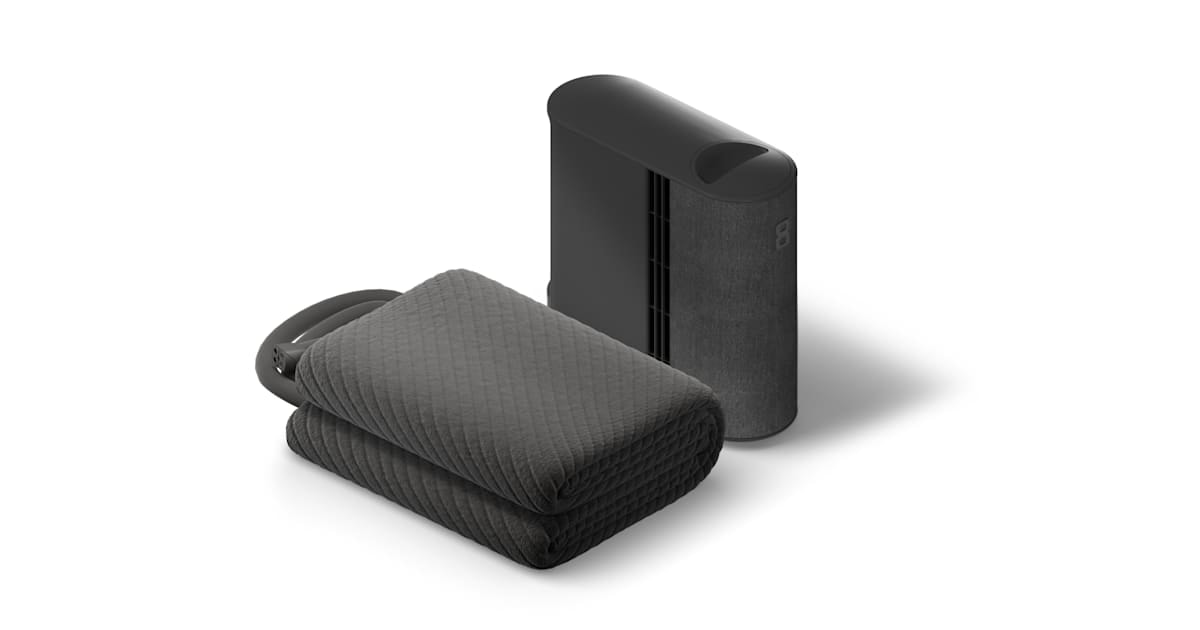 Sleep Optimization
Huberman Sleep Protocol: Temperature, Light, and Supplements
Sleep is the foundation every biohacker builds on, Huberman calls it the #1 performance enhancer. This guide covers the science of sleep stages, temperature regulation, light protocols, tracking with wearables, and the complete toolkit for deep restorative sleep.
Read guide Supplements
How Much Protein for Longevity? 1.6–2.2 g/kg and Leucine
Protein is the most under-discussed longevity lever after sleep and training. Too little accelerates sarcopenia; the right amount supports muscle, bone, and metabolic health into older decades. This guide covers g/kg targets, meal distribution, and how protein needs change on GLP-1s and during fat loss.
Read guideLast updated: 2026-09-21 · For informational purposes only. Not medical advice. Consult a healthcare provider before starting any new health protocol. Health disclaimer.