
DEXA Scan for Longevity: The Complete Guide
Bone density, visceral fat, and lean mass — what the scan tells you that a scale cannot
Dual-energy X-ray absorptiometry is the clinical standard for bone mineral density and a useful whole-body composition test (lean mass, fat, visceral adipose). Attia and sports-medicine clinics use it as a periodic snapshot. This guide covers what to book, how to prepare, how often to repeat, and what to do with the PDF.
Frequency
Every 1–2 years (or per clinician)
Duration
Single 10–20 minute scan
Level
Beginner

Key Takeaways
- 1DEXA is two tests in one: osteoporosis screening (hips/spine) and optional whole-body composition
- 2Visceral fat and appendicular lean mass beat BMI for risk conversations
- 3Repeat every 1–2 years if you are changing training or on bone meds — not every month
- 4Home scales and smart rings estimate; DEXA calibrates the story
Who this is for
- ·Anyone over 50, or earlier with fracture/family risk
- ·Lifters who want lean-mass proof, not just scale weight
- ·People whose BMI is ‘fine’ and waist is not
What DEXA Measures
Strong EvidenceClinical bone DEXA reports T-scores and Z-scores at lumbar spine and hip — the osteoporosis numbers that change medication decisions.
Whole-body DEXA (often at sports or ‘longevity’ centers) adds regional fat, lean mass, and an estimate of visceral adipose tissue. That is the scan biohackers mean when they say ‘get a DEXA.’
It is low radiation compared with CT. Still a medical X-ray — follow pregnancy rules.
How to Book and Prepare
Moderate EvidenceInsurance often covers indicated bone-density screening (age, sex, fracture, steroid use). Whole-body composition is frequently cash-pay ($50–150).
Same time of day, hydrated but not water-logged, no calcium tablet that morning if instructed, same clothes. Do not compare a Monday after a salt binge to a Friday after a hard cut.
Ask whether you are getting hip/spine, whole body, or both. Bring prior files for the same machine if possible — different brands disagree.
What to Do With the Result
Moderate EvidenceLow bone density: see the bone-density guide — lift, vitamin D/K2 as indicated, protein, fall prevention, endocrinology if T-scores qualify.
High visceral fat: Zone 2, protein, sleep, waist trend, ApoB and glucose context. A scale can still go the wrong way while composition improves.
Low lean mass: progressive lifting and creatine. Grip strength and sit-to-stand are free corroboration.
When You Cannot Get a DEXA
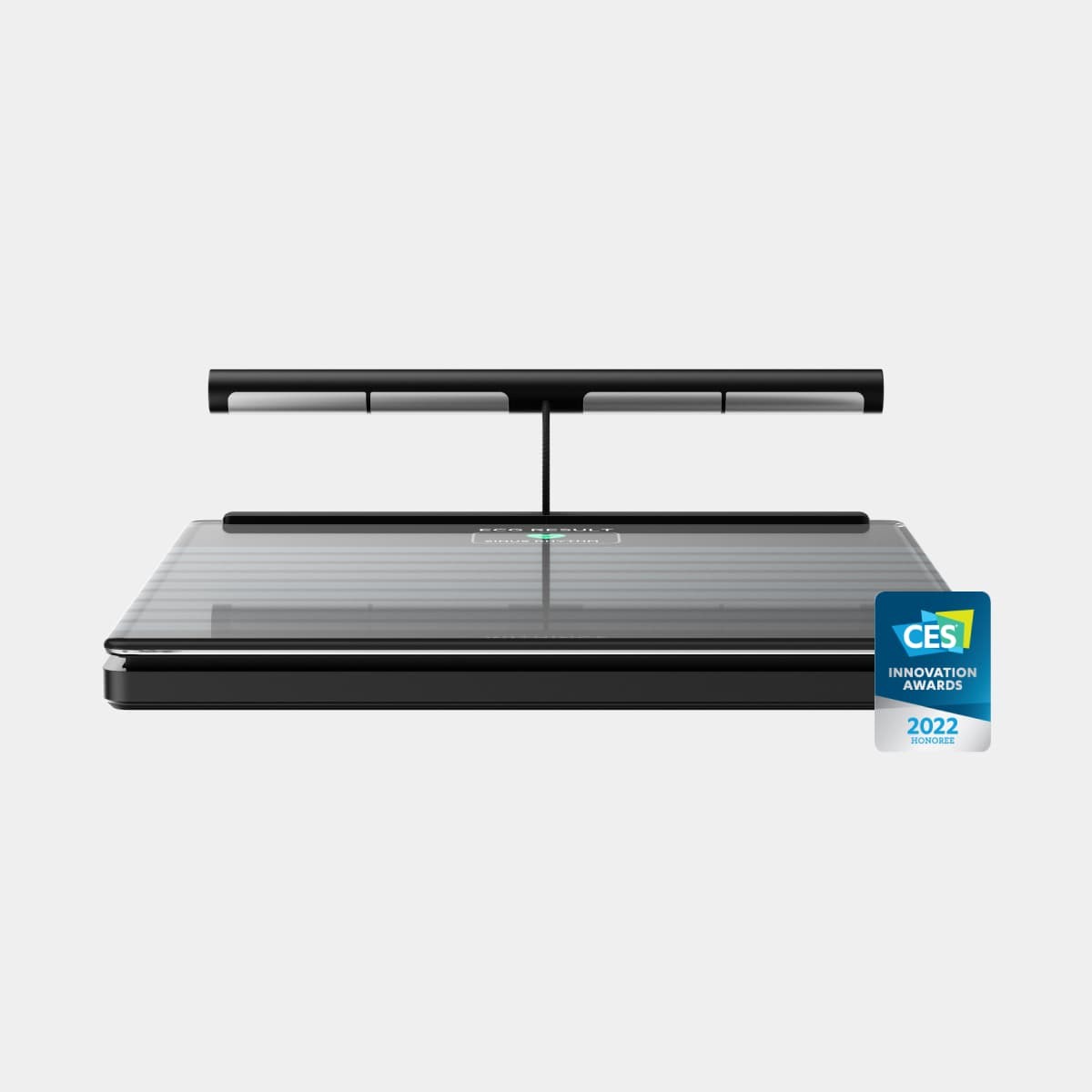
Waist circumference, progress photos, strength logs, and a decent home scale are enough to start. Withings-style scales estimate; treat them as trends. InBody and consumer BIA are hydration-sensitive.
Do not skip indicated clinical bone screening because a gym scale said you were ‘12% body fat.’
As an Amazon Associate, Reo Tuku Iho Limited earns from qualifying purchases through Amazon links on this site. Full disclosure
Sources
Key references cited in this guide. Links open the original publication or abstract.
- Official positions of the ISCD on body compositionJ Clin Densitom, 2013
- DEXA for osteoporosis diagnosis — clinical useNat Rev Endocrinol, 2014
Continue Reading
 Diagnostics & Testing
Body Composition Tracking: The Complete Guide
Weight alone misleads longevity-focused people — especially on GLP-1s, creatine, or a new lifting program. This guide compares DEXA, smart scales, and waist circumference, and how often to measure without obsession.
Read guide Diagnostics & Testing
Bone Density for Longevity: The Complete Guide
Bone is living tissue that responds to load. Osteoporosis and sarcopenia together drive falls, fractures, and loss of independence — the outcome Peter Attia calls 'the marginal decade.' This guide covers DEXA interpretation, resistance training, calcium/vitamin D/K2, and who needs medical treatment beyond lifestyle.
Read guideWearables & TrackersStrength Training for Longevity: The Complete Guide
Cardio gets the longevity headlines, but muscle mass, strength, and power are among the strongest predictors of healthy aging. This guide covers why resistance training belongs next to Zone 2, how much is enough, and a beginner-to-intermediate protocol that still works at 70.
Read guideDiagnostics & TestingGrip Strength & Longevity: The Complete Guide
Handgrip strength is one of the cheapest, best-replicated biomarkers of all-cause mortality and functional aging. It is a marker of whole-body muscle and neuromuscular integrity — not a magic hand muscle. This guide covers how to measure it, what ‘good’ looks like, and how farmers carries and dead hangs beat cheap squeeze rings as the only plan.
Read guide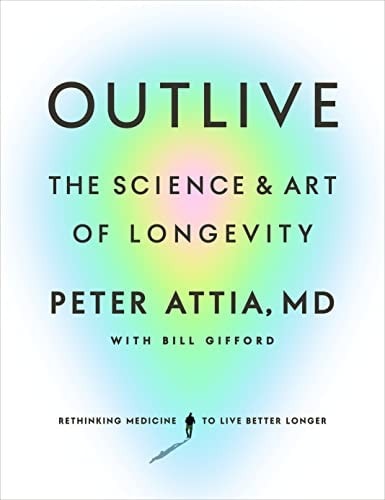 Supplements
Peter Attia & Outlive: The Complete Guide
Peter Attia’s Outlive (2023) is the most useful popular longevity book of the decade: delay the Four Horsemen (atherosclerosis, cancer, neurodegeneration, metabolic disease) with exercise, lipids, sleep, and emotional health — not a supplement haul. This guide translates the book into a sequence you can actually run, and links the hardcover on Amazon.
Read guide Diagnostics & Testing
ApoB & Lipids for Longevity: The Complete Guide
Cardiovascular disease remains a top killer; lipid panels are the cheapest longevity blood test most people skip interpreting correctly. This guide explains ApoB vs LDL-C, Lp(a), and lifestyle plus supplement levers — not statin prescribing.
Read guide Supplements
Protein for Longevity: The Complete Guide
Protein is the most under-discussed longevity lever after sleep and training. Too little accelerates sarcopenia; the right amount supports muscle, bone, and metabolic health into older decades. This guide covers g/kg targets, meal distribution, and how protein needs change on GLP-1s and during fat loss.
Read guideLast updated: 2026-09-21 · For informational purposes only. Not medical advice. Consult a healthcare provider before starting any new health protocol. Health disclaimer.