
Daily Walking for Longevity: The Complete Guide
Steps vs Zone 2, the 7–10k target, and why the cheapest biohack still wins
Walking is the highest-ROI movement habit in longevity medicine: lower all-cause mortality, better glucose control, and cognitive benefits — with zero equipment required. This guide separates step-count hype from structured Zone 2, and how wearables should track both.
Frequency
Daily
Duration
30–90 cumulative minutes
Level
Beginner
Key Takeaways
- 1Large cohort studies link 7,000–10,000 daily steps to lower mortality — benefits plateau, more is not always linear
- 2Walking after meals blunts glucose spikes — relevant for CGM users and prediabetes
- 3Steps are NEAT; Zone 2 is structured cardio — you need both, not either/or
- 4Incline walks and rucking add load without a gym membership
Who this is for
- ·Desk workers who lift but never hit cardio targets
- ·Older adults building a safe movement base before VO₂ max work
- ·CGM users experimenting with post-meal walks
- ·People who won't run but will walk while podcasting
Why Walking Is Underrated
Biohacking catalogs sell cold plunges and NMN; epidemiology keeps returning to walking. It is low-injury, socially accessible, and stacks with sunlight, conversation, and phone-free thinking time.
Attia's centenarian decathlon is built on carrying groceries and climbing stairs — walking is the daily rehearsal for those tasks.
The Science
Strong EvidenceStep-count meta-analyses (JAMA, Lancet Public Health) show dose-response mortality benefits rising toward ~7,000–10,000 steps/day in middle-aged and older cohorts, with diminishing returns above that for some groups.
Post-prandial walks (10–15 minutes after meals) reduce glucose excursions in CGM studies — cheap metabolic hack.
Walking does not replace VO₂ max training for cardiorespiratory peak — see vo2-max and zone-2-cardio guides. It complements them.
- ·Strong: all-cause mortality association with daily steps
- ·Strong: post-meal glucose blunting with short walks
- ·Moderate: cognitive and mood benefits from regular walking
- ·Context: 10k is a target, not a law — disabled and elderly need scaled goals
The Protocol
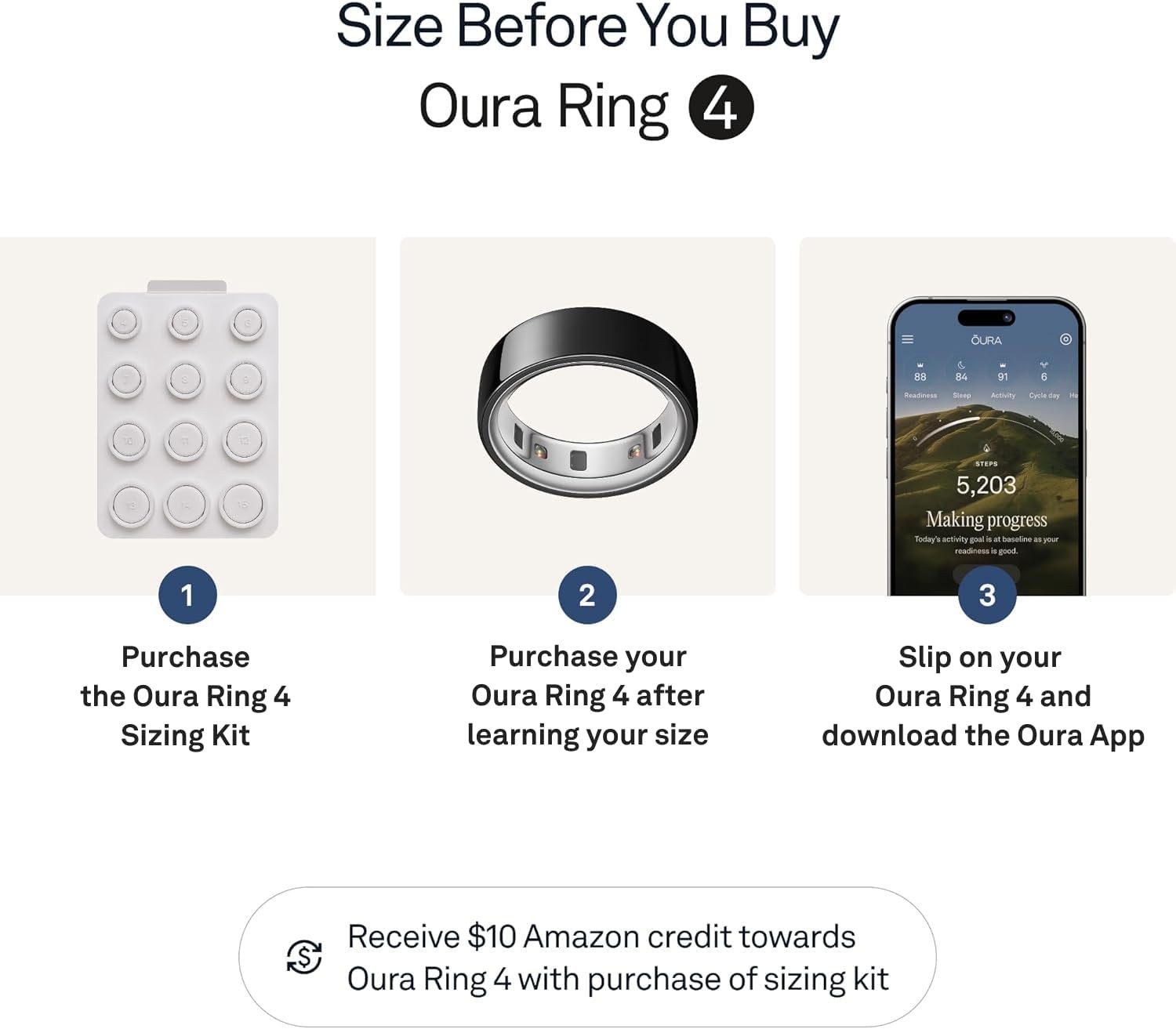
Strong EvidenceBaseline: track a normal week on Oura/Garmin/phone. Add 1,000–2,000 steps/day until you hit 7,000+ consistently.
Structure: 10–15 min after largest meal; one 20–30 min brisk walk (can talk, slightly breathless) on top of NEAT.
Upgrade: 1–2 weekly incline treadmill sessions or rucking with a weighted pack for leg and bone stimulus.
Do not count slow indoor pacing as Zone 2 — use heart rate if you want training zones (Polar H10 or watch).
- ·7,000–10,000 steps/day as a working target
- ·10–15 min walk after meals
- ·One 20–30 min brisk walk daily
- ·Track with wearable; review weekly trend not daily guilt
What to Expect
Week 1–2: better digestion and less post-lunch slump. CGM users often see smoother curves within days.
Months: resting heart rate may drift down slightly; weight maintenance becomes easier. Pair with protein and lifting for body composition.
Risks & Cost
Strong EvidenceOveruse injuries are rare but happen with sudden 20k-step jumps in deconditioned people — increase gradually.
Cost is near zero; wearables (Oura, Garmin) optional for tracking. Good shoes matter if you have plantar issues.
Community Consensus
Blue Zones made walking cultural; Apple Watch made it competitive. r/longevity agrees: if you do nothing else, walk daily. Debate is 7k vs 10k vs 12k — pick a target you will hit.
As an Amazon Associate, Reo Tuku Iho Limited earns from qualifying purchases through Amazon links on this site. Full disclosure
Sources
Key references cited in this guide. Links open the original publication or abstract.
Continue Reading
 Wearables & Trackers
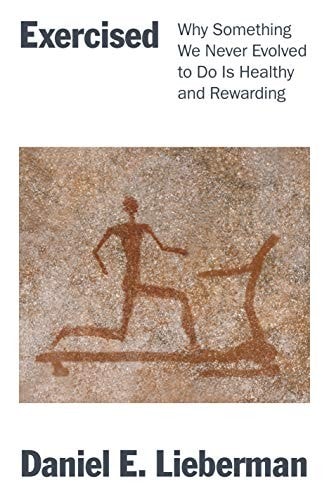
Daniel Lieberman & Exercised: The Complete Guide
Exercised (2021) is Lieberman’s evolutionary case that voluntary training is a modern invention. Humans evolved to walk, carry, and rest. This guide extracts the walking-first frame and sends you to Zone 2, Easter, and Starrett instead of a $4,000 treadmill.
Read guide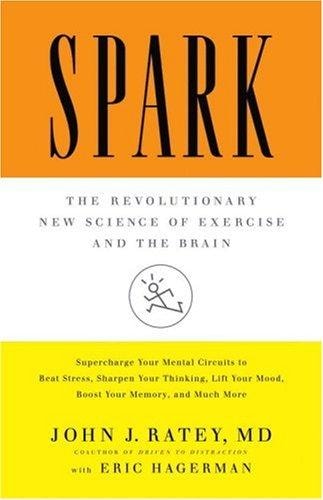 Wearables & Trackers
John Ratey & Spark: The Complete Guide
Spark (2008) is psychiatrist John Ratey’s case that aerobic work changes the brain: attention, mood, and memory. The Naperville school story is the famous chapter. This guide sends you to Zone 2 and Lieberman before another focus capsule. It is not permission to stop psychiatric medication.
Read guide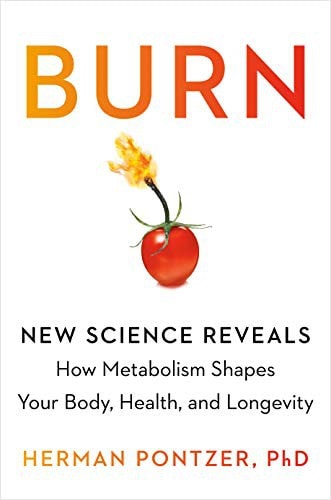 Wearables & Trackers
Herman Pontzer & Burn: The Complete Guide
Burn (2021) is Pontzer’s Hadza-backed argument that 24-hour energy expenditure sits in a narrow band. More training does not linearly raise daily burn. This guide extracts the correction and sends you back to walking, Zone 2, and food — not a watch that ‘earned’ dessert.
Read guide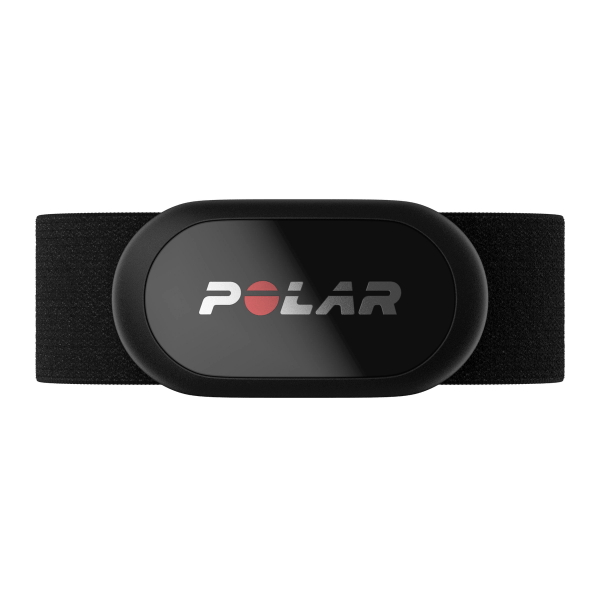 Wearables & Trackers
Zone 2 Heart Rate Chart: Attia Targets by Age
Peter Attia does not publish a single official zone 2 heart rate chart. He uses a talk test, and in a lab a lactate reading near 2 mmol/L. The chart below is the practical substitute: a Maffetone ceiling of 180 minus age, next to 60–70% of estimated max heart rate. Stay under the ceiling only if you can still speak in full sentences, for 3–4 hours a week.
Read guide Wearables & Trackers
Rucking: The Complete Guide
Rucking is walking with a weighted pack — military in origin, longevity-friendly in practice. It builds aerobic base, leg and core strength, and bone loading without the injury profile of running. This guide covers load progression, heart rate targets, and gear.
Read guide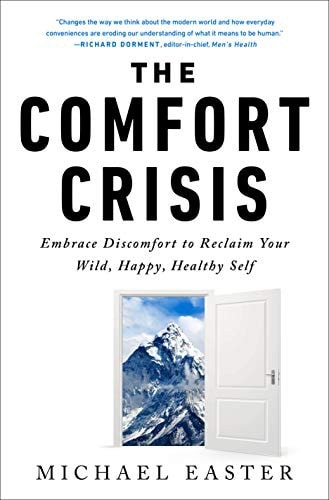 Tools & Equipment
Michael Easter & The Comfort Crisis: The Complete Guide
The Comfort Crisis (2021) is the popular case that climate-controlled, overfed life makes you fragile. The protocol that sticks is weighted walking plus outdoor time. This guide extracts the ruck practice and leaves the 33-day hunt as optional memoir.
Read guideDiagnostics & TestingVO2 Max: The Complete Guide
VO₂ max — the maximum rate at which you can use oxygen — is one of the best-studied predictors of all-cause mortality. Peter Attia calls it a vital sign. This guide covers lab testing vs wearable estimates, what 'good' looks like by age, and a training mix of Zone 2 plus intervals.
Read guide Diagnostics & Testing
Continuous Glucose Monitoring: The Complete Guide
A continuous glucose monitor (CGM) reveals how YOUR body responds to food in real-time, not population averages. Dave Asprey calls it the most impactful health tool he's used. This guide covers how CGMs work, what you'll learn, and how to use the data to optimize energy, weight, and long-term metabolic health.
Read guide Wearables & Trackers
Strength Training for Longevity: The Complete Guide
Cardio gets the longevity headlines, but muscle mass, strength, and power are among the strongest predictors of healthy aging. This guide covers why resistance training belongs next to Zone 2, how much is enough, and a beginner-to-intermediate protocol that still works at 70.
Read guideWearables & TrackersHRV & Recovery Tracking: The Complete Guide
Heart rate variability (HRV) is the most actionable biometric for biohackers, it tells you when to push hard and when to rest. This guide explains what HRV means, how Oura and WHOOP use it, lifestyle factors that destroy recovery, and how to actually use the data. Ready to buy? See Oura vs WHOOP or Garmin vs Oura vs WHOOP.
Read guide Supplements
Bryan Johnson's Blueprint: The Complete Guide
Bryan Johnson spends ~$2M/year on his 'Don't Die' anti-aging protocol, the most measured human body in history. Blueprint includes 100+ daily supplements, precise sleep/calorie timing, plasma exchange, and relentless biomarker tracking. This guide breaks down what's evidence-based, what's experimental, and what mere mortals can actually adopt.
Read guideLast updated: 2026-08-23 · For informational purposes only. Not medical advice. Consult a healthcare provider before starting any new health protocol. Health disclaimer.